Broken Bow Lake Fishing Guide on the Mountain Fork River
For many of us, the sheer thought of planning a fishing trip to a new, unfamiliar body of water can be daunting. You hear tales of giant bass or elusive trout, but then you wonder, where do I even start? Broken Bow Lake, nestled in the stunning Ouachita Mountains of southeastern Oklahoma, and its incredible tailwater, the Lower Mountain Fork River, are exactly those kinds of places – full of promise but demanding a bit of know-how. This guide is here to unravel the mysteries of fishing these fantastic waters, helping you navigate the best spots, techniques, and species so you can spend less time guessing and more time reeling in those memorable catches.
Discovering the Unique Waters of Broken Bow Lake and the Mountain Fork River
Broken Bow Lake isn't just another Oklahoma reservoir; it's a jewel of the state, renowned for its crystal-clear, deep waters and dramatic, rocky shoreline. Fed primarily by the Mountain Fork River, this lake offers a distinct fishing experience compared to many of the shallower, more turbid lakes found elsewhere in Oklahoma. Downstream from the lake, the Lower Mountain Fork River transforms into a vibrant, cold-water trout fishery, a true anomaly in the otherwise warm waters of the state. This dual nature means anglers have an incredible range of opportunities, from chasing lunker bass in the main lake to delicately presenting flies to trout in the river below.
The Lake's Pristine Waters and Diverse Habitat
What immediately strikes you about Broken Bow Lake is its clarity. You can often see several feet down, which can be both a blessing and a curse for anglers. While it makes for beautiful scenery, fish in clear water tend to be warier and can be easily spooked. The lake's structure is predominantly rocky, featuring steep bluffs, submerged timber, and deep points. This varied underwater landscape creates excellent habitat for a wide array of game fish. The upper reaches of the lake, particularly where the Mountain Fork River flows in, tend to be shallower and offer more cover in the form of flooded timber and creek channels, providing a different fishing environment than the wide-open main body.
The deep, clear water also means that fish behavior can be heavily influenced by light penetration and thermoclines. During the warmer months, bass and other species will often retreat to deeper, cooler water, making them harder to locate. Understanding these thermoclines, which are layers of water with different temperatures, can be crucial for finding actively feeding fish. The lake also boasts numerous coves and secondary points that serve as critical staging areas during seasonal migrations, offering anglers consistent action if they know where to look.
The Mountain Fork River's Unique Character and Trout Fishery
Below Broken Bow Lake's dam, the Lower Mountain Fork River emerges as a totally different beast. This section of the river is a year-round cold-water trout fishery, thanks to the continuous release of frigid water from the bottom of the lake. It's one of only two year-round trout streams in Oklahoma, making it a highly popular destination for trout enthusiasts from across the region. The river winds through scenic terrain, characterized by swift runs, deep pools, and rocky shoals, providing perfect holding water for both rainbow and brown trout.
The Oklahoma Department of Wildlife Conservation (ODWC) actively stocks rainbow trout here, ensuring a robust population for anglers. While brown trout are also present and stocked, they are generally more elusive and present a greater challenge for experienced anglers. The river has several designated fishing areas, including zones where only artificial lures or flies are permitted, and others where bait fishing is allowed. This variety caters to different angling styles, though catch-and-release is strongly encouraged, especially for the larger, wilder trout, to help sustain this precious resource. Remember to check regulations specific to trout fishing, as they often differ from statewide rules for other species. You might find more details in our guide on Rainbow Trout Fishing in Oklahoma.
Key Fish Species and What You'll Find
Broken Bow Lake and the Lower Mountain Fork River collectively offer a diverse fishing portfolio. From hard-fighting black bass in the lake to cunning trout in the river, there's truly something for every angler. Knowing what you're targeting is the first step toward a successful outing.
Targeting Largemouth, Smallmouth, and Spotted Bass
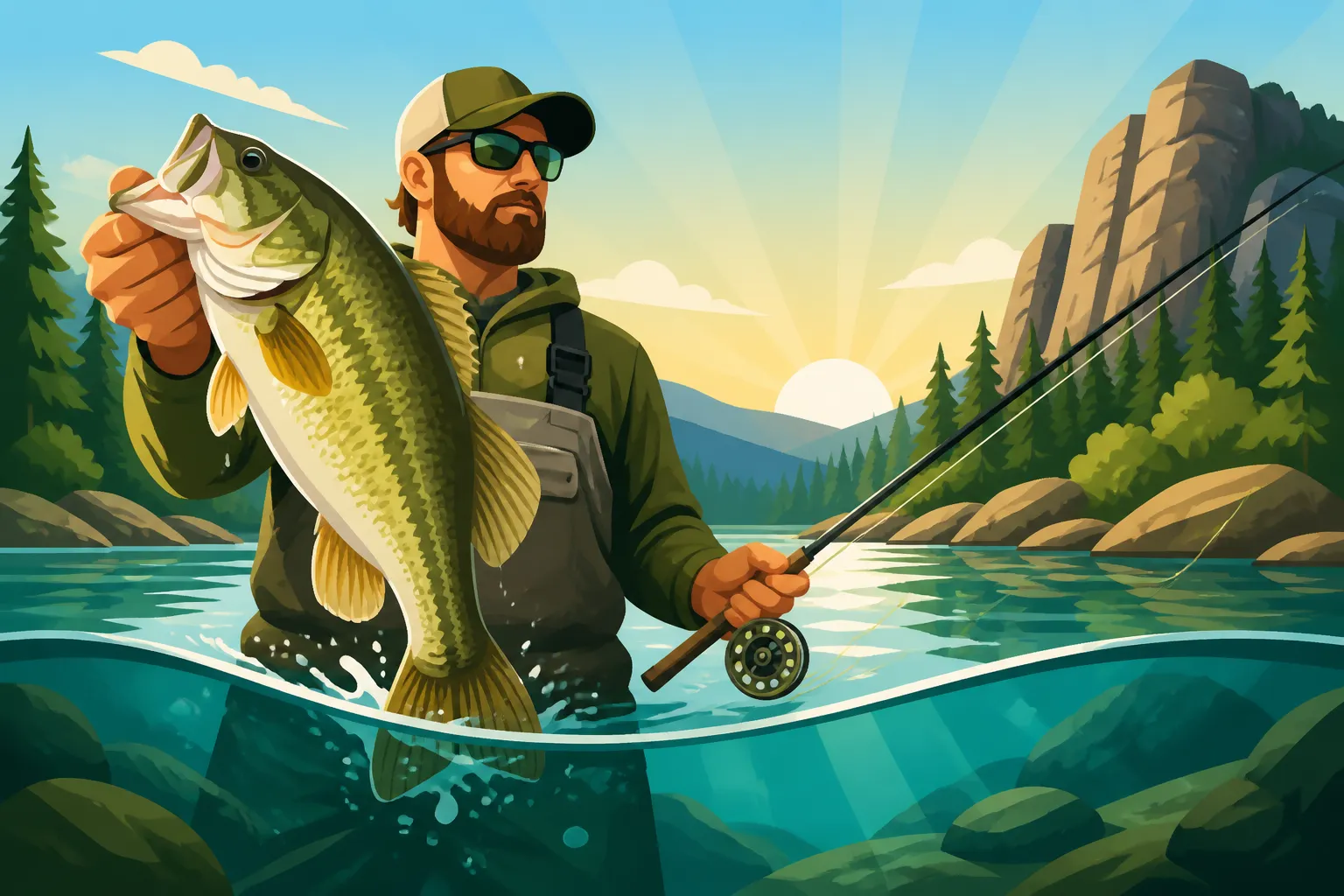
Broken Bow Lake is a true bass angler's paradise, home to healthy populations of all three black bass species: largemouth, smallmouth, and spotted bass. Each species has its preferred habitat and fighting style, adding an exciting dimension to your fishing strategy. Largemouth bass tend to stick to the more vegetated areas and submerged timber in the upper lake and calmer coves. They are ambush predators, often found near cover, waiting to strike unsuspecting prey. They’ll put up a strong fight, especially the bigger ones, making them a consistent favorite.
Smallmouth bass, on the other hand, thrive in the clear, rocky, deeper areas of the lake. They prefer cooler water and are often found around main lake points, bluffs, and rocky ledges. Smallmouth are known for their incredible fighting prowess, making powerful runs and acrobatic jumps when hooked. Spotted bass, often mistaken for smallmouth, also prefer rocky structures but can be found a bit deeper than largemouth and sometimes co-exist with smallmouth. They're aggressive feeders and can provide non-stop action, though they typically don't grow as large as their largemouth or smallmouth cousins. Understanding Oklahoma's Bass Fishing Rules and Limits is crucial before you head out.
Crappie and Sunfish: Panfish Opportunities
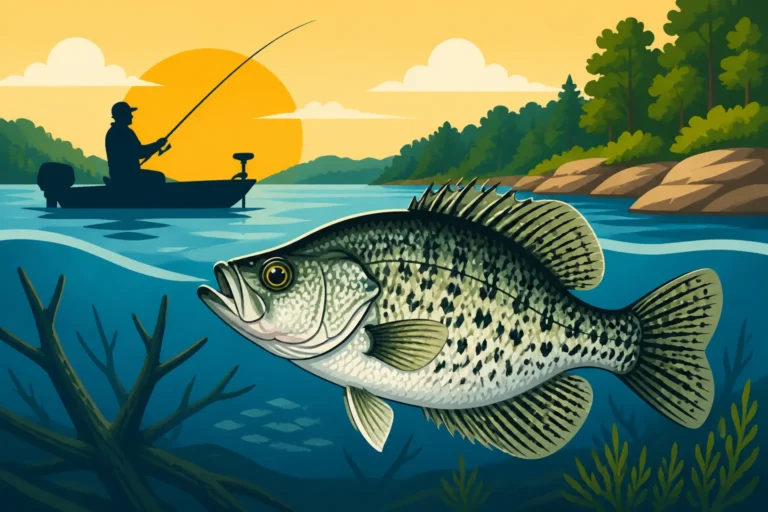
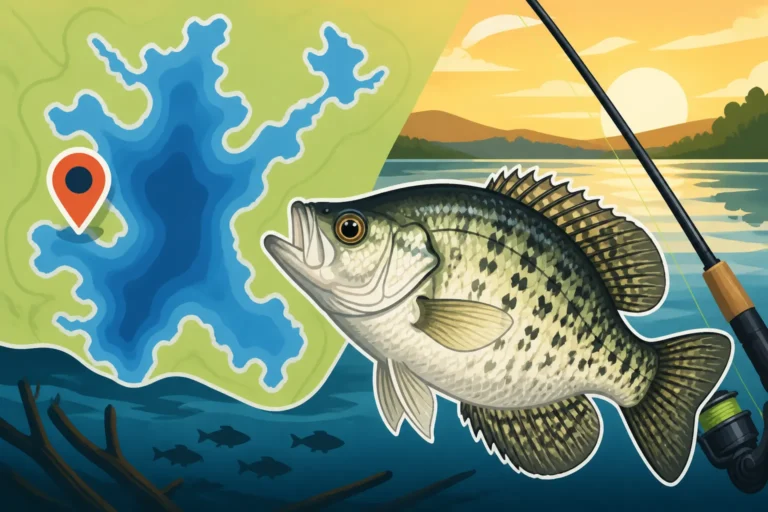
While bass often steal the spotlight, Broken Bow Lake offers fantastic opportunities for panfish, particularly crappie and various sunfish species. Both black and white crappie call the lake home, often congregating around submerged timber, brush piles, and bridge pilings. During the spring spawn, they move into shallower water, making them accessible to bank anglers and easy targets for those slowly trolling jigs or minnows. As the water warms, they retreat to deeper brush piles and creek channels, requiring a more precise approach with electronics to locate them.
Sunfish, including bluegill and redear sunfish, are abundant throughout the lake, especially in the shallower, calmer coves and around any form of natural or artificial cover. These feisty little fish are perfect for a relaxing family outing or for introducing kids to the joys of fishing. They readily strike small worms, crickets, or tiny jigs, providing consistent action and a great way to fill a cooler for a delicious fish fry. These species are not typically subject to complex rules, but it’s always good to be aware of general limits as part of Oklahoma's 181 Fish Species: A Quick Overview.
Trophy Trout Fishing in the Lower Mountain Fork
The Lower Mountain Fork River is a singular destination for trout fishing in Oklahoma. The cold, oxygenated water discharged from Broken Bow Dam creates an ideal environment for trout that simply isn't available in many other parts of the state. Anglers targeting rainbow trout can expect consistent action, especially right after stockings. These fish readily take a variety of baits, lures, and flies. For those seeking a greater challenge, the elusive brown trout offer a thrilling pursuit. Brown trout are known for their wariness and often require precise presentations and keen observation skills.
The river is divided into several zones, some of which are "fly-fishing only" or "artificial lures only" to protect the fishery and enhance the angling experience. For instance, the zone immediately below the dam is often restricted to artificials to encourage catch-and-release and reduce stress on the fish. It's imperative to consult the current ODWC fishing regulations before casting a line in the Mountain Fork, as rules can change. Fishing with a guide, easily found on platforms like FishingBooker, can significantly increase your chances of success, especially if you're new to trout fishing or the specific nuances of this river.
Best Fishing Techniques for Broken Bow and Mountain Fork
Fishing Broken Bow Lake and the Lower Mountain Fork River requires a versatile approach. The clear water, varied structure, and diverse species mean that adapting your techniques to the conditions and your target fish is key. What works for a largemouth in a shallow cove might be useless for a smallmouth on a deep rock point, and entirely different for a trout in the river.
Seasonal Bass Strategies for Lake and River
Bass fishing on Broken Bow Lake truly shines in the spring and fall. In spring, as water temperatures rise, largemouth bass move into shallower coves and flats to spawn. This is a prime time for targeting them with Texas rigs, Carolina rigs, crankbaits, and spinnerbaits around visible cover like timber and submerged vegetation. Smallmouth and spotted bass will also be shallower, often found on rocky points and humps. For these, jerkbaits, small swimbaits, and tubes can be incredibly effective. Understanding the nuances of How to Fish a Texas Rig for Bass can be a game-changer during this time.
During summer, the bass move deeper to escape the heat and bright sunlight. Locating them often involves using your electronics to find structure like submerged brush piles, deep ledges, and creek channels. Drop-shot rigs, deep-diving crankbaits, and football jigs become go-to presentations. Early morning, late evening, and night fishing can also be productive as bass venture shallower to feed under low light conditions. As fall approaches and water temperatures cool, bass become highly active, feeding aggressively in preparation for winter. This "fall turnover" can scatter fish, but targeting baitfish schools with lipless crankbaits, topwater lures, and spinnerbaits can lead to explosive action. In winter, bass will hold tight to deep structure, often requiring slow, vertical presentations with jigs or spoons.
Mastering Crappie and Sunfish Tactics
Crappie fishing on Broken Bow Lake offers consistent action throughout the year if you know where to look. In spring, they move to shallow cover for their spawn, often found in 2-10 feet of water. This is when they are most accessible. Small jigs tipped with minnows or soft plastics, fished under a bobber or slowly retrieved around brush piles, are highly effective. For anglers wanting to hone their skills, our guide on How to Jig for Crappie in Spring offers fantastic tips. As the water warms in summer, crappie retreat to deeper, cooler water, often suspending over brush piles or congregating in creek channels. Vertical jigging with electronics to pinpoint their depth is crucial here. Trolling multiple lines with jigs or minnows at various depths can also be productive for covering water.
Fall sees crappie becoming more active again, often schooling up and feeding aggressively on baitfish. They can be found moving between shallow and deep water, making them accessible with a variety of techniques. Look for them around main lake points and deeper brush piles. In winter, crappie will often be found in large schools over deep water structure, sometimes near the dam or in deeper creek channels. Vertical jigging or tight-lining minnows are the most common and effective methods during this period. For sunfish, a simple bobber and worm setup is usually all you need, fished around docks, fallen trees, or lily pads in calm coves. They are less sensitive to seasonal changes, providing reliable action year-round in shallow, protected waters.
Fly Fishing and Spin Fishing for Mountain Fork Trout
Fishing the Lower Mountain Fork River for trout is a distinctly different experience from the lake. For fly anglers, this river is a dream come true. Standard trout patterns like nymphs (Prince, Pheasant Tail, Hare's Ear), emergers, and small streamers (Woolly Bugger) are consistently effective. During insect hatches, dry flies can provide thrilling surface strikes. Wading the river, carefully stalking fish in the clear water, and presenting flies with precision is part of the allure. The river's varying currents and structures demand different techniques; dead-drifting nymphs in runs, swinging wet flies, or stripping streamers in pools all have their place. Many local fly shops offer guided trips and can provide up-to-the-minute information on hatches and effective patterns.
Spin anglers also find great success on the Mountain Fork. Small inline spinners (Rooster Tail, Panther Martin), tiny spoons, and small, soft plastic baits rigged on light jig heads are very productive. The key is using light tackle and thin lines (4-6 lb test) to avoid spooking the wary trout in the clear water. Artificial bait like PowerBait or small pieces of corn are also popular choices in areas where bait fishing is permitted. Again, adhering to the specific regulations for each section of the river is vital. Booking a local guide through a service like FishingBooker can provide invaluable insights into the best spots and techniques for both fly and spin fishing, especially if it's your first time navigating this unique fishery.
Prime Fishing Spots and Access Points
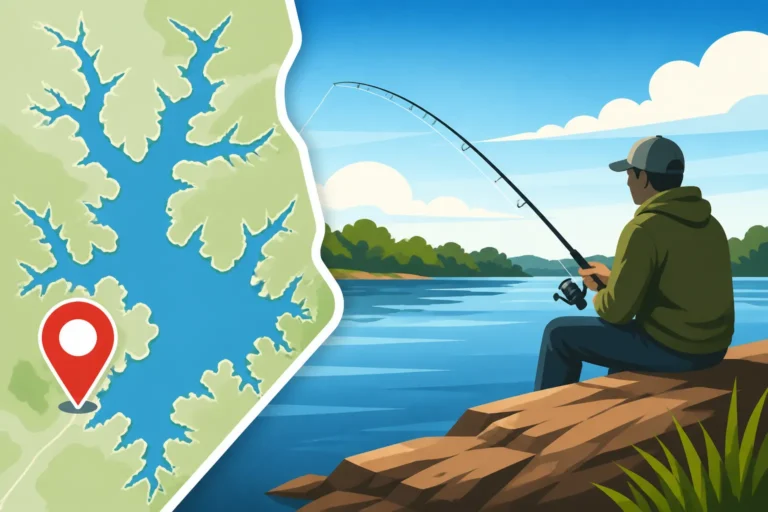
Knowing what to fish for and how to fish for it is important, but knowing where to go is arguably even more critical. Broken Bow Lake offers numerous opportunities, whether you're in a boat or fishing from the bank, and the Mountain Fork River has its own distinct access points.
Top Boat Fishing Locations on Broken Bow Lake
If you're launching a boat, Broken Bow Lake opens up a vast world of fishing opportunities. The upper end of the lake, where the Mountain Fork River flows in, offers more stained water and a higher concentration of submerged timber and creek channels. This area is often excellent for largemouth bass, particularly during the spring and fall transitions. Look for old river bends and fallen trees along the edges of the main channel.
Moving towards the mid-lake section, you'll find a mix of rocky points, humps, and coves. This is prime territory for smallmouth and spotted bass, as well as crappie that congregate around the many brush piles. Popular spots include the area around the Highway 259 bridge, which has significant structure, and the numerous coves branching off the main lake. The lower end of the lake, closer to the dam, features deeper, clearer water with steep bluffs and deep points. This is where you'll find bass in the summer months, often holding suspended or tight to vertical rock faces. Deep-diving crankbaits and vertical jigs shine here. Always be mindful of other boaters, especially pleasure craft, as Broken Bow is a very popular recreational lake.
Productive Bank Fishing Spots and River Access
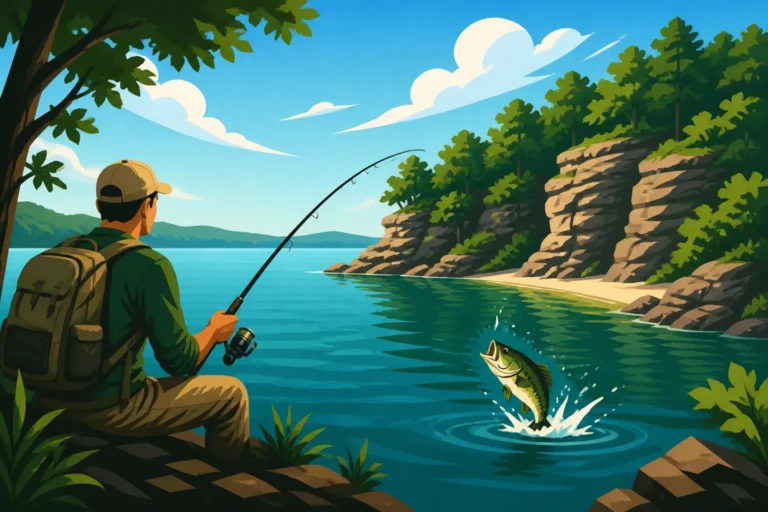
Not everyone has a boat, and thankfully, Broken Bow Lake still offers decent bank fishing. The Broken Bow Lake State Park area provides ample shoreline access, including fishing piers and rocky banks that can be productive for sunfish, catfish, and even bass. The Beavers Bend State Park area also has various access points along the lake and the river, making it a great base for anglers. Many of the developed campgrounds within these parks have accessible shorelines perfect for a casual day of fishing.
For the Lower Mountain Fork River, access is more segmented. Beavers Bend State Park has numerous points where you can access the river for wading or bank fishing, particularly in the lower, less restricted zones. Upstream, towards the dam, access points like Spillway Creek and areas near the US Army Corps of Engineers office offer opportunities, though some areas may have specific gear restrictions. The clear waters of the river mean that stealth is often required for bank anglers to avoid spooking trout. Look for deep pools and runs where trout will hold, and approach cautiously. For more general information about accessing good fishing spots, our guide on Best Fishing Spots in Eastern Oklahoma can provide broader context.
Navigating Boat Ramps and Marinas
Broken Bow Lake is well-equipped with boat ramps and marinas, making it easy to launch your vessel. Some of the most popular ramps include those within Beavers Bend State Park, such as the Beavers Bend Marina ramp, which offers convenient access to the mid-lake section. Other ramps are scattered around the lake, including the Carson Creek and Stevens Gap areas. These ramps are generally well-maintained but can get very busy during peak season weekends.
Marinas like Broken Bow Lake Marina and Beavers Bend Marina offer not just ramps, but also fuel, tackle shops, boat rentals, and sometimes even guide services. They are excellent resources for local fishing reports and current conditions. If you're planning to bring your own boat, remember that registering your boat in Oklahoma is a requirement. Our detailed guide on Oklahoma Boat Registration and Titling Rules Explained can help you understand the process. Always practice good ramp etiquette: prepare your boat before backing down, launch quickly, and move away from the ramp promptly to allow others access.
Essential Gear and Local Considerations
Having the right gear is paramount for a successful fishing trip, especially when dealing with varied species and conditions like those found at Broken Bow Lake and the Mountain Fork River. Beyond rods and reels, understanding local factors like weather and water conditions can significantly impact your strategy.
Rods, Reels, and Tackle for Different Species
For bass fishing on Broken Bow Lake, a versatile setup is key. Medium-heavy action baitcasting rods (6'6" to 7'6") paired with a high-speed baitcasting reel are ideal for throwing a variety of lures, from Texas rigs to deep-diving crankbaits. Spooling with 12-20 lb fluorocarbon or monofilament line is a good all-around choice. For lighter presentations or targeting spotted bass, a medium action spinning rod with a matching reel and 8-10 lb fluorocarbon can be very effective. A selection of common bass lures – soft plastics (worms, creature baits), jigs (football, swim jigs), crankbaits (shallow to deep divers), and topwater lures – will cover most situations.
When it comes to crappie and sunfish, lighter tackle is the way to go. A light to ultra-light action spinning rod (5'6" to 6'6") paired with a small spinning reel and 4-6 lb monofilament or fluorocarbon line is perfect. Small jigs (1/32 to 1/8 oz) in various colors, tiny grubs, and live minnows are essential for crappie. For sunfish, a simple hook, bobber, and split shot with crickets or worms will do the trick. For the Mountain Fork trout, fly anglers will typically use a 4-6 weight fly rod with a matching reel and floating line, carrying an assortment of nymphs, emergers, and small streamers. Spin anglers will need an ultra-light spinning combo with 2-4 lb test line, favoring small inline spinners and tiny spoons.
Kayaks, Canoes, and Waders for River Anglers
For those who prefer a more intimate experience with the water, kayaks and canoes are excellent options for exploring the quieter coves of Broken Bow Lake and navigating sections of the Mountain Fork River. A stable fishing kayak, rigged with a comfortable seat and rod holders, can get you into shallow areas that larger boats can't reach, offering stealthy approaches to bass and crappie. If you’re considering this, check out our Kayak Fishing Gear Guide for Oklahoma Lakes.
For river trout fishing, waders are almost a necessity. Chest waders allow you to comfortably navigate the varying depths of the Mountain Fork River, providing access to prime holding water and enabling precise casting angles. Combine them with wading boots that offer good grip on slippery rocks for safety. A wading staff is also a highly recommended safety item, especially in faster currents or unfamiliar stretches of the river.
Weather Patterns and Water Conditions
Oklahoma weather can be notoriously fickle, and Broken Bow is no exception. Always check the forecast before your trip. Summers are hot and humid, often leading to afternoon thunderstorms, so getting on the water early is usually best. Winters are milder but can still bring freezing temperatures, especially in the mornings. Spring and fall offer the most pleasant weather, but sudden cold fronts or heavy rain can dramatically change fishing conditions.
Water levels on Broken Bow Lake are generally stable, regulated by the dam, but heavy rains can cause temporary rises and increased turbidity, particularly in the upper river arms. Conversely, prolonged dry spells might lead to lower lake levels, exposing more structure. For the Mountain Fork River, water flow and temperature are directly impacted by releases from the dam. The ODWC often provides information on scheduled water releases, which can significantly affect wading conditions and fish behavior. High water flows mean caution is needed, while lower flows might make some areas more accessible.
Rules, Regulations, and Conservation
Fishing responsibly is not just about following the law; it's about preserving the incredible resource that Broken Bow Lake and the Mountain Fork River offer. Understanding and adhering to regulations, practicing ethical angling, and being mindful of your impact on the environment are crucial for ensuring these waters remain vibrant for generations to come.
Licenses, Bag Limits, and Special Regulations
Before you even wet a line, make sure you have the proper Oklahoma fishing license. Whether you're a resident or a nonresident, and whether you need an annual or a day-use license, there are specific requirements. Our guides like Fishing License Requirements in Oklahoma and Oklahoma Fishing License Costs and Types can walk you through the specifics. Children typically have different requirements, so if you're bringing the family, check Do Kids Need a Fishing License in Oklahoma?
Beyond the general license, be acutely aware of bag and length limits for specific species. For bass on Broken Bow Lake, there might be particular length restrictions or daily creel limits that differ from statewide regulations. The same goes for crappie; while the statewide limit is generous, some lakes can have stricter limits to protect their populations. As for the Mountain Fork River, it has very specific trout regulations, including length limits, daily limits, and designated catch-and-release areas where only artificial lures or flies are allowed. Always consult the current Oklahoma Fishing Guide from the ODWC, available online or at local bait shops, as these rules can change annually.
| Species | Statewide Bag Limit (Daily) | Statewide Length Limit (Exceptions Apply) | Notes for Broken Bow/Mountain Fork |
|---|---|---|---|
| Black Bass | 6 (Largemouth, Smallmouth, Spotted combined) | No statewide minimum (Check local signs) | Broken Bow often has specific limits for quality management. |
| Crappie | 37 (Black & White combined) | No statewide minimum (Check local signs) | Broken Bow generally follows statewide, but always verify. |
| Trout | 6 (Rainbow & Brown combined) | 10 inches for Brown Trout | Lower Mountain Fork has specific zones and artificial-only rules. |
| Catfish | 15 (Blue, Channel, Flathead combined) | Only one Blue Catfish over 30 inches | Broken Bow can yield large Blue and Channel Catfish. |
| Sunfish/Bluegill | No daily limit | No length limit | Abundant and great for family fishing. |
Disclaimer: This table provides general statewide information. Always verify current regulations from the Oklahoma Department of Wildlife Conservation before fishing, as local rules and limits can change.
Catch and Release Practices and Lake Etiquette
Given the clear waters and the popularity of Broken Bow Lake and the Mountain Fork River, practicing responsible catch and release is vital, especially for trophy fish and trout. If you plan to release fish, handle them gently, minimize their time out of water, and use barbless hooks or de-barb your hooks to reduce damage. For trout, reviving them in the current before release dramatically increases their survival rate.
Lake etiquette extends beyond fish handling. Be respectful of other anglers and boaters. Maintain safe distances, especially from those who appear to be anchored or drifting. When navigating through areas with bank anglers, slow down to minimize wake. Dispose of all trash properly, including discarded fishing line, which can be deadly to wildlife. Consider a fishing trip a chance to connect with nature, and leave no trace behind. If you're using a local guide service, perhaps found via FishingBooker, they will undoubtedly emphasize these conservation efforts, ensuring the beauty and bounty of Broken Bow endure.
Disclaimer
The information provided in this guide is for general informational purposes only and is not intended as legal advice or an exhaustive list of all regulations. Fishing regulations, license requirements, and local conditions can change frequently. Always consult the official Oklahoma Department of Wildlife Conservation (ODWC) website or current printed regulations before planning your fishing trip to Broken Bow Lake and the Mountain Fork River. The author and publisher are not responsible for any errors or omissions, or for any loss or damage incurred as a result of relying on this information.