How Big Do Smallmouth Bass Get in Oklahoma
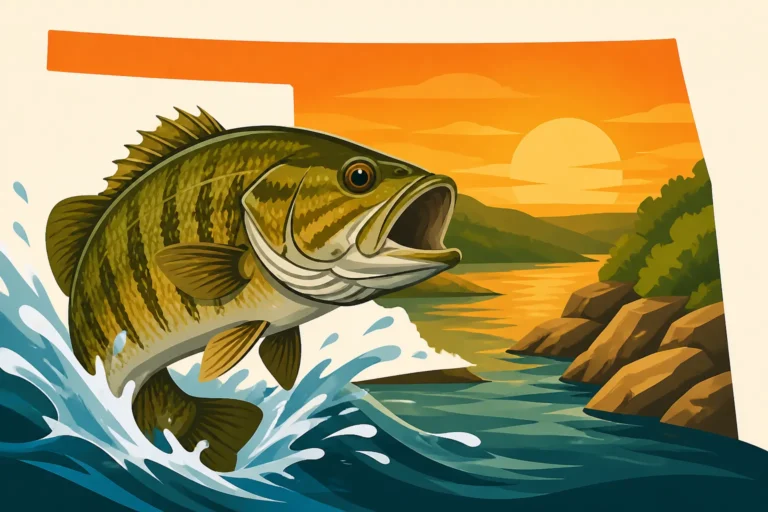
One of the most thrilling questions Oklahoma anglers ask, especially those chasing a true fight, is about the size potential of smallmouth bass. It’s easy to dream of a monster bronzeback, but the reality of what you'll typically pull out of our waters can sometimes be a bit different from the giants seen in national magazines. This guide will take a deep dive into how big smallmouth bass really get in Oklahoma, what influences their growth, and where you might just find that fish of a lifetime.
Understanding Oklahoma's Smallmouth Bass Population and Growth
Oklahoma might not be the first state that comes to mind when you think of smallmouth bass, like some of the colder, rockier northern waters. However, we have some fantastic smallmouth fisheries, and these feisty fighters are making a real name for themselves. The size they achieve here is a fascinating story influenced by everything from their natural environment to the food available. Anglers often wonder if the smallies here stack up against those in traditional "smallmouth country," and while we might not have the same sheer numbers of giant fish, our smallmouth are certainly worth the pursuit. If you're keen to learn more about this particular species, check out Smallmouth Bass in Oklahoma: What Anglers Should Know.
Natural Habitats and Growth Factors
Smallmouth bass thrive in clear, cool, rocky water. Think of flowing rivers with plenty of current, or deep, clear lakes with boulder-strewn bottoms and submerged timber. In Oklahoma, our smallmouth often find these conditions in the eastern and southeastern parts of the state. They're not fans of muddy, stagnant water, which is why you won't typically find them in every pond or reservoir. The quality of their habitat directly impacts their growth. A pristine environment with ample oxygen and stable water temperatures allows them to grow steadily. When they have plenty of hiding spots – whether it’s a rock pile, a submerged log, or a deep ledge – they feel secure, conserving energy and focusing on feeding.
Conversely, less-than-ideal conditions can stunt growth. Lakes or rivers that experience significant fluctuations in water level, extreme temperature swings, or heavy siltation can stress the fish. Stress leads to slower growth rates as their bodies divert energy to survival rather than putting on weight. It’s a delicate balance, and our Oklahoma waters, while diverse, offer pockets of ideal smallmouth habitat that allow these fish to flourish and reach impressive sizes.
How Oklahoma's Environment Shapes Smallmouth Size
Our state's unique geography plays a huge role in the smallmouth bass narrative. While we have vast, fertile plains, the eastern half of Oklahoma offers the clear, rocky streams and deep, cool reservoirs that smallmouth adore. Lakes like Tenkiller, Broken Bow, and even parts of Grand Lake O' the Cherokees provide excellent conditions. The mineral content of the water, the availability of deep thermal refuges in summer, and the flow rates of our rivers all contribute to the ecosystem that supports smallmouth growth.
The length of our growing season is another crucial factor. With longer periods of warmer water (within their comfortable range), smallmouth have more time to feed and grow. However, this also means they can burn more energy if food isn't readily available. Unlike largemouth bass, which can tolerate a wider range of conditions, smallmouth are a bit pickier, making the specific characteristics of their preferred Oklahoma waters even more vital for them to reach their full potential. For those who frequently confuse smallmouth with their cousins, a quick read on Largemouth Bass vs Smallmouth Bass: How to Tell Them Apart can be very insightful before hitting the water.
What to Realistically Expect: Average vs. Trophy Smallmouth Bass
When you’re out on the water, whether it's one of Oklahoma's clear reservoirs or a smaller river, the excitement of a smallmouth strike is unmistakable. But what size fish should you truly expect to land? It's easy to get caught up in the tales of giant fish, but setting realistic expectations can make your fishing experience far more rewarding.
Typical Sizes You'll Encounter
Most smallmouth bass you'll catch in Oklahoma will likely fall into the 1- to 3-pound range. These are vibrant, hard-fighting fish that are an absolute blast on light tackle. A smallmouth in this size range, perhaps 12 to 16 inches long, is a very respectable catch and common in our better fisheries. They're often chunky, healthy fish that put up a fantastic battle, leaping and pulling like crazy. If you're consistently catching smallmouth of this size, you're doing something right!
Of course, fishing is fishing, and some days you might only find smaller, younger fish, especially if you're exploring new waters or the conditions aren't ideal. It's important to understand the regulatory side of things too, as size limits can vary. Always check Oklahoma's Bass Fishing Rules and Limits before you go, as regulations are designed to protect and enhance the fishery, which ultimately helps these fish grow to larger sizes.
Chasing That Oklahoma Smallmouth Bass Record
Now, for those truly special fish, the trophy smallmouth, things get exciting. While a 3-pound smallmouth is a great catch, an Oklahoma smallmouth over 5 pounds is truly exceptional. These fish are rare, wily, and often require specific techniques and a lot of patience. The state record smallmouth bass is a testament to the fact that our waters can indeed produce giants. While I can't share the current exact record, know that it's a truly impressive fish, often pushing the 7-pound mark, sometimes even higher.
Landing a smallmouth of that caliber usually means targeting specific areas during optimal conditions and using gear suited for larger, more powerful fish. These giants didn't get that big by being easy to catch. They've seen it all, and they live in prime real estate with abundant food and cover. If you’re serious about a trophy, be prepared for a long day of casting, focusing on structure, and being ready for that one powerful strike. Many anglers looking for specialized gear to handle these powerful fish might browse sites like Amazon for heavy-duty rods or stronger fishing line.
Here's a quick comparison of what you might expect when targeting different bass species in Oklahoma:
| Bass Species | Typical Catch (Weight) | Typical Catch (Length) | Trophy Potential (Weight) | Primary Habitat |
|---|---|---|---|---|
| Largemouth Bass | 1-4 lbs | 12-18 inches | 6-10+ lbs | Weedy, warmer, stained water, flooded timber |
| Smallmouth Bass | 1-3 lbs | 12-16 inches | 5-7+ lbs | Clear, cool, rocky water, current |
| Spotted Bass | 0.5-2 lbs | 10-15 inches | 3-5 lbs | Rocky banks, bluffs, often near deep water |
This table helps illustrate that while smallmouth don't typically reach the same upper weight limits as largemouth, their "trophy" size is still incredibly respectable and a huge accomplishment for any angler in Oklahoma. It also highlights the different niches each bass species occupies. To properly identify your catch, especially if you think it's a smallmouth but it looks a bit different, checking out Smallmouth Bass vs Spotted Bass: Key Differences can be extremely helpful.
The Role of Genetics and Forage in Smallmouth Size
It's not just about how much time a fish spends in the water; its potential size is deeply rooted in its genetic makeup and what it gets to eat throughout its life. These biological factors are often overlooked but are absolutely critical in determining how big a smallmouth bass can get in Oklahoma.
Genetic Potential and Oklahoma Strains
Just like people, fish populations have genetic variations that influence traits like growth rate, maximum size, and even coloration. While smallmouth bass are often stocked in various lakes across Oklahoma, the original genetic strains introduced, and how those strains have adapted and interbred over generations, play a significant role. Some strains naturally grow faster or larger than others. For instance, smallmouth in a river system that has historically produced larger fish might have a genetic predisposition for bigger growth.
Oklahoma has done a great job managing its fisheries, and the smallmouth populations in our prime locations often benefit from good genetic diversity. This ensures a healthy gene pool, allowing fish to reach their full, inherent size potential, assuming all other environmental factors are in their favor. It’s a delicate balance of nature and thoughtful conservation practices that contribute to the quality of our smallmouth fishing.
Forage Base: The Fuel for Growth
You are what you eat, and the same goes for smallmouth bass. A robust forage base is arguably the most critical factor in growing large, healthy fish. Smallmouth are opportunistic predators, and their diet can include everything from crawfish, minnows, shad, and sunfish to insects and even smaller bass. In a lake with an abundant supply of high-protein food sources, smallmouth bass will grow faster and reach larger sizes.
Consider a lake like Tenkiller, known for its clear water and rocky structures. It boasts a healthy population of crawfish and various baitfish. This rich diet provides the essential energy and nutrients for smallmouth to pack on pounds. Conversely, if a lake or river has a sparse forage base, even genetically superior smallmouth will struggle to reach their full size potential. It's like trying to build a house without enough bricks; you simply can't do it. Anglers often research the forage base of a particular lake before a trip, as it can give clues about where to fish and what lures to use. You might even find specialized bait and tackle on Amazon that mimic the natural prey in these specific locations. For a broader view on bass populations, including their growth, check out Largemouth Bass Fishing in Oklahoma: The Complete Guide.
Where to Find Bigger Smallmouth Bass in Oklahoma
Alright, so you understand the biology and the realistic expectations. Now, the million-dollar question: where do you actually go to catch these bigger smallmouth bass in Oklahoma? While smallmouth are found in many waters, some locations are simply better known for producing those larger, more challenging fish.
Key Lakes and River Systems Known for Smallies
If you're looking for a legitimate shot at a chunky smallmouth, you need to focus on waters that consistently provide that clear, cool, rocky habitat and a plentiful food source.
- Lake Tenkiller: This is often considered the undisputed king of Oklahoma smallmouth fishing. Its clear water, deep rocky structure, and abundant crawfish population make it prime habitat. Anglers here often target bluffs, points, and rock piles for their best chances at larger fish. The smallmouth here are known for their strong fights and solid average size.
- Broken Bow Lake: Tucked away in the southeastern corner of the state, Broken Bow offers crystal-clear, deep water and rocky shorelines, perfect for smallmouth. It's a truly beautiful lake, and the smallmouth here are healthy and aggressive. Focus on rocky main lake points and steep drop-offs.
- Lower Illinois River: Below Lake Tenkiller, the Lower Illinois River offers a unique riverine smallmouth fishery. The current, rocks, and consistent flow create an ideal environment. While individual fish might not always be as massive as those in the lakes, the sheer number of smallmouth and the challenge of river fishing make it a fantastic experience.
- Grand Lake O' the Cherokees: While primarily known for its largemouth and crappie, the clear, rocky lower end of Grand Lake does hold a respectable population of smallmouth, particularly in the deeper, bluff-laden areas. You might need to work a bit harder here, but the rewards can be great.
- Lake Murray: In Southern Oklahoma, Lake Murray also boasts some impressive smallmouth populations in its clearer, rockier sections.
These are just a few of the top spots, but don't be afraid to explore other clear-water lakes and streams in the eastern half of the state. For a comprehensive list of great fishing locations across the state, you might find Best Fishing Spots in Oklahoma or even Best Bass Fishing Lakes Across Oklahoma incredibly useful.
Targeted Techniques for Larger Fish
Catching bigger smallmouth isn't just about location; it's also about technique. These fish are smarter, warier, and often prefer different presentations than their smaller counterparts.
- Deep Water Structure: Larger smallmouth often relate to deep water, especially during the hotter months. Look for submerged humps, rock piles, ledges, and deep bluff lines. Drop shot rigs, Ned rigs, or football jigs are excellent choices for probing these areas. You might even find specialized finesse jigs designed for smallmouth on Amazon.
- Crankbaits and Jerkbaits: In spring and fall, when smallmouth are more aggressive and shallower, medium-diving crankbaits and jerkbaits that mimic shad or crawfish can be incredibly effective. Cast parallel to rocky banks or over submerged structure.
- Topwater Lures: There's nothing quite like a big smallmouth blowing up on a topwater lure. This is often most effective in low light conditions (dawn/dusk) or on overcast days, especially in relatively calm water around rocky points.
- Live Bait: Sometimes, the simplest approach is the best. Live crawfish or minnows can be irresistible to large smallmouth, particularly when fished slowly around structure.
- Patience and Persistence: More than any specific lure, patience is your greatest virtue when targeting trophy smallmouth. They don't bite every cast. Focus on thoroughly working likely areas, changing up your retrieve, and being observant of any subtle changes in your line or rod tip. Understanding seasonal patterns is also key, so reading up on Oklahoma Bass Fishing: Techniques by Season can give you an edge throughout the year.
No matter your preferred method, remember that consistently catching larger smallmouth bass in Oklahoma is a rewarding challenge. It requires a combination of knowing their habits, understanding their preferred environment, and having the right gear and patience.
Disclaimer
This article is for general informational purposes only and does not constitute professional advice. Laws, prices and regulations vary by location and change over time. Consult a qualified professional for guidance on your specific situation.