How Big Do Crappie Get in Oklahoma Lakes
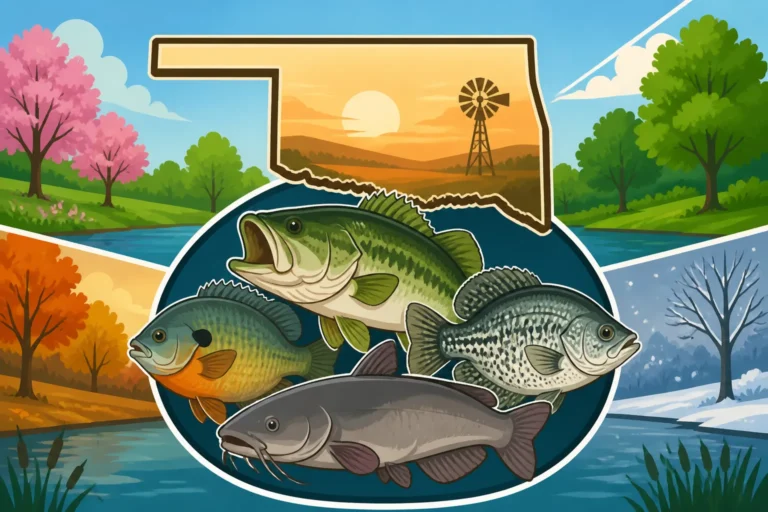
It's a question every crappie angler in Oklahoma asks, often after a day of catching a lot of "dinks" and hoping for something more substantial: just how big do crappie really get in our beautiful lakes? The frustration is real when you're pulling in a dozen fish, but none of them are quite big enough to make you brag. This guide is here to shed some light on the typical size range of crappie in Oklahoma, what factors influence their growth, and where you might have the best shot at landing a true slab.
Understanding Oklahoma's Crappie Species and Their Size Potential
Before we dive into the numbers, it’s important to remember that Oklahoma is home to both black and white crappie. While they often school together and share similar habits, there are subtle differences in their appearance, preferred habitats, and even their general size potential. Knowing these distinctions can give you a better idea of what to expect when you feel that tell-tale tug on your line.
Black Crappie vs. White Crappie: Subtle Differences Beyond the Dinner Plate
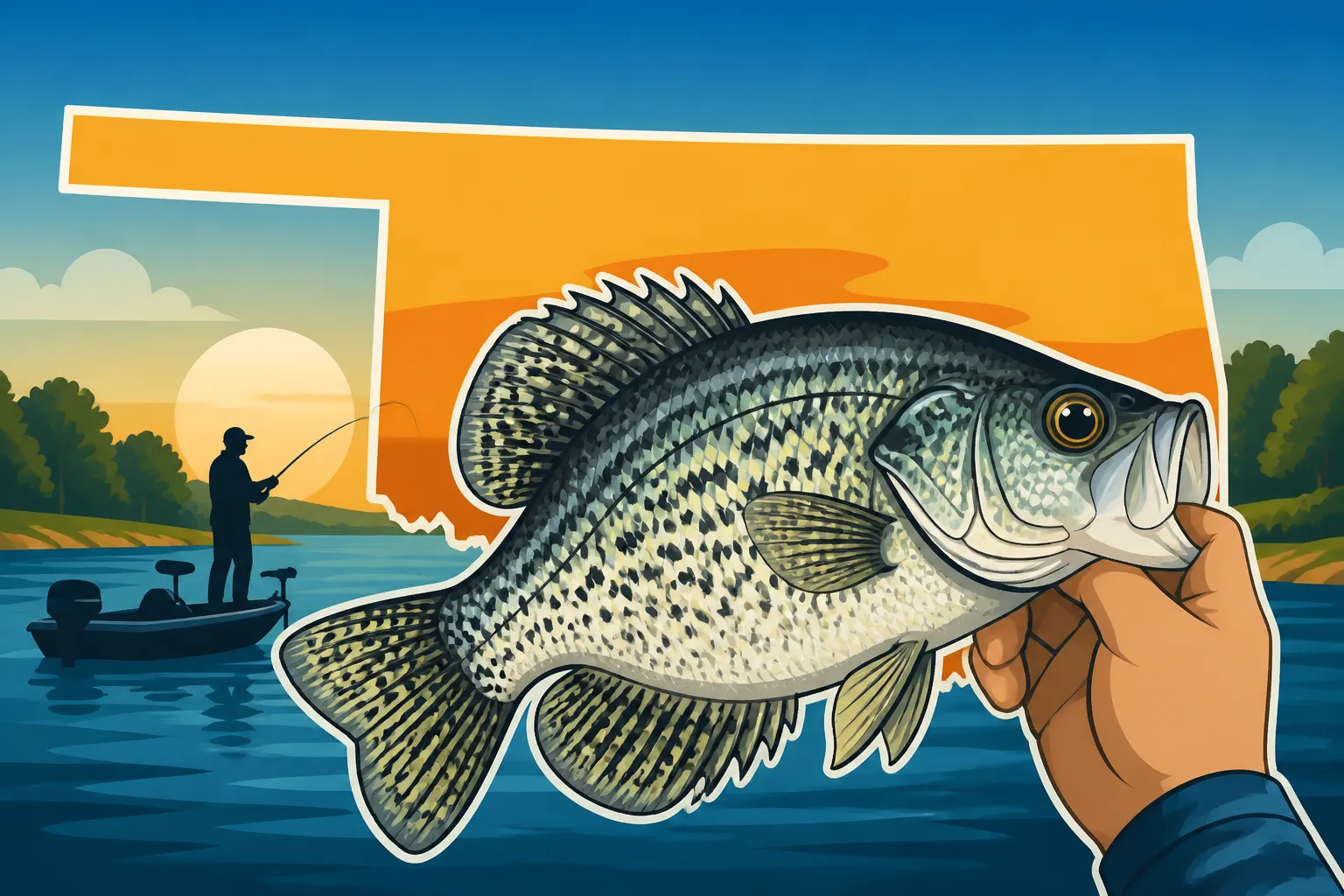
Black crappie, scientifically known as Pomoxis nigromaculatus, typically have a more speckled appearance with irregular dark blotches scattered across their silvery-green bodies. They usually have seven or eight dorsal spines. These fish tend to prefer clearer, cooler waters with abundant submerged vegetation, like brush piles or weed beds. They can be a bit more elusive in some of our larger, more turbid reservoirs, but they are definitely present and thrive in the right conditions.
White crappie (Pomoxis annularis), on the other hand, are generally a bit lighter in color, with more distinct vertical bars on their sides, though these can fade or intensify depending on the water conditions. They almost always have six dorsal spines, a key identifier. White crappie are often more tolerant of murkier, warmer waters and are more commonly found in large, open reservoirs and slower-moving rivers. Many Oklahoma lakes are brimming with white crappie, and they are often the species targeted by anglers.
In terms of size, both species have the potential for impressive growth, but many anglers report that white crappie often grow a little larger on average, or at least seem more common to find as larger specimens in Oklahoma's major impoundments. However, a big black crappie is a truly stunning catch!
What's "Average" for a Crappie in Oklahoma?
When we talk about an "average" crappie in Oklahoma, we're usually looking at fish in the 8 to 12-inch range. These are the crappie that make for a fantastic fish fry – not massive, but certainly respectable and delicious. You'll catch plenty of crappie smaller than 8 inches, often referred to as "short" fish, which are generally released to grow another day.
However, the potential is certainly there for much larger catches. Many experienced anglers regularly pull in crappie measuring 13 or 14 inches, and fish over 15 inches are considered exceptional. The state record for white crappie is over four pounds, and for black crappie, it's just under three pounds. While those are truly once-in-a-lifetime catches, they show the incredible potential of these fish in Oklahoma waters. It's a thrill to think that with the right technique and a bit of luck, you could be setting a new personal best, or maybe even getting close to those legendary sizes!
Factors Influencing Crappie Size in Oklahoma Lakes
Crappie don't just magically grow to certain sizes; a whole host of environmental and biological factors play a crucial role in determining how big they'll get. Understanding these can help you choose your fishing spots more strategically and appreciate the dynamics of our state's fisheries.
Habitat and Food Availability
One of the most significant drivers of crappie size is the quality of their habitat and the abundance of food. Crappie are opportunistic feeders, primarily preying on shad, small minnows, insects, and even smaller crappie.
In lakes with a thriving forage base – meaning plenty of baitfish like gizzard shad or threadfin shad – crappie have a consistent and rich food supply. This allows them to expend less energy searching for food and more energy on growth. Lakes with extensive submerged timber, brush piles, or other structure provide excellent ambush points for crappie to feed, as well as crucial shelter from predators. If a lake's ecosystem is out of balance, with too many crappie competing for limited food, the average size can suffer. This is why fisheries management often includes efforts to maintain a healthy predator-prey balance. When a lake is consistently producing good-sized crappie, it's usually a sign of a robust and healthy ecosystem underneath the surface. You can often find a wide variety of crappie lures and baits on platforms like Amazon that mimic their natural food sources.
Water Quality, Climate, and Genetics
The overall health of the water body, including its oxygen levels, temperature stability, and pollutant levels, directly impacts fish growth. Crappie generally prefer stable water conditions. Lakes that experience extreme fluctuations in water levels or temperature can stress fish, diverting energy from growth to survival. A relatively stable climate with consistent warm seasons, like much of Oklahoma experiences, allows crappie longer feeding and growth periods each year.
Genetics also plays a subtle, but important, role. Some crappie populations may simply have a genetic predisposition to grow larger and faster than others. While you can't pick your fish's parents, fisheries biologists do consider genetics when stocking or managing certain populations. A lake that has a history of producing larger crappie often has a combination of excellent habitat, abundant food, and a strong genetic lineage.
Fishing Pressure and Management
The pressure from anglers can also influence the average size of crappie in a given lake. In heavily fished waters, anglers might remove a large number of the faster-growing, larger crappie, leaving behind smaller, slower-growing individuals to reproduce. Over time, this can lead to a slight decrease in the average size of crappie caught in that particular lake.
However, the Oklahoma Department of Wildlife Conservation (ODWC) actively manages many of our fisheries to ensure sustainability and quality fishing opportunities. This includes implementing length and bag limits, which are designed to protect crappie populations and allow fish to reach larger sizes before they are harvested. For instance, Crappie Fishing Rules and Limits in Oklahoma often include minimum length requirements or reduced bag limits on certain lakes. These regulations are critical for fostering those bigger crappie. Without these rules, it would be much harder to find those "slab" crappie that make for memorable fishing trips. Before heading out, it's always a good idea to check out the Oklahoma Statewide Crappie Bag Limit and any specific regulations for your chosen lake.
Here's a quick comparison of our two crappie species:
| Feature | Black Crappie | White Crappie |
|---|---|---|
| Appearance | Irregular dark blotches, seven-eight dorsal spines | Fainter vertical bars, six dorsal spines |
| Preferred Habitat | Clearer, cooler water, dense vegetation | Murkier, warmer water, open reservoirs |
| Typical Size Range | 8-12 inches (average) | 8-14 inches (often slightly larger average) |
| Trophy Potential | Up to 15-16 inches+ | Up to 17-18 inches+ |
| Forage | Shad, minnows, insects | Shad, minnows, insects |
Targeting Trophy Crappie: Beyond the Average Catch
So, you've caught your fair share of 10-inchers, and now you're dreaming of a true "slab." It's an achievable goal in Oklahoma, but it often requires a bit more intentionality, knowledge, and sometimes, a little extra patience.
What Constitutes a "Trophy" Crappie in Oklahoma?
For most Oklahoma crappie anglers, a "trophy" crappie generally starts around 14 inches. A crappie measuring 15 inches or more is a truly outstanding catch, and anything pushing 16-18 inches is in a league of its own. In terms of weight, a crappie over 2 pounds is considered a significant achievement, with those approaching the state record in the 3 to 4-pound range being the stuff of legends.
Catching a trophy isn't just about luck; it's about understanding where these larger fish are likely to be found, what they're feeding on, and adjusting your techniques accordingly. These big fish didn't get big by being careless, so they often require more finesse or a willingness to explore less-pressured waters. Having a reliable fishing scale, which you can easily find on Amazon, is a great way to confirm the weight of your potential trophy.
Oklahoma Lakes Known for Bigger Crappie
While great crappie can be caught in almost any Oklahoma lake, some reservoirs consistently produce larger fish due to their size, habitat, and management.
One of the undeniable giants for crappie fishing in Oklahoma is Lake Eufaula. Known for its vast expanse and abundant timber, Eufaula offers countless locations where crappie can grow to impressive sizes. It’s not uncommon to hear tales of 15-inch crappie coming out of Eufaula's numerous creeks and coves.
Grand Lake O' the Cherokees is another top contender. Its diverse structure, from rocky banks to submerged brush piles, provides ideal habitat. Anglers regularly report excellent crappie catches, including many "slabs." The sheer size of Grand Lake means there are always new areas to explore for those bigger fish. If you're planning a trip there, you might want to read up on Grand Lake Crappie Size and Bag Limits to ensure you're fishing legally and responsibly.
Other lakes with strong reputations for producing larger crappie include Lake Texoma, especially in its various coves, and Fort Gibson Lake. Even lakes with specific regulations like the Tenkiller Lake's 10-Inch Crappie Minimum, Hudson Lake Crappie Limit Explained, and Arbuckle Lake Crappie Rules in Oklahoma are often designed to help crappie reach larger sizes by protecting younger fish. These lakes, despite their stricter rules, can be excellent places to target those larger, legal-sized crappie. Anglers often find that investing in specialized crappie gear, such as ultralight rods and sensitive lines, available on Amazon, can make a difference when targeting these larger, more finicky fish.
When you do manage to hook into one of these larger crappie, it’s a truly rewarding experience. The fight is more substantial, and the feeling of bringing a true Oklahoma slab to the boat is second to none. Just remember to handle them carefully if you plan to release them, or prepare for a fantastic meal if they're destined for the dinner table. A good filleting knife, also easily found on Amazon, will make quick work of even the biggest crappie.
Disclaimer
This article is for general informational purposes only and does not constitute professional advice. Laws, prices and regulations vary by location and change over time. Consult a qualified professional for guidance on your specific situation.