Rainbow Trout Fishing in Oklahoma
Many anglers, both seasoned and new, often picture Oklahoma fishing as a pursuit dominated by largemouth bass, crappie, or giant catfish. And while those species certainly hold a special place in our hearts, there's a vibrant, often overlooked fishery that offers a completely different, refreshing challenge: rainbow trout. If you've ever felt a tug on a light line and seen that flash of iridescent color, you know the excitement. This guide is here to unravel the secrets of rainbow trout fishing in Oklahoma, helping you discover these beautiful fish and the unique experiences they offer in the Sooner State.
Understanding Oklahoma's Trout Fishery
You might be surprised to learn that Oklahoma, a state not typically known for cold-water species, boasts a thriving trout fishery. This isn't just about native fish; it's a carefully managed program designed by the Oklahoma Department of Wildlife Conservation (ODWC) to provide diverse fishing opportunities. These efforts ensure that even in a generally warm climate, anglers can enjoy the thrill of pursuing rainbow trout.
Year-Round Trout Streams
Oklahoma is fortunate to have a couple of premier waterways that sustain rainbow trout populations throughout the year, thanks to consistent cold water flows. These unique ecosystems are gems for trout enthusiasts, offering a consistent challenge and a chance to experience trout fishing in a more traditional, riverine setting.
The Lower Mountain Fork River, winding through the picturesque Broken Bow area, is perhaps Oklahoma's most famous trout destination. Below the Broken Bow Lake dam, the water released from the deeper parts of the lake maintains a chilly temperature, perfect for trout. This stretch of river is regularly stocked, ensuring a healthy population for anglers. It's a truly beautiful place to fish, with clear water, rocky bottoms, and plenty of cover. Anglers often find themselves wading, casting into runs and pools, experiencing a much different pace than lake fishing. Similarly, the Illinois River, particularly below Tenkiller Ferry Lake, also benefits from cold-water releases, creating another fantastic year-round trout habitat. These areas require a specific approach, as the fish can be warier and the currents can be tricky. You'll want to bone up on your Fishing Regulations You Need to Know in Oklahoma before heading out, as these special areas often have unique rules, including tackle restrictions in some cases.
Seasonal Trout Stocking Programs
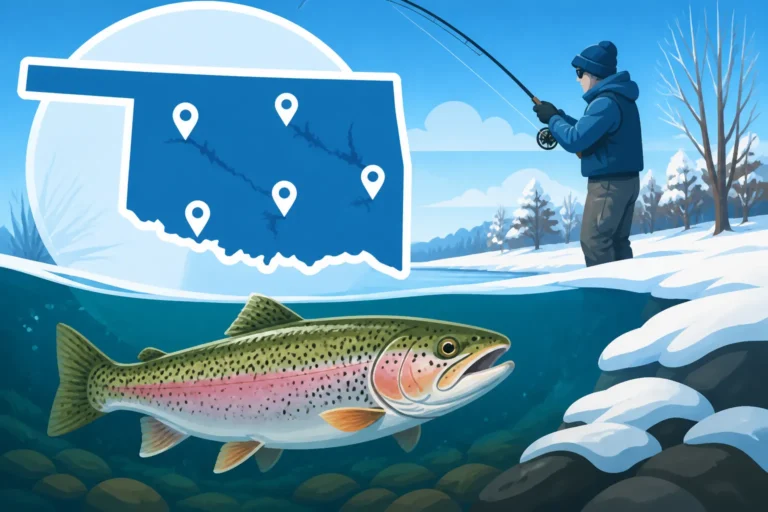
Beyond the year-round streams, the ODWC also runs an impressive seasonal trout stocking program, bringing trout fishing closer to home for many Oklahomans. From November through March, various lakes and ponds across the state are regularly stocked with catchable-sized rainbow trout. This program aims to provide easily accessible fishing, especially for families and beginners.
These "winter trout" lakes often include urban ponds like those in Oklahoma City and Tulsa, as well as smaller state park lakes such as Lake Watonga and Lake Carl Etling. The cool winter months are ideal because the water temperatures in these usually warmer bodies of water drop low enough for rainbow trout to survive and thrive for a few months. When the warmer spring temperatures arrive, typically around April, the stocking usually ceases until the following winter. These areas are fantastic for introducing kids to fishing or for a quick outing without traveling too far. Knowing Where to Catch Stocked Trout in Winter can save you a lot of time and lead you straight to the action. It's also a great way to enjoy the crisp air of an Oklahoma winter day while reeling in some vibrant fish.
Essential Gear for Oklahoma Rainbow Trout
When it comes to rainbow trout fishing, having the right gear can make all the difference. You don't necessarily need a boatload of expensive equipment, but choosing the right rod, reel, line, and bait tailored for these finicky fish will significantly improve your chances of success. Think light, sensitive, and subtle.
Rods and Reels: The Light Touch
For rainbow trout, finesse is the name of the game. An ultralight or light action spinning rod, typically in the 5 to 6.5-foot range, is ideal. This kind of rod allows for delicate presentations of small baits and lures, which is crucial when targeting cautious trout. The lighter action also makes even a modest-sized trout feel like a giant, adding to the excitement. Pair this with a small spinning reel (size 1000 or 2000) that can handle light line smoothly. You're not casting huge distances or fighting monster fish, so a compact, well-balanced setup is key.
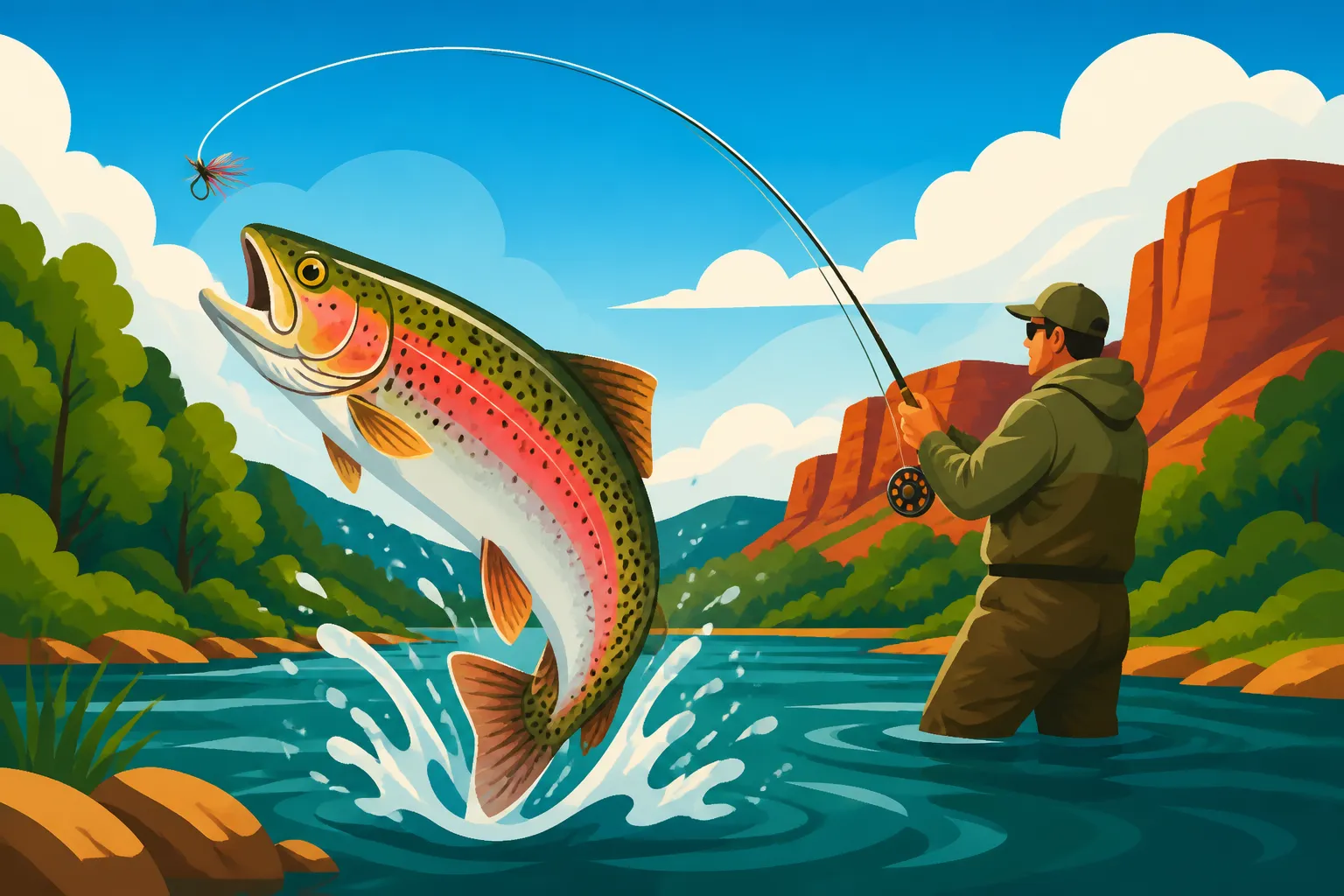
Fly fishing is another popular and incredibly effective method, especially on the year-round streams. A 3- or 4-weight fly rod, paired with a matching reel and floating fly line, is a classic trout setup. This allows for precise casting of small flies, mimicking the insects trout naturally feed on. Whether you're a spinning reel enthusiast or looking to try your hand at fly fishing, you can find a fantastic selection of appropriate Best Rods and Reels for Oklahoma Fishing on platforms like Amazon, often with helpful reviews from other trout anglers.
Line and Terminal Tackle
Light fishing line is paramount for trout. Monofilament or fluorocarbon lines in the 2 to 4-pound test range are perfect. Thinner line is less visible to trout and allows for more natural bait presentation. Fluorocarbon, in particular, has low visibility underwater, which can be a huge advantage in clear trout streams. When setting up your terminal tackle, keep it small. You'll want an assortment of small hooks, typically sizes 10 to 14, and some split shot weights to help your bait sink naturally without spooking the fish.
Using a small barrel swivel a foot or so above your hook can prevent line twist, especially when using spinning lures. A small, sensitive bobber can also be incredibly useful, especially in slower-moving water or ponds, to detect those subtle trout bites. Look for small, unpainted lead or tungsten weights if you're fishing particularly clear water, as these blend in better. Gathering a varied kit of these small essentials on Amazon can ensure you're prepared for whatever the trout waters throw at you.
Baits and Lures for Rainbow Trout
Rainbow trout have a diverse diet, and being prepared with a variety of baits and lures will increase your success. PowerBait, in various colors and forms (dough, nuggets), is a staple for stocked trout, often producing excellent results. Live baits like small worms, crickets, or even corn kernels can also be very effective, especially in ponds or slower river sections. These natural offerings appeal to the trout's foraging instincts.
For artificial lures, small inline spinners (like Panther Martins or Mepps), tiny spoons (such as Kastmasters or Little Cleos), and small jerkbaits are excellent choices. These lures mimic small baitfish or insects and their flash and vibration can trigger aggressive strikes. Fly anglers will want a selection of dry flies (for surface feeding), nymphs (for subsurface bugs), and streamers (for baitfish imitations). Having a good range of options, from a jar of PowerBait to a handful of shiny spinners, means you're ready for different conditions and fish preferences. Our guide on Best Bait for Rainbow Trout in Oklahoma goes into even more detail about what to use and when.
Effective Techniques for Catching Rainbow Trout
Catching rainbow trout isn't always about brute force; it's often a delicate dance of presentation, patience, and understanding their environment. The techniques you employ will vary slightly depending on whether you're casting into a flowing river or a tranquil pond, but some core principles remain consistent.
Reading the Water and Spot Selection
Before you even make your first cast, take a moment to "read the water." Trout are creatures of comfort and safety, constantly looking for food and shelter. In streams and rivers, look for areas with slower currents adjacent to faster flows, often referred to as "eddies" or "current seams." These spots offer a resting place for trout while food items are swept past. Undercut banks, submerged logs, large rocks, and deep pools also provide excellent cover and holding spots. Trout often hide behind these structures, ambushing unsuspecting prey.
In stocked ponds and lakes, trout tend to congregate around deeper sections, especially near any submerged structure or drop-offs. Pay attention to inflows from culverts or springs, as these can provide cooler, more oxygenated water. If you see other anglers having success in a particular area, observe their methods and try to understand why those spots are productive. Remember, rainbow trout are often stocked into these areas, so they might not behave exactly like wild trout. However, they still seek comfort and food sources.
Spin Fishing Techniques
Spin fishing for trout typically involves either bait fishing or casting small lures. When bait fishing, the goal is a natural presentation. If you're using PowerBait or corn in a pond, a simple bottom rig with a small weight and a short leader is often effective. Cast it out, let it sink, and wait. If using a bobber, set your depth so the bait is suspended just off the bottom or at a depth where you've seen activity. In moving water, a technique called "drift fishing" is excellent. Use just enough split shot to tick the bottom as your bait tumbles naturally downstream, mimicking a free-floating food item.
When using lures, cast upstream and retrieve at a speed that allows the spinner or spoon to wobble naturally as it drifts downstream past potential holding spots. Experiment with retrieve speeds and pauses. Sometimes a sudden twitch or a momentary stop is what triggers a strike. Remember, trout often follow a lure before committing, so be ready for a strike even if you don't feel it immediately. Best Fishing Techniques for Beginners can help you get started with these fundamental approaches before you even hit the water.
Fly Fishing Basics
Fly fishing for trout is an art form that offers immense satisfaction. It's all about presenting an artificial fly that imitates the aquatic insects and baitfish trout feed on. The basic idea is to cast your fly with a specialized fly rod and line, allowing it to drift naturally with the current, just like a real insect.
For beginners, starting with nymphing or dry fly fishing can be rewarding. Nymphs imitate immature insects underwater, and are often fished with a small indicator (a tiny bobber) to detect subtle bites. Dry flies, which float on the surface, are used when trout are actively feeding on airborne insects. Accurate casting and a "drag-free drift" (where your line doesn't pull the fly unnaturally) are key to fooling wary trout. While it takes practice, the reward of catching a trout on a fly you've skillfully presented is unmatched. You don't need to be an expert to enjoy it; even basic techniques can be effective on Oklahoma's stocked waters.
Regulations and Conservation
Before you even think about casting a line for rainbow trout in Oklahoma, it's absolutely crucial to understand and adhere to the state's fishing regulations. These rules are in place not only to ensure fair chase but, more importantly, to conserve our precious fisheries for future generations. Ignoring them can lead to hefty fines and a spoiled fishing trip.
Licensing Requirements
The very first thing you'll need is a valid Oklahoma fishing license. This isn't just a suggestion; it's a legal requirement for most anglers. There are various types of licenses available, from annual resident licenses to short-term nonresident options, and even special senior or disability licenses. Make sure your license is current and appropriate for your residency status. You can usually purchase these online, at sporting goods stores, or from authorized license vendors across the state. It’s also wise to keep a digital or physical copy of your license with you while fishing. For a complete rundown, check out Oklahoma Fishing License Requirements in Oklahoma and Oklahoma Fishing License Costs and Types.
During Oklahoma's Free Fishing Days, usually in June, the license requirement is waived for all residents and nonresidents. However, all other fishing regulations, including bag and size limits, still apply. It's a fantastic opportunity to introduce someone new to fishing without the upfront cost of a license.
Bag and Size Limits
Oklahoma has specific bag and size limits for rainbow trout, and these can vary depending on the specific water body you're fishing. Generally, the statewide daily bag limit for trout is six fish, with no minimum size limit, but some designated trout areas have special regulations. For example, some sections of the Lower Mountain Fork River are managed as "catch and release only" or have specific slot limits where only fish outside a certain size range can be kept. Other areas might have lower daily limits or different size restrictions to promote trophy fishing or protect specific year classes of fish.
It's vital to check the current Oklahoma Fishing Guide, published annually by the ODWC, before each trip. This guide will provide the most up-to-date information for all water bodies, including any special regulations for designated trout areas. Failure to comply with these limits can result in significant penalties, so it's always better to be informed. Always keep a measuring device handy, and if you're unsure about a fish's size or whether it falls within the legal limit, it's best to release it.
Conservation Practices
Beyond just following the rules, practicing good conservation habits is essential for maintaining healthy trout populations. If you plan to release fish, handle them with care. Wet your hands before touching the fish to protect its slime coat, which is vital for its health. Use barbless hooks or pinch down the barbs on your hooks to make releases quicker and less damaging. Try to unhook the fish while it's still in the water, minimizing its time out of its natural element.
Consider the impact of your presence. Pack out all your trash, including discarded fishing line, which can be harmful to wildlife. Respect private property and be mindful of other anglers. Trout fishing, especially in the beautiful river environments, is about more than just catching fish; it's about enjoying nature responsibly and ensuring these resources are available for everyone, for generations to come. Rainbow Trout vs Brown Trout: How to Tell Them Apart can also help you identify different trout species and apply appropriate regulations if you encounter a different type of trout.
Tips for a Successful and Enjoyable Trout Fishing Trip
A successful trout fishing trip isn't just measured by the number of fish you catch; it's also about the experience, the tranquility of nature, and the memories you make. Here are some seasoned tips to enhance your time on Oklahoma's trout waters.
Timing Your Trip
Trout are cold-water fish, and their activity levels are heavily influenced by water temperature. In Oklahoma's year-round trout streams, early mornings and late evenings are often the most productive, especially during warmer months. The lower light conditions and cooler air temperatures bring trout out to feed. During the winter trout stocking season, however, midday can be excellent as water temperatures might warm slightly, making the fish more active and comfortable.
Always pay attention to recent weather patterns. A sudden cold front can make fish lethargic, while a period of stable, mild weather can get them actively feeding. Checking water levels and clarity, especially on rivers, can also be helpful. Extremely high or muddy water can make fishing tough. Best Time of Year to Catch Trout After Stocking will give you even more insights into seasonal patterns.
Stealth and Patience
Rainbow trout, especially those that have been in the wild for a while, can be incredibly wary. Loud noises, heavy footsteps along the bank, or casting a long shadow over the water can send them scattering. Approach your chosen fishing spot quietly and cautiously. If wading, move slowly and deliberately. Wear natural, muted colors that blend with your surroundings rather than bright, contrasting attire.
Patience is a virtue in trout fishing. Don't expect a bite on every cast. Take your time to observe the water, watch for rises or subtle movements, and vary your presentation until you find what works. Sometimes, letting your bait or lure sit a little longer, or making a slightly different retrieve, is all it takes to entice a strike. The peacefulness of trout fishing is part of its charm, so embrace the quiet moments between bites.
Gear Maintenance and Preparedness
Even with the right gear, regular maintenance can prolong its life and prevent frustrating mishaps on the water. Rinse your rod and reel with fresh water after each outing, especially if fishing in murky or sandy conditions. Check your line for nicks and abrasions regularly, and replace it if necessary. Sharp hooks are paramount; carry a small hook sharpener and use it often. A dull hook can mean the difference between landing a fish and a missed opportunity.
Beyond your fishing equipment, be prepared for the elements. Dress in layers, as temperatures can change throughout the day. Bring a hat, polarized sunglasses (which help spot fish and structure underwater), sunscreen, and plenty of water. A small first-aid kit is always a good idea. Having a small tackle box or bag that you can comfortably carry is also a plus, so you're not constantly rummaging for gear. Being well-prepared allows you to focus on the fishing rather than being distracted by discomfort or missing equipment.
Comparing Oklahoma's Trout Fishing Opportunities
To help you visualize the different experiences Oklahoma offers for trout fishing, here's a quick comparison of the two main types of trout waters:
| Feature | Year-Round Trout Streams (e.g., Lower Mountain Fork) | Seasonal Stocking Program (e.g., Lake Watonga) |
|---|---|---|
| Primary Goal | Wild-like experience, consistent challenge | Accessible fun, high catch rates, family-friendly |
| Typical Season | All year | November – March (cooler months) |
| Water Type | Cold-water river/stream | Lake, pond, or small reservoir |
| Fish Behavior | More wary, natural foraging | Less wary, recently stocked |
| Common Techniques | Fly fishing, drift fishing, small lures | Bait fishing (PowerBait, corn), small spinners |
| Gear Focus | Finesse, often fly fishing specific | Ultralight spinning, versatile bait/lure selection |
| Atmosphere | Scenic, quiet, requires wading or bank access | Can be busier, easy bank access |
| Regulations | Often special regulations, check guide | General statewide limits (unless noted) |
| Suitable For | Experienced anglers, those seeking a challenge | Beginners, families, casual anglers |
No matter which type of trout fishing you choose, remember that the most successful anglers are often those who enjoy the process, learn from each outing, and respect the resource.
Disclaimer
This article is for general informational purposes only and does not constitute professional advice. Laws, prices and regulations vary by location and change over time. Consult a qualified professional for guidance on your specific situation.