Is White Crappie Good to Eat?
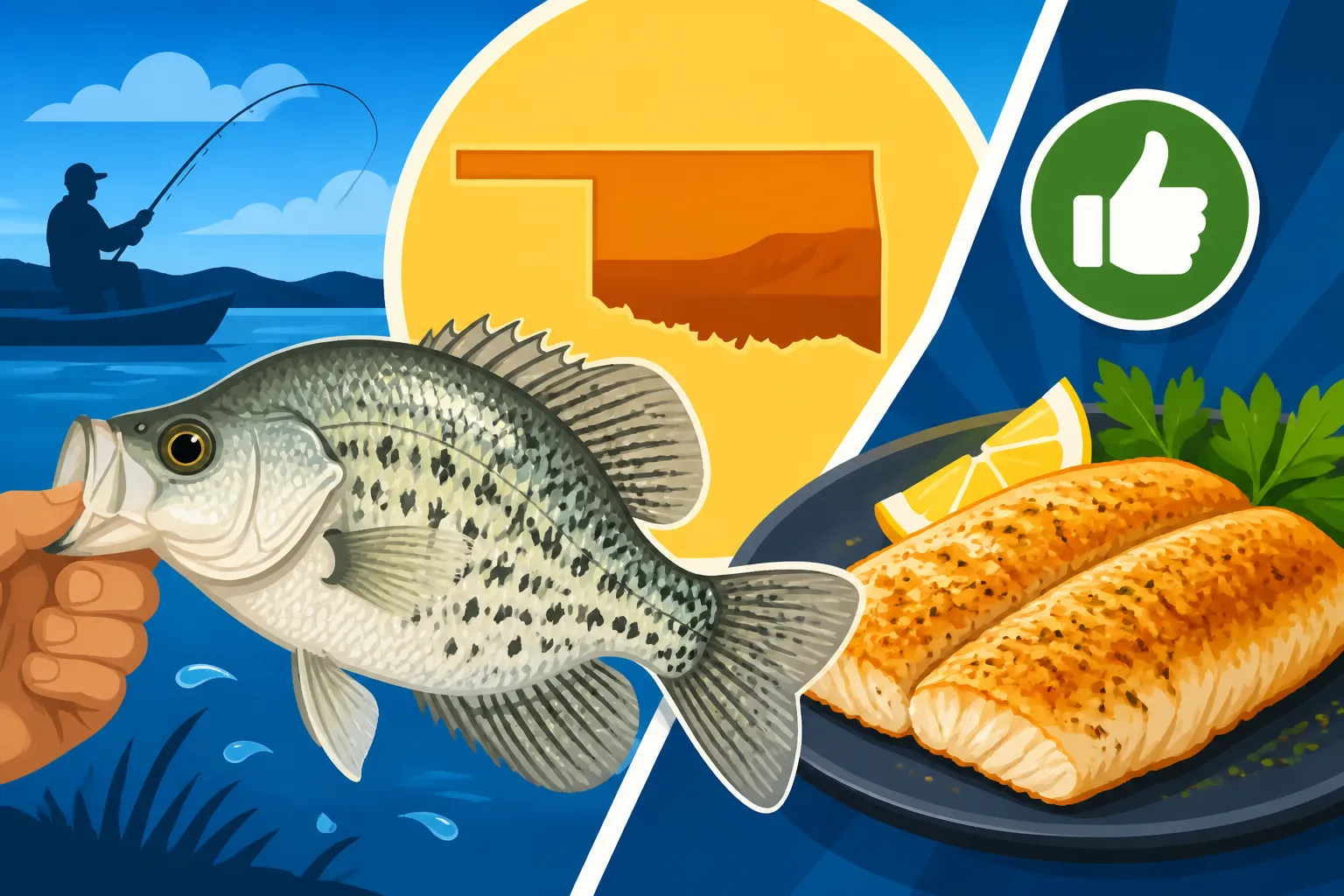
There's a question that echoes across Oklahoma's lakes and rivers when anglers pull in a stringer full of panfish: Is white crappie actually good to eat? Maybe you've heard some folks rave about them, while others turn up their nose, leaving you wondering if it's worth the effort of cleaning. This guide is here to settle that debate and walk you through everything you need to know about enjoying your white crappie catch, from its delicate flavor to the best ways to prepare it for a delicious meal.
The Distinctive Flavor and Texture of White Crappie
When it comes to fish, taste is often subjective, but white crappie generally earns high marks for its mild, sweet flavor and flaky texture. Unlike some stronger-tasting freshwater fish, crappie tends to have a delicate profile that appeals to a wide range of palates, even those who might be hesitant about eating fish. It's often compared favorably to other popular panfish like bluegill or even some saltwater white fish, making it a true delight fresh from the water.
The mildness of white crappie's flavor means it's incredibly versatile in the kitchen. It doesn't have an overpowering "fishy" taste, which can be a huge bonus for families or friends who prefer milder seafood options. This subtle sweetness allows the fish to absorb the flavors of seasonings, marinades, and breadings beautifully, giving you a lot of room to experiment with different culinary styles.
Texture-wise, crappie flesh is celebrated for being tender and flaky. Once cooked, it separates easily with a fork, providing a pleasant mouthfeel. This flaky texture holds up well to various cooking methods, from the classic deep-fry to gentler baking or broiling. The key is not to overcook it, as with most delicate fish, to preserve that moist, tender consistency that makes white crappie so enjoyable.
It's worth noting that the flavor and texture can be influenced by a few factors, including the water quality where the crappie was caught and its diet. Crappie from clean, clear waters and those with abundant natural food sources often taste the best. Similarly, smaller, younger crappie tend to be a bit more delicate and tender than very large, older specimens, though even the big ones are still delicious.
Preparing White Crappie for the Table
Getting your white crappie from the hook to the plate requires a little bit of preparation, but it's a straightforward process that pays off handsomely. Proper cleaning and filleting are crucial for maximizing flavor and ensuring a pleasant dining experience. Don't let the idea of cleaning fish intimidate you; with a sharp knife and a bit of practice, you'll be filleting like a pro in no time.
Cleaning and Filleting Your Catch
The first step after a successful day of fishing is to clean your crappie. Ideally, you want to do this as soon as possible after catching them, keeping them on ice in the interim to maintain freshness. Begin by removing the scales, which can be done with a scaling tool or even the back of a knife. A good, sharp filleting knife is your best friend here. Many anglers swear by particular brands of filleting knives that can be easily found on Amazon, noting how a flexible blade makes all the difference when separating meat from bone.
Once scaled, you have a couple of options: you can gut the fish and cook it whole, or you can fillet it. For most white crappie, especially if they are of decent size (think over 10 inches), filleting is the preferred method for many, as it removes all bones, leaving you with pure, delicious meat. To fillet, make a cut behind the gill plate down to the backbone, then turn the knife flat and run it along the backbone towards the tail, carefully separating the fillet. Repeat on the other side. You'll then want to remove the rib bones from the fillet and potentially skin it, depending on your preference. Practicing this technique helps immensely, and there are many online resources showing step-by-step visuals.
Popular Cooking Methods
White crappie shines in a variety of cooking methods, but some are undoubtedly more popular than others, especially in Oklahoma where a good old-fashioned fish fry is practically a rite of passage. The mild flavor and flaky texture make it incredibly adaptable.
Pan-Frying: This is arguably the most beloved method for cooking crappie. A simple dredge in seasoned cornmeal or a flour-based breading, followed by a quick pan-fry in hot oil, yields crispy, golden-brown fillets with moist, tender meat inside. The key here is to get your oil hot enough (around 350-375°F) to achieve a quick sear and crisp exterior without overcooking the delicate fish. Many anglers use a cast-iron skillet for the perfect crust. You can find a huge selection of fry batters and breadings, from seasoned cornmeal mixes to more elaborate blends, easily available on Amazon if you're looking for something new to try.
Baking/Broiling: For a healthier, lighter option, baking or broiling white crappie fillets is excellent. Simply season your fillets with salt, pepper, lemon, and your favorite herbs (dill, parsley, and garlic powder work wonderfully), then bake them at around 375°F or broil until they're opaque and flake easily with a fork. This method really highlights the natural sweetness of the fish without adding extra fat. A quick drizzle of olive oil or a pat of butter before baking helps keep the fish moist.
Grilling: While less common for smaller crappie fillets, larger ones can be grilled. You might want to use a fish basket or foil packet to prevent the delicate fillets from sticking to the grates or falling apart. Marinating them briefly beforehand can also add a burst of flavor. Grilled crappie offers a lovely smoky char that complements its mild taste. This method is particularly popular during warmer months when families are spending time outdoors.
Other Methods: Crappie can also be used in tacos, fish sandwiches, or even turned into fish cakes. Some people enjoy smoking crappie, especially larger fillets, for a different flavor profile. No matter the method, remember that crappie cooks quickly, so keep a close eye on it to avoid drying it out. The goal is always tender, flaky perfection.
Nutritional Benefits of White Crappie
Beyond its delightful taste, white crappie offers a healthy addition to your diet. It’s a lean source of protein and provides essential nutrients that are beneficial for overall health. As more people become conscious of what they eat, knowing the nutritional value of your catch can make it even more satisfying.
White crappie is an excellent source of lean protein, which is vital for muscle repair, growth, and overall bodily function. Protein-rich meals also help you feel full and satisfied, which can be helpful for weight management. For those looking to cut down on red meat or seeking alternative protein sources, crappie is a fantastic option straight from the lake.
Like many fish, crappie contains beneficial Omega-3 fatty acids, though perhaps not in the same high concentrations as fattier fish like salmon. These Omega-3s are well-known for their heart-healthy benefits, including reducing inflammation and supporting brain function. While crappie is a leaner fish, it still contributes to your intake of these important fats.
Crappie also provides a range of essential vitamins and minerals. You'll find B vitamins, particularly B12, which is important for nerve function and red blood cell production. It also contains minerals like phosphorus and selenium, which play roles in bone health and antioxidant defense, respectively. Adding fish like crappie to your regular diet can help ensure you're getting a broad spectrum of nutrients. For details on how many crappie you can keep, check out Oklahoma Statewide Crappie Bag Limit.
Here’s a quick look at the nutritional profile of a typical serving of white crappie (values are approximate and can vary):
| Nutrient | Approximate Value (per 3 oz cooked) |
|---|---|
| Calories | 90-100 |
| Protein | 18-20g |
| Total Fat | 1-2g |
| Saturated Fat | 0.3g |
| Cholesterol | 50-60mg |
| Sodium | 40-50mg |
| Omega-3 Fatty Acids | Present |
| Vitamin B12 | Excellent Source |
| Selenium | Good Source |
| Phosphorus | Good Source |
It's a really great, healthy option, especially if you're mindful of your cooking methods. Baking or broiling will keep the calorie and fat content lower than deep-frying, though a good, occasional fish fry is certainly a treat worth enjoying! You might also be interested in how crappie compares to other panfish; take a look at Black Crappie vs White Crappie: How to Tell Them Apart.
Ensuring Quality and Safety When Eating White Crappie
While white crappie is generally delicious and healthy, ensuring its quality and safety from the moment it leaves the water until it reaches your plate is paramount. Proper handling, storage, and awareness of local conditions are key to a safe and enjoyable dining experience. Anglers need to be diligent about their catch.
Handling and Storage Tips for Freshness
The moment a crappie is caught, its quality for eating begins to degrade. To preserve that fresh, mild flavor and firm texture, get your catch on ice immediately. A cooler filled with ice is not just a convenience; it's a necessity for any successful fishing trip. The colder you keep the fish, the slower the spoilage process. Make sure the fish are submerged in ice or at least well-covered to keep them chilled.
Once you get home, clean and fillet your crappie as soon as possible. As mentioned earlier, prompt cleaning prevents off-flavors from developing. After filleting, pat the fillets dry and either cook them immediately or store them properly. For short-term storage (1-2 days), place the fillets in an airtight container or zip-top bag with a little ice in the refrigerator. For longer storage, freezing is the way to go. Flash-freezing individual fillets on a tray before vacuum-sealing or wrapping them tightly in freezer paper helps prevent freezer burn and preserves quality for several months. Always label with the date! Many anglers rely on portable coolers and other fishing accessories that can be easily sourced from Amazon to ensure their catch stays fresh until cleaning.
Understanding Water Quality and Consumption Advisories
While crappie are delicious, it's always smart to be aware of the water bodies you're fishing in. Most lakes and rivers in Oklahoma are safe for fishing and consuming your catch, but occasionally, specific bodies of water might have consumption advisories due to environmental factors like mercury levels or other contaminants. These advisories are typically issued by state health departments or environmental agencies and provide guidance on how much of certain fish species can be safely consumed from specific locations.
Always check with the Oklahoma Department of Wildlife Conservation or the Oklahoma Department of Environmental Quality for any current advisories in the areas you plan to fish. These resources are designed to protect public health and provide valuable information, especially if you plan on eating fish frequently from the same spot. It’s important to remember that such advisories are usually location and species-specific and don't mean that crappie from all Oklahoma waters are unsafe. Most of the time, Oklahoma's crappie from its vast network of clean lakes and rivers are perfectly safe and wonderful to eat. This due diligence ensures your family's safety and peace of mind. For tips on where to find the best fishing spots, check out Best Crappie Lakes in Oklahoma.
The Verdict: A Delicious and Versatile Catch
So, is white crappie good to eat? The answer is a resounding yes! Its mild, sweet flavor and tender, flaky texture make it a favorite among anglers and home cooks alike. From a classic Oklahoma fish fry to a light baked dish, crappie offers a versatile and healthy option that’s sure to please. Just remember to handle your catch with care, clean it promptly, and cook it to perfection.
Whether you're targeting crappie during their spring spawn or finding them in deeper waters during the fall, knowing how to prepare and enjoy them adds another layer of satisfaction to your fishing adventures. Don't hesitate to experiment with different seasonings and cooking methods to find your personal favorite. With a little effort, your next stringer of white crappie will become a truly memorable meal. If you're looking for tips on when and how to catch them, exploring topics like Best Time of Year to Catch Crappie in Spring and Fall or How to Catch Crappie at Night Under Lights can help. And for those curious about specific fishing techniques, you might find How to Rig a Minnow for Crappie Fishing and Best Crappie Jig Colors for Clear Water insightful. Remember to always be aware of the rules, too, such as those found in How Many Crappie You Can Keep in Oklahoma.
Disclaimer
This article is for general informational purposes only and does not constitute professional advice. Laws, prices and regulations vary by location and change over time. Consult a qualified professional for guidance on your specific situation.