Which Oklahoma Lake Has the Best Paddlefish Snagging
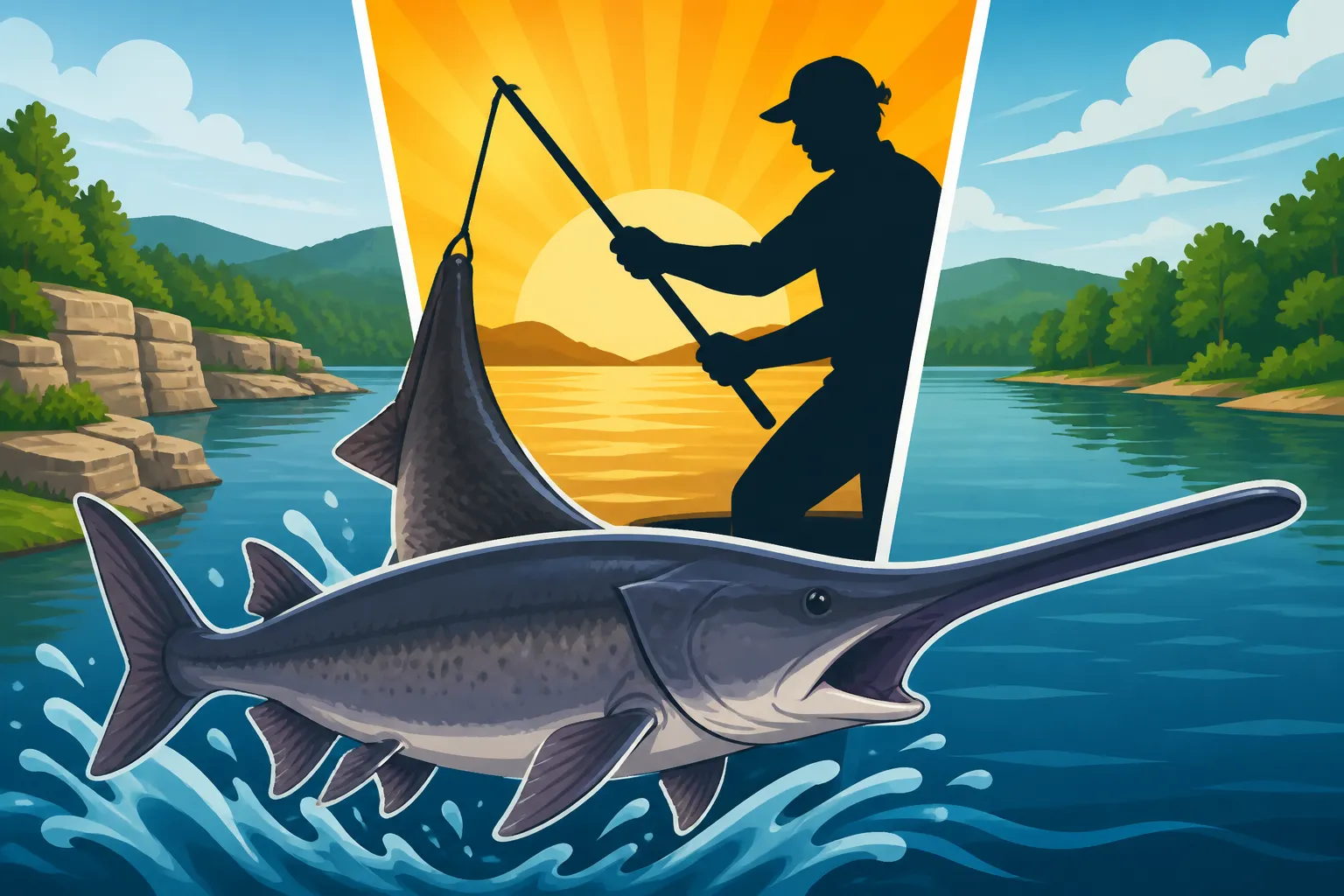
If you've ever felt that heart-thumping, arm-burning thrill of hooking into something truly enormous, you probably understand the allure of paddlefish snagging. It's a unique challenge, and for many anglers, the question isn't just how to do it, but where in Oklahoma you're most likely to connect with one of these prehistoric giants. Let me tell you, when it comes to consistently excellent paddlefish snagging, one lake stands head and shoulders above the rest: Grand Lake O' the Cherokees. This comprehensive guide will explain why Grand Lake is your best bet and how to make the most of your snagging adventure.
Why Grand Lake O' the Cherokees Stands Out for Paddlefish Snagging
Grand Lake O' the Cherokees, often simply called Grand Lake, isn't just another body of water in Oklahoma; it's a true paddlefish paradise. Its reputation is well-earned, built on decades of successful snagging trips and consistent encounters with truly massive fish. When you talk to seasoned snaggers, whether they're old-timers who've seen it all or newer enthusiasts, Grand Lake is almost always mentioned first.
The Lake's Ecosystem and Paddlefish Population
The sheer size and unique hydrology of Grand Lake are key factors in its paddlefish dominance. This vast reservoir, formed by the Pensacola Dam on the Neosho River, provides an ideal habitat. Paddlefish are filter feeders, meaning they swim with their mouths open, sifting plankton from the water. A large, nutrient-rich lake with good current is exactly what they need to thrive, and Grand Lake delivers on all counts. The lake's expansive open water provides plenty of room for these large, migratory fish to roam, and the constant flow from the rivers that feed it ensures a steady supply of plankton.
What's more, the Oklahoma Department of Wildlife Conservation (ODWC) has invested heavily in managing and enhancing Grand Lake's paddlefish fishery. Through diligent stocking programs and careful regulation, they've worked to ensure a healthy and sustainable population. This isn't a fishery that just happened; it's one that has been carefully cultivated and protected, resulting in a robust population of paddlefish, many of which grow to impressive sizes. You're not just hoping for a stray fish; you're fishing in a system designed to support a thriving population.
Accessibility and Angler Amenities Around Grand Lake
Another reason Grand Lake shines is its excellent infrastructure for anglers. You won't struggle to find a place to launch your boat, get supplies, or even hire a guide. The lake is ringed with numerous public and private boat ramps, many of which are specifically geared towards larger boats needed for snagging expeditions. Towns like Grove, Miami, and Ketchum offer a full range of services.
Need to stock up on heavy line, large treble hooks, or other specialized snagging gear? You'll find plenty of local tackle shops that cater to paddlefish anglers, often staffed by folks who know the lake like the back of their hand. If you prefer the convenience of online shopping, you can even order specific heavy-duty gear from retailers like Amazon and have it delivered directly to your lodging before your trip. Beyond that, there are plenty of lodging options, from cozy cabins to full-service marinas, making it easy to plan a multi-day trip. This accessibility means less time worrying about logistics and more time focused on the water. Best Boat Ramps on Grand Lake, Oklahoma
Understanding Paddlefish Snagging Season and Rules at Grand Lake
Paddlefish snagging isn't a year-round free-for-all; it's a seasonal pursuit with specific regulations designed to protect the species and ensure its longevity. Knowing when to go and what the rules are is just as important as knowing where to go. Ignorance of the law is never an excuse, and game wardens are active on Grand Lake, especially during peak season.
Key Seasons and Best Timing for Snagging
The prime time for paddlefish snagging on Grand Lake, and indeed across much of Oklahoma, is typically during the spring spawning run. As water temperatures begin to rise, usually from late February through April, paddlefish migrate upstream into the rivers that feed the lake, like the Neosho and Spring Rivers, in preparation for spawning. This concentration of fish in predictable areas makes them more susceptible to snagging. However, the exact timing can vary slightly from year to year depending on water levels, flow rates, and temperature fluctuations. A warm, wet spring can kick off the run earlier, while a cold snap can delay it.
While spring is the undisputed king of snagging season, some anglers do find success in late fall or even mild winter periods, especially after significant cold fronts or heavy rainfall events that can cause fish to move. However, these periods are generally less consistent than the spring run. It's always a good idea to check local fishing reports and current ODWC advisories before heading out, as conditions can change rapidly. For a detailed overview, you can check out Paddlefish Snagging Season in Oklahoma.
Essential Regulations and Limits at Grand Lake
Oklahoma has specific regulations for paddlefish, which are distinct from those for other game fish. For instance, anglers are typically allowed one paddlefish per day, and a total of two per season. There's also usually a slot limit, which means you can keep fish below a certain size and above another, with a protected slot in between. This helps protect the breeding-size fish crucial for the population's future. For example, a common regulation might allow retention of paddlefish less than 30 inches eye-to-fork-of-tail, and one over 45 inches eye-to-fork-of-tail, but prohibiting those in between. Always double-check the current ODWC fishing regulations pamphlet for the most up-to-date and specific rules for Grand Lake, as these can be adjusted.
Furthermore, there's usually a permit requirement. Beyond your standard Oklahoma fishing license, you'll likely need a free "Paddlefish Permit," which helps the state track angler effort and harvest. This permit often includes tags that must be immediately attached to any kept fish. You are also usually required to cut the fish immediately. Adhering to these rules is paramount, not just to avoid penalties but to contribute to the conservation efforts that make Grand Lake such a fantastic paddlefish destination. Fishing License Requirements in Oklahoma
Gear and Techniques for Successful Snagging at Grand Lake
Paddlefish snagging is not your typical finesse fishing. It's a full-contact sport that requires specialized, heavy-duty gear and a very particular technique. Trying to snag a hundred-pound paddlefish with a bass rod is not only ineffective but potentially dangerous for both you and your equipment.
Heavy Duty Rods and Reels
When it comes to paddlefish, "heavy duty" isn't an exaggeration. You'll need a stout, fast-action rod, typically 7 to 9 feet long, with a heavy power rating. Think surf fishing rods or musky rods – something designed to absorb immense pressure and cast heavy weights repeatedly. The reel needs to match this power. A large, robust spinning reel or a heavy baitcasting reel with a strong drag system is essential. It's not uncommon to spool these reels with 80 to 100-pound test braided line. This isn't overkill; it's a necessity when you're trying to haul in a fish that can easily weigh as much as a small person. A cheap reel will lock up, strip gears, or simply crumble under the strain. Investing in quality gear, perhaps from a reputable brand you can find on Amazon, will save you a lot of heartache (and possibly a broken rod tip!). What Gear Do You Need for Paddlefish Snagging
Treble Hooks and Weight Considerations
The business end of your paddlefish snagging rig consists of one or more large, stout treble hooks and heavy weights. Treble hooks are crucial because you're not enticing the fish to bite; you're actively trying to "snag" it as it swims past. These hooks need to be strong enough not to straighten out under the immense pressure of a big paddlefish's fight. Sizes often range from 8/0 to 12/0 or even larger.
Weights are equally critical. You'll typically use 8 to 16 ounces, sometimes even more, depending on the current and depth. The goal is to get your hooks down to where the paddlefish are congregating, often near the bottom in river channels. Your technique involves casting this heavy rig upstream, letting it sink, and then performing a series of aggressive "sweeps" with your rod, pulling the hooks through the water column, hoping to connect with a paddlefish. The weight helps keep your hooks near the bottom where the fish are usually found. Learning to feel the difference between the bottom, debris, and a fish takes practice. Best Treble Hook Size for Paddlefish Snagging
Common Snagging Techniques
There are a few variations on the snagging technique, but the core principle remains the same: sweep and reel. Typically, you'll cast your heavy rig upstream and across the current from your boat. Once it sinks, you'll let it drift downstream a bit, then pull your rod forward in a powerful sweep, simultaneously reeling in slack as you return the rod to its starting position. This motion drags the hooks through the water. It's a repetitive process that can be quite physically demanding, especially when the fish are concentrated.
Successful snaggers often target specific areas where paddlefish are known to congregate during their runs, such as deeper channels, eddies, or below rapids in the rivers feeding into Grand Lake. Using a good fish finder can sometimes help you identify areas with dense schools, though paddlefish are often so deep and spread out that it's more about knowing the historical hotspots and understanding the fish's migratory patterns. Paddlefish Snagging Gear Basics for Oklahoma's Grand Lake
Alternative Paddlefish Snagging Spots in Oklahoma
While Grand Lake is undeniably the reigning champion for paddlefish snagging, it's not the only place in Oklahoma where you can pursue these amazing fish. Sometimes, for a different experience or simply due to geographical convenience, other lakes might enter the conversation. However, it's important to set realistic expectations.
Other Productive Lakes and Rivers
Beyond Grand Lake, other large reservoirs in eastern Oklahoma, particularly those on major river systems, can hold paddlefish populations. Lake Hudson, just downstream from Grand Lake on the Grand River system, is another notable paddlefish destination. It benefits from the same river flow and, at times, can offer good snagging opportunities, especially for those who prefer a slightly smaller body of water or are looking for less crowded conditions. Keystone Lake, further west on the Arkansas River system, also has a paddlefish population and experiences seasonal runs, although it's often considered a secondary option compared to Grand Lake. The Red River, particularly near Lake Texoma, also sees paddlefish migrations, though snagging regulations and accessibility can differ.
These alternative locations can certainly yield paddlefish, and some anglers find personal success there. However, it's generally accepted that Grand Lake provides the most consistent action and the highest probability of encountering trophy-sized fish. The population density and overall health of the paddlefish fishery at Grand Lake are simply hard to beat elsewhere in the state.
Here's a quick comparison of some popular paddlefish snagging destinations:
| Feature | Grand Lake O' the Cherokees | Lake Hudson | Keystone Lake |
|---|---|---|---|
| Typical Fish Size | Excellent potential for trophy-sized fish (50-100+ lbs) | Good potential for large fish (30-80 lbs) | Moderate potential for large fish (20-60 lbs) |
| Snagging Season | Primarily Spring Run (Feb-Apr), some Fall/Winter | Primarily Spring Run (Feb-Apr) | Primarily Spring Run (Mar-May) |
| Crowd Levels (Peak) | Can be very high, especially on weekends during the run | Moderate to high, less intense than Grand Lake | Moderate, generally less crowded than Grand/Hudson |
| Angler Amenities | Extensive (guides, marinas, tackle shops, lodging) | Good (marinas, tackle shops, limited lodging) | Moderate (some marinas, fewer dedicated tackle shops) |
| Primary River System | Neosho/Grand River | Grand River (downstream from Grand Lake) | Arkansas River |
| Overall Consistency | Highest consistency for numbers and size | Good consistency, often a strong alternative | Varies, can be good but less predictable |
When to Consider an Alternative
You might consider an alternative to Grand Lake for a few reasons. If you're located in central or western Oklahoma, lakes like Keystone might be significantly closer, making a day trip more feasible. If you're new to snagging and prefer a slightly less crowded environment to learn the ropes, or if Grand Lake is experiencing particularly high water or poor conditions, exploring Lake Hudson could be a good option. Sometimes, anglers simply want to experience a different body of water or explore what other parts of the state have to offer.
However, if your primary goal is to maximize your chances of connecting with a truly massive paddlefish and you're willing to navigate potentially busier waters, Grand Lake O' the Cherokees remains the undisputed champion. It's the destination where records are set and where the paddlefish fishery is arguably at its most vibrant and accessible for snaggers. For any serious paddlefish enthusiast, Grand Lake should always be at the top of the list.
Disclaimer
This article is for general informational purposes only and does not constitute professional advice. Laws, prices and regulations vary by location and change over time. Consult a qualified professional for guidance on your specific situation.