How Big Do Paddlefish Get in Oklahoma
One of the most thrilling questions for any angler looking to cast a line in Oklahoma, especially those with an eye on truly unique species, is just how big some of our native fish can get. When it comes to sheer size and prehistoric mystique, the paddlefish stands in a league of its own. If you've ever wondered about the monumental dimensions these "spoonbills" can reach in our waters, you're in the right place. This guide will dive deep into the impressive growth of Oklahoma's paddlefish, from average catches to state records, giving you a realistic picture of what to expect and what makes these giants so special.
Understanding Oklahoma's Paddlefish Population
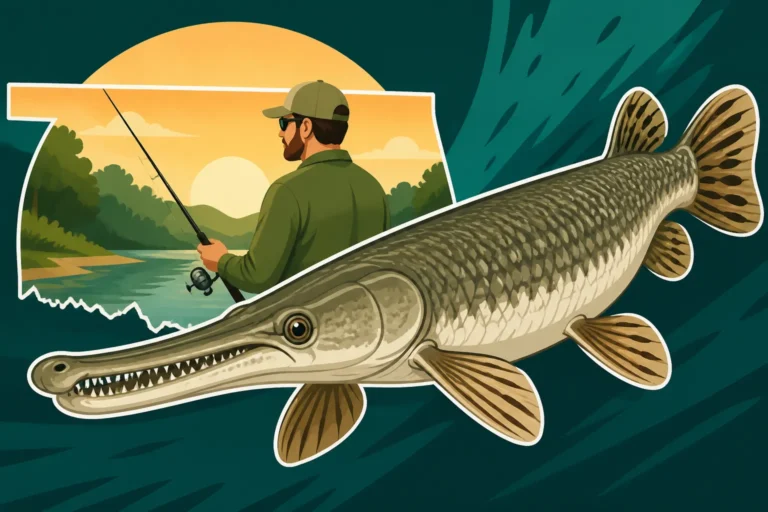
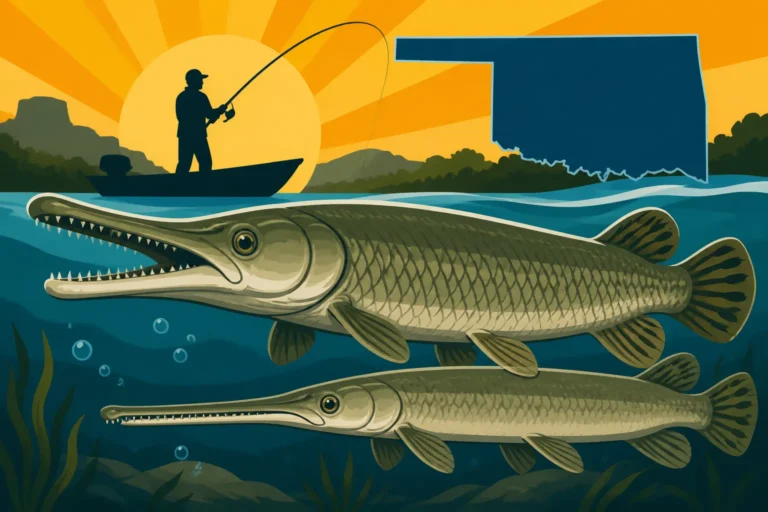
Oklahoma is blessed with some incredible fisheries, and among its most fascinating inhabitants is the American paddlefish. These ancient fish, often called "spoonbill" or "spoonbill cat" by locals, are living relics, having roamed North American waters for millions of years. Their distinct, paddle-like snout and smooth, scaleless skin make them instantly recognizable, but it's their potential for massive growth that truly captures the imagination of anglers.
The Legacy of a Primitive Fish
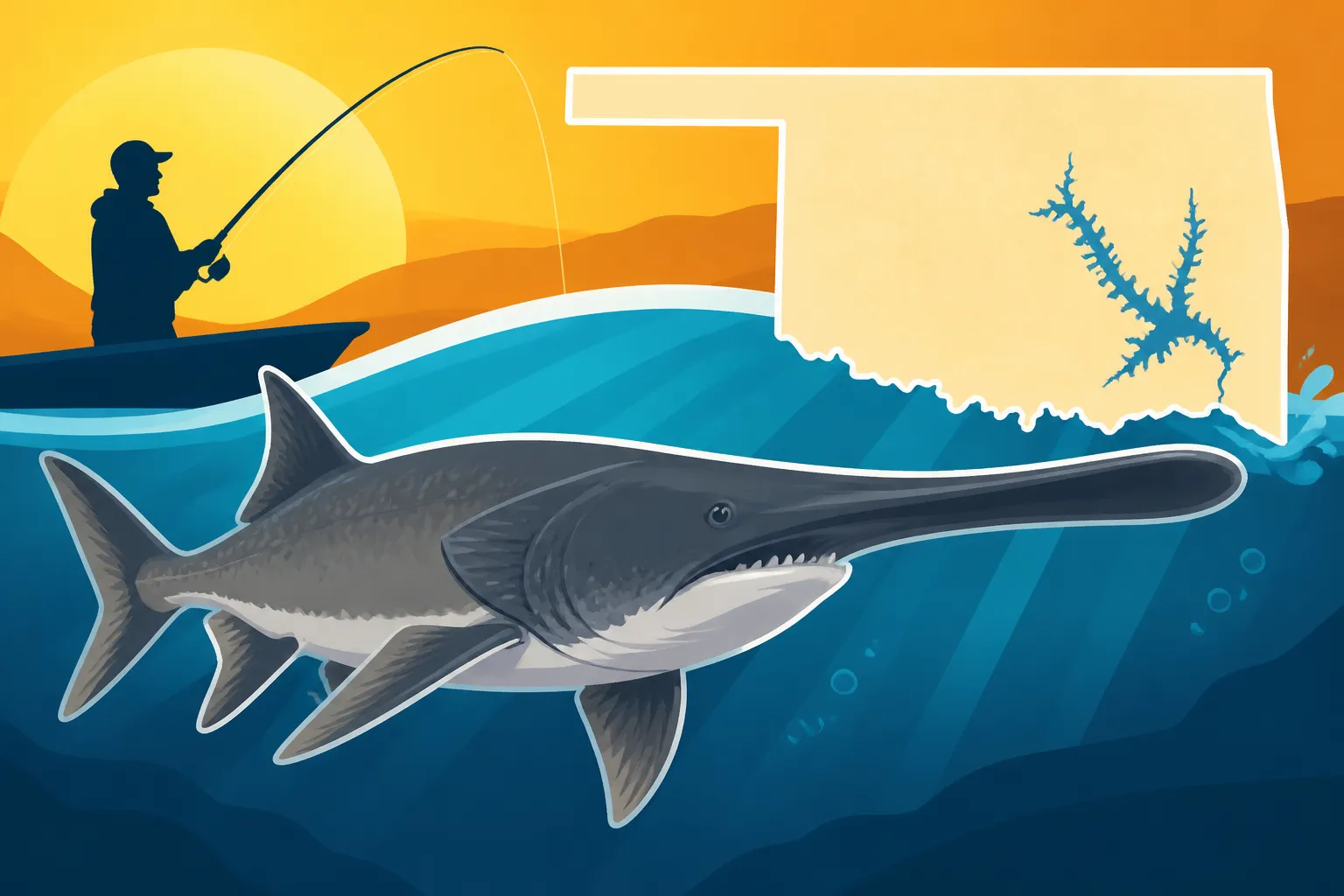
Imagine a fish that’s been around since the dinosaurs! That's essentially what a paddlefish is. They're not true catfish, despite the "spoonbill cat" nickname, but rather a species of cartilaginous fish, more closely related to sharks and rays in some aspects. In Oklahoma, these magnificent creatures primarily thrive in the large reservoir systems like Grand Lake and Keystone Lake, where they follow seasonal spawning runs up major river systems. The sheer excitement of seeing one of these giants break the surface, or the intense fight they put up on a heavy snagging rod, is an experience unlike any other in freshwater fishing. Their survival is a testament to the health of our larger river systems and reservoirs, which provide the vast amounts of zooplankton – tiny aquatic organisms – they filter feed on. Without this abundant food source, these fish simply couldn't reach the sizes they do. They play a vital role in the aquatic food web, consuming vast quantities of plankton, which helps keep our waters balanced.
Factors Influencing Paddlefish Growth
So, what makes a paddlefish grow to such incredible dimensions? It boils down to a few key factors. First and foremost is food availability. Paddlefish are filter feeders, meaning they swim with their mouths open, sifting zooplankton from the water using gill rakers. The richer the plankton blooms, the more they eat, and the faster they grow. Oklahoma's nutrient-rich rivers and lakes, especially during spring and summer, provide an ideal buffet. Secondly, water quality and habitat play a crucial role. Healthy, unpolluted water and access to vast, open reservoir spaces for feeding, coupled with suitable river stretches for spawning, are essential for their well-being and growth.
Finally, like all fish, age is a significant factor. Paddlefish can live for many years, with some individuals reaching ages well over 20. The longer they live in a productive environment, the more time they have to pack on the pounds. Males typically mature faster but don't grow as large as females, which often reach impressive sizes, taking many years to achieve their peak weight and length. It’s not uncommon for anglers to debate whether they've caught a young, fast-growing paddlefish or an older, more established one just based on its size alone.
Record-Breaking Catches and Average Sizes
Oklahoma is renowned for its incredible paddlefish fishery. Anglers come from all over to experience the thrill of snagging one of these freshwater giants. While tales of monstrous paddlefish are common around the campfire, there’s a distinct difference between what’s possible and what’s typically landed.
The Oklahoma State Record
For many years, the Oklahoma state record paddlefish was a legendary fish, pushing the limits of what anglers thought possible. The current official state record paddlefish, a true titan of the deep, weighed in at a mind-boggling 164 pounds! This absolute behemoth was caught on the Arkansas River below Keystone Dam. Imagine reeling in something that heavy – it takes immense strength, the right gear, and a healthy dose of luck. This particular fish also measured an astounding 7 feet, 7 inches in length.
Catching a fish of that magnitude isn't just a testament to the angler's skill, but also to the incredible productivity of Oklahoma's waterways. The areas below major dams, like Keystone and Grand Lake, are prime locations because they funnel large populations of paddlefish, especially during their spring spawning migrations. These areas are rich in zooplankton, providing ample sustenance, and offer the necessary currents for paddlefish to thrive. The pursuit of such a trophy is a driving force for many experienced paddlefish snagging enthusiasts. You can find out more about the prime season in Best Time of Year for Paddlefish Snagging Season.
What Anglers Can Typically Expect
While that state record is certainly aspirational, what's a more realistic expectation for an Oklahoma angler? Most adult paddlefish caught in Oklahoma range significantly in size, but a "good" average fish will typically fall between 40 to 80 pounds, with lengths ranging from 4 to 6 feet. Fish in the 100-pound class are considered trophy catches and are definitely celebrated, though they're not everyday occurrences.
Female paddlefish generally grow larger and live longer than males. A male might reach sexual maturity and a decent size around 5-7 years old, while a female might take 8-10 years or more to reach her prime growth and reproductive age. This difference in growth rate is a crucial element in population management. Landing a 50-pound paddlefish, even if it's not a record-breaker, is an unforgettable experience. Their power and fight are something to behold, often feeling like you've hooked a log that suddenly decides to swim away with incredible force. It's a true test of strength and endurance, and even an average catch will leave your arms aching in the best way possible.
Here's a quick comparison of average catches versus that state record:
| Category | Average Adult Paddlefish (Oklahoma) | Oklahoma State Record Paddlefish |
|---|---|---|
| Weight Range | 40 – 80 pounds | 164 pounds |
| Length Range | 4 – 6 feet | 7 feet, 7 inches |
| Gender (Typically) | Males & Females | Female |
| Age (Estimate) | 5-15+ years | Likely 20+ years |
| Common Location | Grand Lake, Keystone, Arkansas River | Arkansas River (below Keystone Dam) |
The Importance of Conservation and Sustainable Practices
Given the impressive size and long lifespan of paddlefish, their conservation is incredibly important. The Oklahoma Department of Wildlife Conservation (ODWC) has strict regulations in place to ensure these unique fish continue to thrive for future generations.
Why Size Limits and Seasons Matter
Unlike many other fish species caught with traditional rod and reel, paddlefish are primarily taken by snagging. This method involves using large, weighted treble hooks to "snag" the fish as they migrate. Due to the nature of snagging, and the species' vulnerability during spawning runs, strict regulations are absolutely necessary. Oklahoma has specific rules regarding the Paddlefish Snagging Season in Oklahoma, as well as daily and annual bag limits, and often a length limit. These regulations are designed to protect the breeding population, allowing enough fish to reproduce and ensuring that younger, smaller fish have the chance to grow to their full potential. For example, some areas might have a slot limit, allowing anglers to keep fish within a certain size range but requiring the release of very large, trophy-sized paddlefish or smaller ones.
Think about it this way: if everyone kept every giant paddlefish they caught, it wouldn't take long for the population of these magnificent, slow-growing fish to decline. The ODWC's management strategies, which include stocking programs and careful monitoring of paddlefish populations, are vital to maintaining Oklahoma's reputation as a premier paddlefish destination. Following these rules isn't just about avoiding a fine; it's about being a responsible angler and contributing to the long-term health of an incredible fishery. Understanding the rules is part of the sport, and you can always check the latest details on Fishing Regulations You Need to Know in Oklahoma.
Safely Handling and Releasing Large Paddlefish
When you're dealing with a fish that can easily outweigh a grown person, safe handling and release practices become paramount, especially if you're not planning to keep it. Many anglers, even when legally able to harvest a paddlefish, choose to release the largest specimens to ensure they continue to reproduce and contribute to the gene pool. If you're going to release a large paddlefish, here are some critical tips:
- Minimize Time Out of Water: These are delicate fish, despite their size. Keep them in the water as much as possible during unhooking and measuring.
- Support Their Body: Never lift a large paddlefish by its bill or tail alone. Support its full body weight, especially its midsection, if you must lift it for a quick photo. Laying it flat on a wet mat or tarp is ideal.
- Handle with Care: Use wet hands or gloves to protect their sensitive skin and slime coat. Avoid squeezing their internal organs.
- Barbless Hooks (if permitted): While snagging often involves larger barbed hooks, if regulations allow or you're using alternative methods, barbless hooks can make release easier.
- Revive If Necessary: If the fight was long, or the fish seems lethargic, hold it upright in the water, facing into the current, until it regains its strength and swims away on its own.
Proper handling not only increases the fish's chances of survival but also reflects a deep respect for the resource. These majestic creatures deserve our best efforts to ensure their future.
Gear and Strategy for Targeting Trophy Paddlefish
Targeting trophy paddlefish isn't like your average bass or crappie trip. It requires specialized gear and an understanding of their unique behaviors. Given the potential size of these fish, your equipment needs to be up to the challenge.
Essential Gear for Monster Paddlefish
When you're trying to land a fish that could be heavier than you are, your gear needs to be robust. Forget your ultralight spinning rods; this is heavy-duty territory.
- Rods: You'll want a strong, heavy-action rod, often 8-10 feet long, capable of handling significant weight and absorbing powerful runs. Many anglers opt for stout saltwater rods or specialized paddlefish snagging rods. The backbone of the rod is crucial for setting the large hooks and applying pressure.
- Reels: A large, durable baitcasting reel or a heavy-duty spinning reel with a strong drag system is essential. It needs to hold a lot of heavy line. Many anglers swear by brands known for saltwater fishing reels because of their robust construction and drag capabilities.
- Line: Spool up with heavy monofilament or braided line, typically in the 80-100 pound test range. Braided line offers superior strength and sensitivity, which can be helpful even in snagging where you're feeling for subtle contact with the fish.
- Hooks: Large, weighted treble hooks are the standard for snagging. The weight helps get the hook down to the fish's level in the current.
- Accessories: Don't forget a large, sturdy net designed for big fish, a pair of heavy-duty gloves for handling the line and the fish, and a measuring tape. If you're looking to upgrade your setup, you can often find great deals on specialized gear for paddlefish snagging on sites like Amazon. They have a wide selection of heavy-duty rods, reels, and even specialized snagging weights that can be hard to find in smaller local shops. What Gear Do You Need for Paddlefish Snagging goes into more detail.
Investing in quality gear isn't just about success; it's about safety. A snapped line or a reel that locks up mid-fight can be frustrating and even dangerous. You can read more about what's needed in Why Paddlefish Snagging Needs a Heavy Rod and Treble Hooks.
Prime Locations and Techniques
Oklahoma boasts some of the best paddlefish fisheries in the country. The two reigning champions for consistent trophy opportunities are Grand Lake O' the Cherokees and Keystone Lake.
- Grand Lake O' the Cherokees: Located in northeast Oklahoma, Grand Lake is arguably the state's most famous paddlefish destination. During the spring spawning runs, the upper reaches of the Neosho and Spring Rivers, which feed into Grand Lake, become hotbeds for snagging. Areas around Miami, Oklahoma, and the river channels are particularly productive. The sheer volume of paddlefish that move into these areas is astounding. You'll often see boats lined up, all targeting these migrating giants.
- Keystone Lake: Situated west of Tulsa, Keystone Lake and its tailwaters below Keystone Dam on the Arkansas River also offer phenomenal paddlefish opportunities. The flow from the dam creates an ideal environment for filter-feeding fish, and the river channels act as natural migration routes. This is where the current state record was caught, a testament to its potential for truly massive fish.
The primary technique for paddlefish in Oklahoma is snagging. Anglers typically drift in boats or stand on shorelines in areas with current, casting out heavy snagging rigs and reeling them in with a sweeping motion to hook the fish. Timing is critical. The spring spawning run, usually from late March through May, is the most productive period. Water temperature and river flow dictate the exact timing, so staying informed with local conditions is key. ODWC often provides updates on snagging conditions. Knowing How Does Paddlefish Snagging Work in Oklahoma can give you a leg up. Whether you're a seasoned paddlefish veteran or a curious newcomer, the experience of battling one of Oklahoma's colossal paddlefish is an adventure you won't soon forget. Finding specific tackle for these trips is also easy on Amazon, which is a great resource for getting ready for your next big snagging trip.
Disclaimer
This article is for general informational purposes only and does not constitute professional advice. Laws, prices and regulations vary by location and change over time. Consult a qualified professional for guidance on your specific situation.