Best Fish to Catch and Eat in Oklahoma
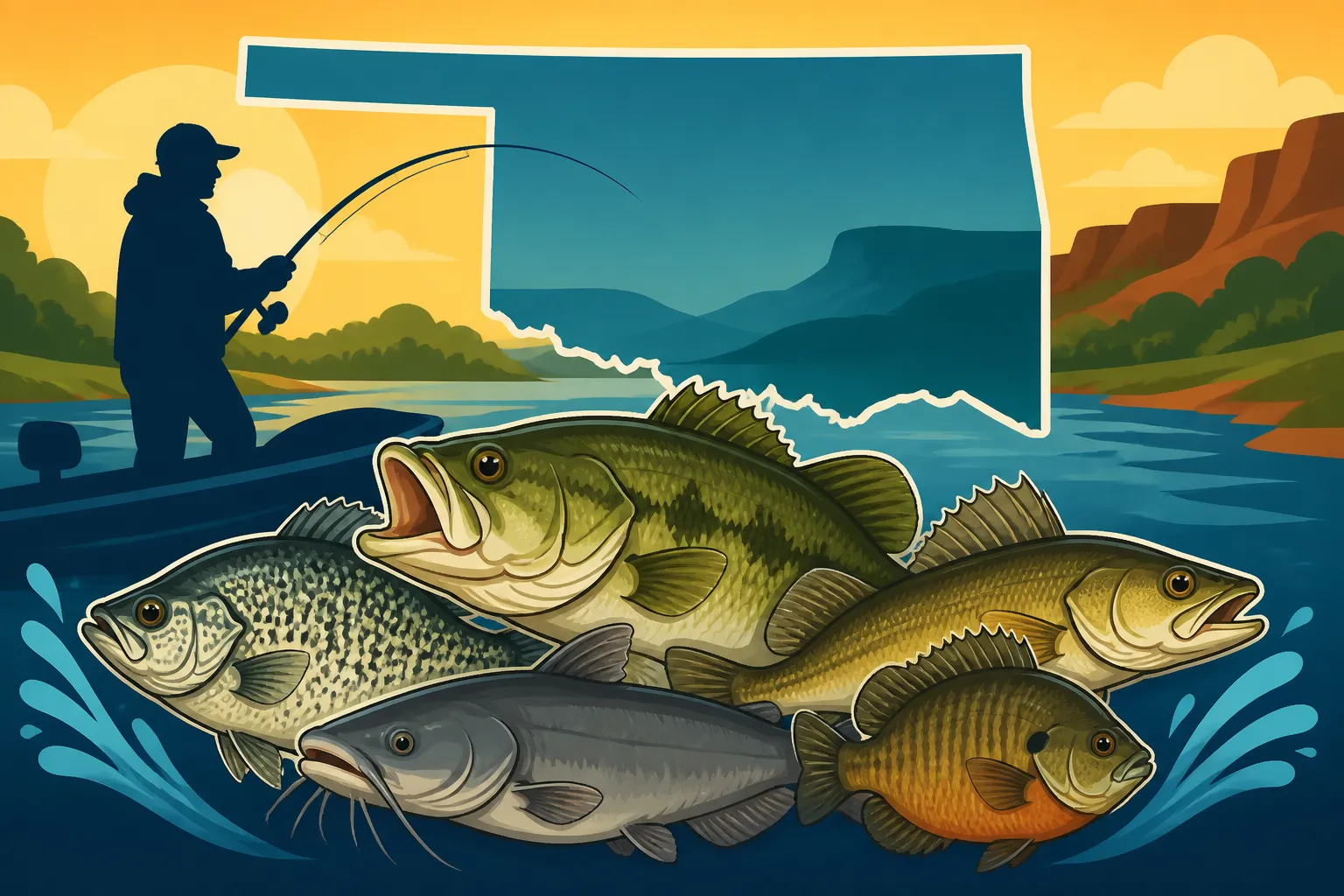
It can be incredibly exciting to head out on the water in Oklahoma, line in hand, dreaming of that perfect catch. But let's be honest, for many of us, the joy isn't just in the fight—it's in the thought of bringing home a delicious meal for the family. With so many diverse fish species swimming in our lakes and rivers, it can sometimes feel overwhelming to know which ones are truly the "best" to keep for the dinner table. This guide is here to help you navigate Oklahoma's waters and discover the most sought-after and tastiest fish species, ensuring your next fishing trip culminates in a fantastic feast.
Oklahoma's Premier Culinary Catches
When most anglers in Oklahoma think about catching fish to eat, a few species immediately jump to mind. These are the workhorses of our fishing scene, not just because they're plentiful and fun to catch, but because they consistently deliver a top-notch dining experience. We're talking about the classics that have graced dinner plates across the state for generations.
Largemouth Bass: A Popular Choice for Many
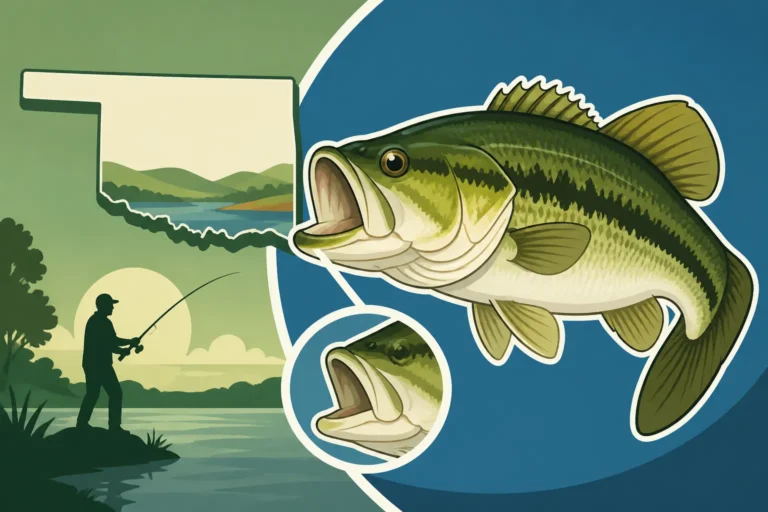
The largemouth bass, with its aggressive strikes and spirited fights, is a beloved game fish throughout Oklahoma. While many serious bass anglers practice catch-and-release to protect trophy fisheries, there's no denying that a fresh largemouth can be a fantastic meal. The flesh of a largemouth bass is typically white, flaky, and has a mild, somewhat sweet flavor. It's not as "fishy" as some other species, which makes it particularly appealing to those who might be hesitant about eating fish.
Imagine a warm evening after a successful day on Lake Eufaula. You've brought home a couple of keeper bass, carefully cleaned them, and now they're sizzling in a pan with a little butter, lemon, and your favorite seasoning. The aroma alone is enough to make your mouth water. Many folks enjoy their bass fried, grilled, or even baked whole with herbs. For more on catching these beauties, check out Largemouth Bass Fishing in Oklahoma: The Complete Guide. Remember to always be aware of the specific limits in your fishing area; while the statewide bass bag limit is generous, some lakes have more restrictive rules.
Crappie: The Panfish King of Oklahoma
If there's one fish that truly reigns supreme on the Oklahoma dinner table, it's the crappie. Both black crappie and white crappie are highly prized for their delicate, white, flaky meat and sweet flavor. They are often considered one of the finest eating freshwater fish, and for good reason! Their smaller size makes them perfect for a quick fry-up, leading to their well-deserved nickname: "panfish."
Spring and fall are prime times to target crappie, as they move into shallower waters, making them more accessible for anglers. Picture a chilly morning on Grand Lake O' the Cherokees, and you've found a school of crappie holding tight to some submerged brush. You bring in a stringer full of nice-sized slabs, knowing that later, those fillets will be breaded in cornmeal and deep-fried to a golden perfection. It's a classic Oklahoma meal that's hard to beat. If you're wondering Is Crappie Good to Eat?, the answer is a resounding yes! And for more specifics on targeting these delicious fish, take a look at Crappie Fishing in Oklahoma: Black and White Crappie. Always remember that some lakes, like Fort Gibson or Arbuckle, have special length and creel limits for crappie, so always double-check the regulations for your chosen spot.
Catfish: Diverse and Delicious
Oklahoma is a catfish state, through and through. We have an abundance of channel catfish, blue catfish, and flathead catfish, each offering a slightly different culinary experience. Generally, catfish are known for their firm, white, and often robust-flavored meat. They hold up well to a variety of cooking methods, from deep-frying to smoking.
Channel catfish are probably the most commonly caught and eaten. Their meat is milder than blue or flathead catfish, making them incredibly versatile. Blue catfish, especially smaller ones, also offer excellent table fare, though their flavor can be a bit richer. Flathead catfish, which primarily eat live bait, tend to have a firmer, whiter, and often milder flesh than their scavenger cousins, the channel and blue catfish. You might wonder, Is Blue Catfish Good to Eat? and many Oklahomans will tell you it's a staple!
Imagine trotlining on Lake Texoma or jug fishing on Lake Eufaula, and you pull in a handful of respectable channel cats. Cleaning them up and preparing them for a family fish fry is a weekend tradition for countless Oklahomans. You can find excellent Best Gear for Catfish Fishing in Oklahoma options, including trotlines and jug fishing kits, on platforms like Amazon. For a deeper dive into these whisker-faced beauties, explore Catfish Species You'll Find in Oklahoma. Just like with bass and crappie, make sure you know the specific Oklahoma's Catfish Fishing Rules and Limits for where you're casting your line, especially regarding that 30-inch blue catfish rule.
Striped Bass: A Powerful Fighter and Fine Eater
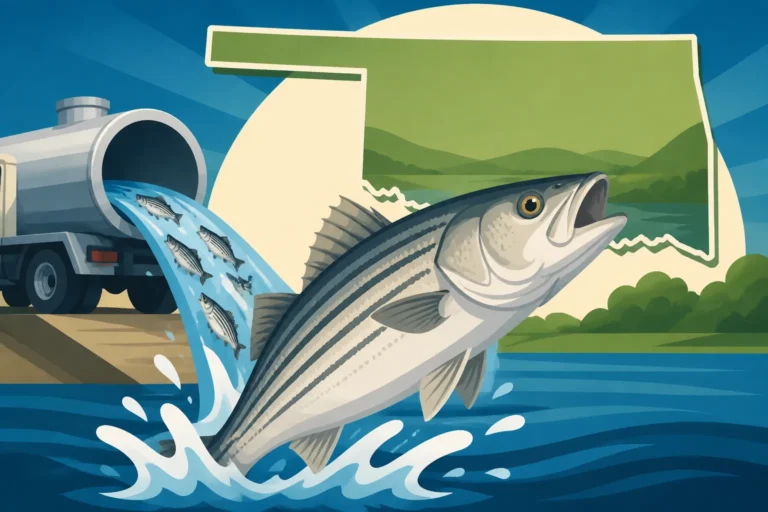
For those who enjoy a bit more of a fight and a larger fish for the table, striped bass are an outstanding option, especially on lakes like Texoma. While not native to Oklahoma, they thrive in our larger reservoirs and provide incredible sport. The meat of a striped bass is firm, flaky, and has a moderate, savory flavor that can be richer than crappie or bass. It's often described as having a "meatier" texture, closer to a steak than a typical whitefish fillet.
Many anglers prefer to bleed striped bass immediately upon catching them to improve the flavor and texture of the meat. Once bled and filleted, stripers can be grilled, baked, or broiled. Their robust flavor stands up well to marinades and bold seasonings. A freshly grilled striper fillet, perhaps seasoned with some local Oklahoma rubs you might find available on Amazon, is a true delight. If you're curious about Is Striped Bass Good to Eat?, many Lake Texoma regulars will quickly confirm it's a prize! Just be mindful of their size and bag limits; these powerful fish deserve our respect and responsible harvesting.
Walleye: A Prized Delicacy
While not as widespread as bass or catfish, walleye are highly sought after in the lakes where they reside, such as Canton Lake and Kaw Lake. They are revered for their exceptionally light, flaky, and sweet white meat, often considered one of the best-tasting freshwater fish available. Walleye have a very delicate flavor, making them ideal for simple preparations that highlight their natural taste.
Catching walleye can be a bit more challenging than other species, as they tend to be nocturnal and prefer deeper, cooler water, but the reward is certainly worth the effort. Imagine a quiet evening trolling crankbaits on a clear Oklahoma lake, and you hook into a beautiful walleye. That fish, carefully filleted and pan-fried with a light dredge of flour and seasoning, is pure culinary gold. If you catch a saugeye or sauger, which are cousins to the walleye, they offer a very similar delicious experience, leading many to ask Is Saugeye Good to Eat?. For more on these incredible fish, refer to Walleye, Sauger and Saugeye: Oklahoma's Cousin Fish.
Other Delectable Catches Worth Considering
Beyond the mainstays, Oklahoma waters hold several other species that, while perhaps less frequently targeted for the table, offer excellent eating qualities and can provide a delightful change of pace. Don't overlook these gems when you're out on the water.
Panfish Varieties: Bluegill and Redear Sunfish
When we talk about "panfish," we're generally referring to smaller sunfish species like bluegill and redear sunfish. While they might not provide massive fillets, what they lack in size, they more than make up for in flavor. These fish have incredibly sweet, white, and flaky meat, making them perfect for a classic pan fry. They're also abundant in most Oklahoma ponds and lakes, making them accessible to anglers of all skill levels, especially kids.
A stringer of bluegill caught on a summer afternoon at a local farm pond can make for an unexpected but utterly delicious meal. Their small size means more work to clean, but the delicate flavor is a true reward. Many anglers find the process of catching and preparing panfish to be a nostalgic and enjoyable experience. Just ensure you have a sharp fillet knife, perhaps one you picked up from Amazon, to make the cleaning process easier!
Trout: A Cold-Water Treat
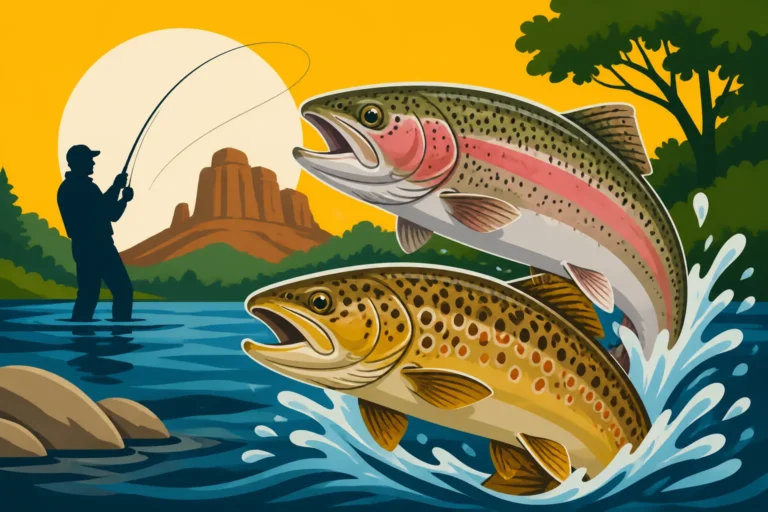
Oklahoma might not be known as a trout fishing destination compared to mountain states, but thanks to the Oklahoma Department of Wildlife Conservation's stocking programs, we have several excellent year-round and seasonal trout fisheries. Rainbow trout are most commonly stocked, offering a pinkish, delicate, and flavorful meat that's a favorite for baking, grilling, or smoking.
The Lower Mountain Fork River and the Illinois River are fantastic spots to chase trout. Imagine spending a crisp winter morning fly fishing on the Lower Mountain Fork, and you land a beautiful rainbow trout. Bringing that fresh fish home to smoke or bake with a hint of dill and lemon is a truly gourmet experience. Even if you don't frequently fish for them, it's good to know that Is Brown Trout Good to Eat? is also true, should you be lucky enough to catch one. Learn more about these introduced species at Trout Fishing in Oklahoma: Rainbow and Brown Trout.
Paddlefish: A Unique Culinary Adventure
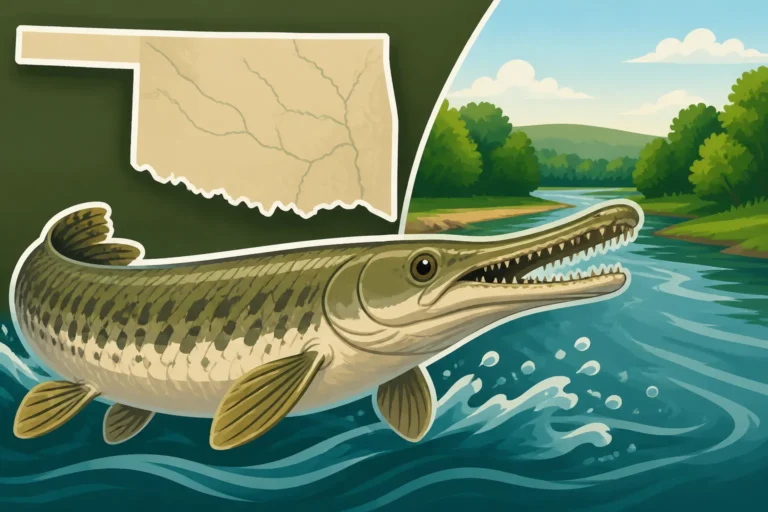
Now, this is a unique one! Paddlefish, often called "spoonbill," are ancient, filter-feeding fish found in certain Oklahoma waters, most notably Grand Lake O' the Cherokees. They are targeted by snagging rather than traditional rod and reel fishing. While the act of snagging is a thrill, many anglers are surprised by the excellent table fare these prehistoric fish offer.
The meat of a paddlefish is firm, white, and boneless, often compared to swordfish or shark in texture. It has a mild, clean flavor, and because it's so firm, it holds up exceptionally well to grilling, smoking, or even stir-frying. Many also prize paddlefish for their roe, which can be processed into caviar. If you're looking for a truly unique Oklahoma fishing and eating experience, snagging a paddlefish could be it! Just be aware of the specific season and regulations for Paddlefish Snagging in Oklahoma: The Complete Guide. And for those wondering, Is Paddlefish Good to Eat?, the answer is often a resounding yes from those who've tried it!
Important Considerations for Catch-and-Eat Anglers
Catching fish to eat isn't just about knowing which species taste good; it's also about doing so responsibly and safely. A delicious meal starts with a healthy fish caught from clean water, and ends with proper preparation.
Adhering to Regulations and Limits
Before you even cast a line with the intention of keeping fish, it is absolutely crucial to be aware of and abide by all current fishing regulations. This includes statewide bag limits, length limits, and any special regulations specific to the body of water you're fishing. These rules are in place to ensure sustainable fish populations for future generations of anglers.
Failing to follow these guidelines can result in hefty fines and penalties. Imagine you've had a fantastic day catching fish, only to have a game warden check your cooler and find you're over the limit or have undersized fish. That fantastic day quickly turns into a very expensive and unpleasant experience. Always check the current Oklahoma Fishing Guide before heading out. A quick online search for Oklahoma's Bag Limit Rules by Species can save you a lot of trouble.
Water Quality and Fish Advisories
While Oklahoma's waters are generally healthy, it's always a good idea to be mindful of local water quality and any consumption advisories that might be in place. State agencies sometimes issue advisories for certain bodies of water regarding contaminants like mercury, which can accumulate in fish, especially older, larger individuals. These advisories usually recommend limiting consumption of certain species or sizes of fish.
It's a simple step to check if there are any current advisories for your chosen fishing spot. You can often find this information on the Oklahoma Department of Environmental Quality or Oklahoma Department of Wildlife Conservation websites. Knowing What Fish Are Safe to Eat From Oklahoma Waters? is a key part of responsible harvesting. While rare, ignoring these advisories could lead to health concerns down the line, so it's always better to be informed.
Proper Handling and Preparation
The journey from the water to your plate is critical for ensuring the best possible flavor and texture. Improper handling can quickly ruin even the finest eating fish.
- Cooling Quickly: Once you catch a fish you intend to keep, get it on ice as quickly as possible. This slows down bacterial growth and maintains the quality of the meat. A good quality cooler is an indispensable tool for any angler who plans to keep their catch.
- Cleaning Promptly: Fillet or clean your fish as soon as you can. The fresher the fish, the easier it is to clean, and the better the final product will taste. Learning proper filleting techniques can save you a lot of time and effort, and you can find many helpful guides online or even specialized fillet knives on Amazon to make the job easier.
- Storage: If you're not eating the fish immediately, ensure it's properly stored. Fresh fillets should be kept in the refrigerator and consumed within a day or two, or they can be vacuum-sealed and frozen for longer storage. Freezing fish correctly helps prevent freezer burn and preserves the flavor.
Making the Most of Your Catch-and-Cook Experience
Beyond the basics, there are a few tips and tricks that can elevate your catch-and-cook experience to truly memorable levels. It's about savoring the fruits of your labor and sharing them with others.
Experiment with Cooking Methods
Don't limit yourself to just frying! While pan-frying is a beloved method for many freshwater fish, especially crappie and channel catfish, there's a whole world of culinary possibilities out there. Grilling, baking, broiling, and smoking are all fantastic ways to prepare your catch, each bringing out different nuances in the fish's flavor and texture.
For a firm fish like striped bass or larger catfish, grilling can impart a wonderful smoky flavor. Delicate crappie fillets can be excellent baked with a simple lemon and herb dressing. Experimenting with different marinades, rubs, and sauces can also transform your meal. Think about the type of fish you have and what cooking method would best complement its natural qualities. A quick search on Amazon for "fish cookbooks" can provide a ton of inspiration and recipes to try.
Share the Harvest
There's something incredibly satisfying about sharing a meal you've caught yourself with friends and family. It's not just about the food; it's about the story, the experience, and the connection to nature. Whether it's a backyard fish fry or a more elaborate dinner party, inviting others to enjoy your fresh catch can enhance the entire experience.
Teaching your kids or grandkids how to clean and cook fish, from the lake to the table, creates lasting memories and instills an appreciation for where our food comes from. It turns a simple meal into an educational and bonding activity.
The Best Fish for You
Ultimately, the "best" fish to catch and eat in Oklahoma is a matter of personal preference. Some anglers swear by crappie, others crave the fight and flavor of a striped bass, while many find comfort in a traditional catfish fry. The table below offers a quick comparison of some of the top contenders.
| Species | Typical Flavor Profile | Texture | Common Preparation Methods |
|---|---|---|---|
| Largemouth Bass | Mild, slightly sweet, clean | White, flaky | Fried, grilled, baked, pan-seared |
| Crappie | Very mild, sweet, delicate | White, very flaky | Fried (panfish style), baked |
| Channel Catfish | Mild to moderate, earthy | White, firm | Fried, grilled, baked, smoked |
| Blue Catfish | Moderate, rich, earthy | White, firm | Fried, grilled, baked, smoked, stewed |
| Flathead Catfish | Mild, clean | White, very firm | Fried, grilled, baked, smoked, blackened |
| Striped Bass | Moderate, savory, "meatier" | Firm, flaky | Grilled, baked, broiled, blackened |
| Walleye | Exceptionally mild, sweet, delicate | White, very flaky | Pan-fried, baked, broiled |
| Bluegill/Redear | Very sweet, delicate | White, flaky | Pan-fried (whole or filleted), baked |
| Rainbow Trout | Mild, slightly gamey, sometimes sweet | Pinkish, flaky | Baked, grilled, smoked, pan-fried |
| Paddlefish | Mild, clean, unique (like swordfish) | White, very firm | Grilled, smoked, stir-fried |
The joy of fishing in Oklahoma extends far beyond the thrill of the catch; it culminates in the pleasure of a delicious meal. Whether you prefer the delicate sweetness of crappie, the robust flavor of catfish, or the unique experience of a paddlefish, our waters offer something to satisfy every palate. So grab your gear, cast your line, and look forward to savoring the incredible flavors of Oklahoma's bounty!
Disclaimer
This article is for general informational purposes only and does not constitute professional advice. Laws, prices and regulations vary by location and change over time. Consult a qualified professional for guidance on your specific situation.