Best Time of Year to Catch Trout After Stocking
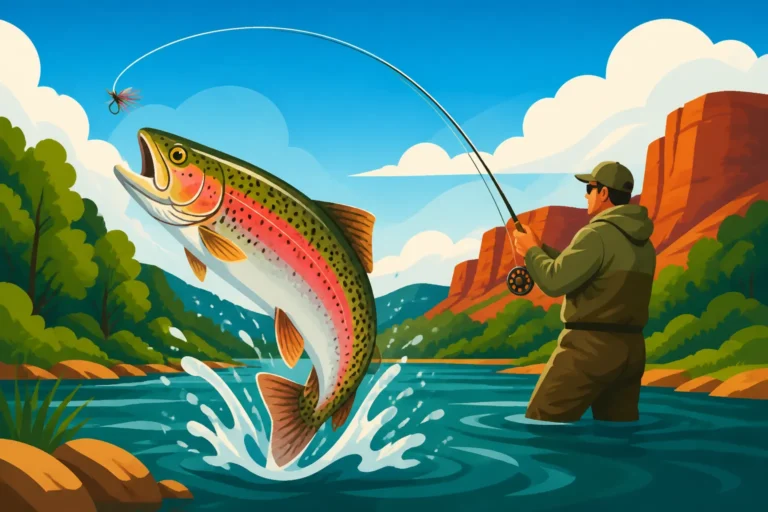
There's a special kind of excitement, and sometimes a little frustration, that comes with trout fishing in Oklahoma. Many anglers know our state stocks trout, especially rainbow trout, in certain areas, but figuring out the absolute best time to hit the water after a stocking event can feel like chasing a moving target. You want to be there when the fish are biting, when they're plentiful and still a bit naive. This guide is all about helping you pinpoint that optimal window, making sure your next trout outing is as successful as possible.
Understanding Oklahoma's Trout Stocking Program
Oklahoma's trout program is a fantastic resource, especially for those looking to experience coldwater fishing in a state primarily known for its bass and catfish. The Oklahoma Department of Wildlife Conservation (ODWC) maintains several designated trout areas, stocking them regularly, often during the cooler months. Knowing the ins and outs of this program is the first step to maximizing your catch after a stocking.
How Oklahoma Stocks Trout
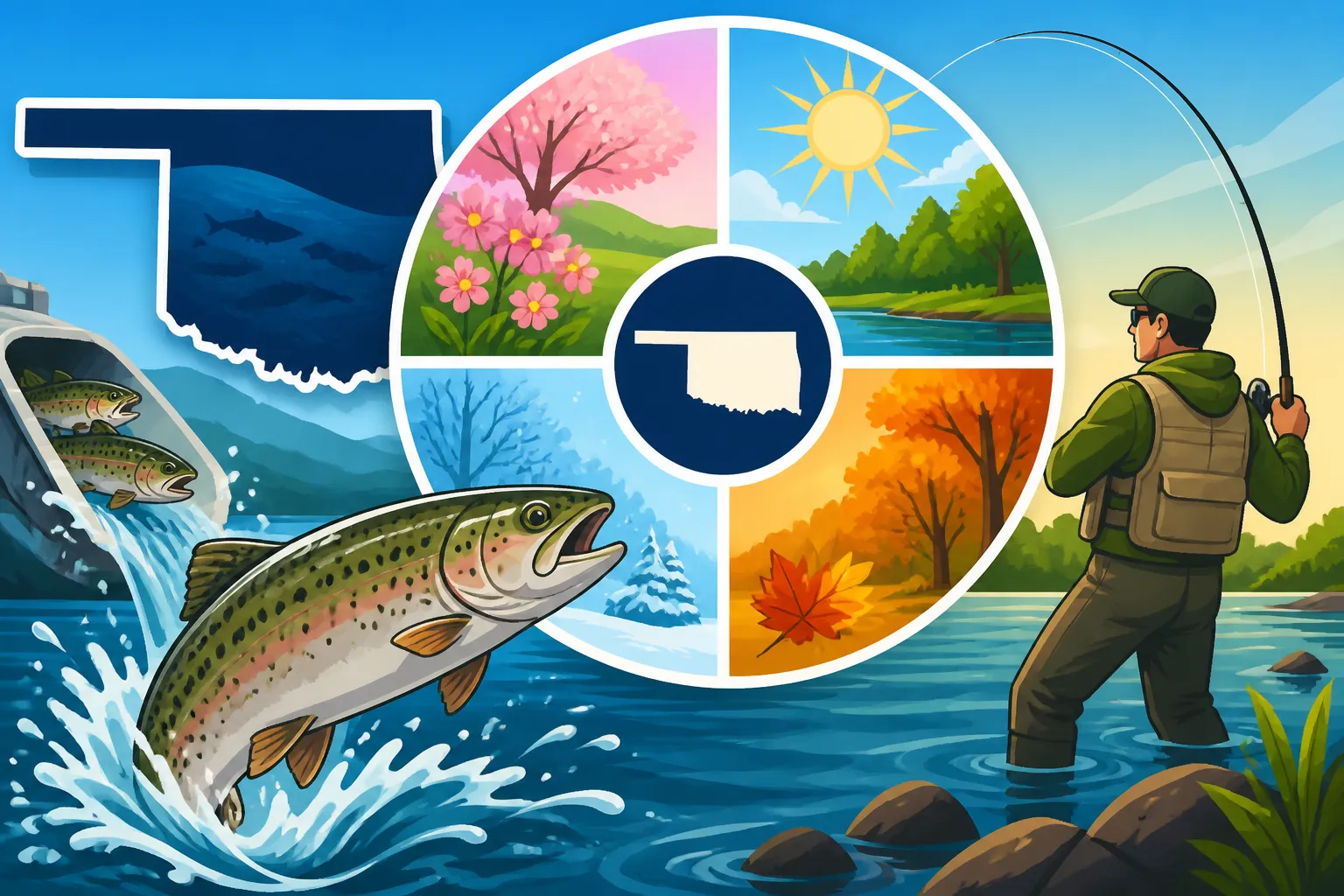
Typically, the ODWC stocks rainbow trout. These fish are raised in hatcheries and then transported to specific, managed trout areas. These aren't wild, reproducing populations in most cases, but rather a "put-and-take" fishery designed to provide exciting angling opportunities. The main goal is to introduce healthy, catchable fish into the system for anglers to enjoy. You'll find these stockings occurring in places like the Lower Illinois River below Tenkiller Dam, or at designated winter trout areas like Perry Lake, Lake Watonga, or other community ponds and small lakes around the state during the colder season. It's a fantastic way to introduce new anglers, especially kids, to the joy of fishing, as these stocked trout are often quite eager to bite. For more details on these programs, you might want to read Trout Fishing in Oklahoma: Rainbow and Brown Trout.
Why Timing Matters So Much After Stocking
Imagine you've just been released into a brand new, albeit watery, environment after a long car ride. You'd probably be a bit disoriented, right? That's exactly how newly stocked trout often feel. They've been living in a hatchery, in a relatively confined space with consistent food. When they're released into a river or lake, it's a completely different world. This initial disorientation, combined with their ingrained feeding habits, creates a unique "golden window" for anglers. They haven't yet learned the ropes of their new home, haven't become wary of predators (including us anglers!), and are often quite hungry from the stress of transport and the change in routine. This makes them much less cautious and far more susceptible to a well-presented bait or lure.
The Golden Window for Post-Stocking Trout Fishing
When it comes to catching trout after they've been stocked, timing is truly everything. There's a noticeable pattern in how these fish behave, and knowing it can dramatically improve your success rate.
Immediately After Stocking: The Prime Opportunity
This is the sweet spot, the absolute best time to be on the water. We're talking within hours, or at most, a day or two after the stocking truck has made its rounds. The fish are often still in somewhat concentrated groups where they were released, and they haven't had time to spread out or become "educated" by repeated angler pressure. They are usually quite eager to hit just about anything that looks like food. Think of it like this: they've been fed a steady diet in the hatchery, and now they're in a new environment, possibly a bit stressed, and their hunger drive is kicking in. They're not yet wise to the tricks of the trade, making them surprisingly easy targets. Anglers who can get out right away often report catching their limits quickly using a variety of basic baits and lures.
The First Few Days to a Week: Still Excellent Fishing
Even if you can't make it out the exact day of the stocking, the fishing usually remains excellent for the first few days, and often up to a week. During this period, the trout are still acclimating to their surroundings. They've begun to spread out a bit more, exploring their new habitat, but they're still in that relatively unpressured state. Their primary focus remains finding food. You might find them moving from the immediate release area to nearby eddies, deeper holes, or areas with some current that brings food.
However, as each day passes, they do start to get a little smarter. They'll see more lures, feel a few hooks, and begin to associate certain presentations with danger. This means while the fishing is still good, you might need to be a little more subtle with your approach or vary your baits slightly. Don't be afraid to try different colors or presentations to see what they're keying in on. If you're looking for Rainbow Trout Fishing in Oklahoma specifically, this initial week is gold.
The Weeks Following: More Challenging, More Rewarding
After about a week, and certainly after two to three weeks, the trout have typically become much more accustomed to their new home and, unfortunately for us, much more wary. They've learned to avoid heavily fished areas, they've seen countless lures, and they've developed a natural instinct for survival in their new environment. This doesn't mean the fishing stops, but it definitely becomes more challenging. You'll need to employ more finesse techniques, use lighter lines, smaller baits, and focus on presenting your offerings as naturally as possible.
These "educated" trout will often hold in less accessible spots, deeper pools, or areas with overhead cover. This is when your skills as an angler really come into play, and catching one of these more elusive fish can feel even more rewarding. It's a fantastic time to experiment with different flies if you're a fly angler, or switch to micro jigs and power bait variants that they haven't seen as much.
Here's a quick comparison of what to expect:
| Time After Stocking | Trout Behavior & Readiness | Recommended Approach |
|---|---|---|
| Hours to 1-2 Days | Highly disoriented, very aggressive feeders, often schooled. | Almost anything works: PowerBait, corn, small spinners, worms. Easy limits. |
| 3 Days to 1 Week | Spreading out, still actively feeding, becoming slightly wary. | Vary baits, try different colors. Small spoons, jigs, PowerBait. |
| 1-3 Weeks | Acclimated, more selective, holding in less accessible areas, very wary. | Finesse techniques, light line, natural presentations, smaller lures/flies. |
| Beyond 3 Weeks | Fully integrated, act more like wild trout, difficult to catch. | Advanced techniques, matching the hatch (for fly fishing), targeting specific structure. |
Factors Influencing Post-Stocking Success
While timing is crucial, several other factors can either boost or hinder your post-stocking trout fishing success in Oklahoma. Understanding these will help you make the most of your trip.
Water Temperature and Flow
Trout are coldwater fish, and their activity levels are highly dependent on water temperature. When the water is too warm, they become sluggish and stressed, often reducing their feeding activity significantly. Conversely, extremely cold water can also slow their metabolism, though they are generally more tolerant of cold than heat. The "sweet spot" for active feeding is typically between 45 and 65 degrees Fahrenheit. You'll often find that Oklahoma's winter trout programs specifically target locations where these temperatures are achievable.
Water flow is another critical element, especially in river systems like the Lower Illinois. Heavy rains can cause high, murky flows that scatter fish and make it hard for them to see your offerings. Conversely, very low flows can make fish spooky and concentrated in smaller areas, increasing pressure. Ideal conditions usually involve moderate, stable flows that distribute oxygen and food without being too turbulent.
Weather Conditions
Just like with any other type of fishing, weather plays a role. Overcast days are often fantastic for trout fishing because they reduce light penetration into the water, making the fish feel more secure and willing to come out of cover. Bright, sunny days, especially after a cold front, can make trout more lethargic and send them seeking deeper, shadier cover. A light drizzle can sometimes invigorate the bite by washing terrestrial insects into the water, but heavy downpours can muddy the water and turn them off. Pay attention to sudden weather changes; trout can be sensitive to barometric pressure shifts. You might find some useful tips in Best Time of Day to Catch Trout After Stocking when considering daily weather patterns.
Fishing Pressure
This is a huge factor, particularly in heavily stocked and accessible areas. When a location is freshly stocked, many anglers flock to it, creating significant fishing pressure. While the trout are initially naive, they learn incredibly quickly. Each time a fish sees a shadow, feels a hook, or is released, it becomes a little bit smarter. Within a few days of heavy pressure, trout can become extremely wary, refusing baits they devoured just hours before.
To combat this, try to visit during weekdays if possible, or arrive early in the morning before the crowds gather. If you notice a spot is getting hammered, don't be afraid to move a bit, even just a short distance, to find less pressured fish. Sometimes, a slightly out-of-the-way pocket or eddy holds fish that haven't seen as many lures.
Bait and Lure Choices
For newly stocked trout, simplicity often reigns supreme. They're often accustomed to hatchery pellets, so anything resembling that, like PowerBait (in various colors like rainbow, cheese, or garlic scents) or corn, can be incredibly effective. Small, live baits like worms or salmon eggs are also irresistible.
As the fish become more accustomed to their surroundings and get pressured, you'll need to diversify. Small spinners (like Rooster Tails or Mepps), tiny spoons, and micro jigs become very effective. For fly anglers, anything from an egg pattern to a basic nymph or even a small streamer can entice a strike. Don't be afraid to experiment with different colors and sizes; sometimes a slight change is all it takes. Many anglers find great success stocking up on a variety of options from Amazon before a trip. For more specific recommendations, you might want to look at Best Bait for Rainbow Trout in Oklahoma.
How to Stay Informed About Stocking Schedules
Knowing when the fish are being stocked is arguably the most critical piece of the puzzle. Luckily, the Oklahoma Department of Wildlife Conservation (ODWC) does a good job of keeping anglers informed.
Official Resources: The ODWC Website
The absolute best and most reliable source for stocking schedules is the official Oklahoma Department of Wildlife Conservation website. They typically publish their winter trout program schedules well in advance, detailing which lakes and rivers will receive trout and roughly when. During the actual stocking season, they often update their pages weekly or bi-weekly with confirmed stocking dates and locations. Making it a habit to check their "Fishing Report" or "Trout Program" sections is essential for serious trout anglers. This way, you can literally mark your calendar for the prime window.
Local Tackle Shops and Community Boards
While the ODWC website is the official source, local tackle shops, bait stores, and even some small-town convenience stores near the stocking locations can be goldmines of information. The folks working there are often avid anglers themselves or are constantly talking to people who are. They'll often know the local nuances, the exact days the trucks arrived, and sometimes even the best spots where the fish were released. Don't underestimate the power of a friendly chat with a local shop owner. Online fishing forums and local community Amazon groups related to fishing can also sometimes share this information, as anglers love to spread the word. This kind of grassroots intelligence can fill in the gaps that an official schedule might miss, giving you real-time updates on conditions and where the bite is hot. When planning your trips, remember to consult these resources, especially if you're hoping to fish Where to Catch Stocked Trout in Winter.
Disclaimer
This article is for general informational purposes only and does not constitute professional advice. Laws, prices and regulations vary by location and change over time. Consult a qualified professional for guidance on your specific situation.