Best Bait for Flathead Catfish at Night
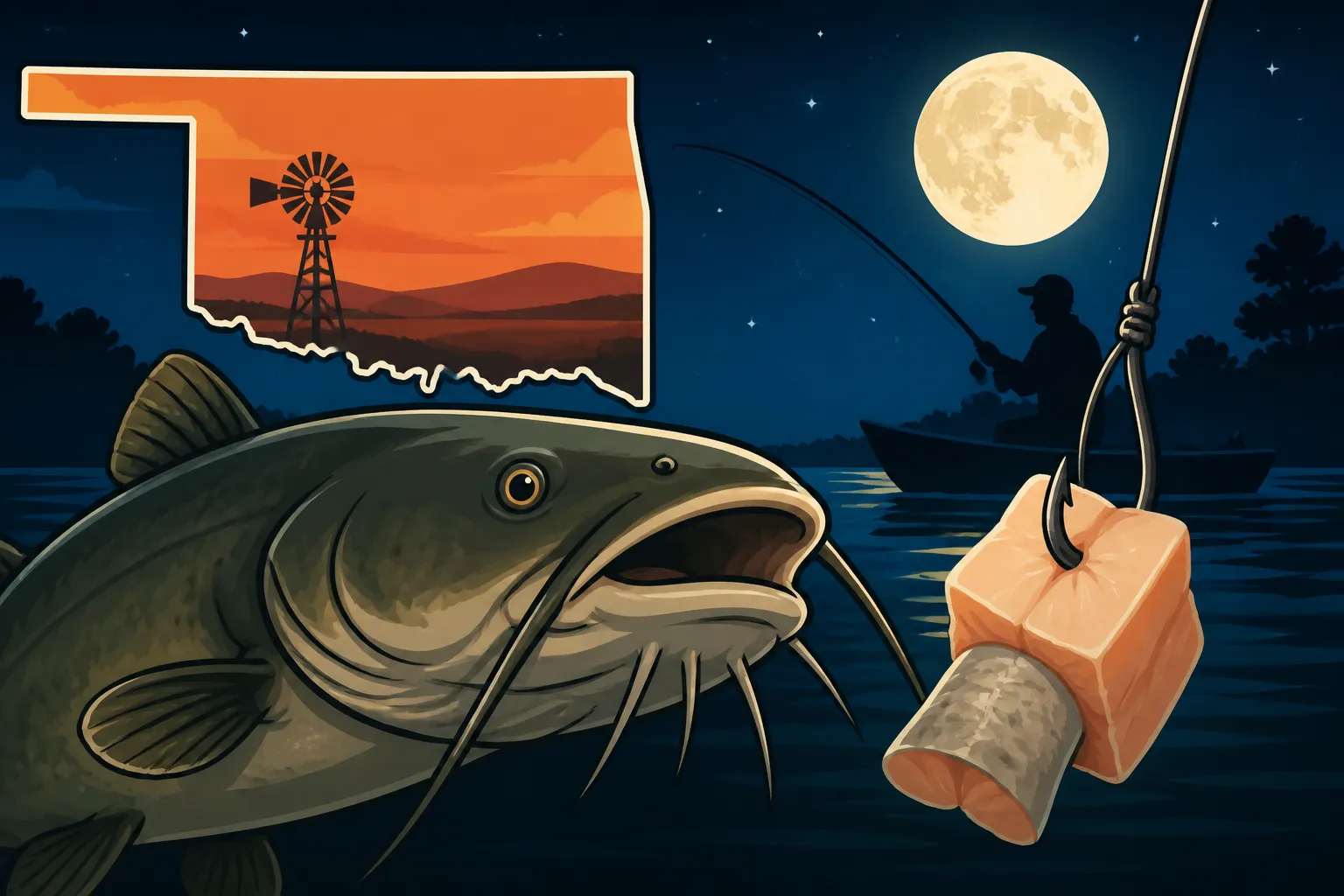
Night fishing for flathead catfish can be one of the most exciting and rewarding experiences on Oklahoma's waters, but it also comes with its unique set of challenges. These incredible predators are notoriously picky, especially when the sun goes down, and showing up with the wrong bait can lead to a long, frustrating night without a single strike. This guide is all about cutting through the guesswork, helping you understand what makes a flathead tick after dark, and arming you with the knowledge of the very best baits to entice those nocturnal giants.
Understanding the Flathead Catfish's Nighttime Hunt
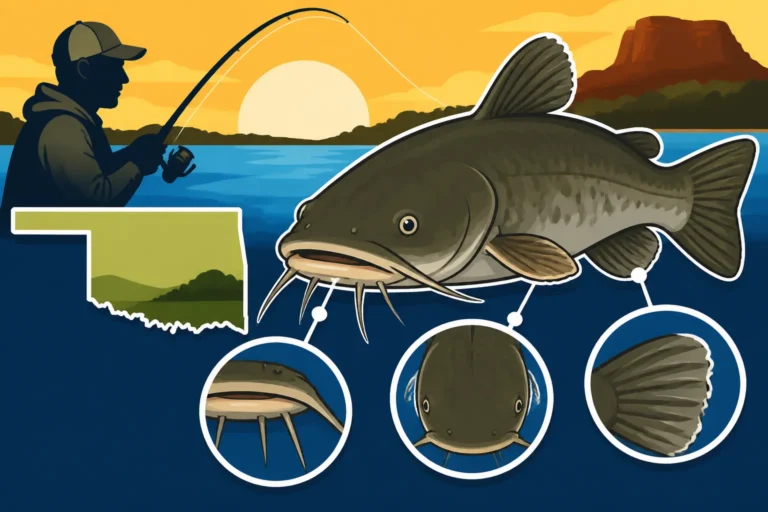
Flathead catfish are truly fascinating creatures, and their behavior shifts significantly once the sun dips below the horizon. Unlike their scavenger cousins, the channel and blue catfish, flatheads are pure predators. They don't typically feast on decaying matter or stink baits. Instead, they hunt live prey, ambushing smaller fish, crawfish, and even frogs. At night, their keen senses of smell, touch, and lateral line detection become even more critical, allowing them to navigate dark waters and pinpoint unsuspecting meals.
When you're targeting flatheads after dark, you're tapping into their prime feeding window. They move out of their daytime lairs in submerged timber, rock piles, or deep holes and actively patrol shallow flats, creek channels, and the edges of structure where smaller baitfish congregate. This is why your bait choice and presentation are absolutely crucial – you need to mimic what they’re naturally hunting, making it irresistible in the low-light conditions. Forget the old notions of just throwing out any old chunk of meat; night fishing for flatheads demands a strategic approach with specific live baits. You'll find that success often hinges on providing a struggling, vibrant meal.
The Undisputed King of Nighttime Flathead Bait: Live Fish
If there's one golden rule for catching flathead catfish, especially after dark, it's to use live bait. And when we talk about live bait for flatheads, we're almost always talking about live fish. Their predatory nature means they're looking for a struggle, a flash, and vibrations in the water that signal an easy meal. Dead bait, while it might attract channel cats, rarely appeals to a hungry flathead that's actively hunting.
The key to successful live bait fishing is two-fold: keeping your bait alive and presenting it naturally. A healthy, lively baitfish sends out all the right signals – distress, movement, and a scent trail – that flatheads simply can't ignore. This is why many serious flathead anglers invest heavily in good bait tanks, aerators, and even oxygenators to keep their precious cargo kicking all night long. You can often find reliable portable aerators and bait buckets on Amazon that will keep your bait lively.
Preferred Live Bait Species for Flatheads
Not all live fish are created equal when it comes to tempting a flathead. Certain species tend to work far better due to their hardiness, natural attractiveness, or ability to create commotion. Understanding the best options available in Oklahoma waters is key.
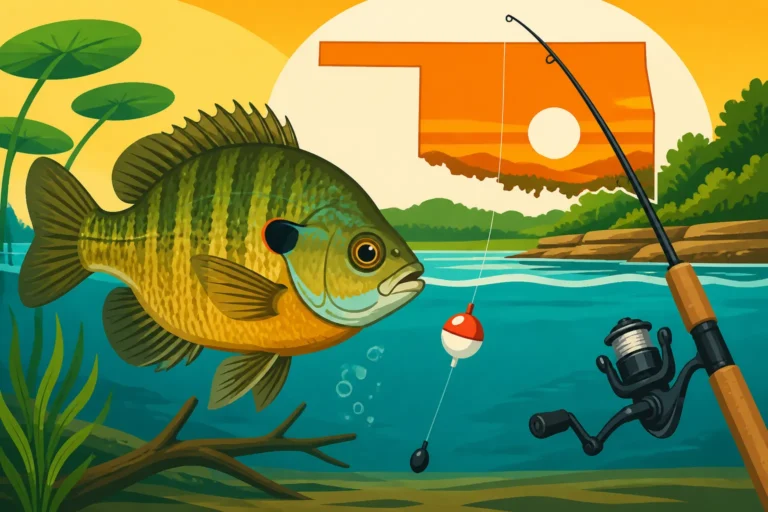
- Sunfish (Perch): These are hands down the most popular and often most effective live bait for flatheads. Bluegill, green sunfish, and other panfish are abundant in most Oklahoma lakes and rivers, making them easy to catch yourself or sometimes purchase. They are incredibly hardy, meaning they'll stay alive on your hook longer, and their broad profile and strong swimming action create plenty of vibration to draw attention. A 4-6 inch sunfish is often ideal, but don't shy away from bigger ones if you're targeting trophy flatheads. The bigger the bait, the bigger the potential fish.
- Shad: While a bit more delicate to keep alive, gizzard shad and threadfin shad are absolute magnets for flatheads, especially in larger reservoirs where shad make up a significant portion of the flathead's diet. Their silvery flash and erratic movements are incredibly enticing. If you can keep them lively, a 6-8 inch gizzard shad is hard for a big flathead to pass up. Using a cast net to gather fresh shad before your night trip can significantly increase your chances.
- Carp (Small): Believe it or not, small carp, particularly common carp or buffalo, can be excellent flathead bait. Their tough scales and robust nature make them very durable on the hook. A small carp, around 6-10 inches, is a hearty meal that can withstand a lot of abuse from currents or smaller fish before a flathead decides to strike.
- Suckers: Creek chubs, golden shiners, and other suckers are also fantastic choices. They're often found in rivers and streams, areas where flatheads frequently hunt. Their elongated bodies and active swimming patterns make them highly visible and attractive, especially when presented near structure.
When choosing your live bait, remember local regulations on bait collection and size limits. Always ensure you're using legal bait. For more on what these giants eat, you might be interested in Channel Catfish vs Blue Catfish vs Flathead Catfish in Oklahoma.
Other Effective Nighttime Flathead Baits (When Live Fish Aren't an Option)
While live fish are generally the top choice, there are times when they might not be available or practical. In such situations, a few other options can still produce flathead strikes, though often with less consistency than a lively sunfish. It's crucial to understand that even with these alternatives, the key is still freshness and mimicking natural prey as much as possible.
Fresh Cut Bait (Large Chunks)
Unlike channel catfish that will readily eat slightly older cut bait, flatheads prefer their cut bait to be as fresh as possible, ideally still bleeding or pulsating. This signals a recently injured or dead fish, which is a much easier target than a healthy one. The scent trail is vital here, but so is the visual appeal and even some residual movement from the current.
- Whole or Large Chunks of Shad: If you can't keep shad alive, a freshly killed and whole, or a very large chunk of shad, can sometimes tempt a flathead. The oil and blood trail are strong attractants. You'll want to use a piece large enough that smaller fish can't easily strip it from your hook.
- Perch Fillets: While using a whole live perch is better, if one dies, a large fillet or a butterflied whole perch can still be effective. Ensure the cut is clean and the bait still has a strong, fresh scent.
- Filleted Carp: Similar to shad and perch, a large fillet from a freshly caught carp can work. The tough skin helps keep it on the hook, and carp are quite oily, producing a good scent trail.
The trick with cut bait for flatheads is to make it look like a fresh, easy meal. Don't use small pieces; think substantial, meaty offerings that a big predator would go after. For more general advice on bait, check out Best Bait for Catfish in Oklahoma Lakes and Rivers.
Bait Presentation and Rigging for Night Fishing Flatheads
Having the best bait is only half the battle; how you present it to the flathead makes all the difference, especially in the dark. Flatheads are often structure-oriented, hiding near submerged timber, rock piles, or ledges, waiting to ambush prey. Your goal is to get your live bait right into their strike zone without getting hopelessly snagged.
Common Rigs for Live Bait
- Carolina Rig (Santee Rig): This is a classic for a reason. It allows your bait to swim freely within a limited radius while keeping your weight on the bottom. You'll use an egg sinker (or flat sinker in current) above a swivel, followed by a leader (often 18-36 inches of heavy monofilament or fluorocarbon) and a large, sharp circle hook. The length of the leader can be adjusted based on how far you want your bait to swim off the bottom or around structure.
- Three-Way Swivel Rig: Excellent for fishing in current or presenting bait directly over deeper structure. A three-way swivel allows you to tie your main line to one eye, a sinker line (often lighter so you can break it off if snagged) to another, and your leader with the hook to the third. This rig keeps your bait elevated off the bottom and allows it to drift naturally with the current.
- Float Rig (Bobber Rig): For fishing shallower flats, submerged timber, or along weed lines, a large slip float can be incredibly effective. It suspends your bait at a predetermined depth, keeping it out of snags on the bottom while allowing it to cruise freely. A light stick or chemical light attached to the float makes it visible in the dark.
No matter the rig, always use heavy-duty components. Flatheads are incredibly powerful, and they live in abrasive environments. Heavy mono or fluorocarbon leaders (50-80 lb test) and strong, large circle hooks (8/0 to 12/0 depending on bait size) are essential. When rigging live fish, hook them carefully through the lips (upper lip or both lips) or lightly through the back, just above the lateral line, ensuring the hook doesn't impede their swimming. Remember, a live bait that looks injured but can still swim is often the most tempting. Many anglers buy bulk packs of sturdy hooks from retailers like Amazon to ensure they're always prepared.
Here's a quick comparison of popular live baits for flatheads:
| Bait Type | Pros | Cons | Best Use |
|---|---|---|---|
| Sunfish | Very hardy, strong action, readily available | Can be too small for trophy flatheads if not chosen well | All types of water, structure, and current |
| Shad | High oil content, strong scent, natural prey | Fragile, hard to keep alive, can be stripped easily | Open water, river channels, larger lakes |
| Small Carp | Extremely hardy, large profile | Can be harder to catch/acquire, less natural action | Heavy current, deep holes, targeting monsters |
| Suckers | Good action, moderate hardiness | Less common in some areas | Rivers, creek mouths, timbered areas |
Timing and Location: Maximizing Your Night Fishing Success
Beyond just bait, understanding when and where to fish at night for flatheads dramatically boosts your chances. Flatheads are creatures of habit, and knowing their nocturnal movements is just as important as knowing their preferred meal. You can learn more about finding them in Trophy Catfish Spots in Oklahoma.
Prime Nighttime Flathead Locations
- River Bends and Confluence Points: In rivers, flatheads love deep bends where current creates scour holes, or where two rivers/creeks meet, forming eddies and current seams. These are natural ambush points.
- Submerged Timber and Brush Piles: Flatheads are kings of cover. Look for flooded timber, laydowns, or brush piles, especially those near deeper water or channel edges. These provide both shelter and ambush points for passing baitfish.
- Rock Piles and Riprap: Rock structures, whether natural or man-made (like riprap along causeways), attract baitfish and crawfish, which in turn attract flatheads. Fish the edges of these structures.
- Shallow Flats Adjoining Deep Water: At night, flatheads often move from their deep daytime haunts onto shallower flats to feed. Look for flats with scattered cover or those adjacent to a river or creek channel.
- Bridge Pilings: Bridges create current breaks and deep holes, and their pilings offer excellent cover. Baitfish congregate around them, making them prime flathead territory.
Best Time for Night Fishing
The entire night isn't equally productive. There are usually peak windows:
- First Few Hours After Sunset: This is often the prime feeding window as flatheads first emerge from their daytime cover. They're typically hungry and aggressive.
- Around Midnight: Many anglers report another strong bite window around midnight, especially on clear, calm nights.
- Pre-Dawn: Just before sunrise, as flatheads are preparing to retreat to deeper cover, there can be a final flurry of activity.
Moon phase can also play a role. Some anglers swear by dark, new moon nights for the best flathead action, as the reduced light makes flatheads less cautious. Others prefer a bright full moon, believing it helps flatheads visually track prey in slightly clearer water. Experiment and see what works best on your local waters. When you're out there late, having a good headlamp or a light like those often available on Amazon is indispensable. If you're looking for broader night fishing tips, check out Night Fishing Techniques.
Gear and Safety for Nighttime Flathead Adventures
Night fishing for flatheads is an immersive experience, but it also requires specific gear and a heightened awareness of safety. You're dealing with powerful fish, in the dark, often around dangerous structure.
Essential Gear
- Heavy Rods and Reels: You need powerful gear to pull big flatheads out of heavy cover. Medium-heavy to heavy action rods (7-10 feet) paired with stout baitcasting or spinning reels loaded with 50-80 lb braided line are standard.
- Strong Leader Material: As mentioned, 50-80 lb mono or fluorocarbon leader material is crucial.
- Large Circle Hooks: Sizes 8/0 to 12/0 are common.
- Weights: Egg sinkers, flat sinkers, or pyramid sinkers ranging from 1 to 8 ounces, depending on current and depth.
- Bait Tank/Aerator: Non-negotiable for keeping live bait active.
- Headlamp or Spotlight: Hands-free lighting is essential for rigging, baiting, and landing fish. Always have a backup!
- Gloves: Heavy-duty gloves protect your hands from flathead teeth, fins, and rough handling.
- Pliers/Hook Removers: Long-nosed pliers or specialized hook removers are vital for safe hook extraction.
- Landing Net or Gripper: A large, sturdy net or a heavy-duty fish gripper for safely landing big fish.
- First Aid Kit: Accidents happen, especially in the dark. Be prepared.
- Bug Spray: Mosquitos and other insects can be relentless at night, especially near water.
- Navigation: If on a boat, ensure all navigation lights are working, and have a reliable GPS or chart plotter. Know your way around the water body, especially the hazards. For more on gear, consult Best Gear for Catfish Fishing in Oklahoma.
Safety First
- Tell Someone Your Plans: Always let someone know where you're going and when you expect to return.
- Wear a Life Jacket: If fishing from a boat, wear a life jacket, especially when moving or in rough conditions.
- Be Aware of Your Surroundings: Watch out for slippery banks, submerged objects, and wildlife.
- Stay Hydrated and Fed: Bring plenty of water and snacks.
- Weather Check: Always check the weather forecast before heading out. Oklahoma weather can change rapidly.
Fishing for flatheads at night is an incredible experience that tests your patience, skill, and gear. But with the right live bait, proper presentation, and a keen understanding of their nocturnal habits, you'll be well on your way to battling one of Oklahoma's most formidable freshwater predators under the stars. Remember to always respect the fish and the environment, and be mindful of Oklahoma's Catfish Fishing Rules and Limits.
Disclaimer
This article is for general informational purposes only and does not constitute professional advice. Laws, prices and regulations vary by location and change over time. Consult a qualified professional for guidance on your specific situation.