Where to Catch Stocked Trout in Winter
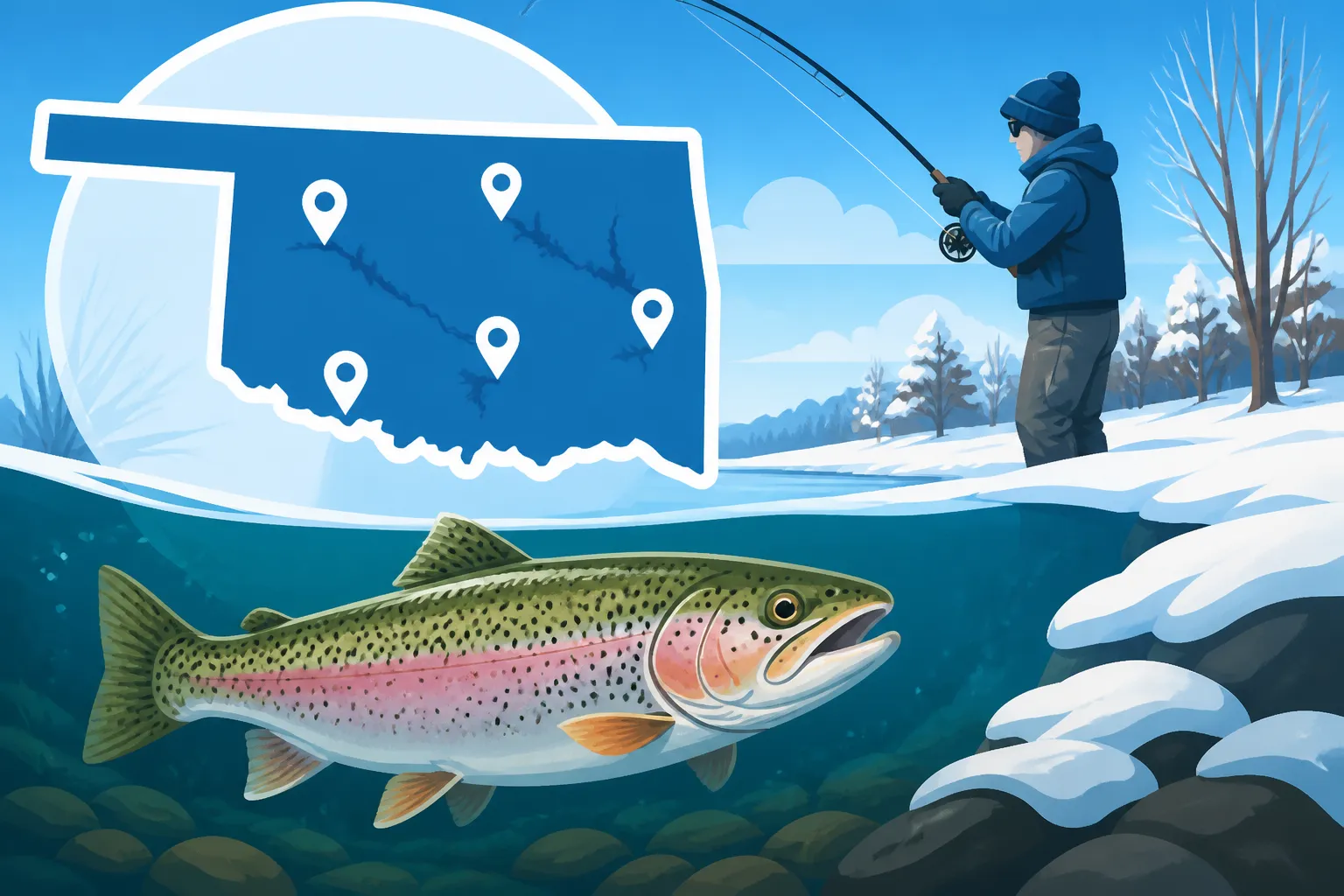
When the chill winds blow across Oklahoma and many of our favorite fishing holes slow down, it can feel like your angling opportunities are drying up. That frustrating lull in the action during the colder months often leaves us dreaming of spring. But what if I told you that winter in Oklahoma actually opens up some fantastic, often overlooked, fishing opportunities? This comprehensive guide is here to tell you exactly where you can cast a line for stocked trout and keep your fishing passion alive, even when the temperatures plummet.
Understanding Oklahoma's Winter Trout Program
For many anglers, winter means slower fishing, fewer bites, and often, staying home curled up with a warm drink. It’s a real challenge to maintain that fishing enthusiasm when the bass aren't biting and the crappie have gone deep and dormant. That's precisely why the Oklahoma Department of Wildlife Conservation (ODWC) introduced its winter trout stocking program. It's a brilliant initiative designed to keep rods bent and spirits high during the colder parts of the year, providing a unique and often action-packed alternative to traditional warm-water species.
Why Winter Trout Fishing is a Lifesaver for Anglers
Think about it: many of us live for the thrill of the strike, the bending rod, and the fight. When lakes cool down significantly, species like largemouth bass, catfish, and even crappie become much less active, feeding less frequently and often retreating to deeper, more stable water. This makes them incredibly challenging to find and entice. The frustration of endless casting without a single nibble can quickly wear down even the most dedicated angler. This is where trout come in.
Trout, particularly the rainbow trout that are predominantly stocked in Oklahoma, thrive in colder water. Their metabolic rates are higher in chillier conditions, making them more active and willing to feed when other fish are sluggish. This means that a winter trout fishing trip can offer consistent action and a welcome reprieve from the "winter blues" that often accompany the off-season for warm-water species. It's an opportunity to experience a different kind of fishing right here in the heart of Oklahoma, keeping your skills sharp and your passion ignited until spring arrives. Plus, for those new to fishing or looking for a more relaxed outing, these stocked areas often provide easier access and a higher chance of success.
The Oklahoma Department of Wildlife Conservation's Role
The ODWC is truly the unsung hero behind these winter fishing opportunities. They meticulously plan and execute the stocking of rainbow trout in various designated areas across the state, ensuring that anglers have viable options when the weather turns cold. These stockings are typically a "put-and-take" fishery, meaning the trout are introduced primarily for anglers to catch and keep, rather than for long-term population establishment, though some areas do support year-round trout populations.
The program focuses on locations where water temperatures remain suitable for trout through the winter, or where there's a good chance for public access and recreational enjoyment. While specific schedules can vary year to year, the general window for these winter stockings usually runs from late fall through early spring. It's always a good idea to consult the ODWC's official publications for the most current stocking dates and locations. They do a fantastic job of keeping anglers informed, so you can plan your trip right after a fresh batch of trout has been introduced, maximizing your chances for a successful day on the water. Remember, having a valid Fishing License Requirements in Oklahoma and understanding Oklahoma Fishing License Costs and Types is crucial before you head out.
Top Stocked Trout Fisheries for Winter Angling
Oklahoma might not be the first state that comes to mind when you think of trout fishing, but thanks to the ODWC's efforts, we have some genuinely fantastic spots to chase these cold-water beauties, especially during the winter. These locations are specifically managed to provide optimal conditions for trout, offering distinct experiences from the serene, natural beauty of river tailwaters to accessible urban ponds perfect for a quick trip.
Designated Trout Areas: The Year-Round Stars
Some of Oklahoma's trout fisheries are so exceptional that they're managed as year-round trout areas, thanks to consistently cold water. These are often river tailwaters, where deep water released from dams maintains chilly temperatures even in the height of summer, but they absolutely shine in winter.
The Lower Mountain Fork River near Broken Bow is, without a doubt, Oklahoma's premier trout destination. This stunning river, flowing below the Broken Bow Lake dam, offers crystal-clear, cold water that supports a robust population of rainbow and even some brown trout year-round. It's a true gem, drawing anglers from all over the region. The river is divided into different zones, each with its own specific regulations, including artificial-lure-only sections and barbless hook requirements in some areas to protect the fishery. Fishing here in winter means fewer crowds than in warmer months, allowing for a more peaceful and immersive experience. You'll often find anglers wading, fly fishing, or using small spinners and jigs from the bank. It's an absolutely gorgeous place to spend a winter day, surrounded by the natural beauty of southeastern Oklahoma. For more details on what to expect, check out Trout Fishing in Oklahoma: Rainbow and Brown Trout.
Another fantastic, year-round trout fishery is the Illinois River below Tenkiller Ferry Lake. While perhaps not as renowned as the Lower Mountain Fork for its trout, it offers excellent opportunities, especially in its designated trout section. The cold-water releases from the dam create suitable habitat, and the ODWC regularly stocks this area. Winter fishing on the Illinois River can be wonderfully productive, particularly for those who enjoy drifting small baits or casting ultralight lures. The river's scenic beauty, with its towering bluffs and clear waters, provides a stunning backdrop for a winter fishing adventure. Just like the Lower Mountain Fork, it's vital to be aware of the specific regulations for the trout section, as they can differ from general state fishing rules.
Seasonal Trout Ponds and Lakes: Urban Gems
Beyond the year-round tailwaters, the ODWC provides fantastic seasonal trout opportunities by stocking various urban and state park ponds and lakes across Oklahoma. These spots are perfect for quick trips, family outings, or for anglers who prefer easy bank access. The fish are stocked for immediate angling pleasure, making for a fun and often productive day.
- Lake Carl Etling in the Oklahoma Panhandle is a prime example of a seasonal trout lake. Nestled in Black Mesa State Park, this remote fishery gets regular winter stockings and offers a truly unique angling experience. The stark, beautiful landscape combined with the chance to catch trout makes it a must-visit for many.
- Near Oklahoma City, you often find ponds like Dolese Youth Park Pond (check current schedules as these can change), which are regularly stocked through the winter. These urban ponds are incredibly popular because they offer easy access for city dwellers and a high chance of catching fish, making them perfect for beginners or a quick fishing fix.
- Lake McMurtry near Stillwater is another location that has historically received winter trout stockings. Its larger size means you might need to explore a bit, but the rewards can be significant.
- Robbers Cave State Park Lake in eastern Oklahoma often joins the list of stocked lakes, offering trout fishing amidst breathtaking scenery.
- The Blue River Public Fishing and Hunting Area in southern Oklahoma also has a dedicated trout section during the winter months, providing another excellent riverine experience with consistent stockings.
These seasonal spots are typically stocked more frequently than the year-round areas during the winter, ensuring a fresh supply of eager trout. They are ideal for introducing kids to fishing, as the chances of success are quite high. Don't forget to check Free Fishing Days in Oklahoma if you're planning a trip around those special dates, though license requirements generally apply for stocked areas outside of those days.
Checking Stocking Schedules for Your Best Shot
Success in winter trout fishing, especially in the seasonal "put-and-take" lakes, often hinges on timing your visit shortly after a stocking. The fish are fresh, active, and usually quite hungry as they adjust to their new environment. While I can't give you real-time updates, the Oklahoma Department of Wildlife Conservation does an excellent job of posting their stocking schedules and locations on their official website. Before you plan your trip, make it a habit to check their "Weekly Fishing Report" or "Trout Stocking Schedule" sections. This simple step can dramatically increase your catch rate and ensure you're heading to a lake or river that has recently received a fresh delivery of trout. Planning your outing for the days immediately following a scheduled stocking can make all the difference, especially if you're targeting Best Time of Year to Catch Trout After Stocking.
| Trout Fishery Type | Key Characteristics | Best for… | Common Regulations | Winter Fishing Experience |
|---|---|---|---|---|
| Year-Round Tailwaters | Consistently cold water, natural river environment | Experienced anglers, fly fishing, natural beauty | Artificial lures, barbless hooks (zones) | Solitude, challenging but rewarding fishing |
| Seasonal Ponds/Lakes | Regularly stocked, easy access, varied locations | Beginners, families, quick trips, high success rate | General state rules, daily limits | Consistent action, convenient, "put-and-take" fun |
Essential Gear and Tactics for Winter Trout
Once you've decided where to go, the next crucial step is making sure you have the right gear and a solid plan. Winter trout, while often eager to bite, can also be finicky, especially in clear, cold water. Having appropriate tackle and understanding effective tactics will significantly increase your success rate and make your cold-weather outing much more enjoyable.
Rods, Reels, and Line for Finicky Trout
When you're targeting trout, especially rainbow trout in clear, cold water, subtlety is key. You'll want to downsize your gear compared to what you might use for bass or catfish.
- Rods: An ultralight or light action spinning rod is ideal. Look for something in the 5 to 6.5-foot range. This length provides excellent sensitivity for detecting light bites and enough flexibility to cast small lures and handle the fight of a feisty trout without tearing the hook out of its delicate mouth. You don't need a heavy backbone; finesse is the name of the game here.
- Reels: Pair your ultralight rod with a small spinning reel, something in the 1000 or 2000 series. These reels are designed for light lines and offer a smooth drag system, which is critical when fighting a trout on thin monofilament or fluorocarbon. You can find some excellent, affordable options for a reliable spinning reel on sites like Amazon.
- Line: This is perhaps the most critical component. Trout have excellent eyesight, especially in clear water, so a thin, low-visibility line is paramount. I typically recommend 4-6 pound test monofilament or fluorocarbon. Monofilament offers a bit of stretch, which can be forgiving, while fluorocarbon is nearly invisible underwater and has less stretch for increased sensitivity. Some anglers even prefer a braided mainline with a 4-6 pound fluorocarbon leader for maximum sensitivity and strength, especially if they're using very light jigs. Keep your knots strong and your line fresh, as nicks and abrasions can lead to heartbreak when that big rainbow finally strikes.
Remember that How Big Do Rainbow Trout Get in Oklahoma can vary, but even smaller ones put up a good fight on ultralight gear!
Best Baits and Lures for Cold Water Trout
Trout in cold water respond well to a variety of baits and lures, but presentation and size are often more important than color. They're looking for an easy, high-calorie meal without expending too much energy.
- Prepared Baits: The classic choice for stocked trout is PowerBait. These dough-like baits come in a multitude of colors and scents and are incredibly effective. Mold a small ball around a tiny treble hook or a single bait hook, making sure it floats off the bottom. Chartreuse, rainbow, and white are often reliable colors. Similarly, canned corn is a surprisingly effective and very affordable option, especially for newly stocked trout who might be used to a pellet diet. Just a few kernels on a small hook can be deadly.
- Live Baits: If allowed, small worms (like red wigglers or mealworms) and salmon eggs are natural choices that trout find irresistible. Present them on a small hook with minimal weight, allowing them to drift naturally with the current or slowly sink in still water.
- Spinners: Small inline spinners, such as those from brands like Mepps or Panther Martin, in sizes #0 to #2, are excellent search baits. Gold, silver, or brass blades, often with a hint of red or orange, work well. Cast them out and retrieve slowly, just fast enough to get the blade spinning. The flash and vibration can trigger aggressive strikes.
- Jigs: Tiny jigs (1/32 to 1/16 ounce) with marabou, chenille, or soft plastic bodies are incredibly versatile. White, black, olive, or subtle earth tones are often effective. Fish them under a small bobber or slowly jig them along the bottom. The subtle movement of the marabou in cold water can be absolutely irresistible. You can often find a great selection of these smaller lures, perfect for trout, on Amazon as well.
- Flies: For the dedicated fly angler, winter offers exceptional opportunities, especially on the Lower Mountain Fork River. Nymphs (like Prince Nymphs, Hare's Ears, or Pheasant Tails), small midge patterns, and even tiny streamers can be very productive. Dead drifting nymphs or slowly stripping streamers are common winter tactics.
No matter your choice, always remember to fish slowly in cold water. Trout are less active, so they appreciate a bait or lure that stays in their strike zone for longer and doesn't require a lot of effort to catch.
Dress for Success: Staying Warm on the Water
Winter fishing in Oklahoma, while rewarding, can also be quite chilly. There's nothing that cuts a fishing trip short faster than being miserably cold. Dressing appropriately isn't just about comfort; it's about safety and endurance.
- Layer, Layer, Layer: This is the golden rule for winter outdoor activities. Start with a moisture-wicking base layer (like merino wool or synthetic materials) to keep sweat away from your skin. Add an insulating middle layer (fleece or down) for warmth. Your outer layer should be waterproof and windproof. A good quality fishing jacket and pants are worth their weight in gold when the wind is whipping off a cold lake.
- Head, Hands, and Feet: These extremities lose heat quickly. A warm beanie or stocking cap is essential. Waterproof, insulated gloves or mittens are a must, especially if you're handling wet lines or fish. For your feet, thick wool socks and insulated, waterproof boots will keep your toes toasty, even if you accidentally step into a shallow puddle.
- Hand Warmers: Keep a few disposable hand warmers in your pockets. They are small wonders that can provide a significant boost of warmth when your fingers start to go numb.
- Hot Drinks: A thermos full of hot coffee, tea, or cocoa can do wonders for your morale and internal temperature on a cold day.
Being prepared for the elements means you can focus on the fishing, not on shivering. Always check the weather forecast before you go, and remember that conditions can change rapidly in Oklahoma. It's better to be over-prepared than under-prepared. Dressing warmly will allow you to stay out longer and enjoy the excellent winter trout fishing that Oklahoma has to offer. You might also find some excellent layering options and insulated gear from outdoor retailers, including those available through Amazon, to help you brave the elements.
Beyond the Catch: Enjoying Your Winter Trout Experience
Winter trout fishing in Oklahoma is more than just catching fish; it's an opportunity to connect with nature during a quieter season and enjoy the unique beauty of our state's waterways. While the thrill of the catch is paramount, there's a broader experience to embrace.
Respecting Regulations and Catch Limits
Before you even make your first cast, it's absolutely crucial to familiarize yourself with the specific regulations for the trout fishery you're visiting. This isn't just good practice; it's a legal requirement and a way to ensure the sustainability of these fantastic programs. The ODWC has detailed rules regarding daily bag limits, size restrictions, and sometimes even tackle restrictions (like artificial lures only or barbless hooks) for certain trout areas, particularly the year-round sections of the Lower Mountain Fork and Illinois Rivers. These rules are in place to protect the fishery and ensure that future generations can enjoy the same opportunities.
For instance, Oklahoma's Senior Fishing License Guide and Fishing License Rules for Kids and Nonresidents in Oklahoma also touch upon who needs a license and any specific exceptions. Always consult the current Oklahoma Fishing Guide, available from the ODWC, to get the most up-to-date information. Ignorance of the law is never an excuse, and game wardens are dedicated to enforcing these regulations to preserve our natural resources. Understanding and adhering to these rules not only keeps you on the right side of the law but also contributes to the health and vitality of Oklahoma's trout fishing future.
Keeping Your Catch Fresh
One of the great joys of a successful fishing trip, especially for stocked species like rainbow trout, is taking home a delicious meal. Trout are renowned for their delicate flavor and firm, flaky flesh, making them a fantastic culinary treat. However, ensuring your catch stays fresh from the water to your plate requires a little planning.
- Cooler and Ice: The most important tool for preserving your catch is a cooler filled with ice. As soon as you decide to keep a fish, dispatch it humanely and place it directly on ice. This rapidly drops the fish's core temperature, slowing down spoilage and preserving its quality. Don't just toss them in a bucket of water; water can actually warm up and degrade the fish faster.
- Bleeding: For even better taste and presentation, many anglers choose to bleed their trout immediately after catching them. You can do this by making a small cut behind the gills. This removes blood from the meat, resulting in a cleaner, milder flavor.
- Cleaning: While some prefer to clean their fish at home, cleaning them streamside (if regulations allow and you properly dispose of entrails) can further enhance freshness. Remove the guts as soon as possible, rinse the fish thoroughly, and then pack it back on ice.
Properly handled trout will be a delightful addition to your dinner table, whether you bake, grill, or pan-fry them. It's a satisfying culmination of a great day out on the water, proving that winter can indeed be a fantastic time to fish in Oklahoma. Whether you're targeting Rainbow Trout Fishing in Oklahoma or just enjoying the quiet beauty, preparing for your catch is part of the experience.
Disclaimer
This article is for general informational purposes only and does not constitute professional advice. Laws, prices and regulations vary by location and change over time. Consult a qualified professional for guidance on your specific situation.