Hybrid Sunfish: What Anglers Should Know
Have you ever heard whispers about a fish that grows faster, fights harder, and is easier to catch than your average bluegill? Many Oklahoma anglers, especially those tending private ponds or simply looking for consistent action, often find themselves curious about hybrid sunfish. These unique panfish offer a thrilling experience, but knowing what makes them tick, where to find them, and how to best target them can be a bit of a mystery. This comprehensive guide will unravel the fascinating world of hybrid sunfish, providing all the insights you need to make your next fishing trip a resounding success.
Understanding Hybrid Sunfish: What Are They Exactly?
It's easy to assume a sunfish is just a sunfish, but the world of panfish is surprisingly diverse, and hybrid sunfish represent a fascinating biological twist. Unlike naturally occurring species, these fish are the result of cross-breeding, typically involving two common sunfish varieties. They inherit a unique combination of traits that make them stand out, both in appearance and behavior.
The Hybrid Difference: Bluegill and Green Sunfish Crosses
The most common hybrid sunfish you'll encounter, especially in pond stocking programs, is a cross between a male bluegill and a female green sunfish. This particular pairing is popular because of the unique genetic advantages it confers. When these two species interbreed, their offspring often exhibit what's known as "hybrid vigor," meaning they grow larger and faster than either parent species. It's a bit like getting the best of both worlds – the bluegill's classic panfish shape and schooling tendencies, combined with the green sunfish's aggressive nature and hardiness. You might even find other crosses, but the bluegill x green sunfish is definitely the heavyweight champ in the hybrid world. Hybrid Sunfish: What Anglers Should Know is a great resource if you're looking for more details on their genetic makeup.
These hybrids are often referred to by various names, sometimes simply "hybrid bluegill" or "sunfish hybrids." While they look similar to their parent species, experienced anglers can often spot the difference. The beauty of these specific hybrids for pond owners is that a high percentage of the offspring from this cross are male, which naturally limits reproduction. This is a huge advantage for pond management, as it prevents overpopulation and stunting, which are common issues with pure bluegill populations if not properly managed.
Key Identification Marks and Behaviors
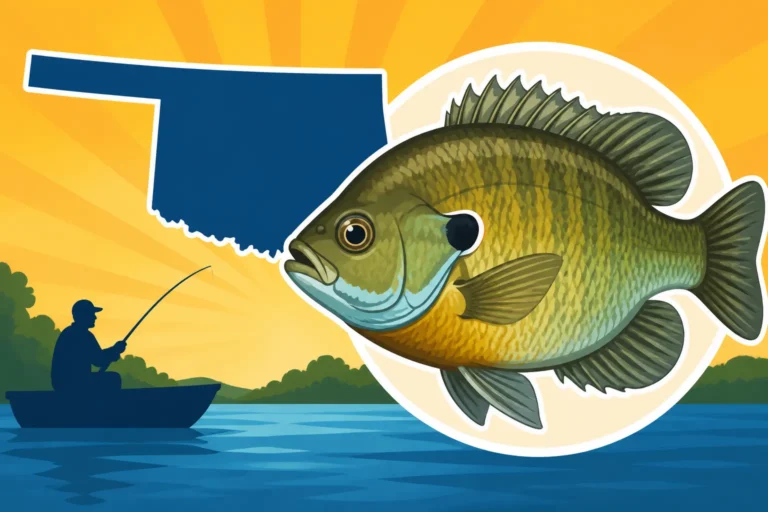
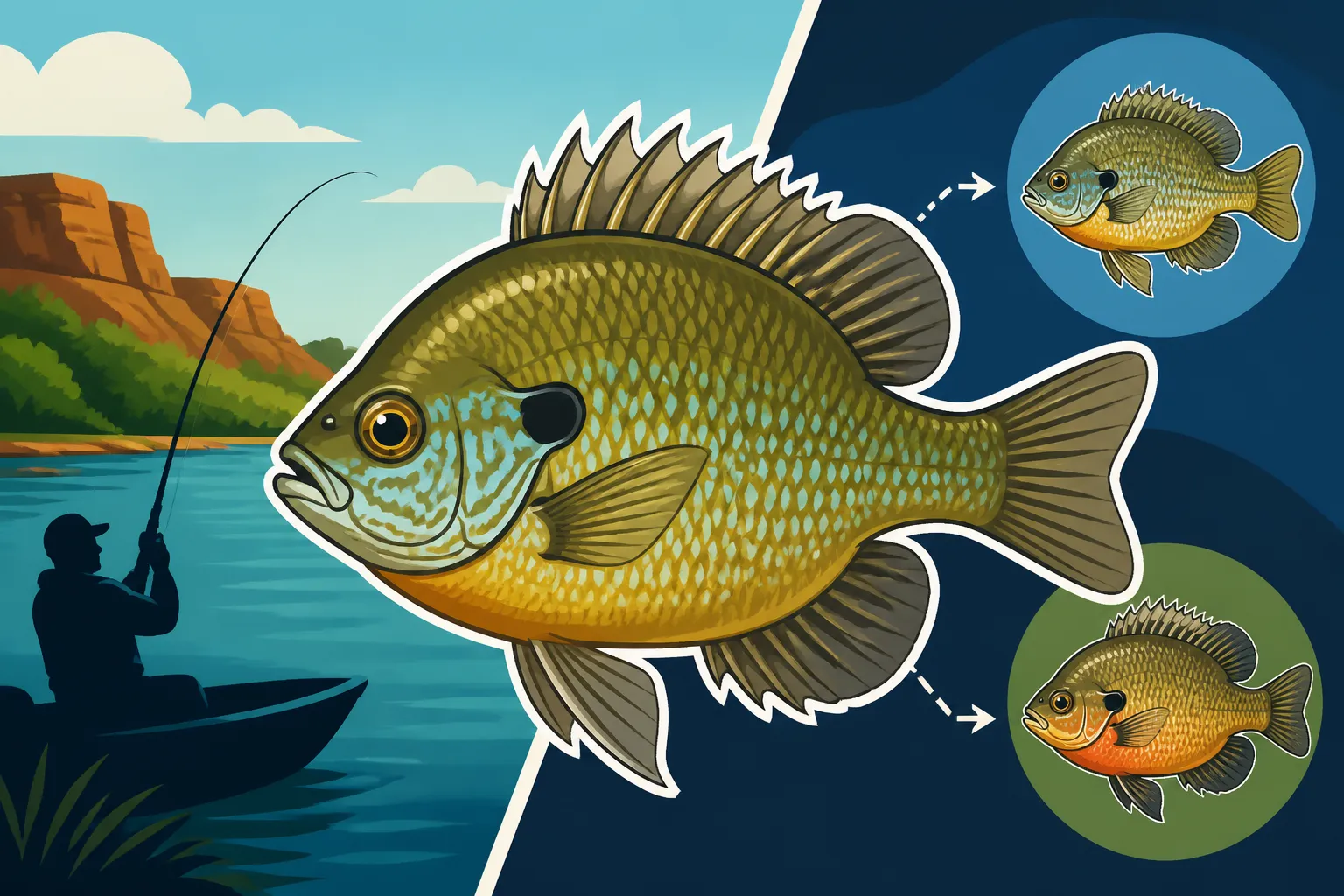
Identifying a hybrid sunfish can sometimes be tricky, as they often display a mix of traits from their parent species. However, there are a few key characteristics to look for. Generally, they tend to be chunkier and deeper-bodied than a pure bluegill, with a slightly larger mouth that hints at their green sunfish lineage. The coloration can vary widely, but often you'll see a blend of the iridescent blue on the gill plate common to bluegill, mixed with the more mottled, olive-green tones of a green sunfish. The distinctive "ear flap" on their operculum (gill cover) might also be a blend, often a bit thicker and less distinct than a pure bluegill's.
| Feature | Pure Bluegill | Green Sunfish | Hybrid Sunfish (Bluegill x Green) |
|---|---|---|---|
| Body Shape | Deep, compressed, somewhat round | Robust, elongated, large mouth | Deep, robust, often chunkier than pure bluegill |
| Mouth Size | Small, upturned | Large, extends past eye | Medium to large, larger than bluegill's |
| Ear Flap (Operculum) | Small, entirely black, flexible | Large, black with pale margin, rigid | Variable, often thicker, sometimes with pale margin |
| Pectoral Fin | Long, pointed, extends past eye | Short, rounded | Intermediate length, often rounded |
| Coloration | Olive-green to dark blue, vertical bars often present | Olive to dark green, mottled, often blue spots | Mix of parent colors, often iridescent blue/green tones |
| Growth Rate | Moderate | Moderate | Rapid, often larger at younger ages |
| Aggression | Moderate | High | High |
Behaviorally, hybrid sunfish are often more aggressive than bluegill, a trait inherited from the green sunfish. This means they are less finicky and more willing to strike a variety of baits and lures, making them an excellent target for beginners and seasoned anglers alike. They also tend to school, much like bluegill, which means if you find one, you've likely found a whole group ready for action. Learning these nuances can significantly improve your success, whether you're targeting them specifically or just trying to identify a surprise catch. For more on distinguishing panfish, check out Bluegill's Blue-Black Ear Flap vs the Green Sunfish's Olive Body.
Why Hybrid Sunfish Are So Popular for Anglers
It’s no secret that anglers love a good fight and a consistent bite. Hybrid sunfish deliver on both fronts, which is why they’ve become a favorite, particularly for those managing private fisheries or introducing newcomers to the sport. Their unique attributes address many of the common frustrations anglers face when targeting other panfish species.
Rapid Growth and Aggressive Strikes
One of the biggest draws of hybrid sunfish is their incredible growth rate. They simply get bigger, faster, than their purebred counterparts. This means pond owners can stock them and see harvestable-sized fish in a relatively short amount of time. For the angler, it means a better chance of reeling in a larger, heavier fish that puts up a more spirited battle. Imagine a panfish that pulls like a small bass – that's the kind of excitement hybrid sunfish can bring to your line. This robust growth is part of that "hybrid vigor" we discussed earlier, making them a fantastic option for putting meat in the cooler or just enjoying some serious bent-rod action.
Beyond their size, hybrid sunfish are notoriously aggressive. They rarely turn down a meal, which makes them incredibly fun to catch. They hit baits and lures with enthusiasm, often taking the offering without hesitation. This aggressive nature is a blessing for anglers, as it reduces the frustration of picky eaters and offers a more consistent bite throughout the day. You don't have to be quite as subtle or specialized with your presentations, which is a huge relief when you're just looking to relax and catch some fish.
Ideal for Pond Management and Family Fishing
For private pond owners in Oklahoma, hybrid sunfish are a dream come true. Their sterile or near-sterile nature means they don't reproduce excessively, preventing the common problem of overpopulation that often leads to stunted bluegill in unmanaged ponds. This allows the fish to grow larger and healthier without competing for limited food resources. You can stock them with confidence, knowing they'll maintain a healthy population size without becoming a nuisance. This also means clearer water, as fewer small fish stirring up the bottom lead to better water quality. It's a win-win for both the fish and the pond ecosystem.
Furthermore, their aggressive biting and larger size make them the perfect fish for introducing kids and beginners to fishing. There's nothing more disheartening for a budding angler than sitting for hours without a bite. Hybrid sunfish virtually guarantee action, building confidence and fostering a love for the sport. Their strong pull on the line is exciting, and even a small hybrid can feel like a trophy to a youngster. Setting up a simple bobber and worm rig is all it takes, and the excitement of a splashing fish can create lifelong memories. Best Beginner Fish for Kids Just Starting Out is a fantastic read if you're planning a trip with the little ones.
Where to Find Hybrid Sunfish in Oklahoma Waters
While they aren't native, hybrid sunfish have found a comfortable niche in Oklahoma's aquatic landscape, primarily due to their popularity in pond stocking. Knowing where they thrive can significantly improve your chances of a successful outing.
Private Ponds and Stocked Lakes
The absolute best place to find hybrid sunfish in Oklahoma is in private ponds and small, managed lakes. Many landowners stock these fish because of their excellent growth rate and manageable populations. If you have access to a friend's farm pond or a local private fishing club, there's a very good chance hybrid sunfish are swimming there. These environments are typically well-maintained, with good forage bases that allow the hybrids to reach impressive sizes. They're stocked specifically to provide consistent angling opportunities, so you can expect a productive day.
Sometimes, smaller public lakes or community fishing programs will also stock hybrid sunfish to boost angling opportunities, especially in areas where traditional panfish populations might struggle with overpopulation or stunting. It's always a good idea to check with the Oklahoma Department of Wildlife Conservation (ODWC) or local parks and recreation departments for stocking reports if you're looking for public access to these feisty fighters. A quick call or website check can save you a lot of time and direct you to the prime spots.
Accidental Hybrids in Public Waters
While less common, you can sometimes stumble upon hybrid sunfish in larger public reservoirs and natural lakes. These are usually the result of accidental interbreeding between native bluegill and green sunfish populations, especially in areas where their habitats overlap or where environmental factors might stress one species, leading to cross-breeding. These "wild" hybrids might not grow as uniformly large as their stocked counterparts, as they face more competition and less managed forage, but they still retain that aggressive strike.
Look for them in similar habitats to where you'd find bluegill and green sunfish: around submerged structure, weed lines, docks, and rocky shorelines. They’re less likely to be the dominant panfish species in these larger bodies of water, but catching one can be a fun surprise. It’s a testament to the hardiness of these fish that they can persist even outside of controlled environments. Remember, whether intentional or accidental, Do Oklahoma Ponds Hold Hybrid Sunfish? is a question many anglers ponder, and the answer is a resounding "yes" for private waters and a "sometimes" for public ones.
Top Techniques for Catching Hybrid Sunfish
Catching hybrid sunfish isn't rocket science, which is part of their charm! Their aggressive nature means they're usually eager to bite. However, employing a few specific techniques and bait choices can make your outing even more productive and ensure you're landing those bigger, harder-fighting fish.
Bait, Lures, and Tackle Choices
When it comes to bait, hybrid sunfish are not picky eaters. Live bait is almost always a winner. Small worms, like red wigglers or pieces of nightcrawlers, are classic choices that rarely fail. Crickets, grasshoppers, and even small minnows can also be incredibly effective, especially for larger hybrids looking for a more substantial meal. You can usually find these baits at local tackle shops or even in your backyard. Don't overthink it; natural offerings are often best.
For those who prefer artificial lures, hybrid sunfish will readily strike a variety of small presentations. Tiny jigs, often weighing 1/32 to 1/16 ounce, tipped with a small plastic grub or tube bait, are deadly. Colors like chartreuse, white, and black are consistent producers. Small spinners and spoons, like a Rooster Tail or a tiny Kastmaster, also work wonders. The key is to keep the lure size appropriate for their mouths, which, remember, are a bit larger than a pure bluegill's. Don't forget to tie on a swivel to prevent line twist when using spinners.
Your tackle setup can be quite simple. A light to ultralight spinning rod and reel combo is perfect. This allows for long, accurate casts with small baits and lures, and it makes even a modest hybrid feel like a monster. A 4 to 6-pound test monofilament or fluorocarbon line is usually sufficient, offering a good balance of strength and sensitivity. A small, sharp hook, size 8 or 10, will help you get a solid hookset without hindering the bait's presentation. If you're looking to upgrade your setup, consider a Best Rod and Reel Combo for Crappie Fishing as many of those setups translate well for hybrid sunfish.
Strategies for Different Fishing Scenarios
Whether you're fishing from the bank, a dock, or a boat, there are strategies to maximize your hybrid sunfish catch. From the bank or a dock, focus on casting near any visible structure: fallen trees, weed lines, lily pads, or even boat docks. These are prime hiding and ambush spots for sunfish. A simple bobber rig, allowing your bait to suspend just above the structure, is incredibly effective. Watch your bobber closely; those aggressive strikes can sometimes pull it under quickly!
If you're fishing from a boat, you have the advantage of covering more water. Use your fish finder to locate schools of baitfish or submerged brush piles, which often hold concentrations of hybrids. Trolling tiny jigs or spinners slowly along contours or near structure can be very productive. Alternatively, anchoring upwind of a promising spot and casting towards it allows you to thoroughly work an area. Don't be afraid to experiment with different depths; sometimes they're near the surface, and other times they might be holding deeper.
Regardless of your setup, pay attention to the time of day and weather conditions. Early morning and late evening are often prime feeding times, especially during warmer months. Overcast days can extend these bite windows. After a rain, when the water might be a bit murky, try baits with strong scents or brightly colored lures that stand out. And remember, organization is key; a well-stocked Best Tackle Box Setup for a Day on the Water will ensure you have everything you need, from extra hooks to different lure options.
Managing Hybrid Sunfish in Private Ponds
For many pond owners, hybrid sunfish aren't just a fun catch; they're a key component of a healthy, balanced fishery. However, proper management is crucial to ensure they continue to thrive and provide excellent angling opportunities year after year.
Stocking and Population Control
The primary reason hybrid sunfish are so highly regarded in pond management is their limited reproductive capabilities. While not always 100% sterile, a high percentage of the common bluegill x green sunfish cross results in male offspring, which significantly curtails uncontrolled breeding. This is a game-changer compared to stocking pure bluegill, which can quickly overpopulate a pond and lead to thousands of stunted, small fish. With hybrids, you avoid that headache.
When stocking, it's generally recommended to introduce them at a rate appropriate for your pond's size and forage base. Consulting with a local fisheries biologist or reputable fish supplier can help you determine the ideal stocking density for your specific situation. Many pond owners will stock hybrid sunfish along with a predator species, like largemouth bass, to help manage any potential natural reproduction from the hybrids and to provide another layer of angling fun. This creates a balanced ecosystem where all fish can grow to a healthy size.
Benefits and Potential Drawbacks
The benefits of stocking hybrid sunfish are clear: fast growth, aggressive strikes, and a naturally managed population size. They offer consistent action for anglers of all skill levels, making your pond a true fishing haven. They can also grow to an impressive size for a panfish, often exceeding a pound, providing a strong fight and a decent fillet. This makes them a fantastic choice for both catch-and-release fun and harvesting for the dinner table.
However, there are a couple of considerations. While their limited reproduction is largely a benefit, it also means you'll need to restock periodically to maintain your desired population levels, as there won't be significant natural recruitment. This is a cost to factor into your pond management plan. Additionally, because they are so aggressive, they can sometimes outcompete smaller, less aggressive species if stocked in an already established pond with other panfish. Careful planning and understanding your pond's existing ecosystem are key to successful management.
Cooking Your Catch: Are Hybrid Sunfish Good to Eat?
After a successful day on the water, there's nothing quite like enjoying the fruits of your labor. And when it comes to hybrid sunfish, you're in for a treat. These feisty panfish are not only fun to catch but also delicious to eat.
Flavor Profile and Texture
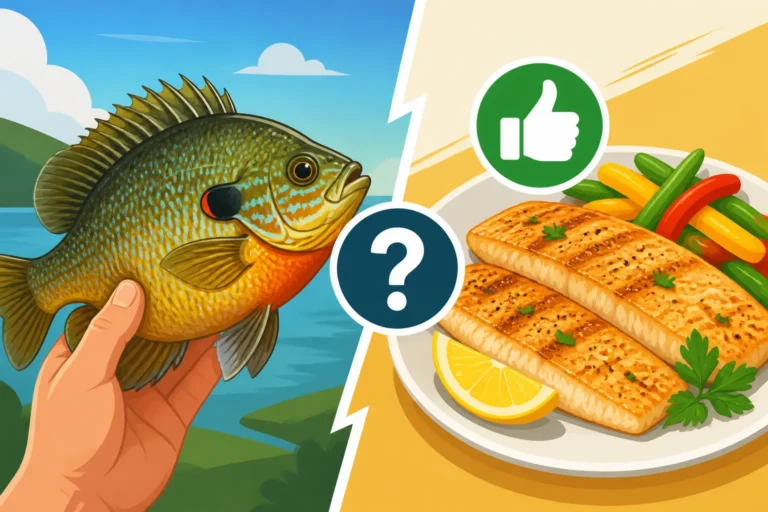
Hybrid sunfish, much like their bluegill parents, offer a wonderfully mild, sweet, and flaky white meat. The flavor is clean and not "fishy," making them a favorite even among those who might be hesitant about eating fish. Because they often grow larger than typical bluegill, you'll find they yield more substantial fillets, making the cleaning process more rewarding. The texture is firm but tender, flaking beautifully when cooked.
They are incredibly versatile in the kitchen. Whether you prefer them pan-fried, baked, grilled, or even air-fried, hybrid sunfish hold their flavor and texture well. Their delicate taste means they pair well with a wide range of seasonings, from simple salt and pepper to more complex rubs and sauces. Just remember to clean them quickly and keep them on ice to preserve that fresh, sweet flavor.
Simple Preparation Tips
Preparing hybrid sunfish for the table is straightforward. Most anglers choose to fillet them, especially the larger ones, to avoid bones. A sharp fillet knife and a bit of practice are all you need. You can find plenty of tutorials online if you're new to filleting panfish. For smaller hybrids, some people simply gut and scale them, then pan-fry them whole; the meat is easy to pick off the bones.
Here’s a classic, foolproof method for cooking hybrid sunfish:
- Rinse and Pat Dry: After filleting, rinse the fillets under cold water and pat them thoroughly dry with paper towels. This helps achieve a crispy crust.
- Seasoning: In a shallow dish, mix cornmeal or a fish fry batter (you can find excellent options on Amazon, like a classic Zatarain's mix) with your favorite seasonings. Salt, black pepper, garlic powder, and a pinch of cayenne pepper are excellent choices.
- Dredge: Lightly dredge each fillet in the seasoned cornmeal mixture, ensuring it's evenly coated.
- Pan-Fry: Heat about a quarter-inch of vegetable oil, peanut oil, or even butter in a heavy-bottomed skillet over medium-high heat. Once hot, carefully place the fillets in the pan, making sure not to overcrowd it.
- Cook: Cook for 2-4 minutes per side, depending on thickness, until golden brown and flaky. The internal temperature should reach 145°F (63°C).
- Serve: Remove from the pan and place on a paper towel-lined plate to drain excess oil. Serve immediately with lemon wedges, tartar sauce, and your favorite side dishes.
The simple joy of catching and eating fresh fish, especially one as delicious and abundant as the hybrid sunfish, is a core part of the fishing experience. Enjoy!
Disclaimer
This article is for general informational purposes only and does not constitute professional advice. Laws, prices and regulations vary by location and change over time. Consult a qualified professional for guidance on your specific situation.