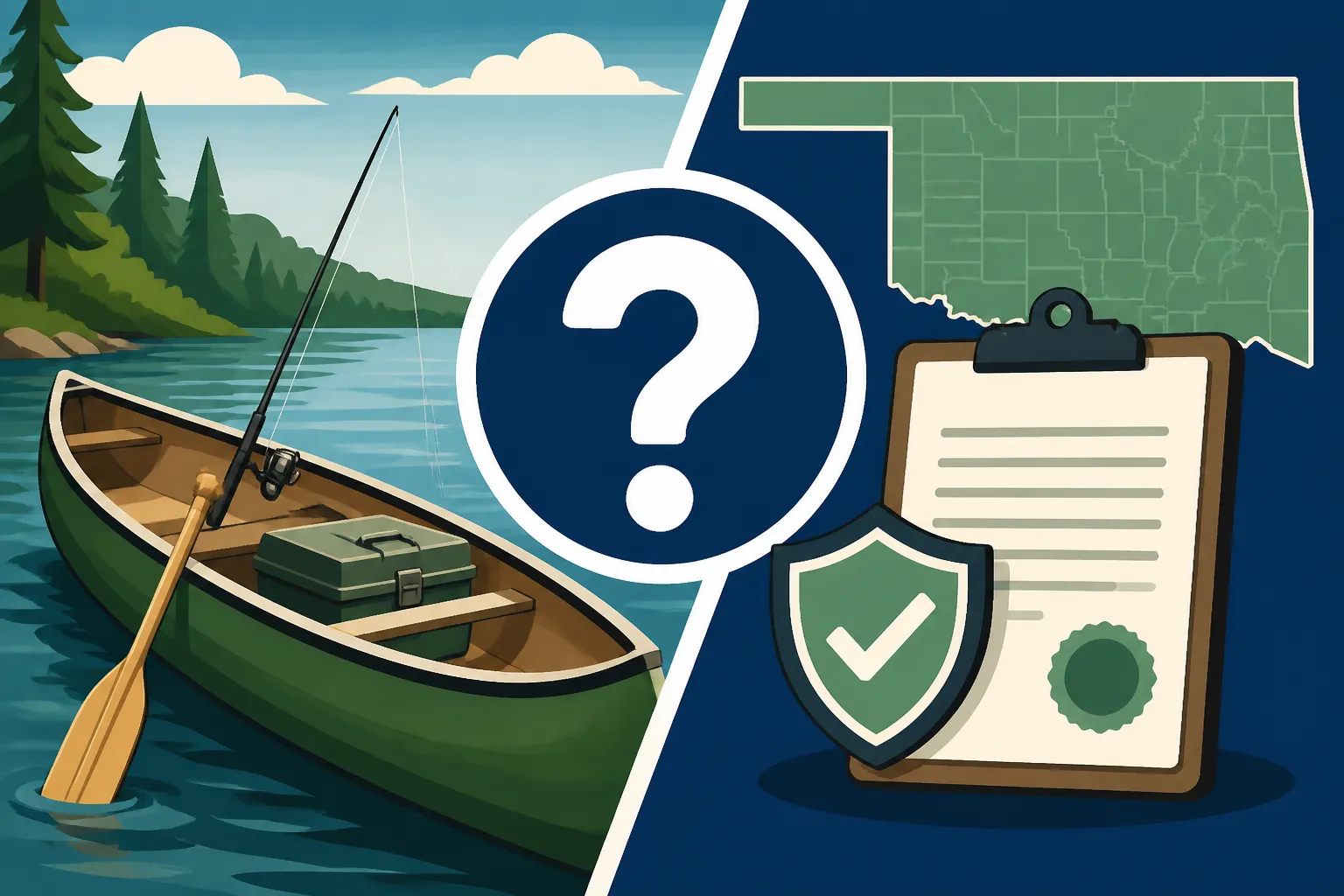
Do Canoes Need a Title in Oklahoma?
It’s a common question that pops into many an Oklahoma angler’s mind: you’ve got a trusty canoe, maybe you just bought one for peaceful paddles on a local pond or a quiet river, and you start wondering, "Do I actually need to title this thing?" The rules around watercraft can sometimes feel like a confusing tangle of paperwork, especially for smaller, unpowered boats. This guide aims to clear up that confusion, diving deep into Oklahoma’s regulations to give you a definitive answer and help you understand when a simple canoe might indeed need a title – or when it's just fine as is.
The Straight Answer: Unpacking Oklahoma's Titling Requirements
Let's cut right to the chase because nobody wants to be guessing when it comes to legal requirements. For most traditional canoes, the good news is that they typically do not need a title in Oklahoma. The state's regulations are designed with a focus on powered watercraft, or those exceeding a certain length and class. A standard, human-powered canoe generally falls outside these specific requirements.
What Exactly Triggers a Title Requirement?
Oklahoma’s titling laws for watercraft are primarily concerned with boats that have mechanical propulsion. Think about it: bigger boats, those with engines, are more complex, often carry more people, and pose different types of regulatory concerns. When the state talks about "boats" that need titling, they are generally referring to vessels that are designed or equipped for mechanical power. This usually includes anything from bass boats to pontoon boats to larger sailboats with auxiliary motors. The core idea is that if it's motorized, there's a higher chance it needs to be officially titled, much like a car. This helps the state track ownership and ensures proper taxation and regulation of more significant vessels on our lakes and rivers.
When you're looking at the forms or talking to folks at the tag agency, you'll often hear them refer to the "type" of vessel. A canoe, in its purest form, is considered a paddlecraft, not a motorboat. This distinction is crucial. If you're simply paddling with a traditional paddle, you're usually in the clear regarding a title.
Canoes and the "Unpowered" Exemption
This brings us to the key exemption that most canoes enjoy: their unpowered nature. In Oklahoma, many small, unpowered vessels like canoes, kayaks, and paddleboards are specifically exempt from the titling and registration requirements that apply to motorboats and larger sailing vessels. This exemption makes sense; imagine the bureaucratic nightmare if every single person who owned a canoe had to go through the full titling and registration process! It would overwhelm the system and likely discourage people from enjoying these simple, environmentally friendly watercraft.
This exemption is a huge relief for many outdoor enthusiasts who just want to enjoy the tranquility of a quiet stream or a peaceful cove without a lot of extra hassle. You can pick up a canoe from a local retailer like Bass Pro Shops, or even order one from Amazon, and as long as you're only using paddles, you don't need to worry about the title. It’s about encouraging access to our beautiful waterways while still ensuring safety and proper oversight for the larger, more impactful vessels. Do Kayaks Need to Be Registered in Oklahoma? follows a similar logic.
Understanding Boat Registration vs. Titling in Oklahoma
Now, before you breathe too big a sigh of relief, let's make sure we understand a critical distinction: titling and registration are two different things, even though they often go hand-in-hand for many types of boats. For some, it's easy to get them confused, but knowing the difference is vital for understanding your responsibilities as a canoe owner.
Why Some Boats Need Both and Others Only One
For larger, powered boats, you generally need both a title and a registration. The title is the legal document proving ownership, much like the title to your car. It’s what you use to transfer ownership when you buy or sell the boat. The registration is typically an annual or biennial process that provides your boat with a unique identification number (the "OK" numbers you see on the side of boats) and a decal that shows you've paid the necessary fees and are compliant with state regulations for operating it on public waters. These two processes work together to ensure accountability and track usage.
However, for a standard canoe, you typically need neither. Because it's unpowered, it doesn't fall under the same ownership tracking requirements as a motorized vessel. And since it doesn't have an engine, it doesn't need to be registered for operational purposes. This is why you won't see "OK" numbers plastered on the side of a solo canoe paddled down the Illinois River. It's a simplified approach that recognizes the difference in impact and regulation needed for various types of watercraft.
The Key Differences for Small Watercraft
The core difference for small watercraft like canoes, compared to motorboats, boils down to propulsion. If your watercraft relies solely on human power – paddles, oars, or pedaling – it's generally categorized differently in the eyes of Oklahoma law. This classification usually exempts it from the bulk of the registration and titling bureaucracy.
| Watercraft Type | Primary Propulsion | Oklahoma Titling Required? | Oklahoma Registration Required? |
|---|---|---|---|
| Canoe (standard) | Human (paddle) | No | No |
| Kayak (standard) | Human (paddle) | No | No |
| Paddleboard | Human (paddle) | No | No |
| Jon Boat (w/ motor) | Motor | Yes | Yes |
| Bass Boat | Motor | Yes | Yes |
| Pontoon Boat | Motor | Yes | Yes |
| Sailboat (w/ motor) | Sail & Motor | Yes | Yes |
| Sailboat (no motor, >16ft) | Sail | Yes (for 16+ ft) | Yes (for 16+ ft) |
Note: This table provides general guidance. Always check the latest official Oklahoma Department of Public Safety (DPS) regulations or consult a tag agency for specific scenarios.
This table clarifies that the presence of a motor is a major determinant. It highlights why many canoes, which are inherently simple vessels, are spared from the red tape. This makes them incredibly accessible for casual fishing trips or serene nature outings. For example, if you just want to put in at a small lake near Oklahoma City for some quiet bluegill fishing, a simple canoe is perfect, and you don't have to worry about the cost or time associated with titling or registering it. Paddleboats and Oklahoma's Boat Registration Rules often share similar exemptions, further emphasizing the human-powered distinction.
When a Canoe Might Still Need Attention
While most traditional canoes are free from titling requirements, there are some very important exceptions and nuances that every canoe owner in Oklahoma should be aware of. Just because it's a canoe doesn't mean it's universally exempt if you start making modifications or using it in certain ways. Overlooking these details could lead to unexpected fines or legal headaches.
Adding a Trolling Motor: The Game Changer
This is where things get interesting, and many canoe owners can mistakenly get into hot water. If you decide to equip your canoe with a trolling motor – even a small, electric one – it fundamentally changes its classification in Oklahoma. The moment you attach any form of mechanical propulsion, your canoe is no longer considered purely "unpowered." It transforms into a motorboat in the eyes of the law, and with that transformation come new responsibilities.
When you add a motor, your canoe suddenly falls under the same titling and registration requirements as other powered vessels. This means you would need to get a title for it and also register it annually. You'd be issued those "OK" numbers, and you'd need to display them clearly on the bow of your canoe, along with the current registration decal. This can be a bit of a shock for someone who thought their canoe was exempt, but the rule is in place to ensure all motorized vessels, regardless of size, are tracked and regulated for safety and enforcement purposes. Imagine a game warden patrolling a lake like Lake Eufaula; they need a consistent way to identify all motorized craft, big or small. How Oklahoma Calculates the 3.25 Percent Boat Registration Fee would then apply based on the canoe's value.
So, if you're thinking about adding a little electric kicker to give your arms a break on a long paddle or to help you cover more water for crappie fishing, be sure to factor in the extra step of titling and registering your newly motorized canoe. It's a small change to the boat but a big change in its legal status.
Commercial Canoes and Other Exemptions
Beyond personal use with a motor, there are other, less common scenarios where a canoe might be subject to different rules. For instance, if you operate a canoe as part of a commercial enterprise – say, you run a canoe rental business on the Lower Mountain Fork River or guide fishing trips with a fleet of canoes – there might be specific commercial licensing or registration requirements that apply, even if the canoes are unpowered. These aren't personal titling rules, but they are regulatory considerations for business operations.
Furthermore, while the general rule applies, always remember that specific areas or bodies of water might have their own local ordinances or rules that go above and beyond state requirements. While rare for unpowered canoes, it's always a good idea to quickly check with local authorities, especially if you're venturing onto waters managed by a city, county, or federal agency that might have unique regulations. This isn't about titling, but about operational rules that can still impact your day on the water. Oklahoma Boat Registration and Titling Rules Explained provides a comprehensive overview of the broader regulatory landscape.
Best Practices for Canoe Owners (Even Without a Title)
Even if your canoe doesn't require a title or registration, being a responsible boater means more than just following the letter of the law. There are several key best practices you should always adhere to, both for your safety and for the well-being of others enjoying Oklahoma's beautiful waterways.
Safety Gear and Respecting the Rules
First and foremost, never skimp on safety. Just because your canoe is exempt from titling doesn't mean it's exempt from crucial safety requirements. The Oklahoma Highway Patrol Marine Enforcement Division, or local game wardens, can and will check for proper safety equipment on all vessels, regardless of whether they're titled or registered.
Here’s a quick rundown of essential safety gear you should always have in your canoe:
- Life Jackets (PFDs): This is non-negotiable. Every person on board must have a readily accessible, Coast Guard-approved life jacket. Children aged 12 and under are required to wear a life jacket at all times when a vessel is underway. Even for adults, it's highly recommended to wear it, especially in colder water or swift currents. Life Jacket Rules for Kids 12 and Under on Oklahoma Boats explains this in detail.
- Whistle or Sound-Producing Device: You need a way to signal for help or warn other boaters. A simple whistle attached to your life jacket is usually sufficient.
- Lights (for night paddling): If you're going to be on the water between sunset and sunrise, or during periods of restricted visibility, you need to display proper lighting. A simple flashlight or an all-around white light can often suffice for a canoe, but make sure it's visible.
- Paddle/Oars: Always have at least one paddle for propulsion, even if you have a motor attached. Mechanical things can fail, and you don't want to be stranded.
Beyond gear, always respect "the rules of the road" on the water. Be aware of larger boats, give them space, and know your right-of-way. Be courteous at boat ramps, especially during busy times. And, of course, never operate any watercraft under the influence of alcohol or drugs. Oklahoma Boat Safety Equipment Checklist is a fantastic resource for ensuring you're fully prepared.
Keeping Tabs on Changing Regulations
The world of regulations isn't static, and neither are the laws governing Oklahoma's waterways. While the rules for canoes have been fairly consistent for a long time, it's always a good idea to stay informed. Legislatures can change laws, and regulatory bodies can update guidelines. What's true today might have a slight modification in the future.
The best way to keep tabs on potential changes is to periodically check the official Oklahoma Department of Wildlife Conservation (ODWC) website or the Oklahoma Department of Public Safety (DPS) Marine Enforcement Division. These are the authoritative sources for all things related to fishing licenses, boat registration, titling, and safety on the water. Joining local fishing or paddling clubs can also be a great way to hear about updates from fellow enthusiasts. A quick check of the regulations once a year before the main fishing season truly kicks off can save you a lot of grief. It ensures you're always fishing legally and safely, whether you're paddling a pristine river or exploring a large reservoir.
Remember, even without a title, your canoe is still a vessel on public waters, and respecting safety and legal guidelines is part of being a good steward of our natural resources.
Disclaimer
This article is for general informational purposes only and does not constitute professional advice. Laws, prices and regulations vary by location and change over time. Consult a qualified professional for guidance on your specific situation.