Best Line Weight for Striped Bass Fishing
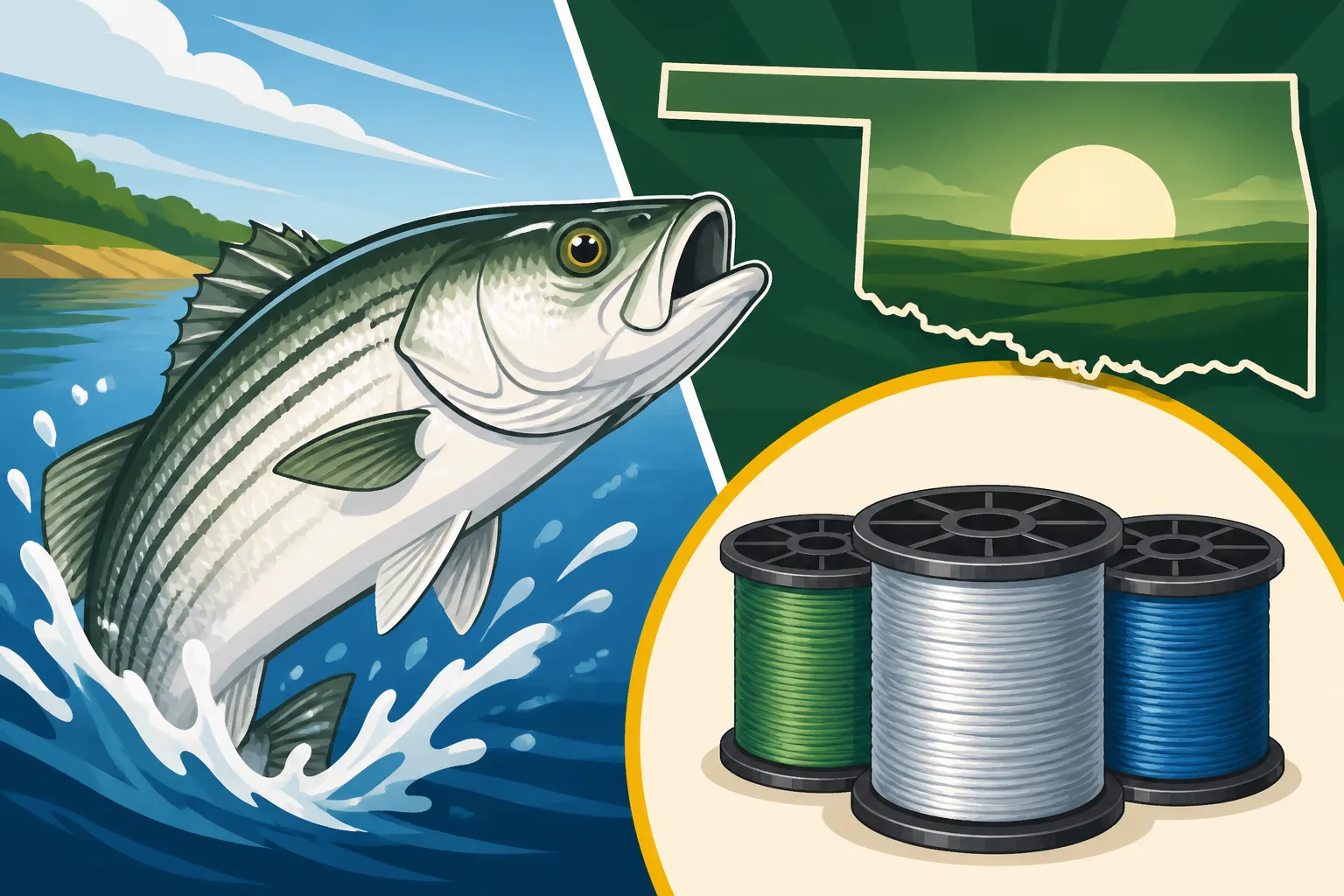
It’s a truly frustrating experience to hook into a monster striped bass, feel that electrifying tug, and then suddenly… nothing. That heartbreaking slack in your line, often a result of an incorrect line choice, is a common tale among anglers in Oklahoma's big lakes. This comprehensive guide is here to ensure that doesn't happen to you again. We're diving deep into selecting the absolute best line weight for striped bass fishing in Oklahoma, covering line materials, techniques, and crucial maintenance tips so you can confidently land those powerful, hard-fighting fish.
The Raw Power of Oklahoma Striped Bass
Oklahoma's reservoirs, especially a legendary spot like Lake Texoma, are renowned for their striped bass populations. These aren't your average panfish; stripers are built for speed and power, and they put even the most seasoned anglers to the test. Understanding their unique characteristics is the first step in choosing the right fishing line.
Understanding the Fight: Why Line Strength Matters
When a striped bass hits your lure or bait, it's not a gentle peck. It's often an aggressive, jarring strike followed by powerful, sustained runs. They use their broad, muscular bodies to fight hard, shaking their heads violently and pulling with incredible force. This isn't just about breaking your line; it's about holding up to the constant abrasion from their rough mouths and the resistance they create. Imagine hooking into a fish that feels like a freight train, ripping line off your reel at an alarming rate. If your line can't withstand that initial shock and the subsequent sustained pressure, you'll be left with nothing but a story of the one that got away. That's why simply having a line that can hold the weight of the fish isn't enough; it needs to be robust enough to handle the sheer aggression and dynamics of the fight.
Typical Striper Size and Behavior in Oklahoma Waters
While Oklahoma stripers can range from smaller "schoolies" in the 5-10 pound range, it's not uncommon to encounter fish well over 20 pounds, particularly in prime locations like Lake Texoma. These larger fish are pure muscle, and their behavior changes with their size. Smaller stripers might fight with quick, erratic bursts, while the bigger ones will often make long, powerful runs, trying to bury themselves in deep water or structure. You might think a 10-pound test line is fine for a 10-pound fish, but the dynamic forces at play – the sudden strike, the drag setting, the fish's momentum – can easily double or triple the effective strain on your line. Knowing that you could hook into a 25-pound bruiser means you need a line that offers a significant safety margin to absorb those incredible shocks and pulls. Think about where these fish live; many of them are found in open water, but they can quickly dive into submerged brush piles or rocky areas when hooked, adding another layer of challenge.
Deciphering Line Types and Their Applications for Stripers
Choosing the right line type is just as important as the line weight. Each material has its own set of characteristics that make it more or less suitable for different fishing scenarios and techniques. Let's break down the main contenders for Oklahoma striped bass.
Braided Line: The Strength and Sensitivity Advantage
Braided line has become incredibly popular for a reason, especially when targeting hard-fighting species like striped bass. Its primary advantage is its incredible strength-to-diameter ratio. This means you can use a much thinner line with a significantly higher breaking strength compared to monofilament or fluorocarbon. For example, a 30-pound braid might have the same diameter as a 10-pound mono, allowing for more line capacity on your reel and better casting distance. Deep Water Striper Fishing Techniques often benefit greatly from this.
Another huge plus for braid is its almost zero stretch. This translates directly to superior sensitivity, letting you feel every subtle tap, every change in bottom composition, and even the fainter bites from wary stripers. When you're trolling or fishing in deep water, that sensitivity is paramount for detecting strikes quickly. The lack of stretch also means more powerful hooksets, as energy isn't absorbed by the line before it reaches the hook. However, braid isn't without its drawbacks. It's highly visible in clear water, which can sometimes spook finicky fish. It also has less abrasion resistance than fluorocarbon and can be more prone to digging into itself on the spool if not spooled tightly under tension, or if a fish makes a sudden, powerful run against a loose spool. It's a great primary line, but often benefits from a leader.
Monofilament Line: The Classic Choice with Shock Absorption
Ah, good old monofilament. It’s been a staple for anglers for decades, and for good reason. Mono is generally more affordable than other line types and is incredibly easy to tie knots with. Its key characteristic for striper fishing is its stretch. While braid has almost no stretch, monofilament can stretch anywhere from 15-25% before breaking. This stretch acts like a shock absorber, cushioning the sudden, violent strikes of a large striped bass and helping to prevent hooks from tearing out of a fish's mouth. This is particularly useful when Trolling Gear for Striped Bass at Oklahoma's Lake Texoma as it helps absorb some of the jolts of a trolling strike.
However, that stretch also means less sensitivity compared to braid, making it harder to feel subtle bites or detect light lures at depth. Its diameter is also thicker for the same breaking strength, which can reduce casting distance and line capacity. Mono is also susceptible to UV degradation over time, meaning it needs to be replaced more frequently than braid. For those who prefer a more forgiving line that helps land hard-fighting fish without tearing their mouths, monofilament can still be a fantastic choice, especially when paired with a sensitive rod.
Fluorocarbon Line: The Invisible and Abrasion-Resistant Option
Fluorocarbon is often considered the best of both worlds, and sometimes even superior, for certain applications. Its most celebrated quality is its near invisibility underwater due to its refractive index being very close to that of water. This makes it an excellent choice for leaders, especially in clear water conditions where stripers might be line-shy.
Beyond stealth, fluorocarbon offers excellent abrasion resistance, which is a huge advantage when fishing around rocky structure, submerged timber, or when battling a big striper with a rough mouth. It sinks faster than monofilament, which can be beneficial for getting baits down to deeper feeding stripers. While it has some stretch, it’s significantly less than monofilament, offering a good balance between sensitivity and shock absorption. The main downsides? It's typically the most expensive of the three and can be a bit stiffer and harder to tie knots with, especially in heavier weights. For this reason, many anglers use fluorocarbon primarily as a leader material attached to a braided main line. You can find excellent fluorocarbon leaders from brands like Bass Pro Shops or on Amazon.
Matching Line Weight to Your Striped Bass Fishing Technique
The "best" line weight isn't a one-size-fits-all answer; it heavily depends on how you're targeting those stripers. Different techniques put different demands on your line, and matching your line weight to your method is crucial for success.
Line Weight for Trolling and Downrigging
Trolling is a hugely popular and effective way to catch striped bass on Oklahoma's larger lakes, particularly Lake Texoma. When you're pulling large crankbaits, swimbaits, or umbrella rigs behind a boat, you need a line that can withstand constant pressure and the shock of a fish hitting a moving lure. For trolling, especially when targeting bigger stripers, a braided line in the 30- to 50-pound test range is often preferred. The thin diameter of the braid helps your lures get deeper with less line out, and the zero stretch allows for instant feedback on strikes. If you're using downriggers to get baits to specific depths, the thinner diameter of braid also reduces blowback, making it easier to maintain your desired depth.
For those who prefer monofilament for its shock absorption, a 20- to 30-pound test mono can work well for trolling. The stretch can be beneficial for those aggressive trolling strikes, preventing hooks from tearing out. However, you'll sacrifice some depth and sensitivity compared to braid. When Striped Bass Trolling Techniques involve heavy weights or big lures, the stronger line weights are non-negotiable.
Line Weight for Casting Lures and Topwater
When you're actively casting lures – whether it's a big topwater plug at dawn, a spoon for schooling fish, or a jig for suspended stripers – line weight plays a different role. Here, casting distance and lure action are key. For most casting applications, especially with artificial lures, a braided line from 20 to 40 pounds is an excellent choice. The thinner diameter allows for longer casts, and the sensitivity helps you feel the lure's action and any subtle bites. If you're throwing larger, heavier lures, bumping up to 40-pound braid gives you more confidence.
For topwater fishing, some anglers still prefer monofilament in the 15- to 20-pound range because it floats, which can help keep topwater lures riding correctly. However, the superior casting distance and hook-setting power of braid usually make it the top choice, with a short fluorocarbon leader for stealth. For targeting schooling fish, where quick casts and retrieves are essential, a lighter braid in the 20-pound range can significantly improve your accuracy and speed.
Line Weight for Live Bait and Deadsticking
Fishing with live bait, like gizzard shad or sunfish, or "deadsticking" cut bait, is a highly effective method for striped bass. When using live bait, you want a line that's strong enough to handle a big fish but not so heavy it impedes the bait's natural movement. A 20- to 30-pound monofilament or fluorocarbon main line is a popular choice for live bait fishing. The slight stretch in mono helps to absorb the initial surge of a hooked striper, and its slightly larger diameter can be less prone to tangles than very light braid if you're not casting frequently.
However, many experienced anglers opt for 30- to 50-pound braided line as their main line, especially when using larger live baits, then add a fluorocarbon leader of 20- to 40-pound test. This gives them the strength and sensitivity of braid, combined with the invisibility and abrasion resistance of fluorocarbon right at the business end. Best Live Bait for Striped Bass Fishing often involves frisky baits that can put stress on your knot, so strong connections are key regardless of line choice. The choice often comes down to personal preference and the size of the bait being used.
Essential Considerations Beyond Just Pound Test
While line weight is crucial, it's only one piece of the puzzle. Several other factors directly impact your line's performance and your overall success when chasing Oklahoma's striped bass. Overlooking these can lead to frustration, even with the "right" pound test.
The Critical Role of Leaders and Knots
Let's talk about leaders. Even if you're spooled up with heavy braided line, a leader is almost always a good idea for striped bass. Why? Because braid, as amazing as it is, can be highly visible in clear water. A fluorocarbon leader, typically 2 to 6 feet long, provides that invisible connection to your lure or bait, making it much harder for wary stripers to detect. More importantly, fluorocarbon offers superior abrasion resistance compared to braid, which is a lifesaver when fighting a powerful fish around rocks or timber, or against the rough plates inside a striper's mouth.
When it comes to leaders, matching the pound test to your main line and the conditions is important. If you're using 30-pound braid, a 20- to 30-pound fluorocarbon leader is a common choice. Some anglers might go a little lighter on the leader for stealth in ultra-clear water, or a little heavier if fishing very heavy cover. The knot connecting your main line to your leader is arguably the most critical knot in your entire setup. Knots like the FG knot, Alberto knot, or uni-to-uni knot are popular choices for their strength and low profile. Practice tying these until you can do them blindfolded – a weak knot is a guaranteed way to lose a trophy fish.
Spooling Your Reel and Line Capacity
You wouldn't put diesel in a gasoline engine, right? The same goes for how you spool your fishing reel. Improperly spooled line is a recipe for tangles, reduced casting distance, and premature line failure. For braided line, it’s critical to spool it tightly and evenly, usually with some backing material (like mono) to prevent slippage on the arbor. Overfilling your spool will lead to frustrating "wind knots" and tangles, especially with braid. Underfilling will reduce your casting distance and the amount of line available for those epic striper runs.
Consider your reel's line capacity. A reel designed for a certain amount of 15-pound monofilament might hold significantly more 30-pound braid due to braid's thinner diameter. Ensure your reel has enough capacity for the technique you're using. When a big striper makes a 100-yard run, you'll be thankful for that extra line. A full spool means fewer worries about getting spooled yourself! You can often find reels with clear line capacity guides at any Bass Pro Shops or on online retailers like Amazon.
When to Replace Your Fishing Line
This is probably one of the most overlooked aspects of line management, and it's a huge mistake. Fishing line, regardless of type, degrades over time due to UV exposure, abrasion, stress from fighting fish, and even chemicals.
- Monofilament: This type of line needs to be replaced most frequently, typically every 6-12 months, or even sooner if you're fishing heavily. The sun's UV rays are mono's enemy number one, weakening it significantly.
- Fluorocarbon: While more resistant to UV than mono, it can still become brittle and develop memory over time. Replace fluorocarbon leaders frequently, especially after a tough fight or if you notice any nicks or kinks.
- Braided Line: Braid is the most durable of the three and can last for several years. However, the first 50-100 feet of line, which sees the most action, can fray or get nicked. Many anglers will simply cut off and discard the first 50 feet of braid each season, or even flip their line (respool the unused end to the outside) to extend its life. Regularly inspect your line for frays, discoloration, or any signs of wear. Don't let a cheap oversight cost you a prized catch.
Remember, your line is your direct connection to the fish. Investing in good quality line and maintaining it properly is just as important as having the right rod, reel, or lure.
| Line Type | Pros | Cons | Recommended Striper Weight Range (lbs) | Best For |
|---|---|---|---|---|
| Braided | High strength, thin diameter, zero stretch, sensitive | Visible, less abrasion resistance, can cut | 20-50 | Trolling, deep water, casting, primary line with leader |
| Monofilament | Good shock absorption, easy to knot, affordable | Stretchy, thicker diameter, UV degradation | 15-30 | Live bait, deadsticking, topwater (sometimes), shock leader |
| Fluorocarbon | Nearly invisible, abrasion resistant, good sensitivity | Stiff, more expensive, harder to knot | 15-40 (mostly as leader) | Leaders, clear water, stealth, jigging in deeper water |
Disclaimer
This article is for general informational purposes only and does not constitute professional advice. Laws, prices and regulations vary by location and change over time. Consult a qualified professional for guidance on your specific situation.