Are Kayaks Exempt From Registration in Oklahoma?
It's incredibly easy to get tangled up in the red tape when you're just trying to enjoy a peaceful day on the water, especially when it comes to smaller vessels like kayaks. Many folks wonder if their trusty kayak, canoe, or paddleboard needs to be officially registered with the state of Oklahoma. This guide will cut through the confusion and clarify the specific rules for paddlecraft, ensuring you can hit the water with confidence and avoid any unwelcome surprises.
Understanding Oklahoma's Vessel Classification
Before we dive into the specifics of kayaks, it's really helpful to understand how Oklahoma generally classifies "vessels" for registration purposes. The rules are designed to cover a wide range of watercraft, but they have some crucial distinctions that directly impact whether your kayak needs a sticker.
What Constitutes a "Vessel" for Registration?
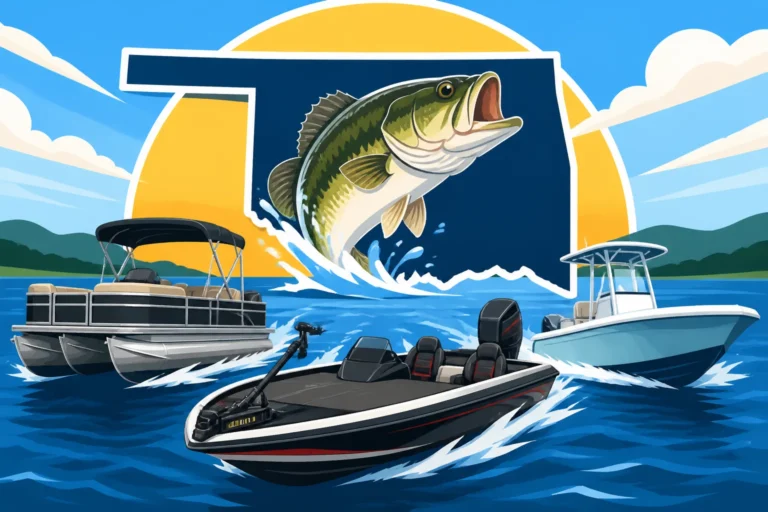
In Oklahoma, the definition of a "vessel" is broad, but the key factor for registration almost always boils down to one thing: propulsion. Generally speaking, any watercraft primarily propelled by machinery, whether it's an outboard motor, an electric trolling motor, or an inboard engine, is considered a vessel that needs to be registered. This applies regardless of the vessel's length, although length can impact fees. So, if you're picturing a sleek bass boat or a leisurely pontoon, those definitely fall under this category.
Think of it this way: the state wants to keep track of boats that are capable of higher speeds or cover significant distances, often requiring more oversight for safety and environmental reasons. A small jon boat with a five-horsepower outboard, for instance, would absolutely need to be registered, even if it's mostly used on a small pond. The law isn't just about big boats on big lakes; it's about the potential for powered movement.
The General Rule for Motorized Boat Registration
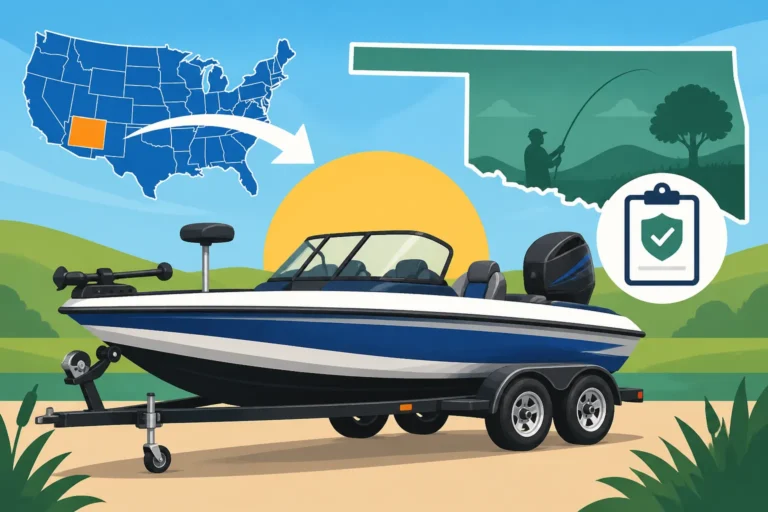
The general rule is pretty straightforward: if your boat has a motor, it needs to be registered. This includes gasoline-powered engines of any size, as well as electric trolling motors. Every motorized vessel operating on public waters in Oklahoma must display current registration decals and carry the registration certificate on board. This is a crucial distinction from boats that are purely human-powered.
For typical fishing boats, like bass boats, pontoon boats, or even smaller aluminum boats with an engine, the process involves applying for a title and then registration through the Oklahoma Tax Commission or a licensed tag agent. These rules ensure that owners can be identified in case of accidents or violations, and it's also how the state helps fund waterway management and safety efforts. It's a system designed for accountability on the water, similar to how cars are registered for roads. You can learn more about the broader requirements in Oklahoma Boat Registration and Titling Rules Explained.
Are Kayaks and Paddlecraft Truly Exempt? Unpacking the Oklahoma Statutes
Now for the question that brings many of us here: where do kayaks, canoes, and stand-up paddleboards fit into this picture? The good news is, for most kayak anglers, the answer is usually quite simple and often a relief.
The Good News for Kayak Anglers
Yes, here's the sigh of relief you've been waiting for! In Oklahoma, kayaks, canoes, paddleboards, and other vessels propelled solely by human power are generally exempt from state registration requirements. This means if you're paddling your kayak with a paddle, rowing your canoe with oars, or propelling your paddleboard with a paddle, you do not need to register it. You won't need a state-issued number on the bow, nor will you need annual decals.
This exemption is a huge benefit for paddlers, simplifying the process of getting out on the water. It acknowledges the low impact and often localized nature of these watercraft. So, whether you're leisurely exploring a quiet coves on Lake Murray or trying to sneak up on some bass in a hidden creek, as long as your primary mode of propulsion is your own muscle power, you're good to go without a registration sticker. This makes getting started with kayak fishing incredibly accessible and removes one common hurdle for newcomers.
The Nuance: When a Kayak Might Need Registration
While the "no motor, no registration" rule is broadly true, there's an important nuance for the increasingly popular trend of adding motors to kayaks. If you decide to equip your kayak, canoe, or paddleboard with any kind of motor – even a small electric trolling motor – it then ceases to be exempt and must be registered just like any other motorized vessel in Oklahoma. This includes electric motors, gas motors, and even those foot-pedal drive systems that are augmented by an electric propeller.
The moment you attach that motor, your craft transitions from a human-powered vessel to a motorized one in the eyes of the law. This means you'll need to go through the full registration and titling process. It’s a common mistake for anglers to assume a tiny electric motor on a kayak is still somehow "different" from a motor on a bigger boat, but the statute doesn't make that distinction based on size or type of vessel, only on the presence of mechanical propulsion. If you're pondering this upgrade, be sure to factor in the additional steps and costs associated with registration. For a deeper dive into the technicalities, you might want to look at Do Kayaks Need to Be Registered in Oklahoma?.
Essential Gear and Safety, Even Without Registration
Even though your human-powered kayak might not need registration, safety on the water is paramount. The absence of a registration sticker doesn't mean the absence of responsibility. Oklahoma has clear guidelines for safety equipment that applies to all vessels, including kayaks and paddleboards.
Mandatory Safety Equipment for All Paddlecraft
Regardless of whether your kayak is registered, there are non-negotiable safety items you must have on board when you're out on the water. The most critical piece of equipment is a U.S. Coast Guard-approved Personal Flotation Device (PFD), commonly known as a life jacket, for every person on board. And for children 12 years old and younger, wearing that life jacket is not just recommended, it's legally required at all times while the vessel is underway. Even for adults, having a PFD readily accessible (or better yet, worn) is a smart choice. You can find a wide range of comfortable, kayak-specific PFDs at stores like Bass Pro Shops, designed to allow for a full range of motion while paddling.
Another often-overlooked but mandatory item is a sound-producing device. This could be a whistle, horn, or bell. In an emergency, or to signal another boater, a loud whistle can be a lifesaver. You might think it's overkill for a kayak, but unexpected fog, a sudden storm, or simply getting the attention of a distracted boat captain can make this simple item invaluable. These rules exist for a reason – to protect everyone on the water.
Recommended Gear for Kayak Fishing
Beyond the legal requirements, there’s a whole world of gear that can make your kayak fishing experience safer, more comfortable, and more successful. While not mandatory, these items can significantly enhance your time on Oklahoma's lakes and rivers. Consider a paddle leash, for instance; nobody wants to watch their paddle float away in the middle of a big lake! A small anchor system can be incredibly useful for holding your position against wind or current while you fish a promising spot.
For visibility, especially if you plan to be out near dusk or dawn, a bright flag or a 360-degree white light can make you much more noticeable to other boaters. Amazon offers a plethora of options for portable lights and flags specifically designed for kayaks. A dry bag for your phone, keys, and wallet is also a no-brainer. And don't forget essentials like a first-aid kit, plenty of water, sunscreen, and maybe even a pair of polarized sunglasses to cut the glare and spot those underwater structures. Kayak Fishing Gear Every Oklahoma Angler Needs has even more great ideas to get you outfitted.
Neighboring States and Reciprocity for Kayak Anglers
Oklahoma's rules for kayak registration are fairly common, but it's important to remember that every state has its own specific regulations. If you're a traveling angler, or live near a state border, it's worth understanding how this might affect your paddlecraft.
Cross-State Paddling Considerations
If you often take your kayak to neighboring states like Texas, Arkansas, or Kansas, it's critical to know that their registration laws might differ from Oklahoma's. While many states also exempt purely human-powered paddlecraft, some might have different definitions or specific exceptions. For example, some states might require certain safety equipment that Oklahoma doesn't, or they might define a "motorized" vessel differently.
Imagine you're an Oklahoma resident who frequently fishes the Oklahoma side of Lake Texoma, but occasionally ventures into the Texas waters. While your unmotorized kayak is fine without registration on the Oklahoma side, you should always quickly check the Texas Parks and Wildlife Department's rules before crossing the state line. It's usually a quick online search and can save you from potential fines or misunderstandings with game wardens in another jurisdiction. The simple takeaway is: don't assume reciprocity when it comes to vessel registration, even for small boats. Texas Anglers Fishing in Oklahoma Waters talks about cross-state fishing but it's always good to be mindful of your specific vessel's requirements.
Planning Your Kayak Adventures Responsibly
The best approach for any traveling kayak angler is to be proactive. Before you launch your kayak into a lake or river in a state other than Oklahoma, take a few minutes to visit that state's wildlife or natural resources department website. Look specifically for "boat registration" or "vessel licensing" rules. Pay close attention to definitions of "vessel" and any exemptions for human-powered craft.
This small bit of research can prevent a lot of headaches. It's not just about avoiding fines; it's about being a responsible boater and ensuring you're compliant with local safety regulations, which can vary widely. Understanding these rules is part of the joy of exploring new waters, and it allows you to fully immerse yourself in the fishing experience without worrying about legal technicalities.
To help visualize some of these differences, here's a quick comparison of vessel types and their typical registration status in Oklahoma:
| Vessel Type | Primary Propulsion | Oklahoma Registration Required? | Key Consideration |
|---|---|---|---|
| Kayak | Human (paddle) | No | If any motor added, yes. |
| Canoe | Human (paddle/oars) | No | If any motor added, yes. |
| Stand-up Paddleboard | Human (paddle) | No | If any motor added, yes. |
| Jon Boat (w/ motor) | Mechanical | Yes | Regardless of motor size or boat length. |
| Bass Boat | Mechanical | Yes | Standard motorized vessel. |
| Pontoon Boat | Mechanical | Yes | Standard motorized vessel. |
| Sailboat (aux motor) | Sail & Mechanical | Yes | If it has an auxiliary motor, it needs registration. |
| Paddleboat (pedal-only) | Human (pedals) | No | Pedal-only means no mechanical propulsion. |
Remember, the moment you attach a motor, no matter how small, to a previously human-powered vessel, its status changes. Always check the latest regulations for clarity, especially if you're modifying your setup or venturing out of state.
Disclaimer
This article is for general informational purposes only and does not constitute professional advice. Laws, prices and regulations vary by location and change over time. Consult a qualified professional for guidance on your specific situation.