Why You Still Need a Life Jacket on Board Even as an Adult in Oklahoma
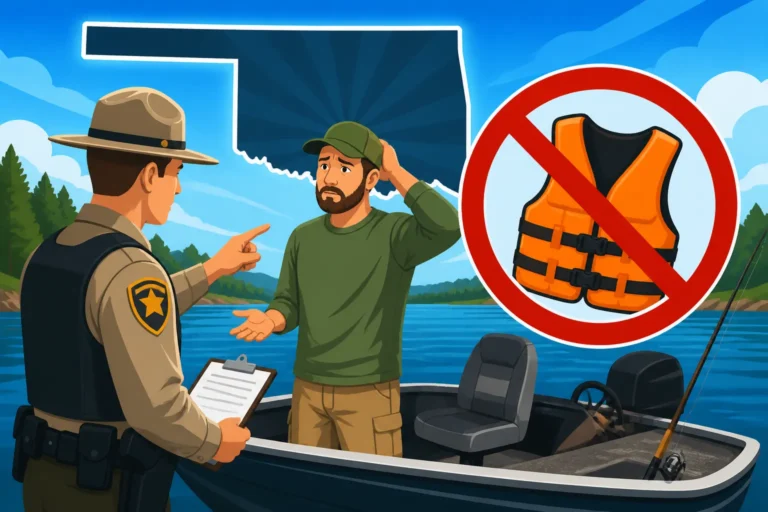
It’s a common scene: you're out on one of Oklahoma's beautiful lakes, the sun is shining, the fish are biting, and you see an adult angler on their boat, feeling free, maybe even without a life jacket on. You might think, "Hey, they're an adult, they know their risks," or "As long as kids have theirs on, we're good." But here's the thing: many of us don't realize that even if you're not actively wearing a life jacket as an adult, having specific, readily accessible life jackets on board your vessel is not just a suggestion – it's a legal requirement in Oklahoma. This guide will help clarify those rules, explain why they're so crucial, and give you practical steps to ensure you're always safe and compliant on the water.
The Core Rule: Life Jackets Required, Even if Not Worn
Let's cut through the confusion right away. Many anglers, myself included at one point, mistakenly believe that once you hit a certain age, life jackets become optional. You might think, "I'm a good swimmer," or "I'm only going a short distance." And while personal responsibility is absolutely paramount, the law in Oklahoma takes a broader approach to safety. It mandates that certain life-saving equipment, including life jackets, must be present and in good condition on virtually all vessels.
Understanding Oklahoma's Boating Safety Laws
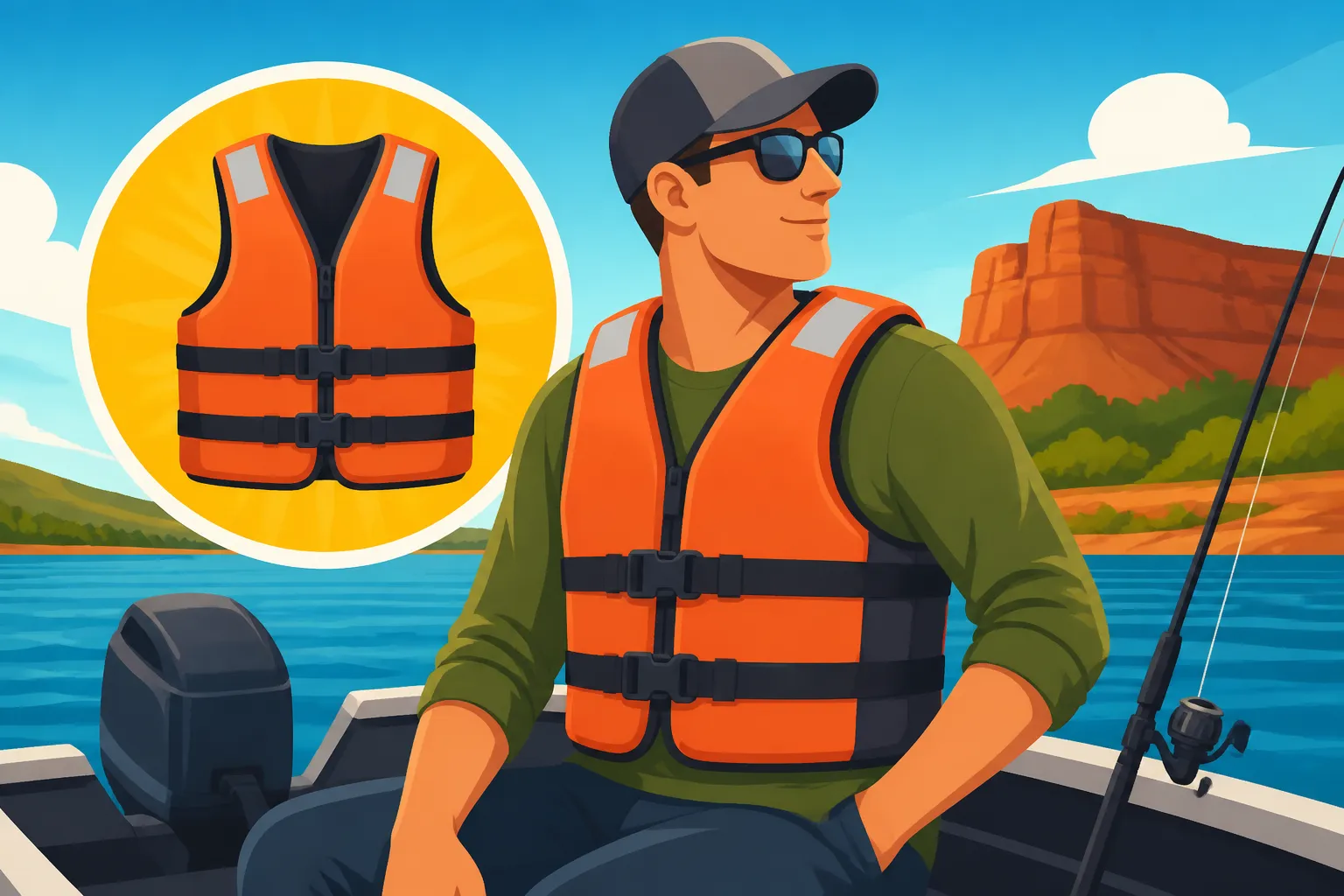
Oklahoma's boating safety regulations, managed by the Oklahoma Highway Patrol Marine Enforcement Division, are designed to protect everyone on the water. These aren't arbitrary rules; they're based on decades of accident data and best practices to prevent drownings and injuries. The core of it is that for every person on board your boat, regardless of age, there must be a U.S. Coast Guard-approved wearable personal flotation device (PFD), commonly known as a life jacket.
Think of it like this: your boat has a certain capacity, right? If your boat is rated for four people, then you need four wearable life jackets on board. It doesn't matter if you only have two people with you that day; the capacity dictates the minimum number of wearable PFDs you need. These PFDs must be in good, serviceable condition – no rips, tears, or excessive fading that compromises their buoyancy. They also need to be properly sized for the intended wearer, though when they're just stowed, the sizing just needs to match the general types of passengers you might carry. For children 12 and under, the rule is even stricter: they must wear their life jacket at all times while the vessel is underway. But for us adults, the key is "on board" and "readily accessible." You can't have them buried under a pile of tackle boxes or strapped down tight in a storage compartment. If a game warden stops you, they'll expect them to be easily reachable. You can learn more about this in Oklahoma Life Jacket and PFD Rules for Boaters.
Beyond Personal Safety: The Legal Ramifications
Now, let's talk turkey about what happens if you don't comply. It's not just about potentially being unsafe; it's about breaking the law. A game warden or marine patrol officer has the authority to stop your boat and conduct a safety inspection at any time. If they find you don't have enough US Coast Guard-approved life jackets for everyone on board, or if the jackets you do have are not in serviceable condition or aren't readily accessible, you could face a citation.
These citations aren't just a slap on the wrist. They can come with fines, and frankly, dealing with the hassle of a court appearance or simply paying a penalty can really sour a great day of fishing. Imagine being pulled over on a beautiful Saturday at Lake Eufaula, only to have your trip cut short and your wallet lightened because those extra life jackets were tucked away in the deepest part of your storage locker, or worse, left at home. The officers are out there doing their job, ensuring everyone's safety, and while they're often understanding, the law is the law. It’s always better to be prepared than to face the consequences. For more detail on potential penalties, check out Fines for Boating Safety Violations in Oklahoma.
Different Life Jacket Types and When They're Needed
Understanding that you need life jackets on board is one thing, but knowing which ones you need and why different types exist is another layer of crucial information. Not all life jackets are created equal, and Oklahoma's regulations often specify certain types or combine requirements for different scenarios.
The Importance of US Coast Guard Approval
When you're shopping for a life jacket, whether at a big box store like Bass Pro Shops or online through Amazon, the absolute first thing you should look for is the U.S. Coast Guard approval stamp. This isn't just a fancy label; it means the device has been rigorously tested and certified to meet specific safety standards for buoyancy, performance, and construction. A PFD without this stamp simply isn't recognized by law as fulfilling the requirement, no matter how much flotation it seems to offer.
Why is this so important? Because the Coast Guard's standards ensure that if you do end up in the water, that life jacket will actually do its job. It will keep you afloat, and in many cases, it will turn an unconscious person face-up in the water. Generic flotation devices might feel comfortable, but they might not provide the necessary support or quick-righting capability that a Coast Guard-approved PFD does. Always double-check for that approval label inside the jacket. This is a foundational element covered in Coast Guard Approved Life Jacket Requirements for Oklahoma Boaters.
Different Types for Different Activities and Why Type IV is Crucial for Adults
The U.S. Coast Guard classifies PFDs into different types, each designed for specific situations and levels of performance. While most of us are familiar with the bright orange Type II "horse collar" vests or the more comfortable Type III "ski vests," it's vital to understand the range:
- Type I (Offshore PFD): These offer the most buoyancy and are designed for rough, open, or remote waters where rescue may be delayed. They can turn most unconscious wearers face-up. You might see these on commercial vessels or offshore fishing boats.
- Type II (Near-Shore Buoyant Vest): These are good for general boating activities in calm, inland waters where rescue is likely to be quick. They may turn some unconscious wearers face-up. These are often the standard "extra" PFDs found on many recreational boats.
- Type III (Flotation Aid): These are perhaps the most common for recreational boating, including fishing and watersports. They are comfortable and allow for a full range of motion. They are designed for conscious wearers in calm, inland waters and will not turn an unconscious person face-up.
- Type IV (Throwable Device): This is where many adults miss a key piece of the regulation puzzle! In addition to a wearable PFD for every person, boats 16 feet in length or longer must also carry one Type IV throwable device. This is usually a buoyant cushion or a ring buoy. It's meant to be thrown to someone who has unexpectedly fallen overboard. It's not designed to be worn for extended periods or to replace a wearable PFD.
- Type V (Special Use Device): These are PFDs approved for specific activities, like kayaking, windsurfing, or deck work, and must be worn to count as a legal PFD.
For adults on boats 16 feet or longer in Oklahoma, the requirement is this: a wearable PFD for every person on board plus one Type IV throwable device. The throwable device is not a substitute for a wearable one; it's an additional requirement. So, if you're on a 20-foot bass boat with three adults, you need three wearable PFDs (Type I, II, III, or V if worn) and one Type IV throwable device. This specific rule about throwable devices is something that often catches people off guard. For a deeper dive into this, check out Type IV Throwable Device Rules for Boats 16 Feet and Longer and What Is a Type IV Throwable Device for Boating?.
Here’s a quick overview of PFD types for clarity:
| PFD Type | Buoyancy (lbs minimum) | Best Use Case | Turns Unconscious Wearer Face Up? | Common Appearance |
|---|---|---|---|---|
| Type I | 22 (foam) / 33 (inflatable) | Offshore, rough waters, delayed rescue | Most likely | Vest-style, often bright orange or yellow |
| Type II | 15.5 | Near-shore, calm waters, quick rescue likely | May turn some | Orange "horse collar" or vest-style |
| Type III | 15.5 | Inland waters, active sports, conscious use | No | Vest-style, often colorful, comfortable |
| Type IV | 16.5 | Throwable only, immediate rescue | Not applicable (not worn) | Buoyant cushion or ring buoy |
| Type V | Varies (15.5-22) | Specific activities (kayaking, work vests) | Depends on design, must be worn | Varies widely, often labeled for specific use |
Practical Tips for Ensuring Compliance and Safety
Okay, so now you understand why these rules are in place and what the different types of life jackets are. But how do you make sure you're always prepared without feeling like you're hauling a boatload of extra gear every time you hit the water? It's all about smart purchasing, proper storage, and a little routine.
Where to Buy the Right Gear
Finding the right life jackets is usually pretty easy. Most sporting goods stores, especially places like Bass Pro Shops, will have a dedicated section for PFDs. You’ll find a huge variety, from basic Type II vests to more comfortable Type III options and specialized Type V jackets for specific activities. When you're there, take the time to look for the U.S. Coast Guard approval stamp and ensure you're getting the right sizes for potential passengers. Don’t forget that crucial Type IV throwable device if your boat is 16 feet or longer!
Online retailers like Amazon also offer a massive selection, often with customer reviews that can help you gauge comfort and fit. Just be extra diligent when buying online to ensure the product description explicitly states "U.S. Coast Guard approved" and clearly indicates the PFD type. Sometimes, cheaper, non-approved flotation devices slip through, and you don't want to accidentally buy something that won't meet the legal requirements. Keep an eye out for sales, too; you can often snag great deals on quality PFDs during the off-season.
Storing and Maintaining Your Life Jackets
Having the right life jackets is only half the battle; the other half is making sure they're always accessible and in good shape.
- Readily Accessible: This is key. A life jacket isn't "on board" if it's stuffed under an engine compartment cover that requires tools to open, or if it's buried beneath all your fishing rods, tackle boxes, and coolers. They need to be where someone can quickly grab them in an emergency. Think about putting them in a designated, easy-to-reach locker, or perhaps on a rack if your boat has one. The throwable cushion should be on deck or clipped to a rail where it can be quickly deployed.
- Good, Serviceable Condition: Regularly inspect your life jackets. Are there any tears in the fabric? Has the flotation material hardened, compressed, or shifted? Are the straps and buckles intact and functional? UV rays, especially from the Oklahoma sun, can degrade fabric and stitching over time. If a PFD is worn out, faded, or damaged, it loses its effectiveness and won't pass inspection. Replace any damaged jackets immediately. Don't take chances with compromised safety gear.
- Proper Storage: After a day on the water, don't just toss wet life jackets into a cramped storage space. Let them air dry thoroughly to prevent mildew and odor, which can also degrade the fabric over time. Store them in a cool, dry place when not in use, out of direct sunlight, to extend their lifespan.
Creating a routine where you check your safety gear, including life jackets, before every outing is a smart habit. It’s like checking your oil before a long road trip – a small effort that can prevent big problems. For a broader safety perspective, take a look at Safety Gear Checklist for Oklahoma Boaters.
Beyond the Law: Why It's Just Good Sense
While the legal requirements are a strong motivator for having life jackets on board, I truly believe the most compelling reasons go far beyond avoiding a fine. The reality of being on the water, even on a perfectly calm day, can change in an instant.
Unexpected Dangers on Oklahoma Waters
Oklahoma's lakes and rivers, though beautiful, can be unpredictable. Here are a few scenarios where having readily available life jackets could be the difference between a close call and a tragedy:
- Sudden Capsizing or Swamping: You could hit a submerged object, encounter an unexpected rogue wave from a passing boat, or simply shift weight incorrectly. A boat can capsize faster than you think, throwing everyone into the water. In that chaotic moment, trying to find a PFD is much harder than if it's already accessible.
- Cold Water Shock: Even on a warm Oklahoma summer day, deep lake water can be surprisingly cold. If you suddenly fall into water below 70 degrees Fahrenheit, your body can experience "cold water shock," leading to involuntary gasping, hyperventilation, and disorientation. This can quickly lead to drowning, even for strong swimmers, as they struggle to control their breathing. A life jacket provides immediate flotation, allowing you to focus on regaining control.
- Medical Emergencies: What if someone on board has a sudden medical emergency – a heart attack, a stroke, or simply faints? If they fall overboard in an incapacitated state, a life jacket can keep them afloat until help arrives.
- Reaching a Distressed Swimmer: Remember that Type IV throwable device? It’s not just for your safety, but for others. If someone, perhaps a child playing near the boat or even another boater, gets into trouble, having that throwable cushion or ring buoy immediately available could save a life. It's much faster to toss a PFD than to try and maneuver a boat back to a struggling swimmer, especially in windy conditions.
These aren't scare tactics; they're realistic scenarios that happen on the water more often than we'd like to admit. Having those life jackets ready is an immediate safety net for yourself, your family, and anyone else who might unexpectedly find themselves in the water.
Setting a Good Example for Younger Anglers
As a veteran lifestyle blogger, I've spent countless hours fishing with my kids and grandkids. And honestly, one of the most powerful reasons I insist on having life jackets for everyone, even if they're not always worn by the adults, is the example it sets. Kids are incredibly observant. If they see adults treating safety casually, they're likely to mimic that behavior.
When kids see you ensuring there are enough PFDs, checking their condition, and making sure they're accessible, it reinforces the message that safety is a serious, non-negotiable part of boating. You're not just complying with the law; you're teaching responsible boating habits that could stick with them for a lifetime. Even if they're required to wear their own PFDs by law, seeing you, the adult, take PFD requirements seriously shows them respect for the water and for everyone's well-being. It helps instill a culture of safety that benefits everyone on the lake. So, next time you're heading out, remember those life jackets aren't just for the kids or for avoiding a ticket – they're a fundamental part of a safe, enjoyable day on Oklahoma's beautiful waters for everyone. Fishing License Rules for Kids and Nonresidents in Oklahoma also outlines age-specific requirements for younger anglers.
Disclaimer
This article is for general informational purposes only and does not constitute professional advice. Laws, prices and regulations vary by location and change over time. Consult a qualified professional for guidance on your specific situation.