Type IV Throwable Device Rules for Boats 16 Feet and Longer
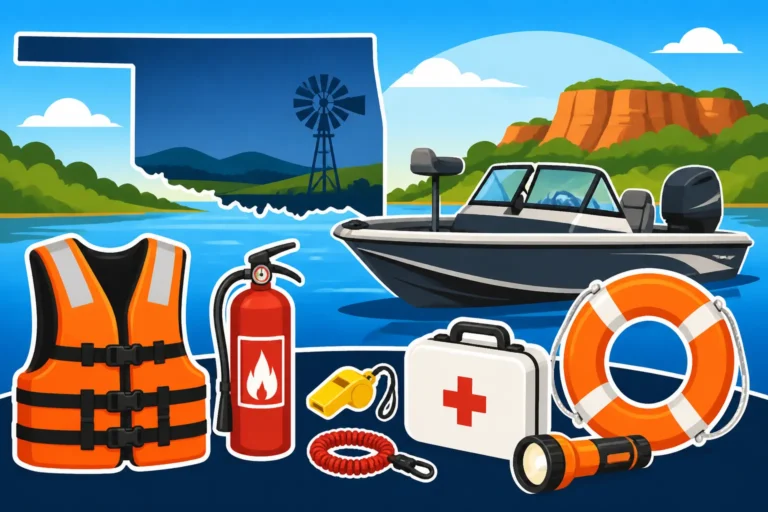
There's nothing quite like a peaceful day out on Oklahoma's beautiful lakes, whether you're chasing a trophy bass on Lake Texoma or enjoying a quiet afternoon with the family on Grand Lake. But while we all dream of calm waters and big catches, the reality is that safety on the water is paramount, and it often involves understanding specific rules that aren't always crystal clear. One such regulation that can cause a bit of head-scratching for many boaters is the requirement for a Type IV throwable device, especially once your boat hits that 16-foot mark. This guide is here to untangle those rules, explain why they exist, and help you ensure you're always compliant and prepared for anything out on the water.
Understanding What a Type IV Throwable Device Actually Is
Before we dive into the rules, let's talk about what a Type IV throwable device actually is. It's not just any old cushion or flotation device you might have lying around; it's a specific piece of U.S. Coast Guard-approved safety equipment designed for one critical purpose: to be thrown to someone in the water. Unlike wearable life jackets, which are meant to be worn, a throwable device is there for immediate deployment when someone unexpectedly falls overboard.
Distinguishing a Type IV Device from Other Flotation Aids
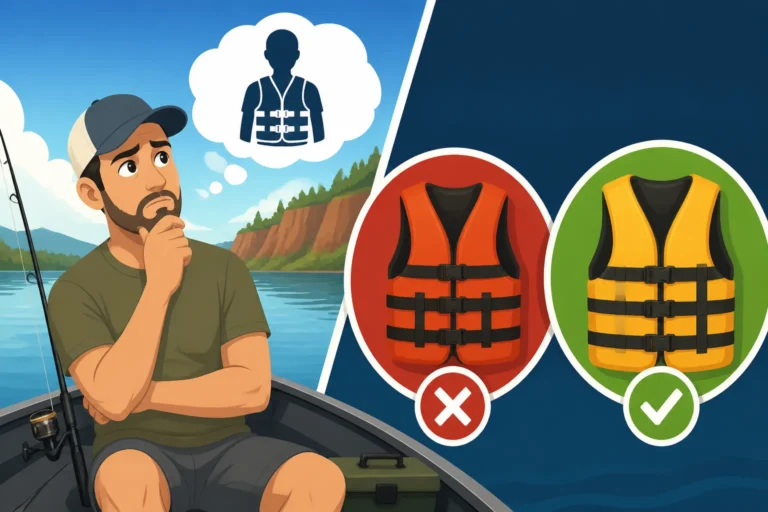
When you're browsing the aisles at a place like Bass Pro Shops or scrolling through options on Amazon, you'll notice many different types of personal flotation devices (PFDs). There are vests, jackets, and even inflatable options. Type I, II, and III PFDs are all designed to be worn. They're what we typically think of as life jackets. A Type IV, however, is distinct. It’s usually a ring buoy, a buoyant cushion, or a horseshoe buoy – basically, something you can quickly grab and toss. The key is that it's designed to provide flotation to a conscious person who is already in the water, giving them something to hold onto until they can be safely pulled back aboard. It’s a rescue tool, not a garment.
Why the "Throwable" Aspect is Crucial for Safety
Imagine this scenario: you're out on Lake Eufaula, and suddenly, a passenger slips and falls overboard. They might be disoriented, or perhaps the boat is drifting away quickly due to wind or current. Trying to get a wearable life jacket onto someone who is already in the water and possibly panicking can be incredibly difficult, if not impossible. That's where the throwable device shines. Its primary advantage is speed and ease of deployment. You simply grab it and throw it in the direction of the person in the water. It provides immediate buoyancy, allowing the person to stay afloat and conserve energy while you maneuver the boat back to them or prepare to retrieve them. This quick response can be the difference between a minor scare and a serious emergency, emphasizing why this specific piece of gear is a non-negotiable part of your Oklahoma Boat Safety Equipment Checklist.
Why Certain Boats Need a Type IV Throwable Device in Oklahoma
The requirement for a Type IV throwable device isn't arbitrary; it's a specific federal regulation adopted by Oklahoma, aimed at enhancing safety on larger recreational vessels. The magic number, as the rule states, is 16 feet.
The 16-Foot Rule Explained for Recreational Vessels
If your recreational boat measures 16 feet or longer, you are legally required to have at least one Type IV throwable device on board. This rule applies to most motorboats, sailboats, and even some larger canoes or kayaks, although the latter often fall below the length requirement. The length measurement is taken from the bow (front) to the stern (back) in a straight line, excluding any detachable accessories like bowsprits or swim platforms. This 16-foot threshold isn't just a random number; it generally marks the point where boats become large enough to potentially carry more passengers, operate in more open waters where currents and waves are stronger, and might take longer to maneuver back to a person in the water compared to smaller craft. It's about proportionality to risk and vessel capability.
Exceptions to the Throwable Device Rule
Now, like many rules, there are a few exceptions to the Type IV throwable device requirement. These generally revolve around the type of vessel. For instance, canoes, kayaks, and stand-up paddleboards, regardless of their length, are not required to carry a Type IV throwable device. This is largely because these vessels are often operated in ways that make a throwable device less practical or necessary; for example, a kayaker might have direct access to a PFD they are already wearing or can easily retrieve it. Also, personal watercraft (PWCs) like jet skis are exempt. For these smaller craft, the emphasis is placed more heavily on wearing a life jacket at all times, which makes perfect sense given the nature of their use and the higher likelihood of falling off. However, for anything else 16 feet or longer, the expectation is clear: have that throwable device ready.
Choosing the Right Type IV Device: Options and Considerations
When it comes to selecting your Type IV throwable device, you actually have a few different options. They all serve the same basic function, but they come in different forms, each with its own advantages and ideal uses.
Ring Buoys, Cushions, and Horseshoe Buoys
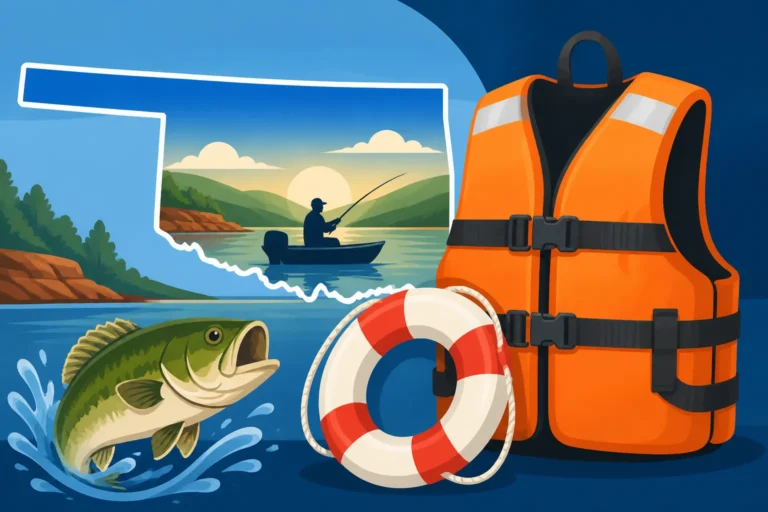
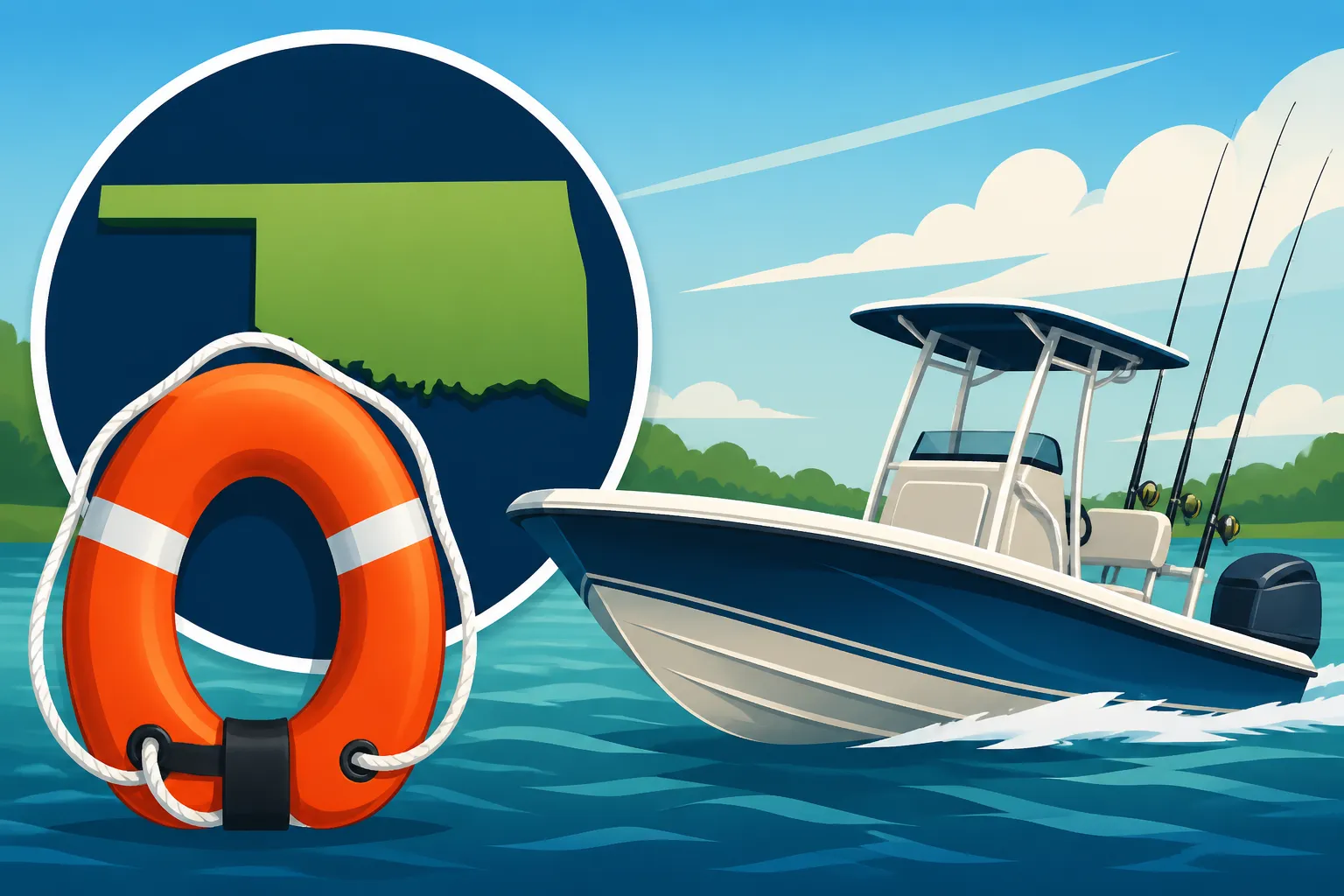
The most common Type IV devices you'll see are ring buoys (often called life rings), buoyant cushions, and horseshoe buoys. Ring buoys are the classic "Baywatch" looking flotation devices, large and highly visible, designed for a person to get inside. They're excellent for their visibility and stability in choppy water. Buoyant cushions are probably the most prevalent on smaller recreational boats because they can double as seat cushions, making them practical for space-saving. Just remember, if you're using it as a seat, it still needs to be readily accessible for emergencies. Horseshoe buoys are shaped like a horseshoe and are often found on larger boats or sailing vessels, designed to wrap around a person. They're particularly good because they allow a person to "step into" them more easily than a ring buoy. Each type is Coast Guard approved, so it really comes down to what fits your boat's layout and your personal preference for ease of use. You can find all these options at stores like Bass Pro Shops or through online retailers such as Amazon.
Visibility and Grab-Ability: Key Features to Look For
Beyond the type, when you're picking out a throwable device, two factors should be at the top of your list: visibility and grab-ability. When someone goes overboard, especially in choppy water, low light, or murky conditions, you need that device to stand out. Bright colors like orange, yellow, or even reflective strips are ideal. A device that blends in with the water or doesn't reflect light at night will be nearly useless.
Secondly, consider how easy it is for someone in the water to grab onto. While a cushion might be convenient for storage, a larger ring buoy or horseshoe buoy might be easier for a struggling person to secure themselves to. Some throwable devices even come with a short length of rope attached, which can be incredibly helpful for both throwing accuracy and allowing the person in the water to hold on more securely while being retrieved. Think about the conditions you typically boat in on Oklahoma's reservoirs – from the wide-open expanse of Lake Texoma Fishing Guide for Oklahoma Anglers to the more sheltered coves of other lakes – and choose a device that will be effective in those environments.
| Type IV Device | Typical Form | Pros | Cons | Best Use Cases |
|---|---|---|---|---|
| Ring Buoy | Round ring | Highly visible, easy to grasp for many | Bulky for smaller boats, can be hard to store | Open water, larger boats, situations needing high visibility |
| Buoyant Cushion | Square/rectangle | Doubles as seating, compact | Can be harder to hold onto, less visible at times | Smaller boats (16ft+), dual-purpose storage |
| Horseshoe Buoy | U-shaped | Easy for person in water to "step into" | Can be more expensive, less common | Larger vessels, sailing, where quick donning is crucial |
Proper Storage and Readiness of Your Throwable Device
Having a Type IV throwable device on board is only half the battle; ensuring it's properly stored and readily accessible is just as critical. A device tucked away in a locker under a pile of gear won't do anyone any good in an emergency.
The "Readily Accessible" Requirement
Oklahoma boating regulations, mirroring federal rules, stipulate that your throwable device must be "readily accessible." What does this truly mean? It means it should be in a location where you, or anyone else on board, can quickly grab it and deploy it within a few seconds. This usually means it's on deck, in an open cockpit, or mounted in a designated holder. It shouldn't be under a seat that's covered with towels, buried in a storage compartment, or in any place that requires you to unlock, unstrap, or move other items to get to it. Think of it like a fire extinguisher – you wouldn't bury that either. The whole point of a throwable device is immediate action when seconds count. Take a moment to review your own boat's setup and ask yourself: if someone fell in right now, how fast could I get this device to them?
Protecting Your Device from Wear and Tear
While your throwable device is a piece of emergency equipment, it also needs to be maintained. Prolonged exposure to sun, rain, and other elements can degrade its material, making it less effective when you need it most. UV rays can make the plastic brittle and fade its vital bright colors, while constant dampness can lead to mold and mildew, weakening fabrics.
Consider covering your throwable device when not in use, or storing it in a shaded area. If it doubles as a seat cushion, ensure it's not constantly getting wet or being used as a step. Regularly inspect it for tears, punctures, or signs of deterioration. A damaged throwable device might not provide adequate flotation, and in some cases, a game warden could deem it non-compliant if it's in poor condition. Treat it with care so it can perform its life-saving duty if ever called upon. Remember, this is part of your overall Safety Gear Checklist for Oklahoma Boaters.
Common Misconceptions and Mistakes About Throwable Devices
Even experienced boaters can sometimes misunderstand or overlook certain aspects of the Type IV throwable device rule. Clarifying these can save you from a potential fine and, more importantly, ensure you're truly prepared for an emergency.
"My Life Jackets Are Enough" – Why That's Not True
A common misconception is that if you have enough wearable life jackets for everyone on board, a throwable device isn't necessary. This simply isn't true for boats 16 feet or longer. While having a Coast Guard-approved life jacket for every person is indeed a federal and Oklahoma requirement, it does not replace the need for a Type IV throwable device. As we discussed earlier, a wearable PFD is for wearing, while a throwable device is for throwing to someone who is unexpectedly in the water. The two serve different, albeit complementary, safety functions. Trying to get a life jacket onto someone in the water is a completely different challenge than tossing them a buoyant cushion. The regulations are designed to cover multiple scenarios, and both types of flotation are critical. To understand all your flotation requirements, you can check out Oklahoma Life Jacket and PFD Rules for Boaters.
Forgetting to Practice Deployment
Another mistake isn't a legal one, but a practical one: not practicing how to deploy your throwable device. In an emergency, adrenaline will be high, and clear thinking might be in short supply. Knowing exactly where your device is, how to quickly unstrap it (if mounted), and how to throw it accurately can make a huge difference.
Take a few minutes on a calm day to actually practice. If you have a buoyant cushion, try tossing it a reasonable distance. If it's a ring buoy, practice grabbing it from its holder. Consider attaching a recovery line if it doesn't have one, and practice throwing it with the line. Even better, have your regular passengers practice too, so multiple people know what to do. This simple practice can build muscle memory and confidence, ensuring that if an actual "man overboard" situation arises, your response will be swift and effective. This preparedness is just as important as knowing the Fines for Boating Safety Violations in Oklahoma.
Consequences of Not Having a Throwable Device
Ignoring safety regulations on the water isn't just irresponsible; it carries real consequences, both legally and in terms of potential danger to human life. Oklahoma's game wardens take these rules seriously, and for good reason.
Penalties and Fines for Non-Compliance
If you're out on the water in Oklahoma and your boat is 16 feet or longer without the required Type IV throwable device, or if it's not readily accessible, you could face a citation. While I can't give specific dollar amounts, be aware that boating safety violations in Oklahoma do come with fines. A game warden, during a routine safety check, will often look for this piece of equipment along with other essentials like wearable life jackets, fire extinguishers, and sound-producing devices. If they find you non-compliant, you'll not only be facing a monetary penalty but also the inconvenience and stress that comes with a violation. It's a preventable situation that simply isn't worth the risk or the cost. You can learn more about general penalties by looking at How Much Is the Fine for a Boating Safety Violation in Oklahoma?.
The Human Cost: Why This Rule Exists
Beyond the legal ramifications, the most profound consequence of not having a readily available throwable device is the potential for tragic human cost. Picture this: a child excitedly leaning over the edge of the boat to see a fish, slips, and falls in. Or an adult, perhaps reaching for something, loses their balance and goes overboard into cold water. In those critical moments, a quickly deployed throwable device can mean the difference between life and death.
The person in the water might be injured, disoriented, or even just a weak swimmer. Hypothermia can set in quickly in Oklahoma's cooler waters, even in the spring or fall. Having something immediately buoyant for them to grab onto gives them a fighting chance, buys you precious time to turn the boat around, and significantly aids in their rescue. The rule isn't there to annoy boaters; it's a testament to countless past incidents where such a device could have saved a life. It's a simple, inexpensive piece of equipment that provides an invaluable layer of safety for everyone on board.
This article is for general informational purposes only and does not constitute professional advice. Laws, prices and regulations vary by location and change over time. Consult a qualified professional for guidance on your specific situation.