What Is a Type IV Throwable Device for Boating?
Hitting the water in Oklahoma, whether you're chasing bass on Lake Eufaula or enjoying a peaceful afternoon crappie fishing on Grand Lake, comes with a sense of freedom. But that freedom also comes with responsibility, especially when it comes to boating safety. Many anglers diligently check their boat for life jackets, but often overlook another critical piece of safety gear: the Type IV throwable device. This guide will deep dive into what this often-misunderstood item is, why it's essential, and how it fits into keeping you and your loved ones safe on Oklahoma's beautiful but sometimes unpredictable waters.
Understanding Boating Safety Equipment in Oklahoma
It's easy to think of boating safety as just having enough life jackets for everyone on board. And while that's absolutely foundational, the reality of being out on a big reservoir like Lake Texoma or navigating a busy weekend on Keystone Lake means you need a more comprehensive approach. Oklahoma's boating regulations are designed to prevent tragedies, and knowing them isn't just about avoiding a fine – it's about protecting lives.
The Importance of Preparedness on Oklahoma Waters
Picture this: you're out fishing a favorite brush pile on Fort Gibson Lake, and suddenly, a passenger leans a bit too far, or maybe the boat hits an unexpected wake, and someone goes overboard. In that moment of panic, every second counts. Having the right safety gear, readily accessible, can be the difference between a minor scare and a truly dire situation. It’s not just about compliance; it's about being able to react effectively when the unexpected happens. The water can be unforgiving, and even strong swimmers can be overwhelmed by currents, cold water, or injury.
We all hope to never have to use our safety equipment, but preparation is paramount. It’s about having a plan and the tools to execute it. This is especially true for boaters on our larger reservoirs where help might not be minutes away. Think about a sudden storm that whips up the waves, or an engine failure that leaves you drifting. These are the moments when all that gear, including your throwable device, earns its place on board.
Beyond Just Life Jackets: Other Essential Gear
While life jackets, officially known as Personal Flotation Devices (PFDs), are the first line of defense, they're not the only line. Oklahoma's boating laws, much like federal regulations, require more than just wearable PFDs. You need signaling devices, fire extinguishers, and for most boats, that often-overlooked throwable device. Each piece of equipment plays a specific role in a rescue or emergency situation.
Consider the scenario where someone falls overboard. If they're unconscious or injured, a wearable life jacket might be difficult to put on in the water. That's where a throwable device shines. It's designed to be quickly deployed to someone in the water, providing immediate flotation without the need for them to put it on. It acts as an emergency beacon and a temporary buoy, giving the person something to hold onto while the boat maneuvers to retrieve them. You can learn more about specific requirements in our guide, Oklahoma Life Jacket and PFD Rules for Boaters.
What Exactly Is a Type IV Throwable Device?
So, you keep hearing about "Type IV throwable devices," but what exactly are they? In simple terms, a Type IV throwable device is a piece of safety equipment specifically designed to be thrown to a person in the water, providing them with buoyancy to stay afloat. Unlike other PFD types, it's not meant to be worn. It’s all about rapid deployment to someone who unexpectedly finds themselves in the water.
Defining the "Throwable" Aspect
The key differentiator for a Type IV device is its "throwable" nature. This means it must be designed to be easily and quickly tossed to someone in distress. Think of it as an immediate flotation aid that you can get to someone without having to reach them directly. This is crucial if someone goes overboard and your boat is still moving, or if there's a strong current that might make it dangerous to get too close immediately.
The throwable device creates a visual target in the water, making it easier to spot the person, especially in choppy conditions or low light. It buys critical time, allowing the operator to circle back safely or for the person in the water to regain their composure and energy while waiting for rescue. It’s not just a flotation device; it's a critical tool in a water rescue scenario, signaling both location and offering direct support.
Common Examples You'll See
When you think of a Type IV throwable device, two main items usually come to mind:
- Ring Buoys: These are the classic, round life rings you see on commercial vessels, docks, and many larger boats. They're typically bright orange or white, making them highly visible in the water. Many are equipped with a line attached, allowing the rescuer to pull the person (and the ring) back to the boat.
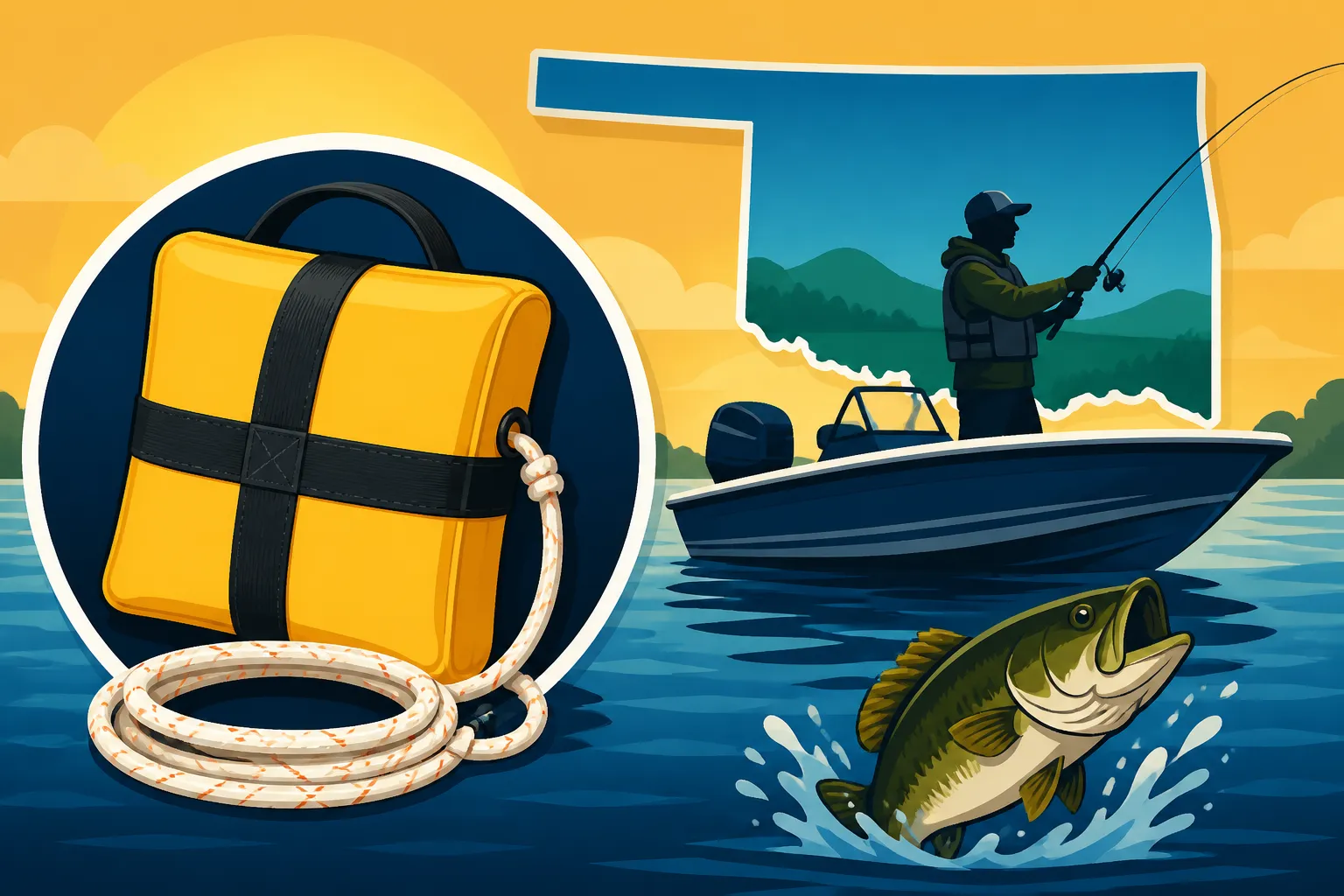
- Boat Cushions: Often the most common Type IV device on recreational boats, these are square or rectangular cushions that are buoyant enough to support a person's head above water. They're frequently dual-purpose, serving as comfortable seating while also being ready for emergency deployment. They are usually bright colors and have straps or handles to assist in throwing and holding.
You can often find both ring buoys and approved boat cushions at your local outdoor retailers like Bass Pro Shops, or readily available through online stores like Amazon. Just be sure to look for the appropriate Coast Guard approval on the label to ensure it meets the requirements.
Why it's Different from a Wearable PFD
It’s important to understand that a Type IV throwable device does not count towards the requirement for wearable PFDs for each person on board. Wearable PFDs (Types I, II, III, and V) are designed to be worn by individuals for continuous flotation, and some are even designed to turn an unconscious person face-up in the water. A throwable device, on the other hand, is a supplementary piece of equipment.
Here's a quick comparison:
| Feature | Wearable PFD (Types I, II, III, V) | Type IV Throwable Device |
|---|---|---|
| Purpose | Continuous flotation, worn by person | Thrown to person for temporary aid |
| Design | Vest, jacket, or inflatable; worn | Cushion or ring buoy; not worn |
| Primary Use | Preventing drowning, constant support | Emergency aid for someone overboard |
| Turns unconscious face-up? | Some types (I, II) can | No |
| Legal Requirement | One per person on board | One required on certain boats |
So, while having a Type IV throwable device is a critical part of your safety gear, it never replaces the need for everyone on your boat to have access to, and for certain age groups, to be wearing, an appropriately sized wearable life jacket.
Oklahoma's Requirements for Type IV Throwable Devices
Oklahoma, like other states, adopts the federal guidelines set by the Coast Guard regarding boating safety equipment. This means there are specific rules about which boats need a Type IV throwable device, and how it must be kept on board. Ignoring these rules isn't just a risk to safety; it can lead to fines and other legal issues.
Which Boats Need One? Size Matters!
The primary factor determining if your boat needs a Type IV throwable device is its length. Generally, any recreational boat 16 feet or longer (excluding canoes and kayaks, which have slightly different rules) must have at least one Coast Guard-approved Type IV throwable device on board. This includes most bass boats, pontoons, runabouts, and larger fishing boats that ply Oklahoma's lakes.
If you're unsure about your boat's length or the specific requirements, it's always best to consult the official Oklahoma Department of Wildlife Conservation (ODWC) regulations or the Coast Guard guidelines. Don't assume your smaller boat is exempt; even many boats slightly under 16 feet still benefit greatly from having one. You can find more specific details in Type IV Throwable Device Rules for Boats 16 Feet and Longer.
For those with smaller vessels, like john boats under 16 feet, canoes, or kayaks, while a Type IV isn't legally mandated, it's still a fantastic idea to have one. Imagine trying to get a paddle to a capsized kayaker who's struggling; a throwable cushion could make all the difference. Safety is never just about the minimum legal requirement, it’s about what makes you feel truly prepared.
Accessibility and Condition Requirements
It's not enough to simply have a Type IV throwable device on your boat. It must be:
- Readily Accessible: This is a big one. The device cannot be stowed away in a locker, buried under fishing tackle, or tied down in such a way that it takes precious seconds to get to. It needs to be immediately available for throwing. Many anglers keep a boat cushion on top of a cooler or tied loosely to a seat where it can be grabbed and deployed without fumbling. For a ring buoy, having it mounted on the stern or near the helm is ideal.
- In Good, Serviceable Condition: The device must be free from significant damage, tears, or deterioration that would impair its performance. A waterlogged cushion, for example, might not provide adequate flotation. Regularly inspect your throwable device, just like you would your life jackets, to ensure it’s still up to the task. Sunlight and weather can degrade materials over time, so check for fading, cracking, or mildew. If it's starting to look a bit sad, it's time for a replacement.
Think of it this way: if a game warden were to board your boat for a safety check, they'd want to see that you could grab that throwable device and put it into action within seconds. If you can't, it's not considered "readily accessible."
The Consequences of Not Having One
The regulations are there for a reason, and game wardens take them seriously. If your boat is required to have a Type IV throwable device and you don't have one, or if it's not readily accessible or in serviceable condition, you could face a citation. Fines for boating safety violations in Oklahoma can be a real damper on your day, not to mention your wallet.
Beyond the legal penalties, the real consequence is the increased risk to human life. In an emergency, not having this vital piece of equipment could turn a simple accidental fall into a life-threatening situation. No amount of money saved by not buying one, or convenience gained by stowing it away, is worth the potential cost of a life. It's an investment in safety that every boater on Oklahoma's waters should make. You can learn more about penalties in Fines for Boating Safety Violations in Oklahoma.
Practical Uses and Best Practices for Throwable Devices
Having a Type IV throwable device is one thing; knowing how to use it effectively is another. It's not just about tossing it in the general direction of someone in the water. There are best practices that can significantly increase the chances of a successful rescue and make the whole situation less chaotic.
How to Effectively Deploy a Throwable Device
When someone goes overboard, panic can set in quickly for both the person in the water and those on the boat. Here's a simple, effective strategy for deploying a throwable device:
- Spot and Point: Immediately point at the person in the water and never take your eyes off them. Designate someone else on board to do the same if possible.
- Slow and Approach: If your boat is moving, slowly take it out of gear and begin to turn the boat around. Always approach the person from downwind or against the current, to prevent drifting over them.
- Throw Beyond, Then Pull Back: Don't aim directly at the person. Instead, throw the device past them, allowing them to see it and then pull it into their reach. If your throwable device has a line attached (like many ring buoys), hold onto the end of the line. This allows you to pull the device closer if your first throw is off, or to bring the person back to the boat once they grab on.
- Verbal Communication: Shout instructions clearly and calmly. Tell the person to grab the device and hold on.
- Retrieve Safely: Once the person has a firm hold, carefully maneuver the boat to them or pull them back using the attached line. Assist them in getting back on board, which can be surprisingly difficult in rough water.
Practicing these steps, even mentally, can help you react more effectively in a real emergency. Knowing What a Type IV Throwable Device for Boating Is is good, but knowing how to use it is even better.
Maintenance and Storage Tips
Just like any other piece of safety equipment, your Type IV throwable device needs a little TLC to ensure it's ready when you need it most.
- Regular Inspection: Before each outing, give your device a quick once-over. Check for tears, punctures, excessive fading, or mildew. For cushions, squeeze them to ensure they haven't become waterlogged, which can reduce their buoyancy.
- Keep it Dry: When not in use, try to store your throwable device in a dry, shaded area. This helps prevent UV damage from the sun and inhibits mildew growth.
- No Modifications: Avoid using your throwable cushion as a permanent boat fender or for other purposes that might damage its structural integrity. Don't paint over the Coast Guard approval stamps or alter the device in any way.
- Accessibility is Key: Reinforce the "readily accessible" rule by ensuring it's not buried under gear or tied down too securely. Many anglers use bungee cords that are easy to unhook quickly, or simply place the cushion on top of a console or seat.
A well-maintained and properly stored throwable device is a reliable one. Neglecting it could mean it fails you in your moment of greatest need. For example, if you're looking for a Best Life Ring for a 16 Foot Bass Boat, make sure it’s one that can withstand the elements and still be functional.
Integrating it into Your Overall Safety Plan
A Type IV throwable device is just one component of a comprehensive boating safety strategy. To truly be prepared, you need to integrate it with all your other safety measures.
- Life Jacket Usage: Ensure everyone on board knows where their life jacket is and, for children under 13, that they are wearing one at all times while the boat is underway in Oklahoma. Remind adults where their PFDs are stored and encourage them to wear them, especially in rough conditions or when fishing in remote areas.
- Emergency Drills: Briefly explain to your passengers what to do if someone falls overboard, where the throwable device is, and how you would attempt a rescue. This doesn't have to be a full-blown drill, but a quick conversation can make a huge difference.
- Communication Devices: Have a marine radio or fully charged cell phone in a waterproof bag to call for help if needed.
- First Aid Kit: A well-stocked Best First Aid Kit for a Fishing Boat is essential for handling minor injuries that can occur unexpectedly.
- Knowing the Rules: Stay informed about all Oklahoma Boat Safety Equipment Checklist requirements, including signaling devices, fire extinguishers, and navigation lights.
By treating your throwable device as an integral part of your overall safety net, you're not just complying with regulations; you're building a culture of safety on your boat that protects everyone aboard. Remember, boating on Oklahoma’s fantastic lakes and rivers should be about enjoyment, and that starts with being safe and prepared.
Disclaimer
This article is for general informational purposes only and does not constitute professional advice. Laws, prices and regulations vary by location and change over time. Consult a qualified professional for guidance on your specific situation.