Does a 13 Year Old Need a Life Jacket on an Oklahoma Boat?
It’s a common question that pops up when you’re planning a fantastic day out on one of Oklahoma's beautiful lakes or rivers with the family: "Does my 13-year-old still need to wear a life jacket?" You want to make sure everyone is safe, but you also don't want to over-regulate a teenager who might feel like they're being treated like a little kid. The confusion often stems from the specific age cutoffs in boating regulations, which can feel a bit arbitrary when you're just trying to enjoy the water. This guide is going to clear up Oklahoma's life jacket rules for teenagers, emphasizing both the letter of the law and the spirit of safety, so you can confidently hit the water.
Understanding Oklahoma's Life Jacket Laws for Children
Navigating boating regulations can sometimes feel like trying to untangle a particularly stubborn fishing knot, especially when it comes to specific age requirements for safety gear. Oklahoma has clear guidelines in place, designed to protect our youngest adventurers on the water. It’s important to distinguish between the strict legal requirements and the overarching recommendations for safety.
The "Under 13" Rule: What It Actually Means
Let’s start with the absolute, non-negotiable rule: any child 12 years of age or younger must wear a U.S. Coast Guard-approved personal flotation device (PFD), or life jacket, at all times when underway on any vessel. "Underway" is the key term here. It means your boat is not anchored, moored, or aground. So, if you're cruising across Lake Eufaula, slowly drifting along the Illinois River, or even just bumping along in a no-wake zone, any child aged 12 or below needs to have that life jacket securely fastened. This rule is set in stone to account for their smaller size, often limited swimming abilities, and the unpredictable nature of boating.
Imagine you're enjoying a beautiful afternoon on Lake Tenkiller. Your 10-year-old nephew is excitedly pointing out a bald eagle nest from the bow. Even if he's a strong swimmer, the law mandates he wears that life jacket. A sudden wave from a passing bass boat, an unexpected turn, or even just slipping on a wet deck could send him overboard. In those precious few seconds, a PFD can be the difference between a quick retrieval and a desperate search. This law isn't about distrusting your parenting or your child's swimming skills; it's about providing an essential safety net that can literally save a life when the unexpected happens. You can find more details on this in our guide on Life Jacket Rules for Kids 12 and Under on Oklahoma Boats.
The 13-Year-Old Threshold: A Common Misconception
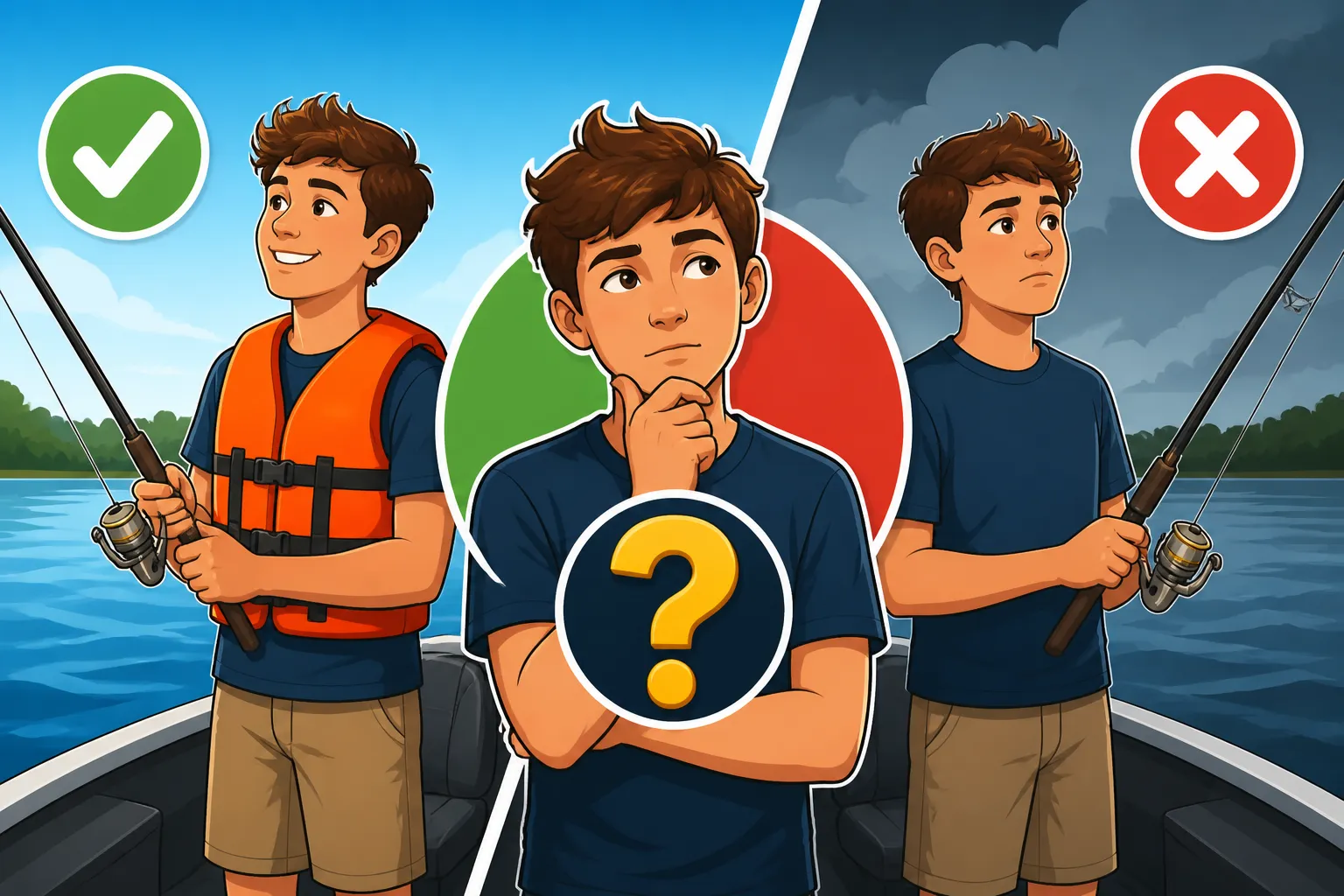
Now, to directly answer the question that brought you here: does a 13-year-old need to wear a life jacket on an Oklahoma boat? Legally, no. Once a child turns 13, the mandatory wear rule for being underway no longer applies to them in Oklahoma. This means that a 13-year-old, unlike their younger siblings, is not required by law to have a life jacket on their person or worn while the boat is in motion. This can be a point of celebration for some teens who feel the life jacket cramps their style, but it's also where a critical distinction needs to be made.
While they don't have to wear it, every vessel must still have a readily accessible, U.S. Coast Guard-approved PFD for every single person on board, including that 13-year-old. "Readily accessible" doesn't mean it's stuffed under a pile of gear in a locker that's difficult to open. It means it's easily reachable in an emergency – perhaps under a seat, in an open compartment, or hanging on a hook. So, while your newly minted teenager might be thrilled to shed the PFD, the law still requires one to be available for them. The spirit of this law is about having the equipment available, but the responsibility for wearing it shifts from a legal mandate to a personal or parental decision for those 13 and older. This nuance is often missed, leading to confusion and sometimes, a false sense of absolute freedom once that birthday rolls around.
Beyond the Law: Prioritizing Safety for Teenagers on the Water
While Oklahoma's boating laws draw a specific line in the sand at age 13 for mandatory life jacket wear, safety on the water is about far more than just legal compliance. As parents, guardians, or experienced anglers, our role extends to fostering a culture of safety that prioritizes well-being over strict adherence to minimum requirements. The water, after all, is a beautiful and exciting place, but it demands respect and preparation, regardless of age.
Why Wearing a Life Jacket is Always a Good Idea, Regardless of Age
Let's be brutally honest: accidents don't check IDs. A 13-year-old, even a strong swimmer, is just as susceptible to the sudden, disorienting shock of falling into cold water as an adult. They can just as easily be knocked unconscious if they hit their head during an unexpected swerve or collision. Think about a scenario where you're out on Lake Texoma, maybe chasing striped bass. The boat hits an unexpected wake from a passing cruiser, and your teen, who was just reaching for a drink, is suddenly overboard. The water could be choppier than it seemed, currents stronger, and the shock of the cold can quickly incapacitate even the best swimmer. In those critical moments, wearing a life jacket ensures they stay afloat, keep their head above water, and are much easier to spot and retrieve.
Even in calm conditions, unexpected events can unfold. What if the boat capsizes entirely? Or what if someone on board has a medical emergency, diverting attention from a teen who might accidentally slip? A PFD acts as an automatic floatation device, giving precious time and conserving energy that might otherwise be spent treading water. It's not about doubting their swimming ability; it's about acknowledging the unpredictable nature of open water and the very real dangers of cold shock, fatigue, or injury. We always encourage everyone on board to consider wearing a life jacket, especially if the water is rough, the weather is questionable, or if they aren't strong swimmers. It's a small inconvenience for potentially life-saving protection.
Setting a Good Example and Fostering a Safety Culture
One of the most powerful tools we have as adults is leading by example. If you, as the boat operator or an experienced angler, consistently wear your life jacket, your teenager is far more likely to follow suit, even if not legally required. It sends a clear message: safety isn't just for kids, it's for everyone who respects the water. This isn't about nagging; it's about modeling responsible behavior and creating an environment where safety is simply "how we do things" on the boat.
Encouraging teenagers to wear life jackets can be tricky, as they often push for independence and can be sensitive to feeling infantilized. Instead of a direct command, try framing it around personal choice and smart decisions. You might say, "Hey, the water's a bit choppy today, and it's cold. I'm going to throw on my life jacket – makes me feel more secure. You're welcome to do the same if you want, no pressure." This approach respects their growing autonomy while still gently guiding them towards the safer choice. Involving them in selecting a comfortable and stylish PFD (which we'll discuss more below) can also increase compliance. Ultimately, fostering a safety culture means having open conversations about risks, making safety gear readily available, and ensuring everyone on board understands the importance of being prepared, even if they're not legally mandated to wear a PFD. It's about empowering them to make smart choices for their own well-being.
Choosing the Right Life Jacket for Your Teen
Once you’ve established the "why" of life jacket wear for your teenager, the next logical step is figuring out the "what." A PFD isn't just a safety device; it's a piece of gear, and like any gear, the right choice can make a huge difference in comfort, effectiveness, and ultimately, whether your teen is willing to wear it. Gone are the days of bulky, uncomfortable orange blocks; modern life jackets offer a variety of styles and functionalities that cater to different activities and preferences.
Types of Life Jackets and Their Best Uses
The U.S. Coast Guard classifies PFDs into different "Types" based on their design and intended use. For most recreational boating with teenagers, you'll primarily be looking at Type IIIs, and possibly Type Vs for specific activities or more advanced options.
- Type II (Near-Shore Vest): These are the classic "orange horse collar" style. They offer good flotation and are designed to turn an unconscious person face-up in the water. While very effective for safety, they can be bulky and restrictive, making them less popular with active teens.
- Type III (Flotation Aid/Vest): This is the most common and versatile type for recreational boating. They come in vest-style designs, often resembling fishing vests or recreational jackets. They're comfortable for continuous wear, allow for more freedom of movement, and are available in various colors and designs. They are designed to keep a conscious person upright in the water, but may not turn an unconscious person face-up. For a teen who might be fishing, kayaking, or just enjoying the ride, a Type III PFD is usually the best bet for comfort and practicality. Many popular brands offer stylish Type III vests that teens might actually want to wear.
- Type V (Special Use Devices): These are designed for specific activities like white water rafting, kayaking, or even sailing harnesses. They offer inherent flotation or can be inflatable, and must be worn to be counted as a legal PFD. Some fishing-specific Type V vests offer integrated tackle storage and can be very appealing to a teen who's serious about angling. Inflatable PFDs, which typically resemble a small pouch or belt and inflate automatically or manually, are often Type V and are a favorite among older teens and adults for their minimal bulk and maximum comfort. However, they usually require the wearer to be conscious to activate or maintain them, and some have age/weight restrictions.
When considering where to find these, places like Bass Pro Shops or online retailers like Amazon offer a vast selection. You can find everything from basic vest-style PFDs to more advanced inflatable options, often with different colors and features that might appeal to your teen's personal style. It’s worth checking out brands like Onyx, Mustang Survival, or even NRS for good quality and comfortable options. Remember, the "best" life jacket is the one they'll actually wear.
Ensuring a Proper Fit for Safety and Comfort
Even the most technologically advanced life jacket is useless if it doesn't fit correctly. An ill-fitting PFD can be dangerous – one that's too loose can ride up around the ears, becoming a hindrance rather than an aid, while one that's too tight will be uncomfortable and likely won't be worn. Here’s how to ensure a proper fit for your teenager:
- Check Weight and Chest Size: Most life jackets are rated by the wearer's weight and chest circumference. Make sure to check these specifications carefully. Don't guess; take actual measurements.
- Try It On: Have your teen put the life jacket on, making sure all zippers, buckles, and straps are fastened. It should feel snug, but not uncomfortably tight, and allow for a full range of motion.
- The "Lift Test": While wearing the PFD, have your teen lift their arms above their head. Then, gently pull up on the shoulders of the life jacket. If it slides up past their ears or chin, it's too large. It should stay securely in place around their torso.
- Consider Activity: If your teen is primarily fishing, look for vests with large pockets and comfortable armholes. If they're water skiing or tubing (where wearing a PFD is mandatory regardless of age, as per Why Water Skiers and Tubers Must Wear a Life Jacket in Oklahoma), they'll need a PFD designed to withstand impacts and provide flotation without hindering movement during high-speed activities.
- Involve Them in the Choice: Letting your teenager have a say in the color, style, or features of their life jacket can significantly increase their willingness to wear it. A life jacket they feel good in is a life jacket they'll use.
Remember, a proper fit means safety and comfort, which translates to a happier, safer experience on the water for your teen and peace of mind for you.
Common Scenarios and Best Practices for Boating with Teens
Taking teenagers out on the water in Oklahoma isn't just about navigating the rules; it's about navigating the realities of unpredictable environments and energetic young adults. There are certain scenarios where wearing a life jacket moves from a good idea to an absolute necessity, regardless of age-based legal mandates. Thinking proactively about these situations can help ensure everyone has a safe and enjoyable time.
High-Energy Activities: Tubing, Skiing, and Wakeboarding
This is a non-negotiable area. Oklahoma law is very clear: anyone being towed behind a boat on skis, a wakeboard, a tube, or similar devices must wear a U.S. Coast Guard-approved life jacket, regardless of their age. So, even if your 13-year-old is a fantastic swimmer and technically past the mandatory wear age for just being on the boat, the moment they climb onto that tube or strap on those skis, the PFD goes on.
The reason for this rule is obvious: the sheer speed and impact involved in these activities. Falling at 20+ miles per hour can be disorienting and painful, and a properly fitted PFD ensures immediate flotation. It also makes it much easier for the spotter and boat driver to locate them quickly in the water. For these activities, you'll want a PFD specifically designed for watersports – they tend to be more streamlined, have stronger zippers and buckles, and offer better impact protection. Brands that specialize in watersports gear often have excellent options that look cool and perform well, which can be a big selling point for a style-conscious teen. Always double-check that the PFD is suitable for the specific activity your teen will be doing, and ensure it fits snugly.
Night Fishing and Unexpected Weather
Fishing at night can be an incredible experience on Oklahoma's lakes, especially during the summer months when the air cools and the fish become more active. However, night fishing also brings reduced visibility and increased risks. Even in familiar waters, it's harder to see obstacles, assess distances, or spot someone who might accidentally fall overboard. In these situations, encouraging your 13-year-old (and everyone else) to wear a life jacket is a crucial best practice.
Similarly, Oklahoma weather can change on a dime. A sunny morning can quickly turn into a stormy afternoon with high winds, heavy rain, and rough waters. A cold front rolling through can drastically drop water temperatures. These are the moments when a life jacket becomes absolutely vital. The disorienting effects of wind and waves, combined with potential cold shock from unexpected immersion, can quickly overwhelm even a strong swimmer. Having everyone wear a PFD when conditions are iffy, or when visibility is low, significantly increases safety. Consider PFDs with reflective tape or bright colors, which can make a person much easier to spot in low light conditions or choppy water. Best Fishing Boats for Oklahoma's Big Reservoirs often have features that help in these situations, but nothing beats a worn life jacket.
What to Do in an Emergency: Practice Makes Perfect
Knowing the rules and having the right gear is only half the battle. True water safety for teenagers (and everyone) comes from preparedness and practice. It’s not enough to simply have life jackets stowed away; everyone on board should know where they are, how to put them on correctly, and what to do in a worst-case scenario.
Take the time before you leave the dock, or even during a calm moment on the water, to review emergency procedures. Point out the location of all PFDs. If your teen isn't wearing one, ask them to quickly retrieve and put on their designated life jacket. Time them, make it a game. This isn't meant to scare them, but to empower them with knowledge and confidence. Discuss what to do if someone falls overboard: "Point and keep your eyes on them," "throw the throwable device," "circle back slowly." Practice what to do if the boat breaks down or if you need to call for help. Having a basic understanding of Oklahoma Boat Safety Equipment Checklist and what each piece of gear is for can make a huge difference.
| Age Category | Mandatory Wear (Underway) | PFD On Board Required | Recommended Wear (Anytime) |
|---|---|---|---|
| Children 12 and Under | Yes | Yes | Yes |
| Teenagers 13 and Older | No | Yes | Highly Recommended |
| Adults | No | Yes | Highly Recommended |
| All Ages (Towed Sports) | Yes | Yes | Yes |
Remember that while a 13-year-old isn't legally required to wear a life jacket on an Oklahoma boat (unless involved in towed water sports), having one readily available for them is still mandatory. More importantly, fostering a proactive safety mindset, setting a good example, and encouraging them to wear a PFD in risky situations can save a life. Safety is always worth the extra effort.
How Long an Oklahoma Fishing License Stays Valid
Oklahoma's Bass Fishing Rules and Limits
Best Catfish Fishing Spots in Oklahoma
Kayak Fishing Gear Every Oklahoma Angler Needs
Best Rods for Oklahoma Largemouth Bass
Fines for Boating Safety Violations in Oklahoma
Does a Texas Fishing License Work Across the State Line?
What a Full Year of Fishing Costs Compared to a Single Day
Best Crappie Fishing Spots on Tenkiller Ferry Lake, Oklahoma
What Happens if You Fish Without a License in Oklahoma
Best Kayak Crate Setup for Tackle Storage
What Boat Length Requires a Throwable Life Ring in Oklahoma?
Disclaimer
This article is for general informational purposes only and does not constitute professional advice. Laws, prices and regulations vary by location and change over time. Consult a qualified professional for guidance on your specific situation.