Bank Fishing Gear vs Boat Fishing Gear
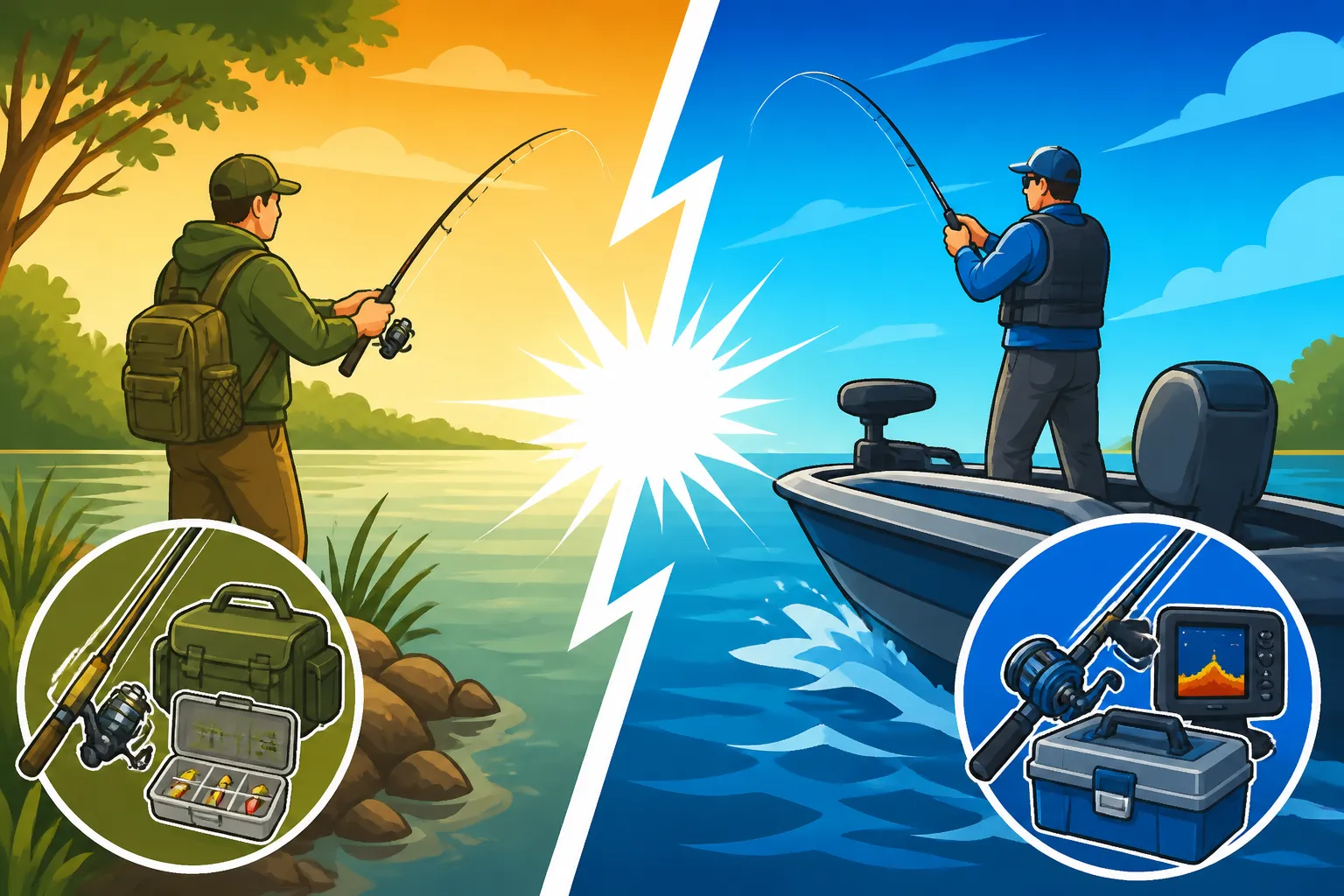
It’s a common dilemma for Oklahoma anglers: do you really need a fancy boat to find success on the water, or can you pull in fantastic catches right from the bank? The truth is, both approaches offer unique experiences and require different gear considerations. For many, the dream of a fully rigged bass boat seems distant, while others might feel limited without one. This guide will walk you through the distinct gear necessities, advantages, and drawbacks of both bank fishing and boat fishing in Oklahoma, helping you figure out which path aligns best with your fishing goals, budget, and desired level of adventure.
The Fundamental Differences: Access, Mobility, and Scope
When you're deciding between bank fishing and boat fishing, it's not just about the gear itself; it's about the entire fishing experience. The fundamental differences lie in how you access the water, how much ground you can cover, and what kinds of fish and structures become available to you. Understanding these core distinctions is the first step in assembling the right kit.
The Reach of Bank Fishing vs. Boat Access
Bank fishing, by its very nature, limits you to areas reachable by foot or a short hike from parking. This often means public parks, designated fishing piers, or stretches of shoreline along smaller ponds and rivers. While there are countless fantastic spots for shore anglers across Oklahoma, you’re inherently restricted to what's immediately accessible. You might find yourself casting into open water, working along a weed line close to shore, or targeting shallow eddies in a river. This can be great for panfish, smaller bass, or channel catfish cruising the shallows.
Conversely, a boat opens up an entirely new world of possibilities. Suddenly, those tantalizing coves, submerged humps, deep creek channels, and isolated timber stands are within reach. On a massive lake like Texoma or Eufaula, having a boat transforms the landscape from a few accessible shoreline points into hundreds of square miles of prime fishing territory. You're no longer confined to where the road ends or where the trail dictates; you can explore the full expanse of the lake, chasing fish wherever they might be holding. This access often means getting to deeper, clearer water, or entirely undisturbed fishing grounds that bank anglers can only dream of.
Mobility and the Element of Surprise
For the bank angler, mobility is largely human-powered. You can walk the shoreline, but relocating to an entirely different section of a lake might mean packing up your gear, driving to a new spot, and setting up again. This can be time-consuming and limits how quickly you can react to changing conditions or find active fish. It encourages a more patient, methodical approach, often focusing on a specific spot that you know holds fish, or adapting your techniques to the limited area you have. Bank Fishing Tips for Beginners often emphasize understanding your immediate surroundings deeply.
A boat, however, provides unparalleled mobility. If the fish aren't biting in one cove, you can fire up the engine and be in another in minutes. This ability to "run and gun" allows you to cover vast amounts of water, searching for active schools or prime structures. It’s a huge advantage when fish are scattered or when you're trying to pattern them. Imagine trolling for striped bass on Lake Texoma – that's a technique only possible with a boat, allowing you to cover miles of open water and present your bait to numerous fish. Even a small jon boat or kayak drastically increases your range compared to bank fishing, letting you explore beyond the immediate shoreline.
Targeting Different Species and Depths
The type of fish you target, and their typical habitat, also plays a huge role in the bank vs. boat decision. Many popular species, like bluegill, smaller crappie, and channel catfish, are frequently found in shallower waters that are well within casting range from the bank. You can often find them near docks, submerged brush piles close to shore, or along natural drop-offs easily reached with a good cast. Larger fish, especially trophy bass or deep-water species like blue catfish and many forms of striped bass, often hold in deeper water, around offshore structures, or in wide-open expanses that are simply inaccessible from shore.
For example, if your goal is to land a massive blue catfish, being able to position your boat over a deep river channel or a prominent hump several hundred yards from shore gives you a distinct advantage. While you can catch some impressive catfish from the bank, the sheer volume and size potential often increase with boat access. Similarly, targeting schooling striped bass or chasing walleye in deeper water often necessitates a boat. Bank anglers, while still very successful, might lean more towards species that frequent the margins, focusing on the accessible cover and structure that naturally occurs close to land. Understanding Oklahoma's Catfish Fishing Rules and Limits or Oklahoma's Bass Fishing Rules and Limits can help inform your decision on which species to target given your access.
Essential Gear for the Dedicated Bank Angler
Don't let anyone tell you that bank fishing isn't "real" fishing. It absolutely is, and it can be incredibly rewarding. However, to maximize your success and comfort, you need a different gear mindset than someone heading out on a boat. Portability, efficiency, and preparedness for a stationary setup are key.
Portable Tackle and Comfort on Shore
When you're bank fishing, everything you bring has to be carried. This means minimizing bulk and weight is crucial. Instead of a massive tackle box, many successful bank anglers opt for a compact tackle bag or a fishing backpack. These allow you to organize essential lures, hooks, weights, and tools without overpacking. Imagine hiking a quarter-mile to a prime spot along the Illinois River; you don't want to be lugging a fifty-pound tackle box! A sturdy backpack from Bass Pro Shops or even a well-organized smaller backpack you might find on Amazon can make a world of difference.
Beyond tackle, comfort gear is vital. A portable folding chair can turn a long day of standing into a relaxing experience, especially when waiting for a bite. A good cooler, sized appropriately for your day's drinks and snacks, is also essential. Think about how far you’ll be walking from your vehicle and plan accordingly. Backpacks with built-in cooler compartments are brilliant for this. Remember, you're not just fishing; you're setting up a temporary camp. Best Bank Fishing Spots Setup Tips often highlight the importance of being comfortable and prepared for the long haul.
Essential Tools for Bankside Success
Beyond your rod, reel, and tackle, a few key tools will make your bank fishing experience much smoother. A long-handled landing net is invaluable, especially if you’re fishing from a pier or elevated bank. Trying to hoist a hefty catfish or a thrashing bass up a steep bank with just your line is a recipe for a lost fish and potentially broken gear. Pliers or a multi-tool are also non-negotiable for hook removal, cutting line, and general repairs. A small first-aid kit, a headlamp for early mornings or late evenings, and a reliable knife are also smart additions.
Think about the specific challenges of bank fishing: you can't just run back to the truck for something you forgot. Having everything you need within arm's reach is critical. This might include a small bait bucket for live bait, a stringer or a small soft-sided cooler for keeping your catch fresh, and even a small rag or towel to wipe your hands. These aren't fancy items, but they significantly improve the overall experience and prevent frustration when you're far from your vehicle.
Planning for the Elements and Your Catch
Weather can change quickly in Oklahoma, so planning for the elements is crucial for bank fishing. A wide-brimmed hat, sunglasses, and sunscreen are essential for protection against the sun. Even on a cloudy day, UV rays can be intense. A lightweight rain jacket or poncho tucked into your bag can save you from a sudden shower. Being stuck in a downpour with no shelter can quickly ruin a great fishing trip.
Finally, consider what you'll do with your catch. If you plan to keep fish, a stringer that can be staked into the bank or tied to a sturdy object is a simple, effective solution. For larger catches or if you plan to fish for an extended period, a soft-sided cooler with ice will keep your fish fresh until you head home. Don't forget a tape measure to ensure your fish meet the legal length requirements – game wardens do check! Familiarize yourself with Oklahoma's Bag Limit Rules by Species before you head out.
What Goes into a Well-Equipped Fishing Boat
Stepping up to a fishing boat is a game-changer, but it also comes with a significant increase in gear and responsibilities. From the vessel itself to safety equipment and organizational systems, there's a lot to consider to make your boat a truly effective fishing platform.
The Vessel Itself: Types and Considerations
Oklahoma's diverse waters call for different types of fishing boats. For serious bass anglers, a fiberglass bass boat offers speed, power, and specialized features like livewells, extensive rod storage, and large casting decks. These are built for tournament fishing and navigating big reservoirs like Grand Lake or Lake Eufaula at speed. However, they come with a high price tag and require more maintenance.
If you're looking for versatility, an aluminum jon boat or multi-species boat might be a better fit. These are often more affordable, easier to launch in shallower areas, and can be adapted for various fishing styles, from crappie jigging to catfish trotlining. They're excellent for navigating rivers and smaller lakes, as well as holding their own on larger impoundments on calmer days. Best Fishing Boats for Oklahoma's Big Reservoirs delves deeper into these options. Kayaks and canoes also offer excellent, often more affordable, boat access, especially for those looking for a quieter, more intimate fishing experience, though they sacrifice speed and cargo capacity.
Safety First: Mandatory and Recommended Boat Gear
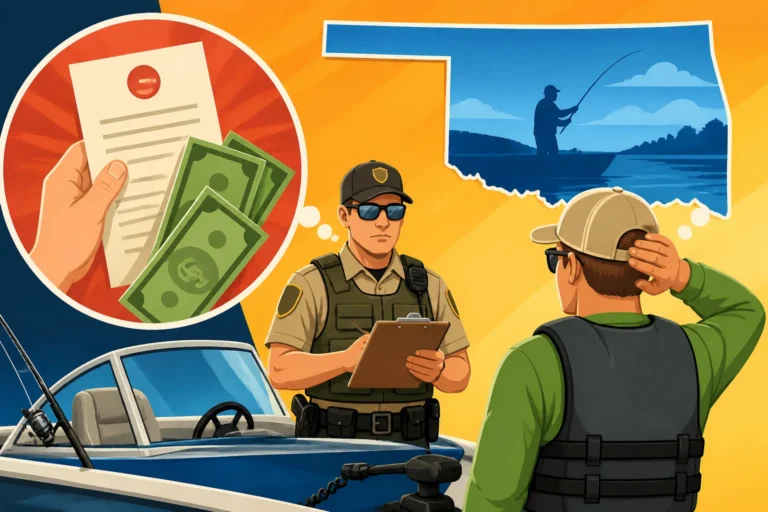
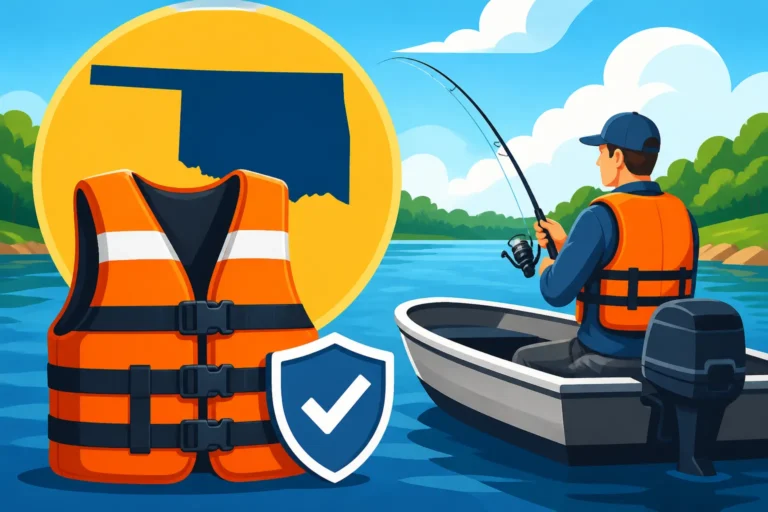
Unlike bank fishing, boating comes with a strict set of safety regulations, and for good reason. Every boat in Oklahoma must carry specific safety equipment. Foremost among these are life jackets (or personal flotation devices, PFDs). You need one readily accessible for every person on board, and children under a certain age (typically 12 or younger) must wear them at all times while the boat is underway. Beyond PFDs, you’ll need a sounding device (like a whistle or horn), navigation lights for night operation, and a fire extinguisher. Boats over 16 feet also require a throwable flotation device.
It's not just about what's legally required; it's about being prepared. A robust first-aid kit is essential, as is an emergency repair kit with basic tools, spare fuses, and electrical tape. A marine radio or cell phone for emergencies, a strong anchor with plenty of rope, and a paddle (even if you have a motor) are also highly recommended. Being stranded on a large Oklahoma lake due to engine trouble is no fun, and proper safety gear can literally be a lifesaver. You can often find comprehensive safety kits at Bass Pro Shops or through online retailers like Amazon. Always refer to the Safety Gear Checklist for Oklahoma Boaters before every outing.
Storage and Organization on the Water
Boat fishing allows you to carry a lot more gear, but this also means organization becomes paramount. Clutter on a boat is not only annoying but can be dangerous. Bass boats are designed with abundant storage compartments – rod lockers, tackle storage, and dry storage areas – to keep everything neatly stowed and protected from the elements. If you have a simpler jon boat or utility boat, you might need to get creative with aftermarket storage solutions like waterproof bins, rod holders, and tackle boxes that fit snugly.
Livewells are a crucial feature for many boat anglers, especially those targeting bass or crappie, as they allow you to keep your catch alive and healthy. They circulate fresh water, ensuring fish survive until weigh-in or transport home. For non-livewell boats, a large cooler dedicated solely to fish, filled with ice, is a must. Thinking about where every piece of tackle, every tool, and every piece of safety gear will go before you even leave the ramp can save you a lot of headache on the water.
Rods, Reels, and Line: Tailoring Your Tackle
The choice of rods, reels, and line is perhaps the most personal aspect of fishing gear, and it changes significantly between bank and boat fishing. What works for a casual cast from shore might be utterly inefficient when you're trying to land a trophy from the depths of a reservoir.
Rod Length and Power: Bank vs. Boat Specifics
For bank fishing, longer rods are often preferred. A 7 to 9-foot spinning rod can give you extra casting distance, which is invaluable when you're trying to reach structure far from shore. The extra length also helps with line control and keeping your bait in the strike zone longer. Think about casting from a jetty or a wide-open bank; that added reach can be the difference between catching fish and simply watching them swim by. However, you also need to consider your surroundings: if you're fishing a heavily treed bank, a super-long rod might be more of a hindrance than a help.
Boat fishing offers more flexibility in rod length. Bass anglers, for instance, might use a variety of rods from 6-foot, 6-inch cranking rods to 7-foot, 6-inch flipping sticks, all designed for specific techniques and close-quarters accuracy. The ability to move the boat directly to structure or cover means you don't always need maximum casting distance. However, for techniques like trolling for striped bass, longer rods are still common to spread out lines and handle the pressure. Ultimately, boat fishing allows for a more specialized arsenal of rods, each perfectly matched to a particular lure or presentation. Best Rods for Oklahoma Largemouth Bass outlines specific choices.
Reel Types and Line Choices for Each Scenario
Spinning reels are generally the workhorse for most bank anglers. They are versatile, easy to use, and excellent for casting lighter baits over long distances, making them ideal for everything from panfish to bass. Paired with monofilament or fluorocarbon line, they offer a forgiving setup for beginners and experienced anglers alike. The simplicity of a spinning reel setup is a huge advantage when you're dealing with limited space and quick changes.
On a boat, baitcasting reels become much more prevalent, particularly for bass and catfish anglers. They offer superior power, accuracy, and control, especially when casting heavier lures or fishing in dense cover. Many boat anglers will have multiple rods and reels rigged for different techniques – one for throwing a crankbait, another for flipping a jig, and so on. Braided line is also more common on boats due to its strength, sensitivity, and lack of stretch, which is perfect for feeling subtle bites in deeper water or setting hooks in heavy cover. For big game like trophy catfish, heavy-duty conventional reels might also come into play. Consider the Best Spinning Reel for Crappie Fishing versus the Best Baitcasting Reel for Bass Fishing to see the distinct differences.
Specialized Rigs and Lures for Your Chosen Method
Your chosen fishing method – bank or boat – heavily influences the types of rigs and lures you’ll carry. Bank anglers often rely on versatile setups like Carolina rigs, Texas rigs, or simple bobber and bait combinations. Lures that cast well and cover a lot of water from a stationary position, such as spinnerbaits, crankbaits, or soft plastics, are popular. Live bait, like minnows or worms, is also a go-to for bank anglers targeting crappie, catfish, and panfish.
Boat anglers, while using many of the same core lures, can diversify their presentation significantly. The ability to use a trolling motor for precise boat positioning allows for techniques like jigging vertically over structure, spider rigging for crappie, or meticulously working a dropshot rig. Specialty lures, such as deep-diving crankbaits that require a boat to reach their optimal depth, or large swimbaits for targeting trophy bass in open water, become viable options. Furthermore, the use of electronics allows boat anglers to identify specific structure and present a lure precisely to where fish are holding, opening up a whole new world of specialized rigs.
Electronics, Navigation, and Advanced Boat Gadgets
This is where boat fishing truly distinguishes itself from bank fishing. While a bank angler relies on their eyes and local knowledge, a boat angler can leverage incredible technology to find fish and navigate the waters with precision.
The Role of Fish Finders and GPS on a Boat
Fish finders, also known as sonar units, are arguably the most transformative piece of technology for boat anglers. These devices allow you to "see" underwater, revealing structure, depth contours, and even individual fish or schools of fish. Modern units offer incredibly detailed views, from traditional 2D sonar to down imaging, side imaging, and even live-scanning sonar that shows real-time movement. On vast Oklahoma reservoirs, a good fish finder helps you locate hidden creek channels, submerged timber, rock piles, and brush piles – all prime fish-holding areas that are invisible from the surface. Fish Finder Features That Matter Most on Oklahoma Reservoirs can help you choose the right one.
Integrated GPS systems, often part of the fish finder unit, are equally crucial. They allow you to mark waypoints for productive spots, navigate safely, and follow precise depth contours. Imagine finding a brush pile holding crappie; with GPS, you can mark that spot and return to it again and again. You can also trace your path, which is invaluable for understanding how you covered an area and for avoiding hazards. On a large, unfamiliar lake, GPS is not just a convenience; it's a vital safety tool.
Trolling Motors and Anchoring Systems
Trolling motors provide quiet, precise propulsion, allowing boat anglers to sneak up on fish or hold their position without scaring them. Modern electric trolling motors often come with GPS capabilities, allowing you to "spot-lock" (digitally anchor your boat in place), follow a contour line, or even navigate a predetermined route. This hands-free operation is a huge advantage for pitching lures to specific targets or gently presenting bait. For example, when crappie fishing a submerged tree, a trolling motor lets you maintain the perfect distance and angle.
While a traditional anchor is still essential for holding your boat in place, especially in windy conditions or when fishing heavy current, trolling motors have revolutionized boat control. For those fishing moving water, a powerful electric motor with precise control can be more effective than constantly dropping and retrieving an anchor. Understanding How to Anchor a Boat for Better Fishing is key, whether you're using a traditional anchor or advanced spot-lock technology.
Communication and Power Systems
Boat fishing also requires a robust power system to run all these electronics. This usually involves multiple deep-cycle marine batteries, often charged by the boat's main engine alternator or a dedicated onboard charger. Managing battery life is a constant consideration, especially when running multiple fish finders, a trolling motor, and other accessories.
For communication, beyond a cell phone, many serious boat anglers carry a VHF marine radio. This provides a reliable way to communicate with other boaters or emergency services, especially in areas with spotty cell service on large lakes. While not strictly mandatory for recreational anglers on inland lakes, it's a smart addition for safety and peace of mind, particularly if you're venturing far from shore or fishing alone.
Cost and Maintenance Considerations for Both Approaches
The financial aspect is often the biggest hurdle and differentiator between bank and boat fishing. It's not just the initial purchase price, but the ongoing costs and time commitment for maintenance that truly set them apart.
Initial Investment: A Stark Contrast
The entry barrier for bank fishing is incredibly low. You can get a basic rod and reel combo for under $50, a small tackle box for $20, and a pack of hooks, sinkers, and bait for another $20. Add in a valid Oklahoma Fishing License Requirements in Oklahoma, and you're ready to fish for less than $100. It's an accessible hobby for almost anyone, which is one of its greatest appeals. Even if you want to upgrade to some higher-quality gear, a few hundred dollars will get you a very respectable bank fishing setup from retailers like Bass Pro Shops or online through Amazon.
A fishing boat, on the other hand, represents a significant financial commitment. Even a used jon boat and small outboard motor can run into the low thousands of dollars. A fully equipped bass boat can easily cost tens of thousands, or even well over a hundred thousand for a new, top-tier model with all the bells and whistles. Beyond the boat itself, you'll need a trailer, safety equipment, and all the specialized fishing electronics. This initial investment alone is enough to deter many, making it a dream for some rather than an immediate reality.
Ongoing Costs and Upkeep
The cost of fishing doesn't stop after the initial purchase. For bank fishing, ongoing costs are minimal: bait, replacement lures, line, and a new fishing license each year. If you're rough on your gear, you might replace a rod or reel every few years, but these are generally small, manageable expenses.
Boat fishing, however, has substantial ongoing costs. There's fuel, which can add up quickly, especially on a big reservoir with a powerful outboard. You'll also have maintenance expenses: regular engine servicing, oil changes, prop repairs, trailer tire replacements, and battery replacements are all part of boat ownership. Then there are consumables like boat cleaning supplies, waxes, and minor repairs. Don't forget storage if you don't have space at home, and potential insurance costs. Your Oklahoma Boat Registration and Titling Rules Explained will also outline annual fees. These costs mean that owning a boat is not just a one-time purchase, but a long-term financial commitment.
| Feature | Bank Fishing Gear | Boat Fishing Gear |
|---|---|---|
| Primary Access | Shorelines, piers, public access points | Entire lake, offshore structures, deep channels |
| Mobility | Limited; often involves walking or driving | High; quick repositioning, covers vast distances |
| Gear Portability | Essential; compact tackle bags, backpacks | Less critical; ample storage, can carry more |
| Rod Length | Often longer for casting distance (7-9 ft) | Varied; specific lengths for specialized techniques |
| Reel Types | Spinning reels common for versatility | Baitcasting and spinning for specialized techniques |
| Electronics | Minimal; possibly a handheld depth finder | Fish finders, GPS, trolling motors, marine radio |
| Safety Gear | Basic (first aid, weather-appropriate clothing) | Mandatory (PFDs, fire extinguisher, horn, lights) |
| Initial Cost | Low (under $100 for basic setup) | High (thousands to tens of thousands of dollars) |
| Ongoing Costs | Low (bait, line, license) | High (fuel, maintenance, insurance, registration) |
| Convenience | Can be spontaneous, less setup time | Requires significant prep, launching, cleaning |
Time Commitment and Enjoyment Factor
Bank fishing is often more spontaneous. You can decide to go after work, grab your rod, and be on the water in minutes. The setup and breakdown time are minimal, leaving more time for actual fishing. It's a fantastic way to enjoy a quick hour or two, unwind, and still connect with nature. This low time commitment makes it highly appealing for busy individuals or those who prefer simplicity.
Boat fishing, while offering incredible freedom on the water, requires a much greater time commitment off the water. There's the time spent trailering the boat, launching and retrieving it, cleaning it after each trip, performing routine maintenance, and ensuring all safety gear is in order. A "quick trip" often turns into several hours of preparation and cleanup. However, for many, the unparalleled access, the ability to chase specific species, and the sheer thrill of covering vast waters far outweigh this extra effort. The enjoyment factor for boat fishing often comes from the expanded opportunities and the technical challenge it presents, allowing you to access places like the Best Crappie Lakes in Oklahoma or the Best Bass Fishing Lakes Across Oklahoma that would be unreachable otherwise.
Ultimately, both bank fishing and boat fishing in Oklahoma offer unique and rewarding experiences. Your choice depends on your budget, how much time you're willing to commit, and the type of fishing adventure you're truly seeking.
Disclaimer
This article is for general informational purposes only and does not constitute professional advice. Laws, prices and regulations vary by location and change over time. Consult a qualified professional for guidance on your specific situation.