Type IV Throwable Device Rules for Boats Over 16 Feet in Oklahoma
It's easy to get caught up in the excitement of a day on Oklahoma's beautiful waters, whether you're chasing trophy bass on Lake Texoma or enjoying the vastness of Lake Eufaula. But sometimes, in all that eagerness, crucial safety equipment can get overlooked or misunderstood. This guide is all about one often-misunderstood but absolutely vital piece of gear: the Type IV throwable device, specifically for those of us with boats over 16 feet.
Understanding the "Why" Behind Throwable Devices
When you're out on the lake, the last thing anyone wants to think about is an emergency. We want to picture calm waters, biting fish, and good times. But as any seasoned angler knows, conditions can change in a heartbeat. That's why understanding the purpose behind every piece of safety equipment, especially your throwable device, is so important. It's not just a rule; it's a lifeline.
The Core Purpose: Immediate Rescue
A Type IV throwable device isn't designed to be worn like a life jacket. Instead, its primary role is for immediate rescue of someone who has unexpectedly fallen overboard. Imagine this scenario: you're cruising along, maybe enjoying a quiet afternoon, when suddenly, a rogue wake hits, or someone simply loses their footing. In an instant, a person is in the water. Your first instinct, after stopping the boat safely, is to get something to them that floats and can be easily grabbed. That's where the throwable device comes in. It's meant to be tossed quickly to the person in the water, giving them something buoyant to hold onto while you maneuver the boat closer or prepare other rescue efforts. It provides immediate flotation and visibility, buying precious time. Without it, even a strong swimmer can quickly become exhausted or disoriented, especially if the water is cold or choppy.
Why 16 Feet Is the Magic Number
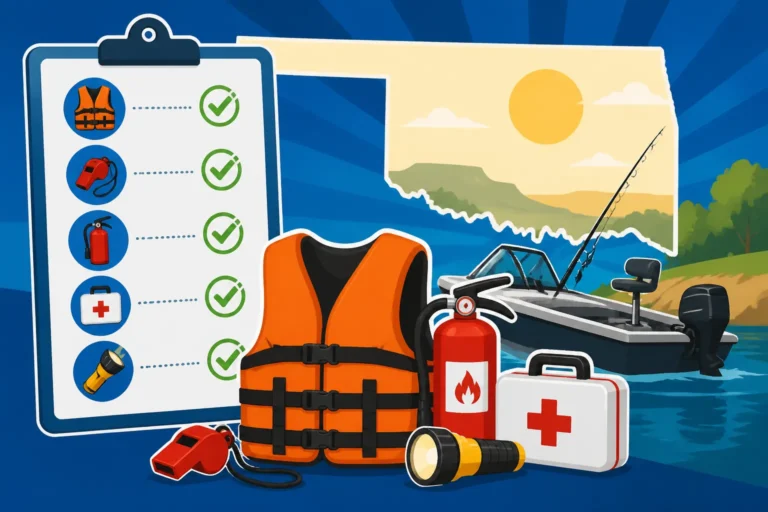
You might be wondering why Oklahoma boating regulations, along with federal Coast Guard rules, specifically draw the line at boats over 16 feet in length for requiring a Type IV throwable device. It's a pretty practical reason, actually. Smaller boats, like kayaks or canoes, often have someone within arm's reach of the water, and they typically aren't carrying as many passengers or moving at high speeds that would create significant distance quickly. However, once you get into boats 16 feet or longer – think your average bass boat, pontoon, or runabout – the dynamics change considerably. These boats are larger, can carry more people, and often operate at higher speeds. If someone goes overboard from a larger vessel, they can be much further away from the boat in a very short amount of time. The distance can be greater, the time it takes to turn the boat around can be longer, and the risk of losing sight of them increases. A throwable device bridges that gap, providing an immediate aid without requiring the boat to be perfectly positioned for a direct grab. It's a recognition that larger boats present a different set of challenges in a man overboard situation. If you're looking for more details on general safety, check out Oklahoma Boat Safety Equipment Checklist.
The Dangers of Falling Overboard
Let's be realistic: falling into the water, even if you know how to swim, can be incredibly dangerous. It's not like jumping into a swimming pool. The shock of cold water, especially in Oklahoma during the cooler months, can instantly trigger gasping and hyperventilation, making it hard to breathe and impossible to call for help. Even in warmer water, panic can quickly set in. If you're wearing heavy clothing, it can become waterlogged and drag you down. There's also the risk of injury upon impact with the water or hitting parts of the boat. Currents, waves, and even the prop wash from your own boat can make it difficult to stay afloat and swim back. Add to that the possibility of being knocked unconscious or simply exhausted from the struggle, and you can see why having an easily accessible throwable device isn't just a good idea – it's absolutely critical. It buys you time, offers a point of focus for the person in distress, and significantly increases their chances of a successful rescue.
Types of Type IV Throwable Devices and Their Requirements
When we talk about Type IV throwable devices, it's not a one-size-fits-all situation in terms of appearance, but they all serve the same critical function. Understanding the different types and what makes them compliant is key to ensuring you're properly equipped.
Rings, Cushions, and Horseshoes
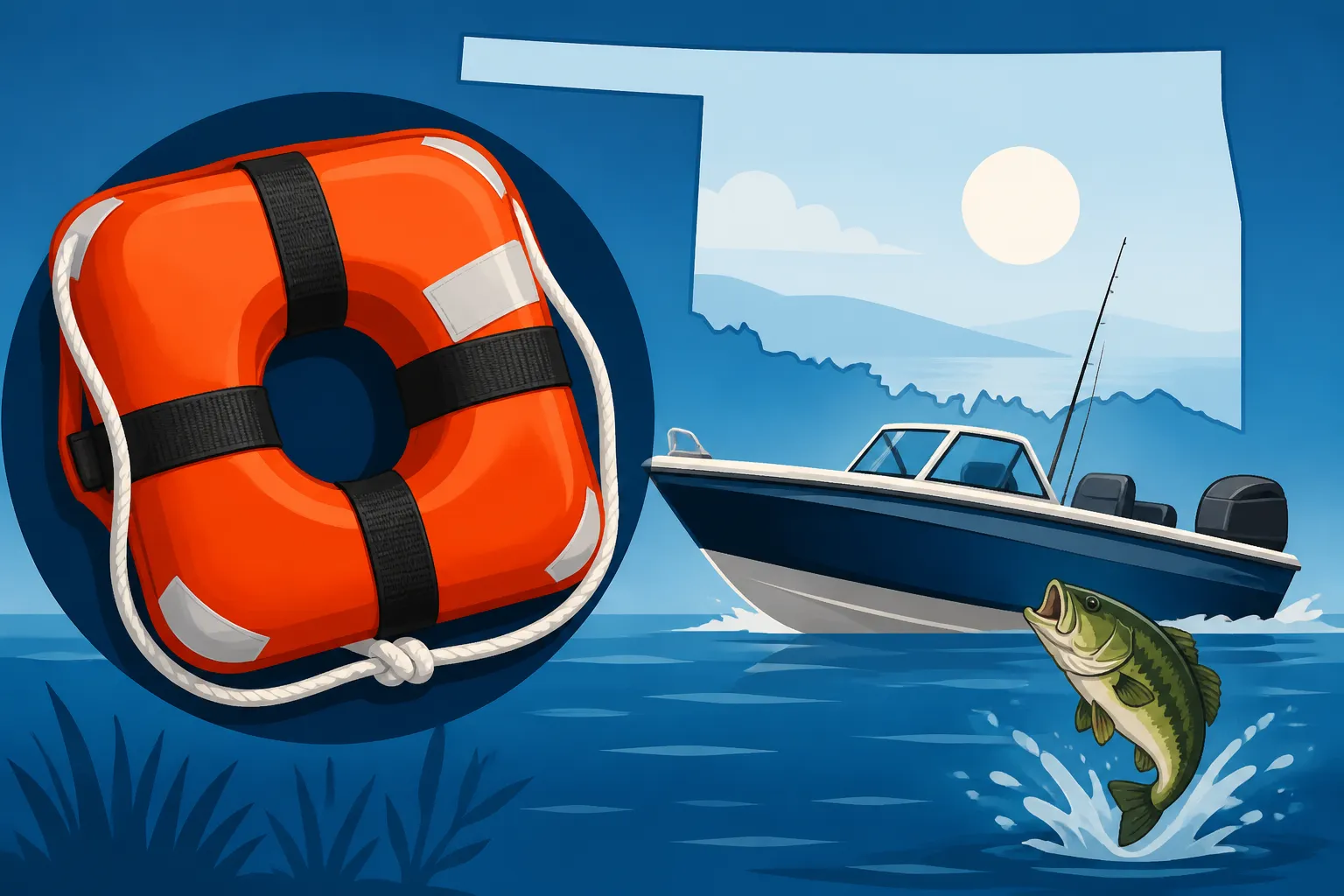
The most common Type IV throwable devices you'll see are ring buoys, buoyant cushions, and horseshoe buoys. Each has its advantages:
- Ring Buoys: These are the classic "lifesaver" rings you see in movies. They're highly visible, easy to grasp, and provide substantial buoyancy. Many come with a line attached, which is incredibly useful for reeling someone back to the boat or for the person in the water to hold onto while being pulled in.
- Buoyant Cushions: These are probably the most popular choice for smaller recreational boats. They look like seat cushions, and indeed, many are designed to double as comfortable seating. However, don't let their dual purpose fool you; they are certified to provide adequate flotation for a person to hold onto. The key is to ensure they are actually U.S. Coast Guard approved as a Type IV device, not just a regular seat cushion. They are easy to throw and can be surprisingly effective.
- Horseshoe Buoys: Often seen on larger vessels or sailboats, these are shaped like a horseshoe, making them easy to deploy and for a person to get into. They are generally very visible and provide excellent flotation.
No matter which type you choose, the crucial thing is that it is a specifically approved Type IV device. You can find a good selection of these at places like Bass Pro Shops or even online at Amazon, but always double-check the product description to ensure it meets U.S. Coast Guard standards.
Accessibility and Condition on Board
It's not enough to simply have a Type IV throwable device on your boat; it must be readily accessible and in good, serviceable condition. What does "readily accessible" mean? It means it needs to be where you can grab it and throw it overboard almost instantly. Tucked away in a compartment under a pile of gear, bungee-corded down, or buried beneath several bags of snacks simply won't cut it. Imagine a chaotic situation – someone is in the water, and you're scrambling. You don't have time to dig around for a life-saving device.
A good rule of thumb is to place it in an open area, perhaps near the helm, or in a transom area where it can be quickly unlatched and tossed. Many boaters attach a tether line to their throwable device, coiling it neatly so it deploys easily when thrown. As for "serviceable condition," this means no excessive tears, punctures, waterlogging, or severe sun damage that would compromise its buoyancy or structural integrity. A faded, stiff, or torn cushion might not offer the flotation needed, or it could fall apart when thrown. Regular inspection is key. If you're ever in doubt about the condition or placement, err on the side of caution. Remember, this device is there to save a life, and its effectiveness hinges on its immediate availability and reliability. This also ties into the overall Oklahoma Life Jacket and PFD Rules for Boaters.
Understanding US Coast Guard Approval
When you're looking to purchase a throwable device, or just checking the one you already have, you'll hear the term "US Coast Guard Approved" (USCG Approved) thrown around a lot. This isn't just marketing jargon; it's a legal and safety standard. The Coast Guard sets stringent requirements for flotation devices to ensure they actually perform their life-saving function when needed. For a Type IV throwable device, this means it has been tested and certified to provide a minimum amount of buoyancy (typically around 16.5 pounds for ring buoys and 18 pounds for buoyant cushions) and to maintain that buoyancy over time.
You'll find a label on any approved device clearly stating its Type (e.g., "Type IV PFD"), the manufacturer, and the approval number. If a device doesn't have this label, or if the label is illegible, it's not considered compliant, even if it looks exactly like an approved one. Don't take chances with unapproved items; a regular beach float or pool toy might look similar, but it won't offer the necessary buoyancy or durability in an emergency. Always ensure your throwable device bears that official USCG approval to guarantee it meets the safety standards required for Oklahoma's waterways. This commitment to proper gear is also relevant when considering other crucial items like those discussed in Type IV Throwable Device Rules for Boats Over 16 Feet in Oklahoma.
Practical Application and Best Practices for Anglers
Having the right gear is one thing, but knowing how to use it effectively and maintaining it properly are just as important. For us anglers, who spend countless hours on the water, integrating these safety practices into our routine is simply good seamanship.
Strategic Placement on Your Boat
The placement of your Type IV throwable device isn't just about meeting a regulation; it's about maximizing its effectiveness in an emergency. Think about the most likely places someone might go overboard on your particular boat. Is it off the bow while retrieving an anchor? Over the side while reeling in a big fish? Or from the stern while getting ready for a swim? Your throwable device should be easily accessible from these high-risk areas, and certainly from the helm where the operator will likely be.
For many bass boats, a buoyant cushion might be stowed securely but not latched, near the console or in an open compartment that's quick to access. On a pontoon, a ring buoy mounted on the railing at the stern or near the captain's chair makes a lot of sense. The goal is zero fumbling. You want to be able to grab it, untether it (if applicable), and toss it with one swift motion. Consider the flow of your boat, the likely positions of passengers, and where you, as the operator, would be in a man overboard situation. Don't let other gear block its access. If you've got a new setup or are upgrading your vessel, thinking through these details, much like you would for Best Fishing Boats for Oklahoma's Big Reservoirs, can make all the difference.
Here's a quick comparison of common throwable device placements:
| Device Type | Common Placement | Pros | Cons |
|---|---|---|---|
| Buoyant Cushion | Near helm, in open compartment, under seat | Multi-purpose (seat), easy to grab, compact | Can be mistaken for regular cushion, less visible at distance |
| Ring Buoy | Mounted on railing (stern/side), near console | Highly visible, easy to grasp, often has line | Can be bulky, requires dedicated mounting spot |
| Horseshoe Buoy | Mounted on railing, often on larger vessels | Excellent flotation, easy to don, very visible | Larger, typically for bigger boats, more expensive |
Regular Inspections and Maintenance
Just like you wouldn't trust a fishing reel that's seizing up or a boat engine that hasn't seen maintenance, you shouldn't trust a throwable device that hasn't been regularly inspected. These items live a tough life on a boat, exposed to sun, water, and general wear and tear. Sun exposure, in particular, can degrade the fabric and stitching on cushions and rings, making them brittle and less effective.
Make it a habit to check your throwable device at the beginning of each boating season, and then periodically throughout the year. Look for:
- Fading and cracking: Signs of UV damage.
- Tears or punctures: Compromises to the outer shell that can lead to water absorption.
- Waterlogging: If a cushion feels unusually heavy or soggy, it might be waterlogged and lose its buoyancy.
- Strap integrity: For cushions, ensure the grab straps are securely attached and not frayed.
- Legibility of the USCG approval label: This confirms it's still compliant.
If you find any significant damage, it's time to replace it. A small investment in a new, compliant throwable device is a tiny price to pay for the peace of mind and the potential to save a life. Treat your safety gear with the same respect you treat your prize fishing rod – it's a tool, and it needs to be in top working order.
Practice Makes Perfect: Drills and Training
You might think, "It's just a cushion, I'll throw it if I need to." But in a real-life emergency, adrenaline can take over, fine motor skills can diminish, and panic can set in. That's why a little practice can go a long way. Consider periodically running a "man overboard" drill, even if it's just with a fender or a weighted dummy.
Here's how a simple drill might look:
- Designate a "victim": Have someone (or a fender) simulate falling overboard.
- Operator's action: Immediately yell "Man Overboard!", point to the victim, and hit the kill switch or shift to neutral (depending on your boat and safety protocols).
- Deploy the throwable: The nearest person, or the designated safety observer, should grab the Type IV device and throw it past the "victim," allowing it to drift back towards them. This prevents accidentally hitting them.
- Practice recovery: Simulate turning the boat around safely to approach the "victim," ensuring the prop is clear before bringing them aboard.
These drills help build muscle memory and identify potential weak points in your boat's safety setup or your crew's response. It also allows you to practice accurately throwing the device, which isn't always as easy as it sounds, especially in windy conditions. Having a plan and practicing it can dramatically improve response time and reduce panic when a real emergency strikes. This kind of preparedness is essential for responsible boating and aligns with other safety considerations like Do Adults Need to Wear a Life Jacket on an Oklahoma Boat?.
The Consequences of Non-Compliance
Ignoring safety regulations on the water isn't just about breaking a rule; it carries significant risks and potential repercussions. When it comes to throwable devices, the consequences of non-compliance can range from monetary fines to, much more gravely, tragic outcomes on the water.
Potential Fines and Citations
Let's start with the legal side of things. In Oklahoma, game wardens and other law enforcement officials patrol our lakes and rivers to ensure everyone is boating safely and legally. Part of their routine includes checking for required safety equipment, and a properly approved and accessible Type IV throwable device for boats over 16 feet is high on that list. If you're pulled over for a safety check and found to be in violation – meaning you don't have one, it's not approved, or it's inaccessible – you could face a citation.
While specific fine amounts can vary, getting a ticket for a boating safety violation is certainly an unwelcome surprise and can quickly put a damper on your day of fishing. It's a preventable expense, and honestly, a gentle reminder that safety regulations are there for a reason. Imagine spending good money on bait, fuel, and supplies for a fun day, only to have a chunk of that budget diverted to a fine because a simple, required item was missing or not up to par. It's far better to spend a few dollars upfront on a compliant device than to pay a much larger fine later. For a broader understanding of legal repercussions, you can explore Fines for Boating Safety Violations in Oklahoma.
Real-World Risks Beyond Legal Trouble
Beyond the legal penalties, the true cost of not having a proper throwable device is measured in human safety. This isn't just about avoiding a ticket; it's about being prepared for an emergency that could happen to anyone, at any time. Imagine your child, a friend, or even yourself, falling overboard on a chilly day at Lake Keystone. Without an immediate means of flotation, especially if they hit their head or are otherwise incapacitated, the outcome could be devastating.
The time it takes to retrieve someone from the water, even a strong swimmer, can feel like an eternity in an emergency. A throwable device provides that crucial immediate support, keeps them visible, and prevents them from panicking further or expending all their energy trying to swim back to a moving boat. If you don't have one, or if it's buried under gear, you're losing precious seconds that could be the difference between a successful rescue and a tragic accident. No amount of regret can undo what might happen if you were unprepared. Responsible boating isn't just about having fun; it's about ensuring everyone on board can return home safely. Taking the time to understand and adhere to these regulations is a commitment to the well-being of everyone who enjoys Oklahoma's beautiful waters, including learning about Oklahoma's Senior Fishing License Guide and other vital safety aspects.
Disclaimer
This article is for general informational purposes only and does not constitute professional advice. Laws, prices and regulations vary by location and change over time. Consult a qualified professional for guidance on your specific situation.