Best Treble Hook Size for Paddlefish Snagging
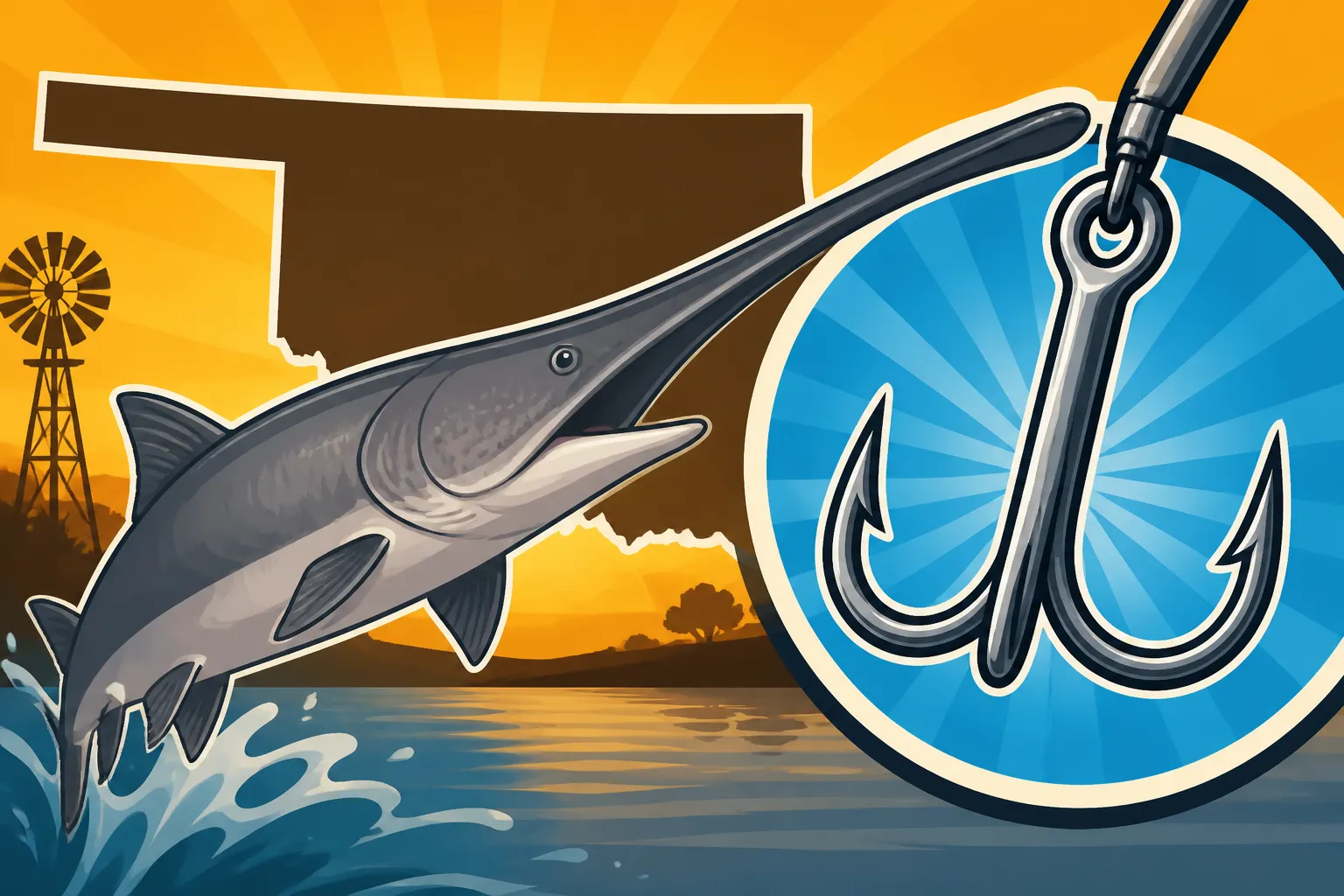
If you've ever felt the sheer power of an Oklahoma paddlefish on the end of your line, you know it's an experience unlike any other. But getting that hook to stick, and then holding on, is where the real challenge lies. Many anglers struggle with missed fish or hooks pulling out, often wondering if their gear is truly up to the task. This guide will dive deep into one of the most crucial pieces of that puzzle: selecting the absolute best treble hook size for successful paddlefish snagging in Oklahoma.
Understanding Paddlefish Snagging in Oklahoma
Before we talk about hooks, let's take a moment to truly appreciate what we're up against with the paddlefish. These ancient, magnificent creatures are filter feeders, which means they don't strike lures or baits in the traditional sense. This unique feeding behavior is why snagging—a method specifically designed to hook them externally as they swim—is a widely accepted and legal practice in designated areas and seasons in Oklahoma.
The Unique Challenge of Paddlefish
Paddlefish are truly one-of-a-kind. They cruise through the water with their massive paddle, filtering plankton, oblivious to most conventional fishing methods. When they migrate upriver to spawn, they congregate in dense schools, making them prime targets for snagging. The challenge isn't just finding them; it's physically securing a hook into their tough, cartilaginous skin and then having the fortitude to fight a fish that can easily weigh 50, 70, or even over 100 pounds. These aren't dainty panfish. They possess incredible strength, capable of powerful, head-shaking runs that can test even the most robust tackle. The sheer force they exert requires a hook that can not only penetrate deeply but also withstand immense pressure without bending or breaking.
Legality and Regulations for Snagging
Oklahoma has specific rules that govern paddlefish snagging, and it's absolutely vital to know them inside and out. These regulations are in place to ensure the sustainability of the paddlefish population and to maintain fair chase principles. You can't just go out and snag paddlefish any time, anywhere. There are specific seasons, daily limits, and length limits, especially for certain areas like the popular Grand Lake. For instance, there might be particular days of the week or months of the year when snagging is allowed, and even then, there are often designated snagging zones. Always check the current Oklahoma Fishing Guide before heading out, because regulations can change. Understanding these rules is just as important as having the right gear. For a detailed look, you might want to check out Paddlefish Snagging Season in Oklahoma and How Does Paddlefish Snagging Work in Oklahoma.
The Critical Role of Treble Hook Size
When it comes to paddlefish snagging, your treble hook isn't just a piece of metal; it's the critical connection point between you and one of Oklahoma's most powerful freshwater fish. Many anglers underestimate the nuanced relationship between hook size, hook quality, and snagging success.
Why Size Matters for Hooking and Holding
The size of your treble hook plays a monumental role in both the initial hook set and the ability to keep that fish on the line. Think about it: you're not waiting for a fish to bite. You're actively sweeping a large, heavy hook through the water, trying to make contact with a fast-moving, powerful animal.
- Penetration: A hook that's too large can be incredibly difficult to embed deeply into a paddlefish's tough hide. The larger the hook, the more force it takes to drive those points home. You might make contact, but if the hook doesn't penetrate past the barb, it's just a fleeting bump.
- Holding Power: Conversely, a hook that's too small might penetrate easily, but its smaller barb and thinner wire gauge could prove inadequate against the paddlefish's raw strength. A small hook is more prone to tearing out, bending open, or even breaking under the extreme stress of the fight. The ideal size offers enough surface area and barb strength to create a secure anchor point once it's set.
- Drag and Snags: A hook that's excessively large can also create unnecessary drag in the water, making your sweeping motion less efficient and tiring you out faster. Plus, larger hooks are more likely to snag on underwater debris, potentially leading to lost tackle or frustrating interruptions. It's a delicate balance; you need enough hook to grab and hold, but not so much that it becomes a liability.
Common Hook Sizes and Their Applications
You'll encounter a range of treble hook sizes when you start looking into paddlefish gear. Understanding what each size generally implies can help you make a more informed decision. Sizes are usually expressed in an "aught" system, like 8/0, 10/0, 12/0, with the larger number indicating a larger hook.
- Smaller "aught" sizes (e.g., 6/0, 7/0): These are generally considered too small for dedicated paddlefish snagging. While they might penetrate easily, their lighter wire and smaller gap are often insufficient to hold a large, thrashing paddlefish, leading to frequent pull-outs or bent hooks.
- Mid-range "aught" sizes (e.g., 8/0, 10/0): This is where most serious paddlefish anglers find their sweet spot. These hooks offer a good balance of size for effective penetration and robust construction for holding power. We'll delve deeper into why this range is so effective in the next section.
- Larger "aught" sizes (e.g., 12/0, 14/0): While the thought of a massive hook for a massive fish might seem logical, hooks in this range can actually be counterproductive for snagging. They require an immense amount of force to penetrate, and often, only one or two points will barely break the surface of the fish's skin, leading to poor hook sets and lost fish. They also create a lot of resistance when sweeping, making the technique harder. It's a common misconception that bigger always equals better in this context.
Recommended Treble Hook Sizes for Oklahoma Paddlefish
When you're out there on the water, whether it's the Neosho River below the Grand Lake dam or another prime snagging spot, you want confidence in your gear. For paddlefish, that confidence starts with the right hook size.
The Sweet Spot: 8/0 to 10/0 Treble Hooks
After years of experience and countless conversations with seasoned paddlefish anglers across Oklahoma, the overwhelming consensus points to 8/0 to 10/0 treble hooks as the optimal size range. This isn't just a random preference; it's a sweet spot found through trial and error against these powerful fish.
Here's why this range works so well:
- Balanced Penetration and Holding Power: Hooks in the 8/0 to 10/0 range are large enough to secure a solid grip on a paddlefish but not so large that they become difficult to drive home. The hook points are spaced adequately to catch and hold, providing a stable anchor. You want those points to dig in past the barb, and these sizes allow for that with a strong sweep.
- Optimal Hook Gap: The "gap" is the distance from the hook shank to the point. With 8/0 to 10/0 hooks, the gap is wide enough to encompass a good amount of the paddlefish's thick skin or cartilage, ensuring a deeper, more secure set. A smaller gap might only grab a thin layer, increasing the chance of it tearing out.
- Robust Construction: Hooks in this size category are typically built with heavier wire gauges, designed to withstand the violent head shakes and powerful runs of a large paddlefish. This heavy-duty construction is paramount. You can find excellent options from reputable brands known for their strength, readily available at places like Bass Pro Shops or through online retailers like Amazon. Look for hooks explicitly marketed as "heavy duty" or "extra strong."
- Reduced Water Resistance: While still substantial, these hooks offer less resistance in the water compared to larger sizes, allowing for a more natural and less fatiguing sweeping motion. This means you can keep fishing effectively for longer periods, increasing your chances of making contact.
When you're browsing for hooks, pay attention to the specific design. Some treble hooks have slightly different shank lengths or point angles. For paddlefish, a short-shank, wide-gap treble hook with needle-sharp points is often preferred, as it maximizes the bite and penetration.
Considering 12/0 Hooks and Larger
It's tempting to think that an even bigger hook, say a 12/0 or 14/0, would be even better for a massive paddlefish. However, this often turns out to be a misconception that leads to frustration.
- Difficulty in Setting: As mentioned earlier, larger hooks require significantly more force to achieve proper penetration. Imagine trying to drive a nail with a blunt hammer; it just won't go in as easily. You'll exert more energy, get fewer solid hook sets, and likely experience more missed fish where the hook simply bounces off or just barely scratches the surface.
- Increased Snag Risk: The larger profile of these hooks also means they're more prone to catching on submerged timber, rocks, or other debris at the bottom of the lake or river. This can lead to lost tackle, re-tying headaches, and valuable fishing time wasted.
- Ethical Concerns: When a hook is too large, it can also lead to more instances of "foul hooking" the fish in non-vital areas where it might not hold well or could cause more damage to a fish you intend to release. While paddlefish snagging is external, the goal is always a clean, quick hook set for a successful and ethical catch.
For the vast majority of paddlefish snagging scenarios in Oklahoma, sticking to the 8/0 to 10/0 range is your best bet. Only in extremely rare circumstances, perhaps targeting known record-class fish in specific, open water conditions, might an angler consider experimenting with slightly larger sizes, and even then, with caution.
The Impact of Hook Quality
Hook size is one thing, but the quality of that hook is another entirely. You could have the perfectly sized 8/0 treble hook, but if it's made from cheap, brittle wire, it's going to fail you when that 80-pound paddlefish makes its first powerful surge.
- Strength is Key: Paddlefish are incredibly strong. You need hooks made from high-carbon steel or similar robust alloys that won't bend open under extreme pressure. Look for terms like "heavy-duty," "extra strong," or "forged" in the hook descriptions. Inferior hooks will stretch, open up, or snap, turning a potential trophy into a heartbreaking "one that got away" story.
- Razor Sharp Points: A sharp hook point is critical for penetrating the tough hide of a paddlefish. Dull hooks will glance off or only superficially stick, leading to lost fish. Many high-quality hooks come "razor sharp" right out of the package, but it's always a good practice to check them and even give them a quick touch-up with a hook file before you start fishing. This ensures maximum penetration with minimal effort. Investing in a good hook sharpener and routinely checking your points can make a world of difference.
- Corrosion Resistance: While not as immediately critical for a single trip, quality hooks also tend to have better finishes that resist rust and corrosion, prolonging their lifespan if you plan to reuse them. Brands that specialize in saltwater or heavy-duty freshwater fishing gear often have superior quality hooks. When you're picking up your gear at Bass Pro Shops or browsing online, don't skimp on this crucial component. A quality hook from a trusted manufacturer like Gamakatsu, Owner, or Mustad can make all the difference.
| Treble Hook Size | Ideal Use for Paddlefish Snagging | Pros | Cons |
|---|---|---|---|
| 6/0 – 7/0 | Generally NOT recommended | Easy penetration (if it holds) | Too small, likely to pull out or bend |
| 8/0 – 10/0 | Recommended Sweet Spot | Excellent balance of penetration and holding | Can still snag debris if dragged improperly |
| 12/0 – 14/0 | Rarely, for extreme cases | Might hold truly massive fish (if set) | Hard to penetrate, more drag, higher chance of snagging debris |
Maximizing Your Snagging Success Beyond Hook Size
While choosing the right treble hook size is fundamental, it's just one piece of the puzzle. A truly successful paddlefish snagging outing in Oklahoma depends on a harmonious combination of gear, technique, and location knowledge.
Matching Your Rod and Reel
Imagine trying to reel in a stubborn mule with a fly rod. It sounds ridiculous, right? The same principle applies to paddlefish. These fish demand heavy-duty equipment capable of handling their immense power.
- Rods: You'll need a stout, heavy-action rod, typically 7 to 9 feet long, designed for casting heavy weights. Look for rods rated for at least 30-80 lb line, with a strong backbone to provide the leverage needed for a powerful sweep and to turn a big fish. A good quality fiberglass or composite rod often provides the necessary durability and flex. Without the right rod, you simply won't have the power to drive those treble hooks deep enough, let alone fight a trophy paddlefish.
- Reels: Pair your heavy rod with a robust baitcasting or conventional reel that has a smooth, powerful drag system and a high line capacity. Reels designed for saltwater big-game fishing often cross over well for paddlefish. The drag is crucial for letting the fish run when necessary, preventing snapped lines, but also for applying enough pressure to wear it down. A reel that can hold at least 200-300 yards of heavy braided line is ideal.
- Line: When it comes to line, heavy braided line is almost universally preferred for paddlefish snagging. A minimum of 65-pound test, with many anglers opting for 80-pound or even 100-pound braid, offers superior strength, sensitivity, and abrasion resistance. Unlike monofilament, braid has very little stretch, which is critical for feeling subtle bumps and for delivering a powerful, instantaneous hook set. Why Paddlefish Snagging Needs a Heavy Rod and Treble Hooks explains more about this essential gear setup.
Technique and Timing
Even with the perfect hook, a sloppy technique will yield poor results. Paddlefish snagging is an active fishing method that requires effort and rhythm.
- The "Sweep": The core technique involves making a long cast and then, as your heavy weight and hook sink, performing a series of powerful, upward sweeps with your rod. You're trying to feel for any resistance that indicates a paddlefish. When you feel that bump, you need to deliver an immediate, hard, sweeping hook set to drive the treble points home. It's a physically demanding technique, so pacing yourself is important.
- Depth Control: Paddlefish often congregate at specific depths, especially in river channels or below dams. Being able to count your weight down to the right depth and maintain that level during your retrieve is crucial. You want your hook to be in the zone where the fish are concentrated.
- Paying Attention to Flows: Current speed and water levels, especially below dam releases, significantly impact where paddlefish position themselves. Learning to read the water and adjust your technique and weight accordingly can drastically improve your success. This active engagement is part of the thrill of snagging. You can learn more about the mechanics in How Does Paddlefish Snagging Work in Oklahoma.
Choosing Your Snagging Location
Knowing where to go is half the battle. Paddlefish are migratory and congregate in predictable areas, especially during their spawning runs.
- Below Dams: Some of Oklahoma's most famous paddlefish snagging spots are found directly below major dams, like the Grand Lake dam on the Neosho River. The turbulent water and natural choke points here create ideal conditions where paddlefish gather before attempting to move upstream.
- Deep River Channels: In other areas, look for deep channels, scour holes, or bends in larger rivers. These features can hold large schools of paddlefish as they stage or move.
- Grand Lake O' the Cherokees: Grand Lake is arguably Oklahoma's most renowned paddlefish destination. Anglers come from all over for the chance to hook into one of these giants, particularly during the peak season. However, even within Grand Lake, certain areas are more productive than others. Doing your homework on specific access points, boat ramps, and known holding areas will save you a lot of time. For prime locations, check out Best Paddlefish Snagging Spots on Grand Lake, Oklahoma.
- Scouting and Local Knowledge: There's no substitute for local knowledge. Chatting with other anglers, visiting local tackle shops (like Bass Pro Shops, which often has local experts), or even exploring satellite maps can help you pinpoint high-probability areas. Sometimes, the best spots are known by a select few.
Successfully snagging a paddlefish in Oklahoma is a truly unique and exhilarating experience. By combining the right treble hook size with appropriate heavy-duty gear, refined technique, and a good understanding of where these magnificent fish congregate, you'll significantly increase your chances of landing one of these freshwater giants. Remember, it's a powerful fish that deserves respect, and preparing properly is the best way to ensure both a successful catch and a memorable day on the water. For a comprehensive overview of everything you might need, read Paddlefish Snagging Gear Checklist for Grand Lake.
Disclaimer
This article is for general informational purposes only and does not constitute professional advice. Laws, prices and regulations vary by location and change over time. Consult a qualified professional for guidance on your specific situation.