How Much Is the Fine for a Boating Safety Violation in Oklahoma?
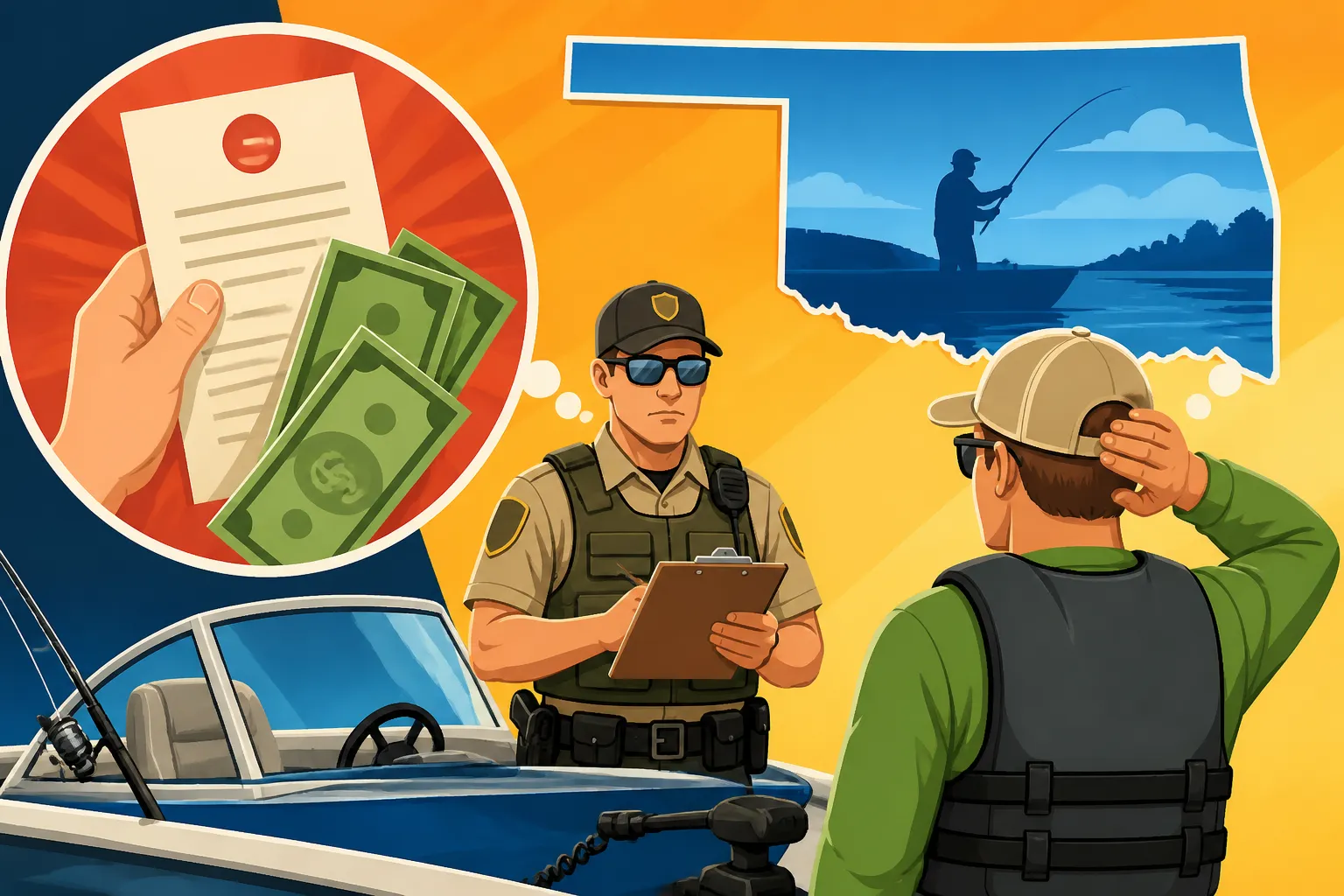
We’ve all been there: you’re out on a beautiful Oklahoma lake, the sun is shining, the fish are biting, and you’re just enjoying the peace and quiet. Then, a game warden pulls up alongside your boat, and suddenly, that serene feeling gives way to a knot of anxiety. What if you've missed something? What if you're unknowingly in violation of a rule? Understanding the potential consequences of a boating safety violation in Oklahoma is crucial for every angler and boater, not just to avoid a hefty fine, but to ensure everyone on the water stays safe. This guide will walk you through what to expect if you find yourself facing a citation and, more importantly, how to prevent those situations in the first place.
Understanding Oklahoma's Boating Safety Regulations
Oklahoma’s waterways are a treasure, offering endless opportunities for fishing, boating, and enjoying the great outdoors. But with that freedom comes responsibility. The Oklahoma Highway Patrol's Marine Enforcement Division, alongside game wardens, is dedicated to ensuring everyone adheres to the safety regulations designed to protect lives and maintain order on our lakes and rivers. It’s easy to get caught up in the excitement of a day on the water, but overlooking these rules can lead to more than just a ruined afternoon – it can lead to significant financial penalties and, in serious cases, even legal trouble.
Why Regulations Exist
It might feel like regulations are just there to make your life harder, but in reality, they're born out of necessity. Boating accidents, while sometimes unavoidable, are often preventable. The rules surrounding everything from life jackets to boat registration and operation speeds are designed to minimize risks. Think about it: a child falling overboard without a life jacket in a busy channel could be catastrophic. An unregistered boat makes it harder to track down owners in case of an incident. Speeding or reckless operation endangers not only your passengers but every other boater, swimmer, and angler sharing the water. These regulations serve as a framework to keep everyone as safe as possible, allowing us all to enjoy our time on the water without unnecessary hazards.
Common Violations Anglers Overlook
It's surprising how many seasoned anglers still get dinged for what seem like minor oversights. One of the most common violations we hear about is related to personal flotation devices (PFDs), or life jackets. People assume that as long as they have enough life jackets on board, they're good to go. However, Oklahoma law is very specific about who needs to wear one and when, especially for younger passengers. For instance, children 12 and under must wear a Coast Guard-approved life jacket whenever the boat is underway. It doesn't matter if they're sitting calmly in the middle of the boat; if the boat is moving, that jacket needs to be on and properly fitted. You can read more about Life Jacket Rules for Kids 12 and Under on Oklahoma Boats.
Another frequently overlooked area involves registration and titling. Just like your car, your boat needs to be properly registered and display current decals. Even paddlecraft like kayaks and canoes, under certain circumstances, might require registration. While many assume smaller craft are exempt, it's always best to check the specifics to avoid a surprise citation. If you’ve recently purchased a new boat or moved from another state, there are strict timelines to adhere to for getting your vessel properly documented in Oklahoma. You’d be surprised how quickly those deadlines sneak up on you! Oklahoma Boat Registration and Titling Rules Explained can help clarify this.
Then there are equipment violations. Beyond life jackets, boats are required to carry a host of other safety gear: fire extinguishers, sound-producing devices, navigation lights, and for boats 16 feet or longer, a Type IV throwable device. It’s easy to forget to check your fire extinguisher’s expiration date or ensure your whistle is actually attached to your life jacket. These aren't just suggestions; they are mandatory items that game wardens regularly inspect. A quick check of your Oklahoma Boat Safety Equipment Checklist before each outing can save you a lot of grief.
The Shape of Fines: What to Expect
When a game warden issues a citation for a boating safety violation in Oklahoma, it's not typically a casual warning. These are legal consequences, and while the exact dollar amount can vary widely depending on the specific offense, the location, and whether it's a first-time or repeat offense, they are designed to be deterrents. Don't expect a slap on the wrist for something like a missing life jacket or expired registration. The state takes boating safety seriously because lives are genuinely at stake.
The Different Levels of Violations
Boating safety violations in Oklahoma can generally fall into different categories, ranging from minor infractions to more serious offenses. Simple equipment violations, like not having enough properly sized life jackets or a missing throwable device, might incur one level of penalty. These fines, while not crippling, are certainly significant enough to make you wish you'd double-checked your gear. Imagine getting a citation for a missing Type IV throwable device just because you forgot to put it back after cleaning out the boat. It happens more often than you’d think. You can learn more about Type IV Throwable Device Rules for Boats 16 Feet and Longer.
More serious violations, such as operating a vessel recklessly, operating under the influence (BUI), or exceeding specific speed limits in restricted areas, carry much steeper penalties. These can lead to not only substantial fines but also potential imprisonment, loss of boating privileges, and a permanent mark on your record. Operating a boat while impaired is taken just as seriously as driving a car under the influence, and rightly so. The unpredictability of water, combined with impaired judgment, is a recipe for disaster. These are not just "fines"; they are legal actions that can severely impact your future.
Here's a general overview of common violation categories, without specific dollar amounts:
| Violation Category | Severity | Typical Impact |
|---|---|---|
| Minor Equipment Failure | Low | Noticeable monetary penalty, often a fixed amount. |
| Registration/Documentation | Low-Medium | Monetary penalty, sometimes escalating with delay. |
| Life Jacket Requirements | Medium | Significant monetary penalty, especially for children. |
| Navigation/Operation Rules | Medium-High | Substantial monetary penalty, potential points/privilege loss. |
| Reckless Operation | High | Very high monetary penalty, possible court appearance, jail time. |
| Operating Under Influence | Very High | Extremely high fines, jail time, license suspension, permanent record. |
Remember, this table provides a general sense; the exact outcomes depend on judicial discretion and specific circumstances.
Potential Costs Beyond the Initial Fine
It’s easy to focus solely on the dollar amount listed on a citation, but the reality is that boating safety violations can come with a host of other hidden costs that quickly add up. For example, if you receive a citation that requires a court appearance, you'll be spending valuable time away from work or other obligations. There might be court fees, administrative charges, and if you choose to fight the ticket, legal fees for an attorney. These expenses can easily eclipse the original fine, turning a seemingly minor infraction into a major headache.
Consider the practical implications as well. If your boat is deemed unsafe or improperly registered, you might be prevented from continuing your day on the water. That means packing up your gear, hauling your boat out, and missing out on your planned fishing trip – a lost day of enjoyment and the fuel cost of getting to and from the lake. In more severe cases, your vessel could be impounded, leading to towing and storage fees that accrue daily. Imagine your boat sitting in a lot, racking up charges, while you deal with the legal process.
Furthermore, some serious violations can affect your insurance rates. Just like traffic tickets, boating violations can signal higher risk to insurance providers, potentially leading to increased premiums. Over time, these elevated costs can far exceed the initial fine. It's truly a cascade of financial and logistical burdens that makes preventing the violation in the first place infinitely preferable to dealing with the aftermath. Learning about Misdemeanor Boating Fines in Oklahoma Explained can provide further context on the more severe end of the spectrum.
Avoiding Penalties: Essential Safety Practices
Preventing a boating safety violation in Oklahoma is far easier and less stressful than dealing with one. It all boils down to a proactive approach: knowing the rules, having the right gear, and always prioritizing safety. Think of it as part of your pre-fishing ritual, just like checking your tackle box or gassing up the boat. A few minutes of preparation can save you hours of trouble and hundreds, if not thousands, of dollars.
Essential Gear Checklist
Before you even think about backing your trailer down the ramp, take a few moments to go through a thorough safety gear checklist. This isn't just for game wardens; it's for your peace of mind and the safety of everyone on board.
- Life Jackets (PFDs): Ensure you have a Coast Guard-approved life jacket for every person on board, and that they are the correct size. Remember, kids 12 and under must wear them when underway. It's a great idea for adults to wear them too, especially if you're out on big water or during cold weather. You can find a wide selection of PFDs at local retailers like Bass Pro Shops or online platforms like Amazon.
- Throwable Device: If your boat is 16 feet or longer, you need a Type IV throwable device, like a life ring or cushion, readily accessible. This is separate from the wearable life jackets.
- Fire Extinguisher: Check that it's marine-rated, fully charged, and easily accessible. Verify the expiration date – they do expire!
- Sound-Producing Device: A whistle, horn, or bell is required to signal other vessels. Make sure it works and is handy.
- Navigation Lights: If you'll be out from sunset to sunrise, or during periods of restricted visibility, ensure your navigation lights (red/green on the bow, white on the stern) are working correctly.
- Registration and Decals: Confirm your boat’s registration is current and the decals are properly displayed. Keep a copy of your registration certificate on board.
- First-Aid Kit: While not always legally mandated, a well-stocked first-aid kit is an absolute must for any outing. Minor cuts, scrapes, or stings are common, and being prepared makes a huge difference.
Making this a routine check will not only keep you compliant but also prepare you for unexpected emergencies. It's far better to be over-prepared than under-prepared when it comes to water safety. Our article, Safety Gear Checklist for a Day on an Oklahoma Reservoir, offers even more detailed advice.
Knowledge is Your Best Defense
Beyond having the right gear, understanding the "rules of the road" for Oklahoma waterways is your strongest defense against penalties. Many violations stem from a lack of awareness, not intentional disregard. Take the time to familiarize yourself with basic boating laws. For example, do you know the rules for passing other vessels or how to navigate through a narrow channel? Are you aware of specific speed zones or no-wake areas on the lakes you frequent?
Consider taking a boating safety course. Many organizations, including the Oklahoma Highway Patrol, offer certified courses that cover everything from navigation rules to emergency procedures. Not only will this deepen your understanding of the regulations, but in some cases, completing a certified course can even lead to discounts on your boat insurance. It’s an investment in your safety and knowledge that pays dividends.
Always pay attention to signage at boat ramps and around the lake. These signs often highlight specific local regulations, speed limits, or restrictions unique to that body of water. For instance, some lakes might have stricter crappie limits in certain areas, or specific rules for operating personal watercraft. What to Check Before Launching a Boat at an Oklahoma Ramp provides more helpful pre-launch tips. Being informed empowers you to make safe decisions and avoid those costly, frustrating tickets.
What to Do if You Receive a Citation
Even the most prepared angler can sometimes find themselves on the receiving end of a boating safety citation. Maybe you had a lapse in judgment, or perhaps there was a genuine misunderstanding of a complex regulation. Whatever the reason, receiving a ticket can be a jarring experience. The important thing is to know how to handle the situation calmly and correctly, understanding your rights and the options available to you.
Understanding Your Rights and Options
When a game warden or marine enforcement officer approaches your vessel, remain calm and cooperative. They are performing their duty to ensure safety on the water. Provide your identification, registration, and any other requested documents promptly. Arguing or being confrontational rarely helps your case and can sometimes escalate the situation.
If you are issued a citation, read it carefully. It will typically outline the specific violation, the date and time of the incident, and instructions on how to proceed. This usually involves either paying a fine by a certain date or appearing in court. You generally have the right to contest the citation in court if you believe it was issued in error or that you have a valid defense. This might involve presenting evidence, such as photographs of your safety gear, or testimony from witnesses on your boat. Consulting with an attorney specializing in boating law can be a wise step, especially for more serious infractions, as they can help you understand the legal nuances and your best course of action.
However, sometimes the simplest and most cost-effective option is to simply pay the fine, particularly for minor, clear-cut violations. Consider the time, effort, and potential legal fees involved in contesting a small fine versus the convenience of resolving it quickly. Each situation is unique, so weigh your options carefully before making a decision. Keep in mind that for certain violations, like those related to life jacket requirements for children, judges often take a very dim view, prioritizing child safety above all else. Fine for Not Having a Life Jacket on Board in Oklahoma covers the implications of that specific offense.
Learning from the Experience
No one enjoys getting a ticket, but a boating safety citation, while frustrating and potentially expensive, can serve as a powerful learning experience. Instead of dwelling on the negative, use it as an opportunity to review your safety practices and knowledge.
- Self-Assessment: After the incident, take some time to honestly assess what went wrong. Was it a simple oversight? A lack of understanding about a specific rule? Or perhaps a moment of inattention that led to a safety lapse? Pinpointing the cause is the first step toward preventing a recurrence.
- Rectify the Issue: Immediately address the violation. If it was a missing life jacket, replace it and make a new routine for checking. If it was expired registration, get it renewed. Don't let the same issue catch you again. Many anglers use this as an opportunity to upgrade their gear, perhaps picking up a new, more comfortable PFD from Bass Pro Shops, or ordering a better quality fire extinguisher from Amazon.
- Share the Knowledge: Talk about your experience with fellow boaters and family members. Sometimes, hearing about a real-world consequence can be a more effective lesson than just reading a rulebook. By sharing, you not only reinforce your own learning but also help educate others, contributing to a safer boating community for everyone.
- Review Regulations Regularly: Boating laws and regulations can occasionally change. Make it a practice to review the current Oklahoma boating regulations annually, perhaps before the start of each fishing season. This ensures you’re always up-to-date and ready for a safe and enjoyable time on our beautiful Oklahoma waters.
Ultimately, a citation is a reminder that safety isn't just about avoiding fines; it's about protecting lives and ensuring that Oklahoma's waterways remain a safe and enjoyable environment for all of us to pursue our passion for fishing.
Disclaimer
This article is for general informational purposes only and does not constitute professional advice. Laws, prices and regulations vary by location and change over time. Consult a qualified professional for guidance on your specific situation.