Life Jacket Rules for a 10 Year Old on an Oklahoma Boat
One of the biggest worries for any parent or grandparent taking kids out on the water in Oklahoma is making sure everyone is safe and following the rules. It can get confusing quickly, especially with specific age requirements for life jackets. This guide is here to clear up exactly what the law says about a 10-year-old wearing a life jacket on an Oklahoma boat, so you can focus on making memories, not second-guessing safety regulations.
The Core Oklahoma Law for Children and Life Jackets
Navigating the waters of Oklahoma, whether it's the vast expanse of Lake Texoma or a quiet caddy on Lake Eufaula, comes with responsibilities, especially when you have young ones aboard. The state of Oklahoma has very clear, non-negotiable rules about life jackets for children, designed to protect them in unpredictable situations on the water. It’s not just about having a life jacket on the boat; it's about having them wear it.
Age Specifics: 12 and Under Rule
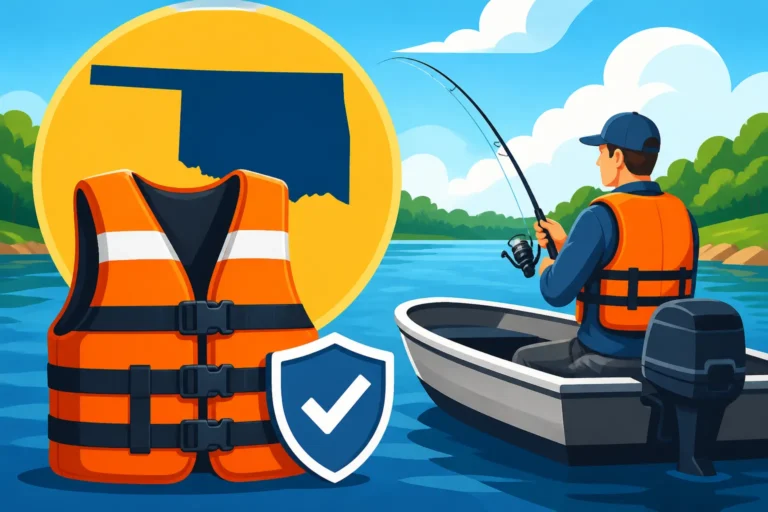
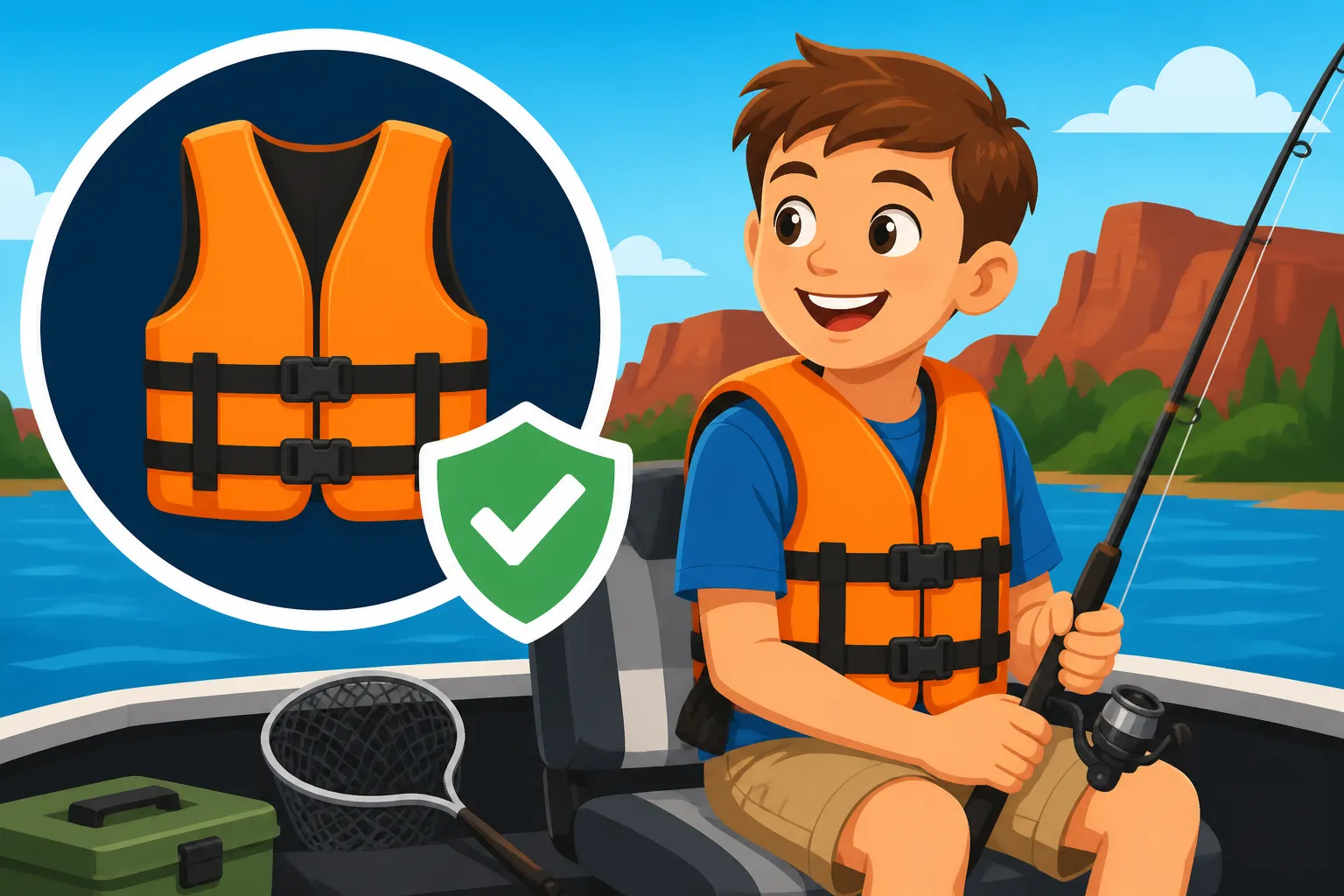
Let's get straight to the heart of the matter: in Oklahoma, any child who is 12 years of age or younger must wear a U.S. Coast Guard (USCG) approved personal flotation device (PFD) whenever they are on board a vessel that is underway. This means if you have a 10-year-old on your pontoon, bass boat, or even a small fishing skiff, they absolutely need to have their life jacket on and properly fastened from the moment you leave the dock until you return. There’s no wiggle room here, no “they’re a strong swimmer” exception. The law is designed to protect all children in this age group, regardless of their swimming ability. It's about providing an immediate safety net in case of an accidental fall overboard or an unexpected emergency.
This rule applies universally across all Oklahoma public waters. So, whether you're exploring the remote coves of Broken Bow Lake or cruising the main channel of Grand Lake O' the Cherokees, the same requirement holds true. It's a fundamental aspect of Oklahoma Life Jacket and PFD Rules for Boaters and one that game wardens take very seriously. Imagine a serene morning bass fishing trip turning stressful because a game warden notices a child without their PFD. It's an easily avoidable situation by simply ensuring your 10-year-old is always wearing their jacket.
When the Rule Applies: While the Boat is Underway
The key phrase here is "underway." This isn't just a fancy nautical term; it has a very specific meaning in boating law. When a boat is "underway," it means it's not anchored, moored, or aground. Essentially, if your boat is moving, drifting, or even just momentarily stopped but not securely tied or anchored, your 10-year-old must be wearing their life jacket. This distinction is crucial because it accounts for many common scenarios on the water.
For example, if you're slowly drifting along a shoreline, casting for crappie, your boat is considered underway, and your 10-year-old needs their jacket on. The same goes if you've just killed the engine to enjoy a snack but haven't dropped anchor. The law acknowledges that even a drifting boat can be unpredictable, and an accidental fall can happen in an instant. The only times a 10-year-old is legally allowed to take off their life jacket are when the boat is securely anchored, docked, or beached. This applies even if you're just sitting still, enjoying the view, or having a picnic on board.
This strict enforcement of the "underway" rule is a testament to the Oklahoma Wildlife Department's commitment to water safety. They understand that most boating incidents happen quickly and without warning. Having a child already wearing a properly fitted life jacket eliminates precious seconds lost trying to don one in an emergency. It's about proactive safety rather than reactive scrambling.
Understanding "Underway" and Other Critical Definitions
The term "underway" can sometimes cause a bit of confusion for new boaters or those unfamiliar with specific marine terminology. However, understanding its precise meaning is absolutely essential for compliance with Oklahoma's life jacket laws, especially for children.
What "Underway" Really Means on the Water
Let's break down "underway" with some practical examples. Imagine you've launched your boat at a ramp on Fort Gibson Lake. From the moment you push off the dock or ramp, before you even start your engine, your boat is considered underway. If you're paddling a kayak or canoe, you're underway once you push off the bank. The definition broadly encompasses any situation where your vessel is not secured by anchor, mooring line, or aground.
Think of it this way:
- Cruising across the lake? Definitely underway.
- Drifting silently, trying to find a school of bass? Still underway.
- Stopped with the engine off, but the anchor hasn't been set? Underway. The boat is free to move.
- Tied up at a public dock, waiting for a friend? Not underway. Your 10-year-old can safely remove their life jacket.
- Anchored firmly in a cove, enjoying lunch? Not underway. The child can take off their life jacket.
- Pulled up onto a sandy beach? Not underway.
The point is, the moment your vessel is free to move, even by current or wind, it falls under the "underway" classification. This ensures that children are protected during those moments when an unexpected wave or a sudden turn could send them overboard. Game wardens are very keen on this distinction, and a quick check of an unanchored boat with an unjacketed child can lead to a conversation you'd rather avoid.
The Importance of a Properly Fitted, Approved Life Jacket
It's not enough for your 10-year-old to simply have any life jacket. It must be a U.S. Coast Guard (USCG) approved personal flotation device (PFD) and it must be properly fitted. This is a critical detail in Life Jacket Rules for Kids 12 and Under on Oklahoma Boats. A life jacket that's too big can ride up around a child's ears, hindering their ability to breathe and stay afloat. One that's too small might not provide enough buoyancy or could be uncomfortably restrictive.
Here's what to look for:
- USCG Approval: Always check for the USCG approval stamp on the label. This ensures the device meets rigorous safety standards.
- Weight Range: PFDs are rated by the wearer's weight. Make sure the jacket's weight range matches your 10-year-old's current weight. Don't guess; check the label.
- Proper Fit: The jacket should fit snugly but comfortably. You should not be able to pull it up over the child's ears or off their shoulders when the straps are tightened. Have your child raise their arms, and if the jacket moves up significantly, it's too loose.
- Type of PFD: For active kids on a boat, a Type III (flotation aid) or Type II (near-shore buoyant vest) is usually suitable. Type III PFDs are generally more comfortable for continuous wear, which is what you want for a 10-year-old who will be wearing it for extended periods. Type I (offshore buoyant vest) offers the most buoyancy and turns most unconscious wearers face-up, but they are bulkier and less comfortable for general wear.
Investing in a good quality, well-fitting life jacket is an investment in your child's safety. You can find excellent options at outdoor retailers like Bass Pro Shops or even online marketplaces such as Amazon, offering a wide range of sizes and styles to ensure a comfortable and safe fit for your growing child. Remember, a life jacket only works if it's worn, and if it's worn correctly.
Practical Considerations for Families with 10-Year-Olds
Taking a 10-year-old fishing or just out for a relaxing day on the water can be incredibly rewarding. However, it requires a bit of foresight, especially when it comes to life jackets. Moving beyond the letter of the law, there are practical steps you can take to ensure your child’s safety and comfort.
Choosing the Right Life Jacket for Your Child
When it comes to selecting a life jacket for your 10-year-old, comfort and functionality are just as important as meeting the legal requirements. A life jacket that is uncomfortable is a jacket that a child will constantly try to remove, making your job as a parent much harder.
Consider these points:
- Material and Flexibility: Look for PFDs made from comfortable, flexible materials that don't chafe. Neoprene jackets, for instance, often offer a snugger, more comfortable fit, while nylon jackets are durable and quick-drying. Since your child will be wearing this for potentially hours, minimizing discomfort is key.
- Color and Visibility: Brightly colored life jackets (e.g., yellow, orange, bright green) are highly visible on the water, which can be crucial in an emergency. If your child accidentally goes overboard, a brightly colored jacket makes them easier to spot by you, other boaters, or search and rescue teams.
- Features for Kids: Some children's life jackets come with extra features like leg straps to prevent the jacket from riding up, grab handles for easy retrieval, or even head pillows for infants and toddlers (though less relevant for a 10-year-old, good to know for younger siblings). Ensure any chosen jacket allows for a full range of motion, allowing your 10-year-old to cast a fishing rod or paddle without restriction.
- Involve Your Child: Let your 10-year-old have some input in choosing their life jacket, within safe parameters. If they like the color or design, they might be more inclined to wear it without complaint. Many brands, including those you might find on Amazon, offer fun designs that appeal to kids.
Once you have the life jacket, perform a "water test" in a safe, shallow environment like a pool or designated swimming area. Have your child wear the jacket and enter the water to ensure it provides adequate flotation and keeps their head above water. This also helps them get used to the feeling of wearing it in the water. Remember, a 10-year-old is likely growing quickly, so periodically check the fit to ensure it still meets all safety criteria.
Beyond the Law: Why Safety Always Comes First
While the law dictates that your 10-year-old must wear a life jacket when the boat is underway, true water safety goes beyond mere compliance. It’s about instilling a culture of safety and preparedness. Accidents can happen swiftly and unexpectedly, even on the calmest of waters.
Consider these "beyond the law" safety measures:
- Lead by Example: If adults on board also wear life jackets, especially during riskier activities or in rough waters, it normalizes the behavior for children. It sends a powerful message that life jackets aren't just for kids, but for everyone who values their safety. Do Adults Need to Wear a Life Jacket on an Oklahoma Boat? discusses this in more detail.
- Swimming Ability vs. PFDs: Never let a child's swimming ability be a reason to forego a life jacket. Even strong swimmers can be overwhelmed by currents, cold water shock, injury, or unexpected boat movements. A life jacket provides immediate, passive protection.
- Educate Your Child: Explain why they need to wear a life jacket. Teach them about water safety, boat etiquette, and what to do if they accidentally fall overboard. Knowledge empowers them and makes them partners in their own safety.
- Emergency Preparedness: Have a plan for emergencies. Know how to retrieve someone from the water, and ensure everyone on board knows where safety equipment like throw cushions (which are legally required for boats 16 feet and over, as highlighted in Type IV Throwable Device Rules for Boats 16 Feet and Longer) and first-aid kits are stored.
- Supervision: Constant, active supervision of children on a boat is paramount. Even with a life jacket, a child in distress needs immediate assistance. Avoid distractions and keep a watchful eye.
By taking these extra steps, you're not just adhering to the regulations; you're creating a safer, more enjoyable experience for everyone on board and fostering a lifelong respect for water safety in your child.
Common Scenarios and Clarifications
The waters of Oklahoma offer a vast playground for fishing and boating, but with different activities come different nuances in safety regulations. Understanding how the "12 and under" life jacket rule applies in various common scenarios can prevent confusion and ensure continuous safety.
Watersports and Life Jackets: Tubing, Skiing, and PWC Use
When it comes to watersports, the rules for life jackets become even more stringent, and this absolutely includes your 10-year-old. Activities like tubing, water skiing, wakeboarding, or riding a personal watercraft (PWC) inherently carry a higher risk of falling into the water at speed.
Here’s the breakdown:
- Tubing and Water Skiing: Anyone being towed behind a boat on skis, a wakeboard, or an inflatable tube, regardless of age, must wear a USCG-approved life jacket. This isn't just an Oklahoma rule; it's a widely accepted safety standard. For your 10-year-old, this means they'll be wearing their jacket not just while the boat is underway, but specifically during the activity, which aligns perfectly with the state's 12-and-under rule. The article Why Water Skiers and Tubers Must Wear a Life Jacket in Oklahoma provides more context here.
- Personal Watercraft (PWC): Similarly, anyone operating or riding on a PWC (like a Jet Ski or WaveRunner) must wear a USCG-approved life jacket. Again, your 10-year-old falls squarely into this requirement, whether they are a passenger or if they are old enough to operate one (which often has its own age restrictions and boater education requirements).
- Choosing the Right PFD for Watersports: For these high-impact activities, you might consider a slightly different type of PFD. While a Type III is usually suitable, some watersports enthusiasts prefer specialized vests that offer better impact protection and a very secure fit to prevent ride-up during falls. Comfort and a snug fit are especially crucial here, as a loose jacket can be a hindrance and even a hazard during a wipeout.
The underlying principle is clear: if you're engaging in an activity where falling into the water is not just possible but probable, a life jacket is mandatory for all, and especially for children. The dynamic nature of watersports demands constant vigilance and strict adherence to safety gear.
Bank Fishing vs. Boat Fishing: Different Rules, Same Child
It’s easy to get wrapped up in boat-specific rules, but it’s worth clarifying that not all fishing activities require a life jacket for a 10-year-old. The distinction lies in whether the child is on a "vessel" or not.
- Bank Fishing: If your 10-year-old is fishing from the bank of a lake or river, or from a fishing pier, they are not legally required to wear a life jacket. The state life jacket law applies specifically to those on a "vessel." However, this doesn't mean safety should be ignored. You might still consider having them wear one, especially if they are fishing near deep drops, swift currents, or on a crowded pier where an accidental push could occur. Many parents opt for life jackets in these scenarios for peace of mind, particularly with younger or less water-confident children. Think about scenarios on Grand Lake, where bank fishing is popular, or at local community ponds. While not legally required, it's a parent's call to assess the risk.
- Boat Fishing: As discussed, if your 10-year-old is fishing from a boat on any Oklahoma public waterway, they must wear a USCG-approved life jacket when the boat is underway. This is the core of the law. This applies whether you're trolling for striped bass on Lake Texoma, jigging for crappie on Lake Eufaula, or casting for bass in a secluded cove. The difference between Bank Fishing Gear vs Boat Fishing Gear often includes the mandatory life jacket for boaters.
This table summarizes the core requirements for your 10-year-old in different Oklahoma fishing scenarios:
| Scenario | Legal Requirement for 10-Year-Old | Key Details |
|---|---|---|
| Boat is Underway | Mandatory | Must wear a USCG-approved, properly fitted life jacket. "Underway" means not anchored, moored, or aground. |
| Boat is Anchored/Moored/Aground | Not Legally Required | Can remove life jacket, but keeping it on is often a good safety practice, especially if actively moving around. |
| Tubing/Skiing/PWC Use | Mandatory | Must wear a USCG-approved life jacket, regardless of age. |
| Bank/Pier Fishing | Not Legally Required | Life jacket not legally required, but highly recommended in high-risk areas or for less confident swimmers. |
| Kayak/Canoe is Underway | Mandatory | Just like motorboats, if a kayak or canoe is underway, the 10-year-old must wear a life jacket. See Do Kayaks Need to Be Registered in Oklahoma? for more info on these vessels. |
Understanding these distinctions is key to a safe and lawful day on the water. It’s about knowing when the law applies and then consistently applying best safety practices regardless. Ignoring these rules can lead to serious consequences, including Penalties for Fishing Without a License in Oklahoma for other infractions, but certainly fines for life jacket violations.
Taking your 10-year-old out on Oklahoma's beautiful waters is an experience to cherish. By thoroughly understanding and adhering to the life jacket laws and embracing a proactive approach to safety, you ensure those memories are not only fun but also safe. A properly fitted, USCG-approved life jacket on your child when the boat is underway isn't just a rule; it's a vital piece of their protection, offering peace of mind for you as an angler and a guardian. Enjoy those fishing trips, but always keep safety at the forefront!
Disclaimer
This article is for general informational purposes only and does not constitute professional advice. Laws, prices and regulations vary by location and change over time. Consult a qualified professional for guidance on your specific situation.