How to Store a Boat Over Winter in Oklahoma
The thought of winterizing your boat might fill you with dread, especially if you picture a complex, costly process. But living here in Oklahoma, with our unpredictable winter weather, taking the time to properly prepare your boat for the off-season is absolutely essential. This guide will walk you through everything you need to know about storing your boat over winter in Oklahoma, from engine care to covers, ensuring it's ready to hit the water when spring returns.
Why Winterizing Your Boat is Non-Negotiable in Oklahoma
You might think that because Oklahoma's winters can be milder than, say, Minnesota's, you can skip the winterization process. That's a common misconception that can lead to some truly heartbreaking and expensive repairs. While we don't always get weeks of sub-zero temperatures, we certainly get enough freezing nights and cold snaps to do serious damage to an unprepared boat. Water expands when it freezes, and if that water is in your engine block, your plumbing, or your bilge, you're looking at cracked components, burst pipes, and a whole lot of frustration come spring.
Protecting Your Investment from Oklahoma's Winter Chill
Your boat is a significant investment, both financially and emotionally. It's where memories are made, where you find peace on the water, and where you connect with nature. Neglecting proper winter storage is like leaving a valuable antique out in the rain – it’s just asking for trouble. Even a brief overnight freeze can cause problems for vital systems if they aren't protected. Think about the peace of mind knowing your engine isn't going to surprise you with a massive repair bill next season because you forgot to drain a hose.
Beyond the obvious freezing damage, winterization also protects against rust, corrosion, and the build-up of gunk in your fuel system. Ethanol in modern fuel can be a real problem, especially when left stagnant over several months. It attracts water, which then separates from the gasoline, creating a corrosive mixture that can damage fuel lines, carburetors, and injectors. A little effort now saves a lot of headaches later.
Avoiding Costly Repairs Down the Line
Let's be blunt: a broken engine due to freezing or corrosion is not cheap to fix. We're talking hundreds, possibly thousands, of dollars. Replacing an engine block or repairing a cracked manifold will easily cost you more than the time and materials needed for proper winterization. Moreover, finding a mechanic in the spring can be a challenge, as everyone else who didn't winterize their boat is suddenly in a panic. You don't want to be that person, sitting on the phone, waiting for an opening while the bass are biting on Lake Texoma.
Consider also the long-term impact. Regular, diligent winterization extends the life of your boat's engine and systems. It helps maintain its resale value, showing prospective buyers that you've cared for it meticulously. When you follow a good winterizing routine, you're not just preventing immediate damage; you're preserving the health and longevity of your beloved vessel, ensuring countless more seasons of enjoyment on Oklahoma's beautiful waters.
Essential Engine Winterization Steps
The engine is the heart of your boat, and it requires the most attention during winterization. This isn't just about preventing freezing; it's about preserving all the delicate internal components from rust, corrosion, and fuel degradation. Taking the time to do this right means your boat will fire up reliably when the warm weather returns.
Fuel System Preparation
The fuel system is often overlooked, but it's critically important. Modern gasoline, especially with ethanol blends, can cause significant problems if left untreated over several months. Ethanol attracts and absorbs water, leading to phase separation where the water and ethanol sink to the bottom of the fuel tank. This water-rich mixture can corrode metal parts, ruin carburetors, and cause major engine problems.
Your first step is to fill your fuel tank completely to prevent condensation from forming inside the tank. Then, add a high-quality fuel stabilizer. Brands like STA-BIL are popular and widely available at marine stores or through retailers like Bass Pro Shops. Run the engine for about 10-15 minutes after adding the stabilizer to ensure it circulates through the entire fuel system, including the fuel lines, filters, and carburetor or injectors. This treats all the fuel and prevents varnish and gum deposits from forming. If your boat has a fuel filter/water separator, now's a good time to drain any accumulated water or replace the filter.
Cooling System Flushing and Antifreeze
This is perhaps the most critical step to prevent freezing damage. You need to ensure all water is drained from the engine's cooling system or replaced with non-toxic marine antifreeze. For outboard engines, it's generally simpler: after running the engine with fuel stabilizer, you'll want to flush the engine with fresh water (using "earmuffs" or a flush port) to remove any salt, silt, or debris. Then, completely drain all water from the engine. Many outboard owners will run a non-toxic marine antifreeze through the engine using a five-gallon bucket and earmuffs for an added layer of protection.
For inboard and stern drive engines, the process is more involved. You'll need to either drain all raw water from the engine block, exhaust manifolds, and any other cooling lines, or circulate non-toxic marine antifreeze through the entire system. Draining involves locating and opening various drain plugs and hoses, which can vary by engine model. If you're using antifreeze, you'll need a winterizing kit or a large funnel and enough marine antifreeze (never automotive antifreeze, which is toxic to aquatic life) to pump it through the engine until it comes out of the exhaust. This ensures all water is displaced by a protective solution that won't freeze. Oklahoma Boat Safety Equipment Checklist might be a useful read for other preventative measures.
Battery Care and Storage
Leaving your boat battery connected and unmaintained over winter is a recipe for a dead battery come spring. Batteries will naturally discharge over time, and a discharged battery can freeze and crack in cold temperatures.
First, disconnect your battery terminals, starting with the negative (black) cable, then the positive (red) cable. Give the battery terminals and tray a good clean to remove any corrosion. Check the water levels in lead-acid batteries and top them off with distilled water if needed. Ideally, remove the battery from the boat and store it in a cool, dry place where it won't freeze. Connect it to a "smart" battery maintainer or trickle charger (you can find many reliable options on Amazon or at Bass Pro Shops) that will keep it at an optimal charge without overcharging. This gradual charge helps prevent sulfation, which can permanently damage your battery's capacity. If you have multiple batteries, ensure each one gets the same treatment.
Protecting Your Boat's Hull and Exterior
While the engine might get the lion's share of winterization attention, your boat's exterior, hull, and interior also need careful consideration to withstand Oklahoma's off-season. Neglecting these areas can lead to cosmetic damage, mildew, and structural issues that are just as frustrating as an engine problem.
Cleaning and Waxing the Hull
Before putting your boat into storage, give the hull a thorough cleaning. Remove all grime, algae, and waterline stains. Use a good boat soap and scrub brush, paying special attention to areas that were submerged. Once clean and dry, apply a high-quality marine wax or sealant. This wax acts as a protective barrier, shielding the gelcoat from oxidation, UV damage (even in winter, though less intense), and environmental pollutants. Think of it as putting a protective layer on your boat's skin – it helps prevent fading, chalking, and makes spring cleaning much easier.
Don't forget the bottom paint if your boat lives in the water year-round or is trailered into lakes often. Inspect it for any chips or damage that might need touch-ups before the next season. Taking care of the hull now prevents microscopic cracks from developing or widening during temperature fluctuations.
Interior and Upholstery Care
The interior of your boat is susceptible to moisture, mildew, and critters during storage. Start by removing all personal items, fishing gear, and anything that could attract pests or retain moisture. Thoroughly clean all surfaces, vacuum carpets, and wipe down vinyl upholstery. Use a marine-grade cleaner for vinyl to prevent cracking and fading.
Once clean, prop up cushions and open lockers and compartments to allow for maximum air circulation. Consider placing moisture absorbers or desiccant packs in enclosed spaces to control humidity. These can be particularly helpful in cabins or cuddy areas. You might even leave a few dryer sheets strategically placed to deter rodents – they often dislike the scent. If you have a Best Rod Holder Setup for a Bass Boat, make sure your rods are cleaned and stored separately. Remember, trapped moisture is the enemy, leading to mold and mildew that can be incredibly difficult to remove and can cause lasting damage and smells.
Checking and Lubricating Moving Parts
Don't forget all the other moving parts on your boat. Check steering cables, throttle linkages, and trim/tilt mechanisms. Clean off any old grease and apply fresh marine-grade grease to all zerk fittings and pivot points. This prevents corrosion and ensures smooth operation when you're ready to launch again. Check your trailer as well – lubricate wheel bearings, inspect tires for cracks, and ensure all lights are working. Your trailer often sits neglected but is crucial for getting your boat to the water. Boat Ramp and Trailer Tips for Oklahoma's Big Lakes can offer more advice on trailer maintenance.
Covering and Storing Your Boat Properly
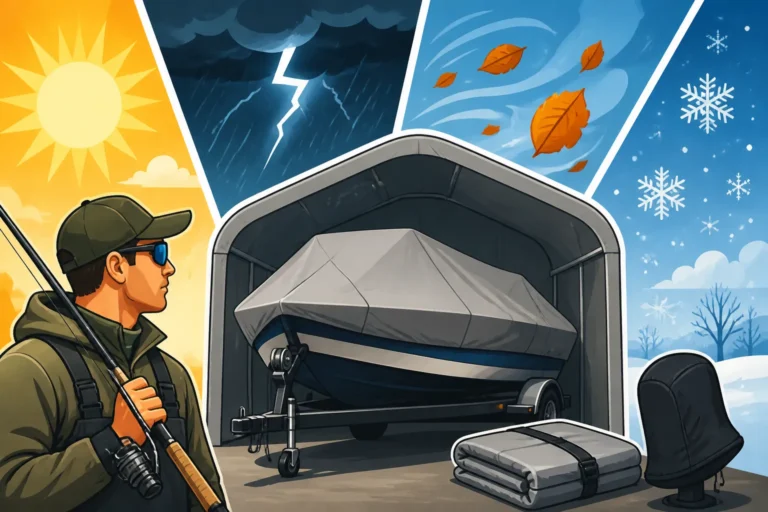
Once your boat is winterized and cleaned, how you cover and store it is critical to protecting it from the elements, especially Oklahoma's diverse winter weather, which can range from sunny and mild to icy and windy.
Choosing the Right Boat Cover
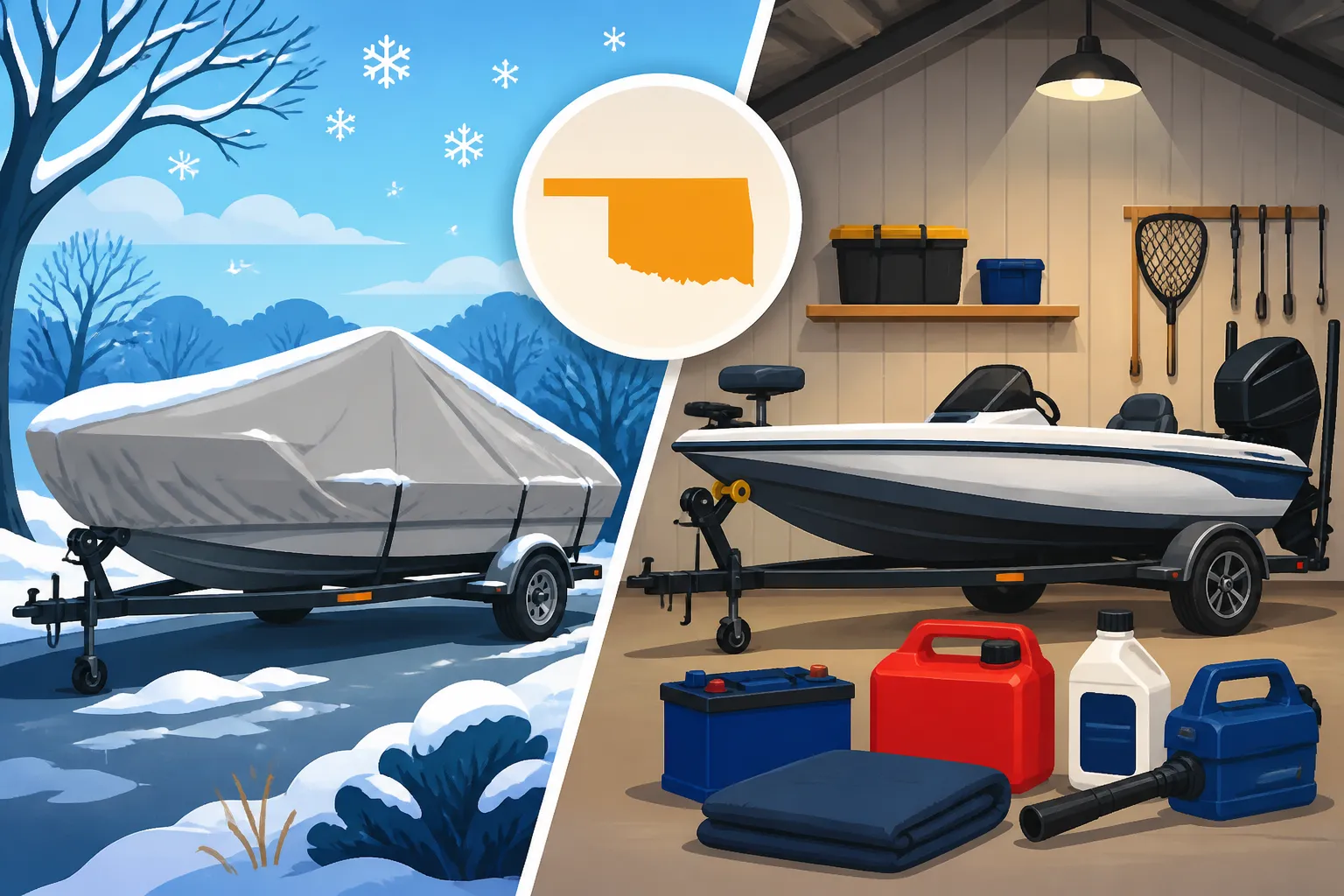
A good boat cover is your boat's first line of defense against rain, snow, ice, UV rays, and debris. Don't skimp here; a cheap tarp can actually do more harm than good by trapping moisture and flapping in the wind, chafing your boat's finish. Look for a cover made of durable, breathable, and UV-resistant material. Custom-fit covers are always best, as they provide a snug fit that sheds water effectively and reduces wind flogging. If a custom cover isn't in your budget, a semi-custom or universal cover that's well-supported to prevent pooling water is a good alternative.
Ensure the cover is adequately secured with straps or bungee cords. You don't want it blowing off in the first strong Oklahoma windstorm. Best Boat Cover for an Oklahoma Reservoir provides great insights into selecting the right one. Also, use a support system (poles, frames) under the cover to create a peak, allowing rain and snow to run off rather than collecting and stretching the fabric or putting pressure on your boat's interior. Proper ventilation is key, so make sure your cover allows for some airflow to prevent moisture buildup and mildew.
Indoor vs. Outdoor Storage Options
Deciding where to store your boat is often a balance of cost, convenience, and available space.
- Indoor Heated Storage: This is the Cadillac of winter storage. Your boat is protected from the elements, temperature fluctuations are minimal, and you generally don't need to worry as much about extreme freezing. However, it's typically the most expensive option and often requires booking well in advance, especially near popular lakes like Grand Lake or Lake Eufaula.
- Indoor Unheated Storage: A more affordable option, this still offers excellent protection from snow, ice, rain, and UV rays. While the space isn't heated, the boat is still sheltered from direct freezing temperatures and harsh winds. You'll still need to perform thorough engine winterization, but it significantly reduces wear and tear on the exterior.
- Outdoor Covered Storage: This involves storing your boat under a carport, shed, or a well-supported boat cover in your driveway. It's the most common and often cheapest option for many Oklahoma boat owners. The key here is the quality of your cover and support system. Your boat will be exposed to ambient temperatures, so proper engine winterization is absolutely crucial. Ensure your cover creates enough slope for water runoff and is secured tightly against the wind.
Preparing the Trailer for Winter
Your boat trailer also deserves some love before winter. Tires can develop flat spots if left in one position for months, so consider placing the trailer on blocks to take the weight off the tires. This also allows you to inspect the tires more closely for cracks or wear. Lubricate all moving parts, including the hitch, jack, and winch. Check and clean electrical connections for trailer lights, as corrosion can build up over time. If you have surge brakes, ensure the brake fluid is at the correct level. Just like your boat, a well-maintained trailer is safer and more reliable, saving you headaches on your first trip back to the water.
Final Checks and Maintenance for Off-Season
Even after the main winterization and covering, there are a few lingering tasks and considerations to ensure your boat has the best possible off-season. These are the small details that can make a big difference.
Checking for Pest Entry Points
Mice, spiders, and other critters love to make homes in boats during the cold months. They can chew through wiring, build nests, and leave behind messes. Before you seal up your boat, do a thorough check for any potential entry points. Seal up any small gaps with steel wool or mesh screens. Some anglers swear by placing mothballs or strong-scented dryer sheets in various compartments, as rodents dislike the smell.
It’s also a good idea to remove anything that might be considered a food source, even tiny crumbs. If you plan to store your boat long-term, consider setting non-toxic traps or bait stations around the boat, checking them periodically. A small ounce of prevention here can save you from finding a rodent nest in your engine compartment or chewed-up wiring come spring.
Security Measures and Insurance
Your boat's security doesn't stop just because it's winter. Whether it's stored in your driveway, a storage facility, or at a marina, ensure it's secure. Lock all compartments, secure the cover, and use a hitch lock on your trailer. If your boat has an alarm system, make sure it's armed.
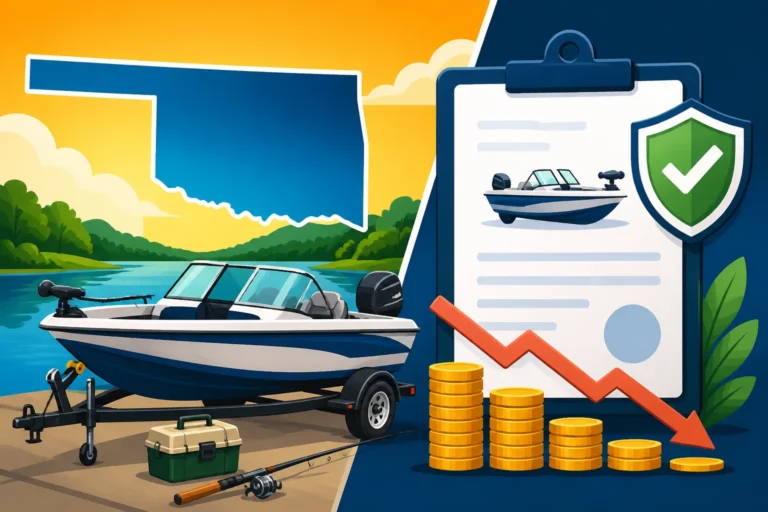
It’s also a good time to review your boat insurance policy. Does it cover winter storage? Are there any specific requirements for off-season coverage? While Oklahoma Boat Registration and Titling Rules Explained focuses on legal requirements, understanding your insurance is just as important for peace of mind. Confirm that your policy adequately covers potential issues like theft, fire, or severe weather damage while the boat is in storage. Having proper coverage means you're financially protected no matter what Mother Nature or unforeseen circumstances throw your way.
Documenting the Process
Finally, take a moment to document your winterization process. Note down what you did, the products you used (e.g., specific fuel stabilizer, antifreeze type), and any observations about the boat's condition. This record can be invaluable for future reference, helping you remember what needs doing next year or assisting a mechanic if you ever need professional help. It's also a great place to list any repairs or maintenance tasks you want to tackle in the spring. A simple checklist, like the one below, can keep you organized.
| Winterization Step | DIY vs. Professional | Estimated Time (DIY) | Key Supplies | Notes |
|---|---|---|---|---|
| Fuel System | DIY | 15-30 min | Fuel Stabilizer | Fill tank, run engine to circulate stabilizer |
| Engine Cooling | DIY / Pro | 30-60 min | Marine Antifreeze (non-toxic), Drain Plugs, Earmuffs | Drain water or flush with antifreeze |
| Battery Removal/Care | DIY | 15-30 min | Battery Terminal Cleaner, Distilled Water, Battery Maintainer | Disconnect, clean, charge, store in cool, dry place |
| Hull Cleaning & Waxing | DIY | 1-3 hours | Boat Soap, Wax/Sealant, Microfiber Cloths, Applicators | Remove grime, apply protective wax |
| Interior Cleaning | DIY | 30-60 min | Marine Cleaner, Vacuum, Moisture Absorbers, Dryer Sheets | Remove all items, clean, ensure airflow, deter pests |
| Lubricate Moving Parts | DIY | 15-30 min | Marine Grease, Grease Gun | Steering, throttle, trim, trailer hitch, bearings |
| Covering & Support | DIY | 30-60 min | Boat Cover (durable, breathable), Support Poles, Straps | Secure snugly, create slope for runoff, ensure ventilation |
| Pest Prevention | DIY | 15 min | Steel Wool/Mesh, Mothballs/Dryer Sheets, Traps | Seal entry points, deter rodents |
| Insurance Review | N/A | 15 min | Policy Documents | Confirm winter storage coverage |
This proactive approach not only protects your investment but also ensures that when those beautiful Oklahoma spring days arrive, you're not stuck in the garage or at the repair shop. Instead, you'll be out on the lake, enjoying the very first bites of the season. Oklahoma Fishing Seasons: A Month-by-Month Guide will be calling your name!
Disclaimer
This article is for general informational purposes only and does not constitute professional advice. Laws, prices and regulations vary by location and change over time. Consult a qualified professional for guidance on your specific situation.