Boat Ramp and Trailer Tips for Oklahoma’s Big Lakes
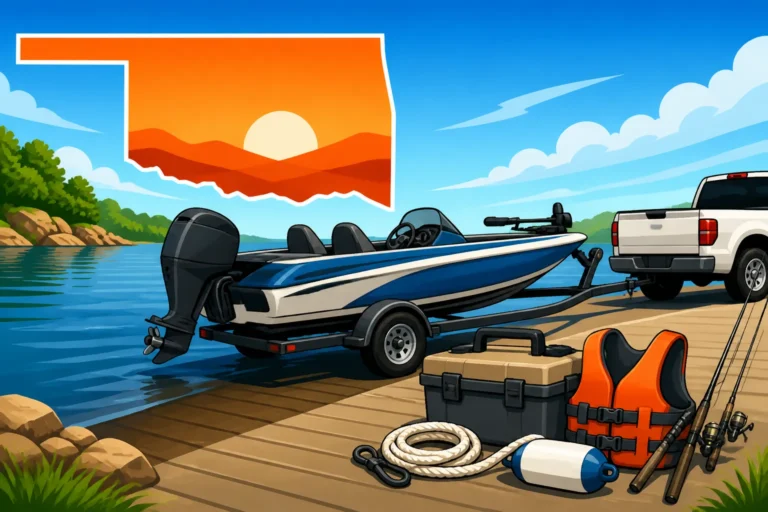
There's nothing quite like the excitement of hitting the open water on one of Oklahoma's magnificent lakes, but the journey often starts at the boat ramp, which can sometimes feel like a gauntlet. From steep angles to crowded weekend mornings, launching and retrieving your boat can be a real headache if you're not prepared. This guide is here to walk you through mastering boat ramps and trailer handling, ensuring your time on the water begins and ends with ease, not frustration.
Navigating Oklahoma's Diverse Boat Ramps
Oklahoma is blessed with an incredible variety of lakes, from the massive expanse of Lake Texoma to the clear, deep waters of Broken Bow. With that diversity comes a wide range of boat ramp conditions, and not all ramps are created equal. Understanding what you're up against before you even back down can save you a lot of grief and prevent damage to your boat or trailer.
Understanding Different Ramp Types
You'll encounter a spectrum of boat ramp conditions across our beautiful state. The most common are concrete ramps, which are generally well-maintained and offer good traction. These are often found at popular state parks and larger marinas. However, even concrete ramps can have steep inclines, especially when water levels are low, exposing more of the ramp than usual. A steep ramp can make backing up and pulling out a nerve-wracking experience, especially for those new to trailering. You might find yourself having to launch further down, putting more of your tow vehicle in the water than you'd prefer.
Then there are the less developed ramps, often made of gravel, dirt, or even just a natural slope down to the water. These are more common at smaller, less-frequented lakes or in more remote arms of larger reservoirs. While they offer a peaceful launch point, they come with their own challenges. Traction can be significantly reduced, especially if it's muddy or wet, and getting stuck is a very real possibility. You also need to be mindful of uneven surfaces, potholes, and hidden rocks that could damage your trailer or propeller. Always assess these ramps carefully before committing, and consider having a four-wheel-drive vehicle if you plan on exploring these more rustic options.
Pre-Launch Reconnaissance and Planning
Before you even think about backing your trailer down a ramp, a little bit of scouting can go a long way. When you arrive at a new lake or an unfamiliar ramp, take a few minutes to observe. Watch how other boaters are launching and retrieving. Is the ramp particularly steep? Are there any obvious potholes or drop-offs at the water's edge? Are there strong crosscurrents near the ramp that might push your boat sideways? Knowing these details ahead of time can inform your approach and prevent any nasty surprises.
Consider the time of day and week you're planning your trip. Popular lakes like Grand Lake O' the Cherokees or Lake Eufaula can see heavy traffic on prime weekend mornings or during major fishing tournaments. Arriving during off-peak hours can significantly reduce stress and improve your experience. Nobody wants to feel rushed or have a dozen eyes watching their every move while trying to navigate a challenging ramp. It’s also wise to check current lake levels if possible, as fluctuating water can drastically change a ramp's usability. What was a perfectly good ramp last month might be a nightmare if the water has dropped significantly.
Mastering the Art of Boat Trailer Maneuvering
Backing a boat trailer can feel like learning a new language, especially if you're not used to it. The counter-intuitive steering, the long pivot point, and the added length can challenge even experienced drivers. But with practice and a few key techniques, you can transform from a ramp rookie to a seasoned pro.
Backing Up Like a Pro
The biggest mental hurdle for many is that the trailer goes the opposite way of your steering wheel. To move the trailer to the left, you turn your steering wheel to the right, and vice versa. It takes a bit of rewiring your brain, but once it clicks, it gets easier. Start by going slow, very slow. Small corrections are key; over-correcting is the quickest way to get jackknifed. Look in your mirrors often, rather than constantly turning your head. Many seasoned anglers will advise you to place your hand at the bottom of the steering wheel. Whichever way you move your hand, the trailer will follow. If you want the trailer to go left, move your hand left. This simple trick helps simplify the mental gymnastics.
Another crucial tip is to aim for the center of the ramp. As you back down, the goal isn't just to get the boat in the water, but to align it perfectly so that retrieval is just as smooth. Use visual markers on the ramp or shoreline to keep yourself straight. Don't be afraid to pull forward and realign if you get off course. It's far better to take an extra minute or two to get it right than to cause a scene, hold up the line, or worse, damage your gear. For more detailed instructions on getting that perfect angle, you might want to read How to Back a Boat Trailer Down a Steep Ramp.
Dealing with Crosswinds and Crowds
Oklahoma weather can be unpredictable, and strong winds are a common factor on our larger lakes. A gusty crosswind can make backing down a ramp feel like fighting a phantom. The wind can push your trailer sideways, making it incredibly difficult to keep straight. In these situations, patience is your best friend. Take it even slower than usual, making tiny, deliberate adjustments. If the wind is truly strong, consider waiting for a lull or asking for an extra set of hands to guide the boat once it's off the trailer and into the water.
Crowds, on the other hand, bring a different kind of pressure. Weekend warriors, tournament anglers, and recreational boaters all converge on the ramps, and the atmosphere can sometimes be tense. The key here is efficiency without rushing. Have your lines ready, your plug in, and anything else you need before you even get in line. When it’s your turn, execute your launch or retrieval smoothly. Don't be intimidated by people watching; focus on your process. Remember, most experienced boaters have been in your shoes and understand the challenges. Good Boat Ramp Etiquette at Busy Oklahoma Lakes goes a long way in keeping things civil and efficient for everyone.
Essential Trailer Maintenance for Oklahoma Waters
Your boat trailer is often the unsung hero of your fishing trips, diligently hauling your vessel to and from the water. But it's also exposed to saltwater, freshwater, road grime, and constant vibration. Neglecting its maintenance can lead to costly breakdowns, delays, and even dangerous situations on the road.
Hubs, Bearings, and Lights: The Critical Checks
The wheel bearings on your trailer are constantly working, and prolonged exposure to water, especially when submerging your trailer, can lead to corrosion and failure. Before and after each trip, it's a good habit to check your hubs. Feel them for excessive heat after a drive – a hot hub could indicate a bearing problem. Periodically, you’ll need to grease your bearings, and if you submerge your trailer frequently, investing in bearing protectors can greatly extend their life. Replacing a bearing on the side of a highway is no fun for anyone.
Trailer lights are another common point of failure. From frayed wires to corroded connections, light issues can quickly put you in violation of traffic laws and create a safety hazard, especially when towing at dawn or dusk. Always do a quick check of your running lights, brake lights, and turn signals before you leave your driveway. If you notice any flickering or dead lights, trace the wiring, check connections, and replace bulbs or fuses as needed. Many outdoor stores like Bass Pro Shops offer a range of waterproof lighting kits and replacement parts, making it easier to keep your trailer compliant and safe.
Tire Care and Roadside Preparedness
Trailer tires are different from car tires; they're designed for heavy loads and intermittent use, not constant driving. They can dry rot faster than you think, especially when sitting in the Oklahoma sun. Before every trip, check your tire pressure – under-inflated tires can lead to blowouts, and over-inflated ones can wear unevenly. Also, inspect the tread and sidewalls for any cracks, bulges, or signs of wear. A small crack can quickly become a big problem on the highway.
It's absolutely crucial to have a spare tire for your trailer, along with the tools needed to change it. Imagine being stranded on a rural Oklahoma road with a flat trailer tire and no way to fix it. That's a surefire way to ruin a fishing trip. Make sure your spare is properly inflated and easily accessible. A small roadside emergency kit, including a jack, lug wrench, and perhaps a small air compressor, can be a real lifesaver. Consider learning more about Best Trailer Tires for Hauling a Boat in Summer Heat to keep your rig rolling smoothly.
Boat Launch and Retrieval Etiquette
Boat ramps can be busy places, and a little courtesy and efficiency can make the experience better for everyone. Think of it like a dance; everyone knows their steps, and the whole thing flows smoothly. When one person steps on another's toes, it can throw the whole rhythm off.
The Golden Rules of the Ramp
The cardinal rule of boat ramp etiquette is preparation. Do as much as you can before you enter the ramp queue. This means:
- Install your drain plug: This is arguably the most important step. Forgetting it means a wet trip back to the ramp.
- Remove tie-downs and transom savers: These are for securing the boat during transport, not for launching.
- Load all your gear: Tackle boxes, coolers, rods, life jackets – get them in the boat and secured.
- Put lines on cleats: Have your bow and stern lines ready so you can quickly tie up to a dock once launched.
- Check your lights and engine: Give it a quick once-over to ensure everything is ready to go.
By doing all this in the staging area, you minimize your time on the ramp itself, allowing others to move through quickly. When you're retrieving, the same principles apply. Pull your boat onto the trailer, secure the bow, and then immediately pull your truck and trailer out of the way to a designated tie-down area. That's where you'll finish securing the transom, strapping down your gear, and removing your drain plug. This flow keeps the ramp clear and prevents bottlenecks.
Dealing with Difficult Situations and Fellow Anglers
Despite your best efforts, you'll inevitably encounter situations that test your patience at the boat ramp. Maybe someone is taking an eternity to launch, or perhaps another boater is blocking access. The key is to remain calm and respectful. Getting angry or yelling only escalates the situation and creates an unpleasant environment for everyone. If you see someone struggling, offer assistance if it's safe and appropriate. A simple "Need a hand?" can often diffuse tension and help someone out.
Sometimes, you might be the one having a tough time. Maybe your trailer lights aren't working, or your boat won't start after launching. In these moments, it's okay to ask for help. Most anglers are good people who understand that things happen. The important thing is to try and move your vehicle and boat out of the main flow of traffic as quickly as possible if you encounter a significant issue. This shows respect for others' time and helps keep the ramp operating efficiently. For a comprehensive guide on what to check before you even get to the water, take a look at What to Check Before Launching a Boat at an Oklahoma Ramp.
Pre-Trip and Post-Trip Trailer Checklist
A thorough checklist, performed both before you head out and after you've pulled off the water, is your best defense against trailer mishaps. This proactive approach saves time, money, and a lot of frustration, ensuring your focus stays on fishing, not fixing.
Before You Leave Home
The moment you hook up your trailer, the checklist begins. First and foremost, secure your boat to the trailer. This means not just the winch strap at the bow, but also transom straps at the stern. These straps prevent your boat from bouncing or shifting on the trailer, which can cause significant damage over bumpy Oklahoma roads. Many anglers even add a safety chain from the bow eye to the trailer frame as an extra precaution.
Next, double-check that your trailer coupler is fully latched onto your hitch ball and that the safety chains are crossed and attached to your tow vehicle. Don't forget the electrical connection for your trailer lights! Give it a test run – running lights, brake lights, and turn signals. Beyond the boat and trailer, ensure all essential safety gear is loaded. A fully stocked tackle box, enough fuel, food, and water for your trip, and all required personal flotation devices (PFDs) should be onboard. Safety Gear Checklist for a Day on an Oklahoma Reservoir offers a great resource for what to bring. Doing this all at home, rather than at the ramp, keeps the launch process smooth and quick.
After You've Pulled Out
Once your boat is safely back on the trailer and you've pulled out of the immediate ramp area, your post-trip duties begin. The first and most critical step is to pull your drain plug. This allows any water that accumulated in your bilge or livewell to drain out during your drive home. Leaving water in your boat, especially in cooler weather, can lead to serious issues like freezing damage or the transfer of invasive species. It’s a simple step that many forget, but it's vital.
Next, give your trailer and boat a quick visual inspection. Look for any new damage, loose connections, or anything that seems out of place. If you’ve been in brackish or saltwater (like the southern end of Lake Texoma), a quick rinse of your trailer and lower unit at home can prevent corrosion. Finally, properly secure everything for the drive home. Reattach your transom saver if you use one, ensure all rods are stowed, and tie down any loose items. Before you put your boat away for the season, consider referring to tips on How to Store a Boat Over Winter in Oklahoma to ensure your trailer and boat are protected.
Adapting to Oklahoma's Unique Lake Conditions
Oklahoma's lakes are dynamic, and their conditions can change dramatically with rainfall, drought, and seasonal shifts. Being aware of these fluctuations and knowing how to adapt your boat ramp and trailer strategy is crucial for a successful and safe outing.
Low Water Levels and Shallow Ramps
There are times when Oklahoma experiences extended dry spells, and lake levels can drop significantly. This often reveals a whole new set of challenges at the boat ramp. What was once a deep, easy launch might now be too shallow, or the concrete ramp might end abruptly in a muddy mess. When faced with low water, you'll need to exercise extreme caution. Scout the ramp even more thoroughly than usual, looking for the end of the concrete or any submerged obstacles. You might need to back your trailer further into the water than usual, which means getting your tow vehicle's tires wet – something to consider if you're not in a 4×4.
Sometimes, the official boat ramp becomes completely unusable due to low water, forcing you to find alternative, often less-maintained, launch points. These informal ramps can be tricky, with soft bottoms that can easily get your vehicle stuck. Always consider bringing traction mats or a tow strap if you plan to explore these options. It’s also a good idea to bring a longer rope to help pull the boat off the trailer if the water is too shallow to float it properly, minimizing how far you have to back down. This proactive thinking prevents those frustrating moments where you're stuck, literally, between a rock and a hard place.
High Water and Debris Considerations
On the flip side, heavy rains can lead to rapidly rising lake levels. While high water might make some ramps incredibly easy to launch from (sometimes even covering the entire ramp!), it brings its own set of dangers. Fast-moving water, especially in river-fed lakes or after dam releases, can create strong currents at the ramp, making it difficult to control your boat once it's off the trailer. You might need to have someone in the boat ready to start the engine immediately and navigate away from the ramp.
Perhaps the biggest hazard with high water is debris. Logjams, floating timber, and even entire trees can be washed into the lake and concentrate near ramps or boat lanes. This debris can be a serious threat to your boat's propeller, lower unit, and hull. Approach high-water ramps with extra vigilance, scanning the water around the ramp for any floating hazards. Be prepared to navigate slowly and carefully, both during launch and while running your boat in the main body of water. Having a clear idea of what kind of boat is best for handling larger bodies of water and potential debris, like those found on Lake Texoma, can be very helpful; for example, see Best Boat for Fishing Lake Texoma's Open Water. Always prioritize safety and caution when lake conditions are anything but ideal.
| Pre-Trip Trailer Checklist | Post-Trip Trailer Checklist |
|---|---|
| Attach coupler to hitch | Remove drain plug |
| Cross safety chains | Visually inspect trailer |
| Connect electrical plug | Rinse trailer (if needed) |
| Test all trailer lights | Secure boat for travel |
| Check tire pressure | Store spare tire and tools |
| Inspect tires for damage | Check for new damage |
| Ensure spare tire is inflated | Clean off mud/debris |
| Grease bearings (if scheduled) | Check hubs for excessive heat |
| Load all fishing gear | Stow lines and fenders |
| Install boat drain plug | |
| Remove transom saver | |
| Remove tie-downs |
Disclaimer
This article is for general informational purposes only and does not constitute professional advice. Laws, prices and regulations vary by location and change over time. Consult a qualified professional for guidance on your specific situation.