Best Boats for Broken Bow Lake
Choosing the right boat for your fishing adventures on Broken Bow Lake can feel like a daunting task. You've heard stories about its stunning clear waters, deep coves, and the incredible fishing, but you also know it's a big, dynamic body of water with its own challenges. You don't want to invest in a boat that's going to leave you frustrated, underpowered, or unable to access those prime fishing spots. This guide is here to cut through the confusion and help you understand exactly what kind of vessel will best suit your needs for an unforgettable experience on one of Oklahoma's most beautiful lakes.
The Unique Character of Broken Bow Lake and What It Means for Your Boat Choice
Broken Bow Lake isn't just another Oklahoma reservoir; it's a gem nestled in the Ouachita Mountains, known for its pristine, crystal-clear water and picturesque, rocky shorelines. This distinct environment means that the "best" boat here might be very different from what you'd choose for, say, Lake Eufaula or Grand Lake. Anglers often face unique challenges and opportunities that directly influence the ideal boat features.
Deep, Clear Waters and Rocky Terrain
One of the first things you'll notice about Broken Bow Lake is its incredible water clarity and depth. Unlike many of Oklahoma's more turbid reservoirs, you can often see many feet down into the water, especially in certain areas. This clear water, combined with depths reaching over 100 feet in places, presents a few considerations. For starters, fish might react differently to boat presence, and finding them often involves understanding deep-water structure.
The clear water also means that light penetration is excellent, which can drive fish deeper during bright sunny days. Your boat needs to be stable enough to handle potential wind chop on the main lake, but also nimble enough to navigate around submerged timber and rocky points that define much of its structure. These aren't soft, muddy banks; we're talking about jagged rocks that can do serious damage to a fiberglass hull if you're not careful. Having a durable hull, or at least one designed to take a bump or two, is crucial. Plus, when you're admiring the scenery, you don't want to be constantly worrying about what's lurking just below the surface near the shore. This is where a good depth finder and GPS become invaluable, letting you see those hazards before they become problems.
Navigating the Mountain Fork River Arms
Broken Bow Lake is essentially a flooded river valley, primarily fed by the Mountain Fork River. This means it has long, winding arms that stretch deep into the surrounding hills. These riverine sections offer different fishing experiences and demand different boat handling capabilities than the main lake body. While the main lake can get quite open and choppy, these arms tend to be more sheltered, often narrower, and can have more visible (and submerged) timber, especially further upstream.
If your primary goal is to fish these scenic river arms for species like smallmouth bass or walleye, you might prioritize a boat that's easier to maneuver in tighter spaces. A smaller, more agile bass boat or even a well-equipped jon boat could excel here. These areas can also be shallower in spots, requiring a boat with a shallower draft. You might find yourself wanting to get into tight coves or upstream stretches where a large, deep-V hull might feel cumbersome. For these scenarios, being able to pole or use a powerful, quiet trolling motor effectively can make all the difference in reaching untouched spots where the fish might be less pressured. Broken Bow Lake Fishing Guide on the Mountain Fork River offers more insight into these specific areas.
Wind, Weather, and Water Conditions
Being situated in the mountains, Broken Bow Lake can experience sudden weather changes. Strong winds can funnel down the valleys, quickly whipping the main lake into a formidable chop, especially for smaller vessels. This isn't just an inconvenience; it can be a serious safety concern. Imagine being miles from the ramp when an unexpected storm rolls in – you need a boat that can get you back safely and comfortably.
Beyond wind, understanding the seasonal changes in water conditions is key. During spring, heavy rains can bring in stained water to certain coves, while summer typically sees consistent clarity. The boat you choose needs to be able to handle these various conditions without compromising your fishing experience or safety. For instance, a boat with a higher freeboard (the distance from the water to the top of the boat's side) will offer better protection against spray and waves on windy days. You also want to consider comfort features like seating and a dry storage area, because nobody enjoys a long, wet ride back to the dock.
Top Boat Types for Fishing and Recreation on Broken Bow Lake
Given Broken Bow's unique characteristics, certain boat types naturally rise to the top for anglers and recreational users. Each offers a different set of advantages and compromises, so it's about matching the vessel to your personal fishing style and priorities.
Bass Boats: Precision and Speed
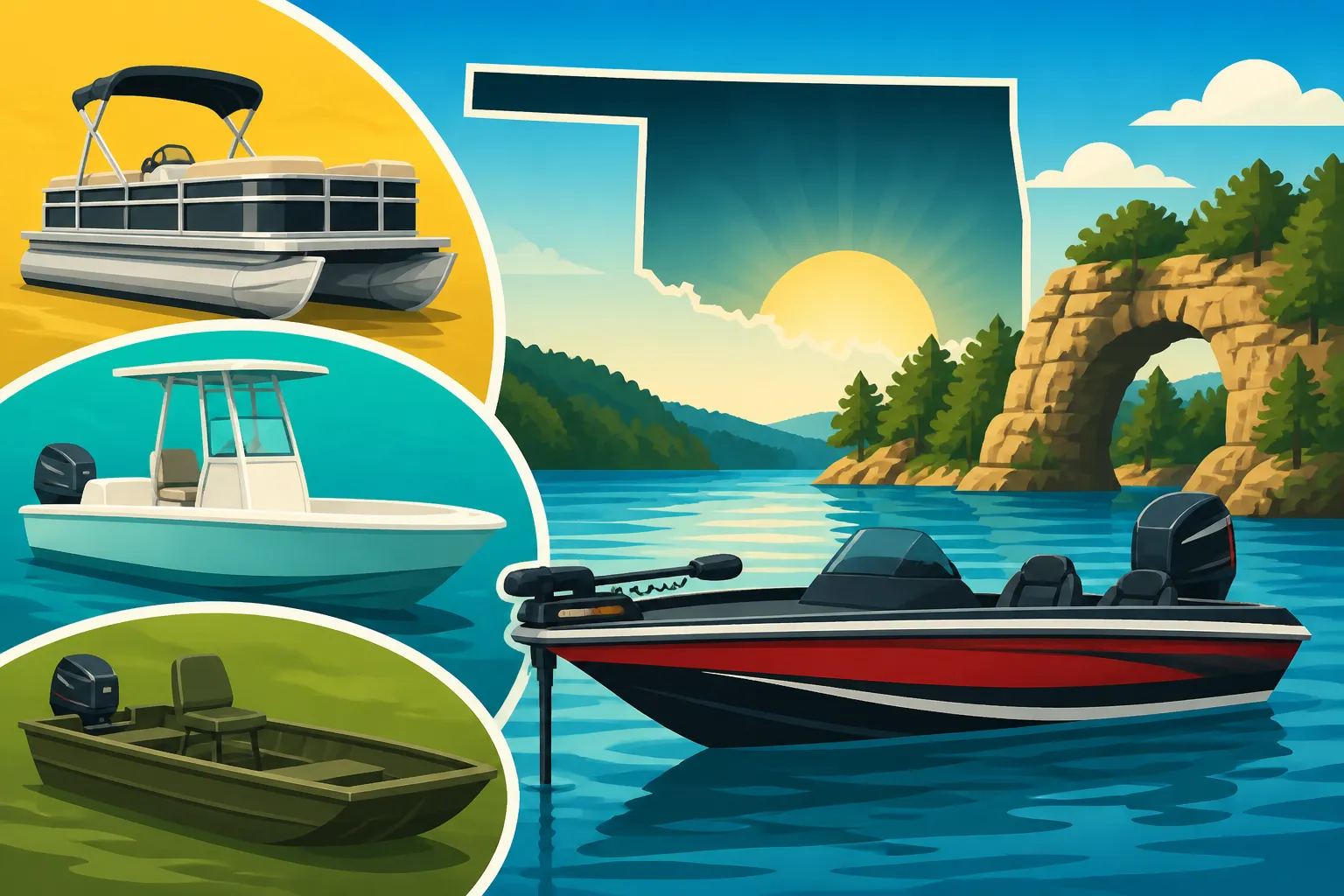
When most people think of serious freshwater fishing, they picture a sleek bass boat. And for good reason – these boats are designed for exactly that: competitive bass fishing. On Broken Bow, a bass boat offers significant advantages, especially if you're targeting largemouth, smallmouth, or spotted bass. Their low profile makes casting easier, and powerful outboard motors mean you can cover vast distances quickly, jumping from one promising rocky point to the next.
Modern bass boats often come equipped with advanced electronics, spacious casting decks, and large livewells, which are critical for tournament anglers or those who practice catch-and-release with care. However, their low profile can also be a disadvantage on really windy days when the main lake gets choppy; you might take on more spray. They are also highly specialized, meaning while they excel at bass fishing, they might not be the most comfortable choice for a family outing of swimming and sunbathing. Yet, for the dedicated angler, the speed to get to those remote coves and the stability to fish them effectively can't be beaten. If you're serious about Best Bass Fishing Spots on Broken Bow Lake, Oklahoma, a bass boat will give you the edge.
Multi-Species Boats and Deep-V Hulls
For anglers who want versatility – perhaps targeting bass one day, walleye the next, or even doing some light trolling for crappie – a multi-species boat or a deep-V hull design might be a smarter choice. These boats offer a higher freeboard than traditional bass boats, making them much more comfortable and safer in rougher water conditions that Broken Bow can sometimes dish out. The deeper V-hull cuts through waves rather than pounding over them, leading to a smoother, drier ride.
These boats are often equipped with features that cater to a wider range of fishing techniques. You might find more rod holders for trolling, convertible seating, and layouts that accommodate both casting and vertical jigging. Brands like Lund, Ranger (with their multi-species lines), and Crestliner are well-known for producing robust deep-V boats. While they may not have the sheer top-end speed of a dedicated bass boat, their ability to handle various conditions and fishing styles makes them an excellent all-around option for Broken Bow Lake, especially for those who spend a lot of time on the main lake body.
Pontoon Boats: Family Fun and Stability
Now, if your primary goal isn't necessarily hardcore fishing, but rather combining fishing with family recreation, swimming, and simply cruising the beautiful waters of Broken Bow Lake, a pontoon boat becomes a very attractive option. Pontoons offer unparalleled stability, tons of deck space, and comfortable seating, making them ideal for large groups or families with kids. You can easily set up a comfortable base for a day of swimming, picnicking, and casual fishing.
While not designed for speed, modern pontoon boats with higher horsepower engines can be surprisingly capable. Some even come equipped with fishing packages, including aerated livewells, rod holders, and even trolling motor mounts, allowing you to combine leisurely cruising with effective angling. Their flat deck makes them incredibly stable for bank fishing near shallow coves, or simply enjoying the sunset. However, their size and limited maneuverability in very tight spaces mean they might struggle to reach some of the more secluded fishing spots that a smaller boat or kayak could access. But for sheer comfort and group enjoyment on Broken Bow's open waters, you'd be hard-pressed to find a better option. When considering a Best Boat for a Family Fishing Trip on an Oklahoma Reservoir, a pontoon is often the top contender.
Kayaks and Canoes: Silent Access to Secluded Spots
For the truly adventurous angler looking to get away from the crowds and access the pristine, untouched corners of Broken Bow Lake, kayaks and canoes are unmatched. The silence and stealth offered by paddlecraft allow you to approach fish without spooking them, and their shallow draft means you can navigate into incredibly tight coves, upstream river sections, and around submerged timber that larger boats simply cannot reach.
Fishing kayaks, in particular, have evolved tremendously. They are stable, often come with rod holders, gear tracks, and even pedal drives or small electric motors for easier propulsion. They are also much more affordable than powerboats and significantly easier to launch from almost anywhere, including informal bank access points. Imagine silently paddling into a quiet cove at dawn, casting to bass you know haven't seen a lure in days. The downside, of course, is limited range, slower speeds, and exposure to the elements. You'll need to be mindful of weather and boat traffic on the main lake, and always wear a Life Jacket Rules While Tubing Behind a Boat in Oklahoma or even just paddling. For an in-depth look at essential gear, check out Kayak Fishing Gear Every Oklahoma Angler Needs.
Essential Features to Consider When Buying a Broken Bow Lake Boat
Once you've narrowed down the type of boat, it's time to dive into the specific features that will make your time on Broken Bow Lake safer, more comfortable, and more productive.
Hull Design and Material: Handling the Elements
The hull is the foundation of your boat, and its design and material profoundly impact performance, durability, and ride quality. Broken Bow's clear, rocky nature means you'll want to think carefully about this.
- Fiberglass Hulls: These are common on bass boats and many deep-V models. Fiberglass offers a smooth, quiet ride and allows for complex hull designs that enhance speed and handling. It's aesthetically pleasing and easy to clean. However, fiberglass can be susceptible to damage from impacts with rocks or submerged timber, which are definitely a concern on Broken Bow. A small ding might just be cosmetic, but a serious impact could mean costly repairs. If you opt for fiberglass, be diligent with navigation, especially in unfamiliar areas or shallow coves. Brands like Skeeter and Bass Cat are famous for their fiberglass bass boats, offering performance and comfort.
- Aluminum Hulls: Increasingly popular, especially for multi-species and jon boats, aluminum offers superior durability and lighter weight. It can take a hit better than fiberglass without catastrophic damage, making it a great choice for lakes with rocky shorelines and shallow, timber-filled areas like parts of Broken Bow's river arms. While traditionally thought of as offering a rougher ride, modern aluminum deep-V designs from companies like Crestliner or Tracker can provide surprisingly smooth performance, especially in choppy conditions. They also tend to be more fuel-efficient due to their lighter weight. For those who frequently fish shallower, rockier areas or want less worry about incidental bumps, aluminum is a strong contender.
- Hull Shape (V-Hull vs. Flat Bottom): Deep-V hulls cut through waves, providing a smoother ride in rough water – crucial for Broken Bow's windy main lake. Modified-V hulls offer a compromise, providing some rough water capability while maintaining stability at rest. Flat-bottom boats (like many jon boats) are incredibly stable in calm water and have a very shallow draft, making them perfect for extremely shallow areas, but they will pound severely in chop. For Broken Bow, a V-hull or modified-V is generally recommended for comfort and safety. Best Boat for Broken Bow Lake's Clear Water will emphasize durability and good hull design.
Engine Power and Fuel Efficiency
Your engine choice directly impacts how you experience Broken Bow Lake. You need enough power to get to your spots quickly and safely, but also consider fuel efficiency for long days on the water.
- Horsepower (HP): For a lake the size of Broken Bow, especially if you plan to cover a lot of ground, adequate horsepower is key. A smaller jon boat might be fine with a 25-50 HP motor, but a full-sized bass boat or pontoon will likely need anywhere from 150-300 HP. More horsepower means faster transit times, which can be a relief if you're caught in sudden bad weather or simply want to maximize your fishing time across different areas of the lake. However, remember that larger engines also mean higher initial cost, more fuel consumption, and potentially more expensive maintenance.
- Four-Stroke vs. Two-Stroke: Modern four-stroke outboards are generally more fuel-efficient, quieter, and produce fewer emissions than traditional two-strokes. They are excellent choices for trolling and offer a smooth, reliable performance. Two-stroke direct-injection (D.I.) engines offer a good power-to-weight ratio and are also very fuel-efficient, sometimes preferred by bass anglers for their instant throttle response. For Broken Bow, where long runs are common, the efficiency and quiet operation of a good four-stroke or D.I. two-stroke will enhance your experience.
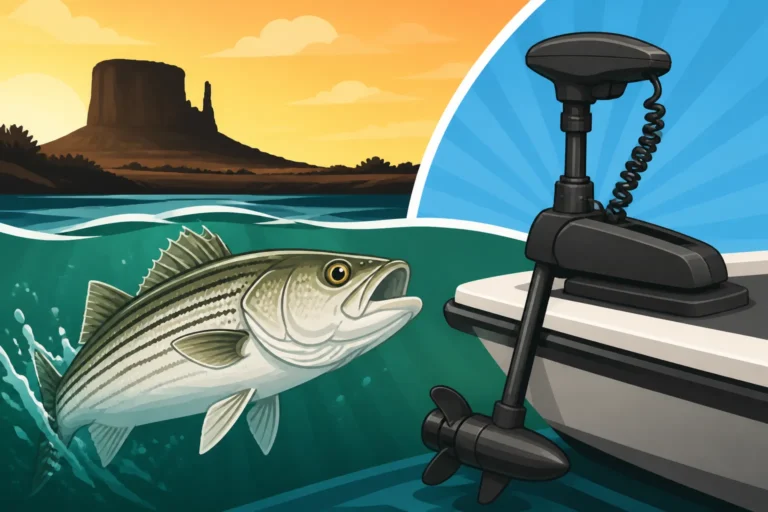
- Electric Trolling Motors: Absolutely essential for fishing on Broken Bow Lake. These allow for silent, precise boat positioning, whether you're working a brush pile, holding position on a windy point, or sneaking into shallow coves. Look for a trolling motor with enough thrust (e.g., 80-112 lbs) for your boat size, and consider features like GPS-guided spot-lock (Minn Kota's Spot-Lock or Lowrance's Ghost are fantastic) which will hold your boat in place automatically, even in wind or current. This is a game-changer for working structure and makes boat control effortless, freeing you up to focus on fishing.
Storage, Livewells, and Fishing Amenities
A boat isn't just about getting you on the water; it's about making your fishing trip productive and comfortable.
- Storage: Broken Bow Lake is big, and you'll likely be out for a full day, possibly even camping nearby. You need ample, dry storage for tackle, rain gear, safety equipment, snacks, and extra layers. Look for boats with well-designed compartments that drain properly and keep your gear dry, especially if you're prone to catching some spray on those windy runs. Some boats offer rod lockers that securely store multiple rods, preventing damage during travel.
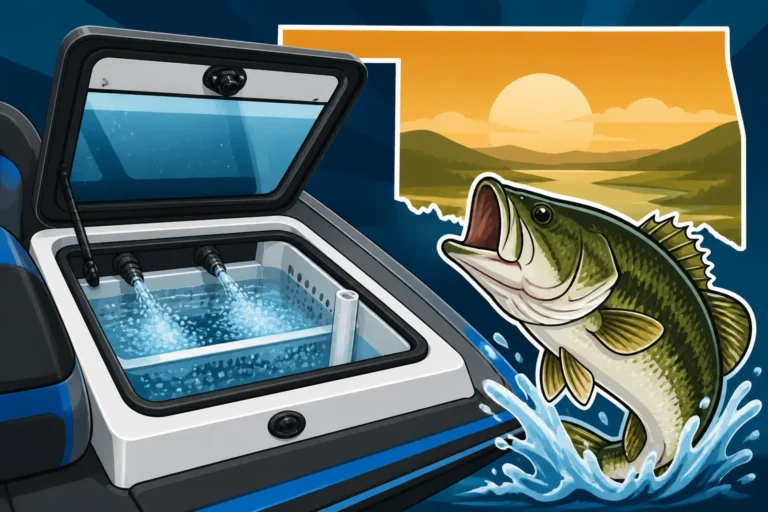
- Livewells: If you're a serious bass or crappie angler, particularly if you participate in tournaments or practice catch-and-release with care, an aerated livewell is non-negotiable. Look for a livewell with sufficient capacity, good aeration systems (recirculating and pump-out functions), and insulated construction to keep your catch healthy throughout the day. A good livewell system is crucial for following Oklahoma's Bass Fishing Rules and Limits and ensuring the survival of released fish.
- Fishing Amenities: Beyond livewells, consider features like built-in rod holders, spacious casting decks, comfortable seating, and even integrated cooler space. These details might seem minor but contribute significantly to your overall enjoyment and efficiency on the water. Swivel seats are excellent for comfort during long periods of casting or still fishing.
Electronics and Navigation for Clear Waters
Broken Bow's clear, deep water and complex structure make good electronics indispensable.
- Fish Finders/Sonar: A quality fish finder is your underwater eye. For Broken Bow, you'll want units capable of displaying traditional 2D sonar, down imaging, and side imaging. Side imaging, in particular, is incredible for scanning large areas for submerged timber, rocky ledges, and schools of baitfish, especially in the clear water where fish might suspend or hide deep. Brands like Lowrance, Humminbird, and Garmin offer excellent units with high-definition displays that make interpreting the underwater world much easier. Learning how to use these tools effectively will drastically improve your success.
- GPS and Mapping: Integrated GPS with detailed lake maps is vital for navigation, especially if you're exploring new areas of Broken Bow. You can mark waypoints for productive fishing spots, dangerous hazards, and track your routes. This is not just a convenience; it's a safety feature, helping you navigate back to the ramp in low light or fog. Look for units that offer high-definition contour maps of the lake, showing depth changes, humps, and creek channels. Some advanced units even allow you to create your own custom maps, which can be a huge advantage on a lake with so much intricate structure.
Boat Maintenance and Storage Tips for Broken Bow Lake Anglers
Investing in a boat for Broken Bow Lake is a big decision, and protecting that investment means proper maintenance and storage. The Oklahoma climate, with its hot summers and cold winters, presents specific challenges.
Dealing with Freshwater and UV Exposure
Broken Bow is a freshwater lake, which is generally less corrosive than saltwater. However, freshwater boats still require regular cleaning and care.
- Regular Cleaning: After each trip, especially if you've been in areas with algae or debris, rinse your hull thoroughly. This prevents buildup and keeps your boat looking good. Use marine-specific cleaning products to avoid damaging finishes. Don't forget to clean the interior, livewells, and fishing decks to prevent odors and mildew.
- UV Protection: Oklahoma summers bring intense sunshine. Prolonged exposure to ultraviolet (UV) rays can degrade upholstery, gel coat, and plastic components, leading to fading and cracking.
- Boat Covers: A good quality boat cover is your first line of defense. It protects your boat from UV rays, rain, dust, and debris when not in use. Ensure it's breathable to prevent moisture buildup and mildew. You can find durable covers at places like Bass Pro Shops or on Amazon.
- Protectants: Use UV protectants on vinyl seats, dashboards, and other plastic surfaces. These products help extend the life of your boat's interior components.
- Trailer Care: Don't forget your trailer! Submerging your trailer in water can be hard on wheel bearings, brakes, and electrical connections. Flush your wheel hubs with a bearing buddy or similar system after each use, and check trailer lights and wiring regularly. Best Trailer Setup for Launching a Boat at an Oklahoma Ramp will give you more insights.
Winterization and Off-Season Care
Oklahoma winters, while generally milder than northern states, still bring freezing temperatures. Proper winterization is essential to prevent costly damage.
- Engine Winterization: This is perhaps the most critical step. Water left in the engine block can freeze and crack components, leading to thousands in repairs.
- Fuel System: Stabilize your fuel to prevent degradation and gumming, and run the engine for a bit to circulate the stabilized fuel.
- Engine Flush: Flush the engine with fresh water, then drain all water from the cooling system. Many people add antifreeze to ensure complete protection.
- Oil Change: Change the oil and filter (for 4-stroke engines) to remove any contaminants before storage.
- Fogging: Spray fogging oil into the carburetor or throttle body (as per your engine's manual) to protect internal engine components from corrosion.
- Battery Care: Remove your boat battery and store it in a cool, dry place. Connect it to a trickle charger to maintain its charge throughout the winter.
- Water Systems: Drain all water from livewells, bilge pumps, and any other onboard water systems. Open drain plugs to allow for complete drainage.
- Boat Storage: If possible, store your boat indoors or under a sturdy carport to protect it from harsh winter weather. If outdoor storage is your only option, ensure your boat cover is secure and consider using a frame to create a peak that sheds snow and water. Check out How to Store a Boat Over Winter in Oklahoma for more detailed guidance.
Trailer Maintenance for Mountain Roads
Getting your boat to Broken Bow often involves navigating winding roads and potentially steep ramps. Your trailer needs to be in top shape.
- Tires: Check tire pressure regularly, including the spare. Inspect for wear, cracks, or bulges. Proper inflation is crucial for safe towing and preventing blowouts, especially on longer drives.
- Bearings: Wheel bearings are constantly under stress and exposure to water. Regular inspection and greasing are vital. "Bearing Buddies" or similar systems can help keep grease fresh. If a bearing fails on the road, it can leave you stranded.
- Lights and Wiring: Ensure all trailer lights (brake, turn, running) are functional. Trailer wiring can be prone to corrosion, especially when submerged in water. Check connections regularly and apply dielectric grease to protect them.
- Brakes: If your trailer has brakes, ensure they are functioning correctly and inspect brake pads/shoes periodically.
- Coupler and Safety Chains: Always double-check your coupler connection to your tow vehicle and ensure safety chains are crossed and properly attached. A little pre-trip inspection goes a long way in preventing headaches on the road.
Safety and Regulations on Broken Bow Lake
Boating safety is paramount on any body of water, and Broken Bow Lake is no exception. Understanding the rules and having the right gear is not just about avoiding fines, it's about protecting yourself, your passengers, and other boaters.
Life Jackets and Essential Safety Gear
It's a fact of life on the water: accidents can happen quickly. Having the right safety gear on board is non-negotiable.
- Life Jackets (Personal Flotation Devices – PFDs): This is the most crucial piece of safety equipment. Oklahoma law requires all children 12 years of age and younger to wear a U.S. Coast Guard-approved life jacket when on board any vessel that is underway. While adults aren't always legally required to wear them, having enough properly sized PFDs for every person on board is mandatory. It's also strongly recommended that adults wear them, especially if you're a non-swimmer, in rough water, or fishing alone. Imagine going overboard in Broken Bow's deep, clear, but often cold water – a life jacket could be your literal lifeline. For specific rules regarding children, see Life Jacket Rules for Kids 12 and Under on Oklahoma Boats.
- Throwable Device: Boats 16 feet and longer must also carry a Type IV throwable flotation device (like a ring buoy or a cushion) readily accessible. This is for situations where someone falls overboard and you can't immediately get the boat close enough for them to grab it.
- Fire Extinguisher: All motorboats are required to carry a U.S. Coast Guard-approved fire extinguisher. Check its gauge regularly to ensure it's charged. Electrical fires or fuel leaks can happen, and a functional extinguisher can prevent a minor incident from becoming a disaster.
- Sound-Producing Device: A whistle, horn, or other sound-producing device is required to signal other vessels or alert for danger.
- Visual Distress Signals: If you're on federal waters (which many larger Oklahoma lakes are considered), certain visual distress signals might be required, especially at night. Check current regulations for specifics.
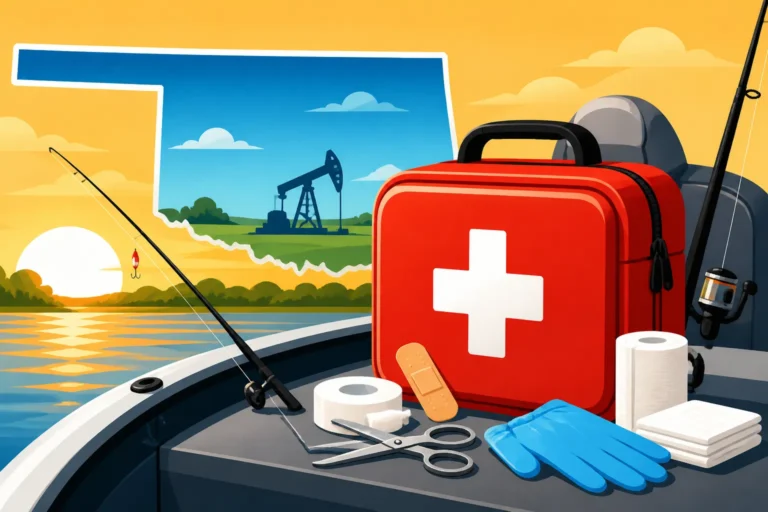
- First-Aid Kit: A well-stocked first-aid kit is always a good idea. Minor cuts, scrapes, or stings are common on a fishing trip. Having basic supplies can handle these issues quickly.
- Navigation Lights: If operating between sunset and sunrise, or in periods of restricted visibility (like fog), proper navigation lights are legally required and critical for avoiding collisions.
- Communication Device: While not legally required, a fully charged cell phone (in a waterproof case) or a VHF marine radio can be invaluable in an emergency. Cell service can be spotty in some remote areas of Broken Bow, so a marine radio might be more reliable. A comprehensive guide can be found at Safety Gear Checklist for Oklahoma Boaters.
Navigational Rules and Courtesy
Sharing the water requires understanding and practicing good etiquette and adherence to navigational rules.
- Right-of-Way Rules: Just like on the road, there are rules of the road for boats. Generally, less maneuverable vessels (like large commercial barges, though not common on Broken Bow) have the right of way. Powerboats generally yield to sailboats, and all vessels yield to those fishing with lines out. Understanding basic rules helps prevent collisions.
- Speed and Wake: Be mindful of your speed, especially in no-wake zones (like near marinas, boat ramps, or designated swimming areas). Your wake can capsize smaller boats, erode shorelines, or annoy other boaters and swimmers. Drive responsibly and give other vessels, especially smaller ones like kayaks and canoes, a wide berth. Nobody wants their lunch spilled by an inconsiderate wake.
- Distress Signals: Familiarize yourself with standard distress signals, both visual (waving arms, red flag) and auditory (five short blasts on a horn or whistle).
- Alcohol and Boating: Operating a boat under the influence of alcohol (Boating Under the Influence or BUI) is illegal and extremely dangerous. It impairs judgment and reaction time, just like driving a car. Stay sober while operating a boat.
- Environmental Responsibility: Broken Bow Lake is beautiful, and we all want to keep it that way. Never litter. Dispose of trash properly, and be careful not to spill fuel or oil. Use biodegradable soaps if you're cleaning your boat on the water.
Planning for Unexpected Weather
Broken Bow Lake's mountainous setting can lead to sudden, severe weather changes. Being prepared can prevent a ruined trip or a dangerous situation.
- Check the Forecast: Always check the marine weather forecast before heading out. Don't just look at the general weather; pay attention to wind speed and direction, potential for thunderstorms, and temperature changes. The weather can change rapidly.
- Monitor Conditions: While on the water, keep an eye on the sky. Darkening clouds, sudden shifts in wind, or distant lightning are all signs that you should consider heading back to the ramp or seeking shelter. Even if the forecast seems clear, local conditions can differ.
- Know Your Boat's Limits: Understand what your boat can safely handle in terms of wind and waves. Don't push its limits, especially if you have inexperienced passengers or children on board. It's always better to err on the side of caution.
- Have a Plan B: Know where the nearest safe harbors, coves, or ramps are located in case you need to get off the water quickly. Having a map or GPS unit with marked ramps and marinas is incredibly helpful. For a comprehensive list of access points, review Best Boat Ramps on Broken Bow Lake, Oklahoma.
- Dress in Layers: The weather can change quickly, from hot sun to cool rain or wind. Dressing in layers allows you to adjust to changing conditions and stay comfortable.
Broken Bow Lake offers some of the most stunning scenery and fantastic fishing in Oklahoma. With the right boat and a commitment to safety and responsible boating, you'll be set for years of unforgettable adventures on its clear, deep waters.
| Boat Type | Pros for Broken Bow Lake | Cons for Broken Bow Lake | Best Use Cases |
|---|---|---|---|
| Bass Boat | Speed, precision, casting platforms, large livewells | Lower freeboard in rough water, specialized for fishing only | Serious bass anglers, tournaments, covering large areas quickly |
| Multi-Species / Deep-V | Handles rough water well, versatile fishing, higher freeboard | Less deck space than pontoons, slower than bass boats | Anglers targeting various species, family fishing in choppier water |
| Pontoon Boat | High stability, large capacity, comfortable, great for recreation | Slower speed, less maneuverable in tight spots, not ideal for casting | Family outings, cruising, swimming, casual group fishing, entertaining |
| Kayak / Canoe | Stealth, access to secluded areas, affordable, great for exercise | Limited range, exposed to elements, less capacity, slower | Solo anglers, exploring remote coves, fly fishing, eco-friendly access |
| Jon Boat | Durable (aluminum), shallow draft, stable in calm water, versatile | Rough ride in chop, less comfortable, basic amenities | Accessing shallow river arms, calm water fishing, utilitarian purposes |
Disclaimer
This article is for general informational purposes only and does not constitute professional advice. Laws, prices and regulations vary by location and change over time. Consult a qualified professional for guidance on your specific situation.