Do You Need a Fire Extinguisher on a Boat in Oklahoma?
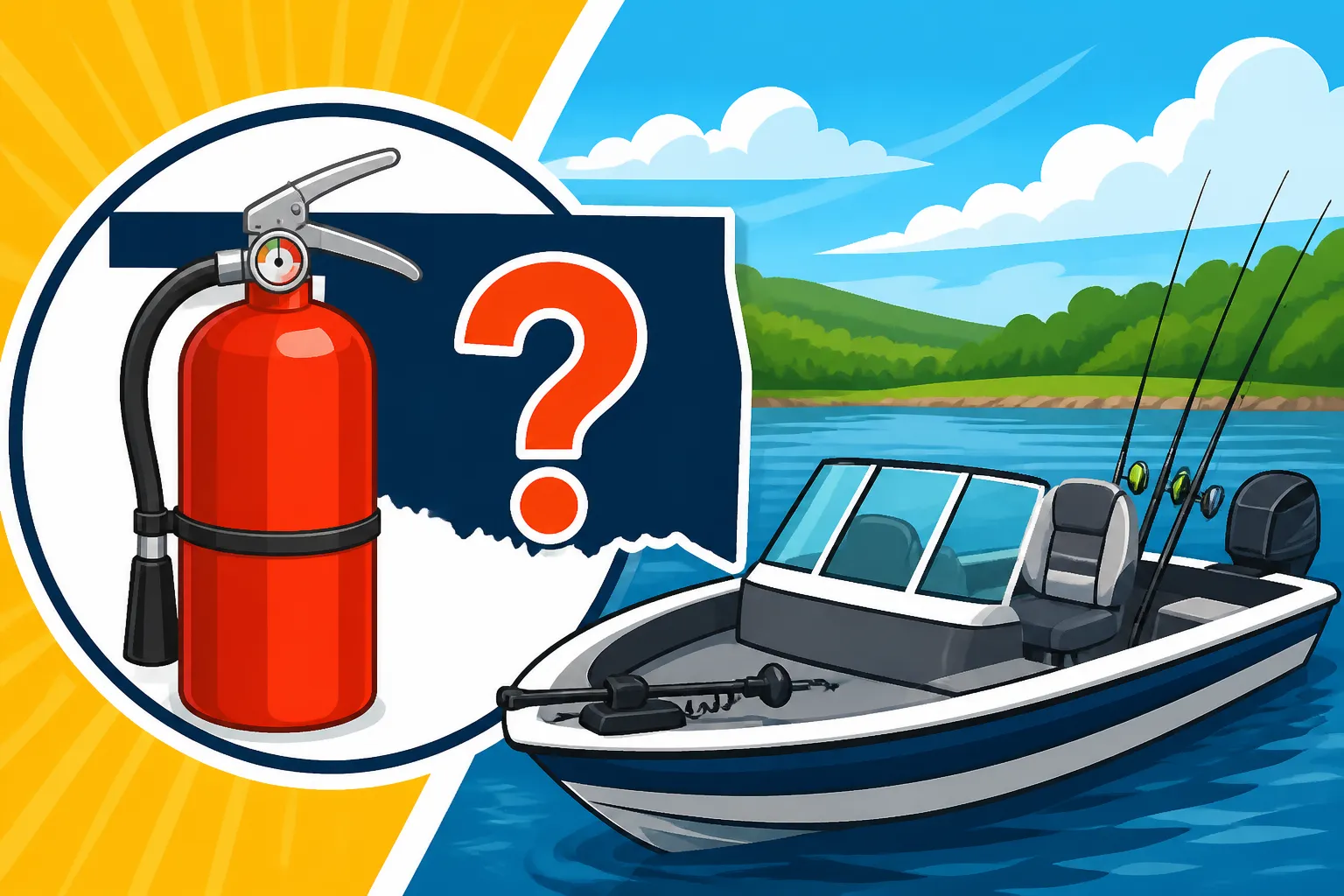
There's nothing quite like a day out on Oklahoma's beautiful lakes, whether you're chasing trophy bass on Lake Texoma or enjoying a leisurely cruise on Grand Lake O' the Cherokees. But amidst all the fun and relaxation, it's easy to overlook crucial safety details. Many boat owners find themselves scratching their heads, wondering about specific gear like fire extinguishers – is it truly necessary, or just a good idea? This comprehensive guide will cut through the confusion, clearly outlining Oklahoma's requirements for fire extinguishers on boats and why having one is far more than just ticking a box.
Oklahoma's Boat Fire Extinguisher Regulations: The Hard Facts
When it comes to boating safety, Oklahoma largely defers to the U.S. Coast Guard's federal regulations. This means that for most recreational boats operating on Oklahoma waters, having a fire extinguisher on board isn't just recommended – it's often a legal requirement. Knowing these rules is crucial, not just to avoid a potential fine, but more importantly, to ensure the safety of everyone on your vessel.
When is a Fire Extinguisher Required on Your Boat?
The primary factor determining if your boat needs a fire extinguisher is its construction and propulsion. Generally, if your boat has certain features that increase the risk of fire, you'll need one. This includes any boat with an inboard engine, enclosed fuel tank compartments, or an enclosed living space like a cabin. Think about it: if fuel vapors can collect, or if there's a space where a fire could quickly spread out of control, an extinguisher becomes a non-negotiable piece of safety gear. For instance, if you're out in a small jon boat with an outboard motor and no enclosed fuel tank or storage, you might be exempt. However, almost any larger vessel, from a bass boat with an inboard engine to a pontoon with a built-in fuel tank, will fall under the requirement.
Even if your specific boat technically doesn't require one by law, carrying a fire extinguisher is always a smart move. Accidents happen, and a small electrical short or spilled fuel could turn into a serious hazard faster than you can imagine. It’s better to be overprepared than caught completely off guard, especially when you're miles from shore.
Understanding Fire Extinguisher Types and Sizes
Not all fire extinguishers are created equal, especially for marine use. The U.S. Coast Guard specifies certain types suitable for boats, primarily those rated for Class B fires, which involve flammable liquids like gasoline, oil, and grease – the most common fire hazards on a boat. These are typically dry chemical extinguishers. You'll often see them labeled with "B-I" or "B-II" classifications, which denote their size and extinguishing capacity.
- B-I Extinguishers: These are smaller and more compact, often sufficient for boats under 26 feet in length, provided there aren't additional risk factors like multiple large engines or extensive enclosed areas.
- B-II Extinguishers: Larger and more powerful, these are generally required for boats between 26 and 40 feet, or for smaller boats with significant fire hazards that necessitate greater extinguishing capacity. Boats over 40 feet often need multiple B-II extinguishers or fixed suppression systems.
It’s not enough to just have an extinguisher; it must be the right kind and adequately sized for your vessel. Imagine trying to put out a serious fuel fire with a small kitchen extinguisher – it likely wouldn't be effective. Always check the label for the "marine type" designation and the appropriate B-I or B-II rating. You can find these ratings clearly marked on extinguishers at any reputable marine supply store or even on Amazon.
| Boat Length | Engine/Fuel System Features | Minimum Extinguisher Requirement (USCG/Oklahoma) |
|---|---|---|
| Under 26 feet | No inboard engines, enclosed fuel tank, double bottom, enclosed compartments | None Required (but highly recommended) |
| Under 26 feet | Has inboard engines, enclosed fuel tank, double bottom, enclosed compartments (fixed system) | One B-I (if fixed system present) |
| Under 26 feet | Has inboard engines, enclosed fuel tank, double bottom, enclosed compartments (no fixed system) | One B-I |
| 26 to under 40 feet | No fixed system | Two B-I or One B-II |
| 26 to under 40 feet | With fixed system | One B-I (in addition to fixed system) |
| 40 to under 65 feet | No fixed system | Three B-I or One B-I and One B-II |
| 40 to under 65 feet | With fixed system | Two B-I or One B-II (in addition to fixed system) |
Note: A "fixed system" refers to an automatic fire extinguishing system installed in the engine compartment.
Placement and Accessibility on Your Boat
Having the right fire extinguisher is only half the battle; it needs to be easily accessible. Picture this: smoke is billowing from your engine compartment, and you're fumbling around under a seat trying to locate the extinguisher. Not a good scenario. Oklahoma, adhering to federal guidelines, requires that fire extinguishers be readily available for immediate use. This typically means mounting them in an open area, away from potential fire sources, but within arm's reach.
Think about common fire zones: the engine compartment, galley, or helm. It’s wise to have an extinguisher strategically placed near these areas. For example, a bracket-mounted extinguisher near the helm or cockpit entry is a common and effective placement. Ensure it’s not buried under gear, inside a locked cabinet, or in a location that might become inaccessible if a fire starts. Game wardens conducting safety checks will always look for this, and fines for Penalties for Fishing Without a License in Oklahoma or lacking essential safety gear can be steep. Check out the Oklahoma Boat Safety Equipment Checklist for more information on other required items.
Beyond the Law: Why a Fire Extinguisher is Your Best Boating Buddy
While legal compliance is a strong motivator, the true value of a fire extinguisher on your boat goes far beyond avoiding fines. It's about protecting lives, safeguarding your investment, and maintaining peace of mind. A boat fire can escalate incredibly fast, and without the proper equipment, a minor incident can quickly turn into a catastrophic event.
Protecting Your Loved Ones and Yourself
The most important cargo on any boat is the people you're with. Whether it's your family, friends, or even just you enjoying a solo fishing trip, their safety is paramount. A fire on a boat, especially one powered by highly flammable gasoline, creates an incredibly dangerous situation. Smoke inhalation, burns, and the panic of being trapped on a burning vessel can be terrifying. Having a readily available fire extinguisher gives you a fighting chance to suppress a fire before it endangers lives.
Imagine a scenario: You're out on Lake Eufaula, enjoying a day of crappie fishing with your kids. Suddenly, a small spark from an electrical connection in the engine compartment starts to smolder. Without an extinguisher, that smolder could quickly ignite fuel vapors, leading to an explosion or a raging fire. With an extinguisher, you have the immediate means to attack the fire, potentially putting it out before it becomes a life-threatening inferno. This quick action can prevent injuries, save lives, and prevent the need for a frantic call for help on your Best Marine Radio for Fishing on Big Reservoirs.
Safeguarding Your Investment
Boats are a significant investment, often representing years of saving and dreaming. A fire can utterly destroy your vessel in minutes, turning your prized possession into a charred wreck. Beyond the emotional toll, the financial loss can be devastating. While insurance might cover some of the cost, no amount of money can replace sentimental value or the enjoyment you derive from your boat.
Consider a hot summer day at Lake Murray, and you're just done enjoying some Best Bass Fishing Spots on Lake Murray, Oklahoma. You head back to the ramp, and as you're pulling the boat out, you notice smoke coming from the stern. A loose fuel line fitting has allowed a small amount of gasoline to drip onto a hot exhaust manifold. A quick blast from a marine-rated fire extinguisher can extinguish the flames, saving your engine and the entire boat from ruin. Without it, that small drip could become a raging blaze, destroying your vessel and potentially damaging your trailer and vehicle in the process. It's a small piece of gear that offers immense protection for your hard-earned assets.
Peace of Mind on the Water
There's a unique sense of freedom that comes with being on the open water. Worrying about potential disasters can quickly diminish that enjoyment. Knowing you have all the necessary safety equipment, including a properly maintained fire extinguisher, provides invaluable peace of mind. It allows you to relax, focus on the fishing, and enjoy the beauty of Oklahoma's waterways without constantly fretting over "what if."
This peace of mind extends to your passengers too. When they see you've taken the necessary precautions, they'll feel more secure and comfortable on board. It shows responsible boat ownership and a commitment to everyone's safety. It's like knowing you have a Best First Aid Kit for a Fishing Boat on board – you hope you never need it, but you're glad it's there.
Choosing and Maintaining Your Boat's Fire Extinguisher
So, you understand the importance of having a fire extinguisher. Now, how do you pick the right one and ensure it's always ready for action when you need it most? It's not a "set it and forget it" item; proper selection and ongoing maintenance are key.
Selecting the Right Extinguisher for Your Vessel
When shopping for a marine fire extinguisher, look for a "USCG Approved" label. This ensures it meets federal safety standards. As discussed, you'll primarily be looking for Class B extinguishers, rated as B-I or B-II. The choice between these two largely depends on your boat's size and specific risk factors.
- For smaller open boats (under 26 feet) without significant enclosed spaces or inboard engines: A single B-I extinguisher is often sufficient and legally compliant.
- For larger boats (26 feet and up) or smaller boats with higher risk factors (inboard engines, fuel tanks, enclosed cabins): You'll likely need a B-II extinguisher, or potentially multiple B-I units. Always refer to the specific USCG guidelines based on your boat's length and features.
Beyond the type, consider the mounting bracket. A good marine extinguisher will come with a sturdy, quick-release bracket that can withstand vibration and keep the extinguisher securely in place, yet allow for immediate deployment. You can find a wide range of options at stores like Bass Pro Shops or online at Amazon, often with reviews that can help guide your purchase.
Regular Inspections and Recharging
A fire extinguisher is only useful if it works when you need it. This means regular inspections are vital. Don't just toss it in a compartment and forget about it. Create a routine, maybe with your Oklahoma Fishing Seasons: A Month-by-Month Guide checks, to ensure your extinguisher is in prime condition.
Here's what to look for during your inspections:
- Pressure Gauge: Most dry chemical extinguishers have a pressure gauge. The needle should be in the "green" zone, indicating it's properly charged. If it's in the red, it needs to be recharged or replaced.
- Condition: Check for any signs of damage, corrosion, or a clogged nozzle. The hose (if it has one) should be flexible and free of cracks.
- Security Seal: The tamper seal or pin should be intact, indicating the extinguisher hasn't been accidentally discharged.
- Date: While not a strict "expiration date," extinguishers do have a service life. Check the manufacturing date and follow manufacturer recommendations for servicing or replacement, typically every 5-12 years.
If you ever use your extinguisher, even for a brief moment, it must be recharged or replaced immediately. Even a partial discharge can render it ineffective for a future emergency. Think of it like a Best Cooler for a Fishing Boat – you wouldn't expect it to keep ice cold if the lid was slightly ajar.
Proper Storage and Environmental Considerations
Marine environments are harsh, with constant exposure to moisture, salt spray, and temperature fluctuations. These factors can take a toll on your fire extinguisher. Store it in a location that is relatively dry and protected from direct sunlight, if possible. While it needs to be accessible, it doesn't need to be soaking wet or baking in the sun all day.
If you winterize your boat or store it for extended periods, check the extinguisher as part of your How to Store a Boat Over Winter in Oklahoma routine. Extreme cold can affect the pressure, and prolonged heat can degrade the chemical agents inside. Keeping it in good condition ensures it’s ready when boating season kicks into high gear.
What to Do if a Fire Breaks Out on Your Boat
Even with all the preventative measures, fires can still happen. Knowing how to react quickly and calmly is paramount. Your fire extinguisher is your first line of defense, but it's part of a larger emergency response.
The RACE Method: Respond, Alert, Confine, Extinguish/Evacuate
When faced with a fire on your boat, remember the "RACE" method, a common fire safety acronym:
- Rescue/Respond: First, ensure the immediate safety of anyone in direct danger. If someone is near the fire, move them to a safe area. If you can safely access the fire extinguisher, grab it.
- Alert: Shout "Fire!" to alert everyone on board. If possible, make a distress call on your marine radio (Channel 16 VHF-FM) to the Coast Guard or local authorities. State your location, the nature of the emergency, and how many people are on board.
- Confine: If safe to do so, try to confine the fire by closing doors, hatches, or vents to cut off oxygen and prevent it from spreading.
- Extinguish/Evacuate: Only attempt to extinguish the fire if it's small, contained, and you feel confident you can do so without endangering yourself or others. Use your marine fire extinguisher, aiming at the base of the flames with a sweeping motion. If the fire is large, spreading rapidly, or if you feel unsafe, evacuate the boat immediately. Have a plan for getting everyone off the boat and into the water or a dinghy.
Your primary goal is to save lives. Property can be replaced; people cannot.
When to Abandon Ship
There will be situations where fighting the fire is simply not an option. If the fire is growing rapidly, if there's an explosion risk (e.g., near fuel tanks), or if you can't safely access or effectively use the extinguisher, then the safest course of action is to abandon ship. Ensure everyone has a Life Jacket Rules for a 10 Year Old on an Oklahoma Boat and knows what to do.
Before abandoning, try to activate an EPIRB (Emergency Position Indicating Radio Beacon) or personal locator beacon if you have one. Gather any floating devices, like a Type IV throwable device, and get everyone into the water away from the burning vessel. Stay together as a group to increase visibility for rescuers. Remember, a boat can be replaced, but lives cannot.
Post-Fire Procedures and Reporting
Once the immediate danger is over, and if you successfully extinguished the fire, it's crucial to assess the damage. Do not restart engines or electrical systems until you've thoroughly inspected them for damage. The cause of the fire must be identified and rectified before you can safely use your boat again.
Additionally, always report any significant fire incident to the appropriate authorities, such as the U.S. Coast Guard. They will want details about the incident for investigation and to help improve boating safety for everyone. It's a somber but necessary part of responsible boat ownership.
Disclaimer
This article is for general informational purposes only and does not constitute professional advice. Laws, prices and regulations vary by location and change over time. Consult a qualified professional for guidance on your specific situation.