Grand Lake Crappie Size and Bag Limits
Trying to figure out fishing regulations can feel like navigating a maze, especially when specific lakes have their own unique rules that differ from the statewide standards. If you're planning a crappie trip to Grand Lake O' the Cherokees, you know how crucial it is to understand exactly what you can and can't keep. This guide will break down the Grand Lake crappie size and bag limits, so you can fish with confidence and stay within the law, ensuring you have a fantastic and compliant day on the water.
The Baseline: Oklahoma's Statewide Crappie Regulations
Before diving into the specifics of Grand Lake, it's really helpful to understand the general crappie rules that apply across most of Oklahoma. This gives us a solid foundation and helps highlight where Grand Lake's regulations diverge, which is often the source of confusion for many anglers. Knowing the standard helps you appreciate why certain lakes have stricter rules in place.
The Standard Crappie Bag Limit Across Most Lakes
For the vast majority of lakes and bodies of water across Oklahoma, anglers are allowed a daily bag limit of 37 crappie. This limit applies to both black crappie and white crappie combined, meaning you can't take 37 of each; it's a combined total for all crappie species you catch in a single day. This generous limit is in place because crappie are prolific breeders and can quickly overpopulate, leading to stunted growth if not managed through angler harvest.
Many seasoned anglers, myself included, often refer to the statewide limit as the "thirty-seven" rule. It’s a pretty easy number to remember, and it keeps things consistent whether you're fishing a small pond or a sprawling reservoir like Lake Eufaula or Keystone Lake. The idea is to allow plenty of opportunity for anglers while still maintaining a healthy, sustainable crappie population for future generations. Just be sure you understand that this is the general rule, and exceptions like Grand Lake exist. You can read more about it in our detailed guide on the Oklahoma Statewide Crappie Bag Limit.
Absence of a Statewide Size Restriction
Another key point about Oklahoma's general crappie regulations is the absence of a statewide minimum size limit. What this means is that in most places, if you catch a crappie, no matter how small, and it's within your 37-fish daily bag limit, you're legally allowed to keep it. This often comes as a surprise to anglers from other states where minimum size limits are much more common across the board.
This lack of a minimum size limit in most waters allows anglers to keep smaller panfish, which are often excellent for eating and can provide a lot of fun, especially for kids just starting out. However, this general rule is precisely why it’s so important to pay close attention when a specific lake, like Grand Lake, does implement a size restriction. It's a significant deviation that's put in place for very specific reasons related to that particular fishery's health.
Grand Lake O' the Cherokees' Specific Crappie Regulations
Now, let's talk about the star of the show: Grand Lake O' the Cherokees. This incredible body of water, known for its sprawling size and fantastic fishing opportunities, has some specific rules for crappie that set it apart from many other Oklahoma lakes. Ignoring these rules can lead to citations, so understanding them thoroughly is a must for any angler venturing out on Grand Lake. If you're planning a trip, it's always smart to double-check the latest rules by referring to the official ODWC regulations. You can find general information about Crappie Fishing Rules and Limits in Oklahoma, but always make sure you're looking for the Grand Lake specifics.
The 10-Inch Minimum Size Limit for Crappie on Grand Lake
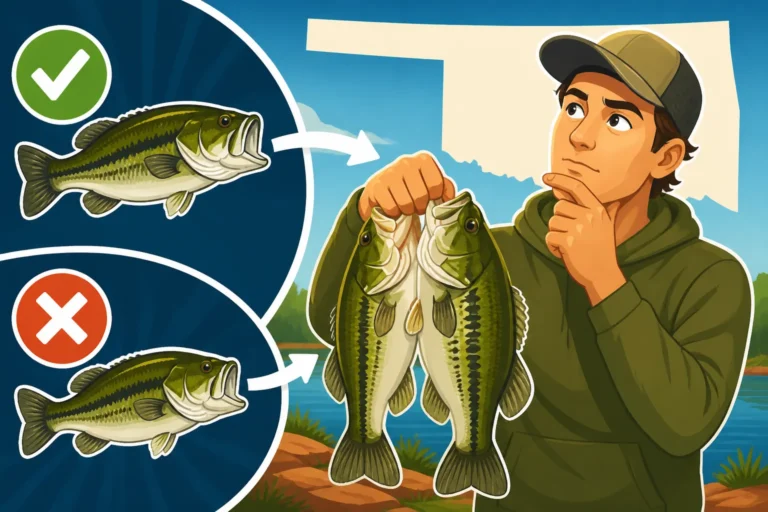
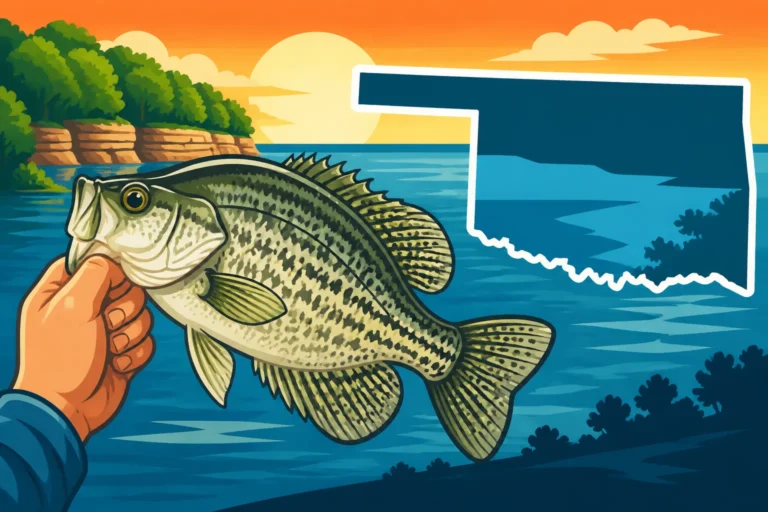
Here's the big one, the regulation that often catches anglers off guard: Grand Lake O' the Cherokees enforces a 10-inch minimum length limit on crappie. This means that any crappie you catch on Grand Lake must be at least 10 inches long from the tip of its snout to the end of its tail (with the tail compressed) to be legally kept. If you catch a crappie that's smaller than 10 inches, you are legally required to immediately release it back into the water, unharmed.
This 10-inch minimum isn't some arbitrary number; it's a carefully considered management tool designed to enhance the crappie fishery in Grand Lake. It allows the younger, smaller crappie a chance to grow, reach sexual maturity, and reproduce at least once, contributing to a more robust and self-sustaining population. For anglers, this ultimately means more opportunities to catch larger, healthier crappie in the long run. It's an investment in the future of the lake's fishing.
Bag Limit Modifications for Grand Lake
While Grand Lake implements a strict 10-inch minimum size limit for crappie, it does not alter the daily bag limit from the statewide standard. That means that despite the size restriction, anglers on Grand Lake are still allowed to keep a combined total of 37 crappie per day, provided each of those fish meets or exceeds the 10-inch minimum length.
This combination of a statewide bag limit with a lake-specific size limit can sometimes be confusing. You might think that a stricter size limit would come with a reduced bag limit, but that's not the case here. The goal isn't to necessarily reduce the total number of crappie harvested, but rather to influence the size structure of the harvested fish. So, yes, you can still fill a cooler with 37 crappie, but each one needs to be a respectable 10 inches or longer. Understanding how many crappie you can keep in Oklahoma generally, and then applying the Grand Lake size rule, is key.
How to Accurately Measure Your Crappie
Knowing you need to measure your crappie is one thing, but doing it correctly is another. Game wardens are very precise when they check your catch, so you need to be too. The official measurement for fish in Oklahoma is from the tip of the snout (mouth closed) to the very end of the tail, with the tail fin squeezed or compressed together to get the maximum length. This is crucial because a slightly fanned tail could make a 9.75-inch fish seem like it's 10 inches, leading to a potential violation.
It’s a good idea to have a reliable measuring device readily accessible on your boat or in your tackle box. Many anglers use adhesive rulers attached to their livewell lids or a specific fish measuring board. You can find a variety of durable, waterproof measuring tapes and bump boards on platforms like Amazon that are perfect for this purpose. Always measure carefully and, when in doubt, err on the side of caution and release the fish if it looks like it might be just under the limit. It’s better to be safe than sorry, and it helps ensure the fishery remains healthy.
The Conservation Purpose Behind Grand Lake's Unique Rules
It's natural to wonder why some lakes have different rules than others. These aren't just random impositions; they're scientifically backed decisions made by the Oklahoma Department of Wildlife Conservation (ODWC) to manage specific fisheries effectively. Grand Lake's crappie regulations are a prime example of targeted conservation efforts designed to benefit both the fish and the anglers who pursue them.
Protecting Juvenile Crappie Populations
The primary reason for Grand Lake's 10-inch minimum size limit is to protect the younger, juvenile crappie. In many lakes, crappie can grow and reproduce quickly, but they might not reach their full potential size if they're harvested too early. By requiring fish to be at least 10 inches, the ODWC ensures that a significant portion of the crappie population has the opportunity to spawn at least once, sometimes multiple times, before they're eligible for harvest.
This strategy helps maintain a strong breeding stock, which in turn leads to more successful spawns and a greater number of crappie entering the fishery each year. Without such a limit, anglers might predominantly harvest smaller fish, potentially depleting the future generations and leading to a decline in overall crappie size and abundance. It's a long-term vision for sustainable fishing.
Ensuring Quality Fishing Experiences
Beyond simply protecting juvenile fish, the 10-inch minimum size limit at Grand Lake is also about improving the quality of the angling experience. Let's be honest, most of us prefer catching larger, feistier crappie over tiny ones. By allowing fish to grow larger, the regulation increases the average size of crappie available to catch, making for more exciting fights and more substantial fillets for the dinner table.
This leads to a more satisfying experience for anglers, encouraging them to return to Grand Lake year after year. It's a win-win: the fish get to grow to a healthier size, and anglers get to enjoy a more rewarding fishing trip. This management strategy helps ensure that Grand Lake remains one of the premier crappie fishing destinations in Oklahoma, offering consistent opportunities for anglers looking for a good bite. You might also want to check out Best Crappie Fishing Spots on Grand Lake O' the Cherokees to maximize your chances of finding those legal-sized slabs.
Navigating Grand Lake Crappie Fishing Legally and Ethically
Fishing on Grand Lake for crappie is an absolute blast, but it comes with the responsibility of adhering to the rules and practicing ethical angling. It’s about more than just avoiding a fine; it’s about contributing to the health of a cherished resource and setting a good example for others. Let's explore some practical ways to ensure your trip is both successful and compliant.
Essential Gear for Responsible Crappie Fishing
Having the right gear isn't just about catching fish; it's also about fishing responsibly and legally. For crappie fishing on Grand Lake, a few items are non-negotiable. First and foremost, a reliable measuring device is essential. As mentioned, a bump board or an adhesive ruler attached to your boat or cooler ensures accurate measurements. You can find excellent options, including flexible, waterproof rulers, on Amazon, which are perfect for quickly verifying if your crappie meets that 10-inch minimum.
Secondly, if you plan on keeping your catch, a good livewell or a cooler with ice is crucial to keep your legal-sized crappie fresh. For those smaller, undersized fish that need to be released, having a pair of de-hookers or needle-nose pliers can help minimize harm during release. Many anglers also carry a small, portable scale, also readily available on Amazon, to weigh their larger catches before release, allowing them to record personal bests without having to keep the fish. For a deeper dive into what rods and reels to bring, check out our guide on the Best Tackle Setup for Oklahoma Crappie.
Best Practices for Catch and Release of Undersized Fish
When you're fishing a lake with a minimum size limit like Grand Lake, catch and release becomes a very important skill, especially for those undersized crappie. The goal is to release the fish in the best possible condition, giving it the highest chance of survival and growth. First, try to handle the fish as little as possible. If you can, remove the hook while the fish is still in the water or held gently just above the surface.
Avoid touching the fish's gills or eyes, and wet your hands before handling to protect its protective slime coat. If the hook is deeply set and can't be removed easily, it's often better to cut the line as close to the hook as possible rather than tearing sensitive tissue. Get the fish back into the water quickly and gently, allowing it to swim away on its own power. Practicing these techniques contributes directly to the success of the 10-inch size limit regulation and the overall health of the crappie population in Grand Lake.
Staying Informed About Regulation Changes
Fishery regulations are not set in stone; they can and do change. The Oklahoma Department of Wildlife Conservation regularly reviews and updates rules based on population studies, environmental factors, and angler feedback. What's true today for Grand Lake's crappie limits might be slightly different next year. Therefore, it is absolutely vital for any angler to stay informed.
Before every fishing season, or even before a specific trip if it's been a while, make it a habit to check the current Oklahoma Fishing Regulations Guide. This guide is available annually on the ODWC website and at license vendors. This small act of due diligence ensures you're always up-to-date and compliant, preventing any unintentional violations. It’s also important to remember that ignorance of the law is not an excuse. Familiarize yourself with the regulations, and your time on Grand Lake will be much more enjoyable and worry-free. For a broad overview of fishing requirements, you might want to look into Oklahoma Fishing License Requirements in Oklahoma.
Crappie Limits Comparison: Grand Lake vs. Statewide
To really clarify the differences, let's put it all in a table. This makes it easy to see how Grand Lake's crappie regulations stand out from the general statewide rules. This is a handy reference for quick understanding when you're planning your trip.
| Regulation Aspect | Statewide Oklahoma Crappie Limits | Grand Lake O' the Cherokees Crappie Limits |
|---|---|---|
| Daily Bag Limit | 37 fish (combined Black & White) | 37 fish (combined Black & White) |
| Minimum Size Limit | None | 10 inches |
| Primary Goal | Allow liberal harvest | Protect juveniles, improve average size |
This table clearly shows that while the number of crappie you can keep in a day is the same, the crucial difference lies in that 10-inch minimum size requirement for Grand Lake. It's the detail that makes all the difference when you're out on the water.
Final Thoughts on Grand Lake Crappie
Fishing for crappie on Grand Lake is an experience that many Oklahoma anglers cherish, and rightfully so. The lake offers fantastic opportunities to catch these tasty panfish, but it's essential to respect the specific regulations in place. The 10-inch minimum size limit is there for a good reason – to ensure that Grand Lake continues to be a vibrant and productive fishery for years to come.
By understanding these rules, carrying the right measuring tools, and practicing careful catch-and-release, you're doing your part to preserve this wonderful resource. So, grab your tackle, double-check those measurements, and head out to Grand Lake for some responsible and rewarding crappie fishing! Remember, part of the joy of fishing is respecting the environment and the regulations designed to protect it.
Disclaimer
Please note that fishing regulations can change. While this article provides the most accurate information available at the time of publication, it is always the angler's responsibility to consult the latest official Oklahoma Fishing Regulations Guide published by the Oklahoma Department of Wildlife Conservation (ODWC) before heading out to fish. This guide is for informational purposes only and should not be considered legal advice.