License and Limit Checklist Before an Oklahoma Fishing Trip
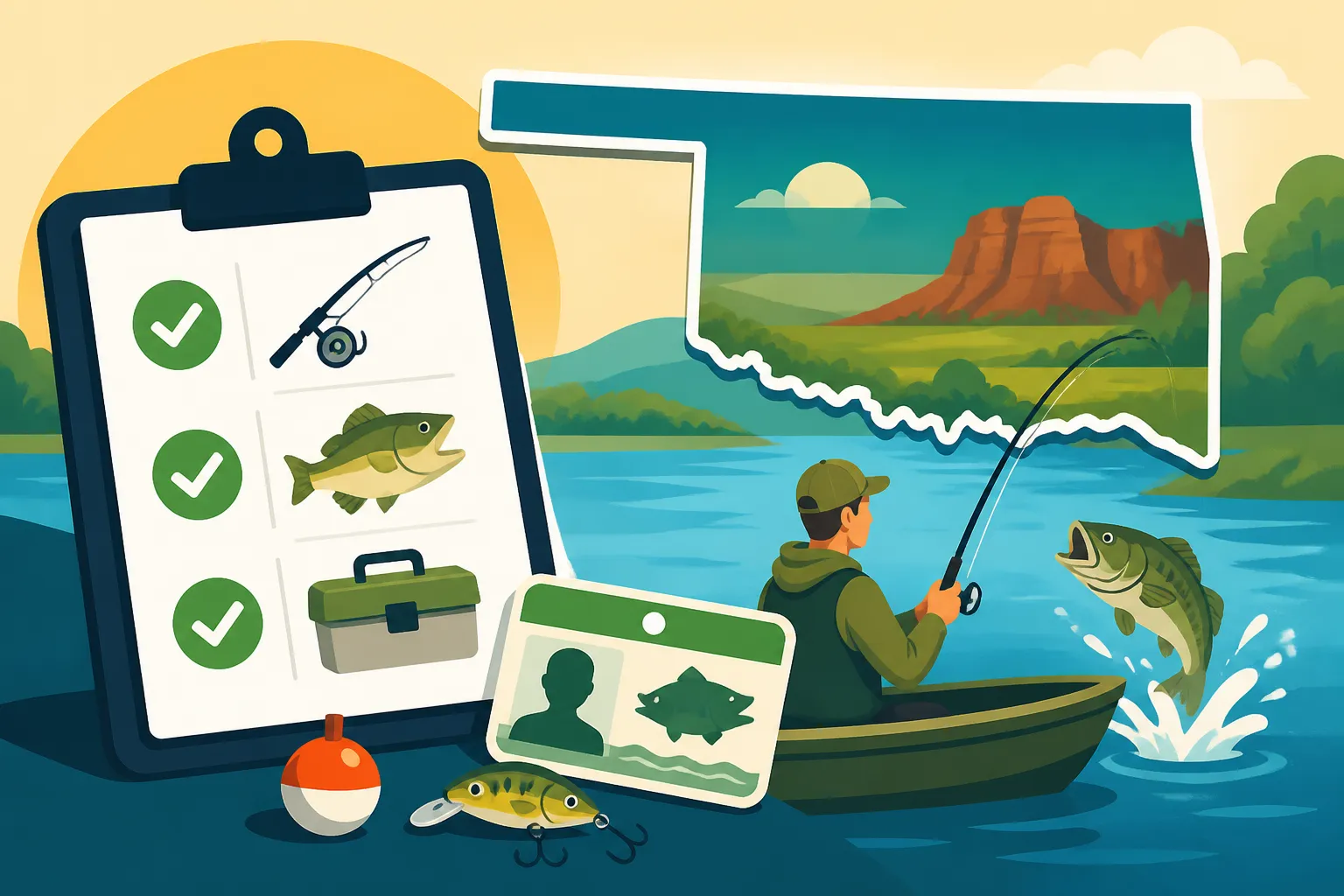
There's nothing quite like the excitement of planning an Oklahoma fishing trip – mapping out where you'll go, what you'll try to catch, and the peaceful anticipation of a day on the water. However, the dream can quickly turn into a headache if you haven't sorted out the crucial, and sometimes confusing, details about licenses and regulations. This guide will walk you through a clear, actionable checklist to ensure you're fully prepared, legal, and ready to enjoy your fishing adventure without any unwelcome surprises from a game warden.
Securing Your Oklahoma Fishing License
Before your line even hits the water, having the correct fishing license is absolutely non-negotiable. Oklahoma's licensing system, while designed to be straightforward, has nuances that can trip up even experienced anglers. Understanding what you need and how to get it is the first, most important step on your pre-trip checklist. Without it, you could face hefty fines and spoil an otherwise perfect day.
Determining Your License Needs
The type of fishing license you need primarily depends on your residency status and age. For residents, the most common choice is the annual license, offering a full year of fishing freedom. However, if you're only visiting for a short period or planning just one or two trips, a 1-day license might be more economical. Non-residents, naturally, face different fee structures, making the comparison between an Oklahoma Resident Annual Fishing License Cost and a Nonresident Annual Fishing License Cost in Oklahoma a critical consideration for budgeting your trip. It's not just about the money; it’s about making sure you’re covered for the duration you plan to fish. You’ll also need to consider if you plan on fishing for specific species that might require additional permits, though this is less common for general rod and reel fishing.
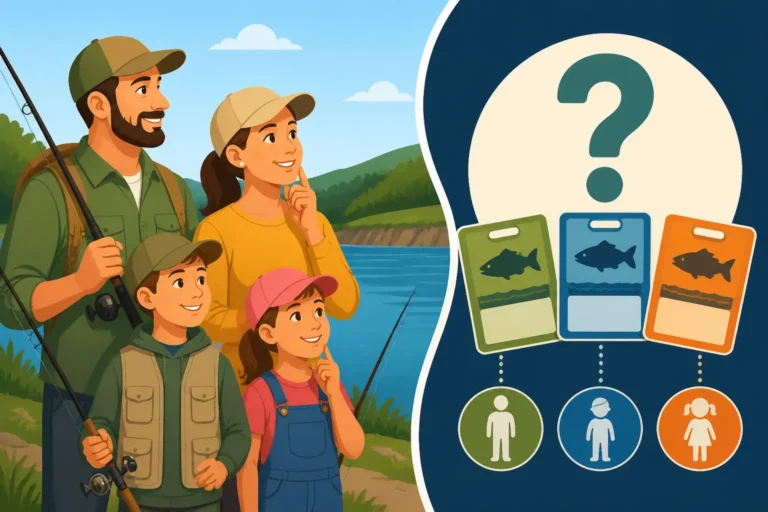
For our younger anglers, the question often comes up: Do Kids Need a Fishing License in Oklahoma?. Generally, Oklahoma residents under 16 and non-residents under 14 are exempt from needing a license, which is fantastic news for family outings. However, it's always wise to double-check the latest regulations as age limits can sometimes change. Seniors also have special provisions; Oklahoma offers a lifetime fishing license for residents 65 and older, a wonderful benefit for those who've dedicated years to enjoying the state's waters. It really pays to understand these specifics because assuming you're covered when you're not is a mistake you don't want to make.
How and Where to Purchase Your License
Once you've figured out what license you need, the next step is how to get it. The good news is, Oklahoma has made the process incredibly convenient. You have several options, ensuring you can acquire your license well before your trip or even on the way to the lake. The most popular method by far for many anglers is purchasing online. The Oklahoma Department of Wildlife Conservation (ODWC) website is user-friendly, allowing you to buy your license from the comfort of your home. You can then print it out or keep a digital copy on your phone, making it easily accessible for a game warden if requested. This method is often the quickest way to get everything squared away.
Beyond online purchases, there are numerous authorized license vendors scattered throughout the state. Think local sporting goods stores, bait and tackle shops, and even some convenience stores. These brick-and-mortar locations are perfect if you prefer a physical license in hand immediately or if you have questions that a real person can answer. For a comprehensive list of places, you can often find information on Where to Buy a Fishing License in Oklahoma directly from the ODWC. While you can’t buy your license on Amazon, you can certainly stock up on lures, tackle boxes, or even fishing hats there while planning your trip, and then swing by a local vendor for your official paperwork. Regardless of where you choose to purchase, always make sure to keep your license accessible while fishing – typically on your person or easily retrieved from your tackle box.
Navigating Oklahoma's Fishing Limits and Regulations
Having your license in hand is a fantastic start, but it’s only half the battle. Oklahoma, like every state, has specific rules about what you can catch, how many you can keep, and how big they need to be. These are known as bag limits and size limits, and they're in place to ensure healthy fish populations for generations to come. Ignoring these regulations can lead to just as much trouble as fishing without a license, so a thorough understanding is key.
Understanding Statewide Bag and Size Limits
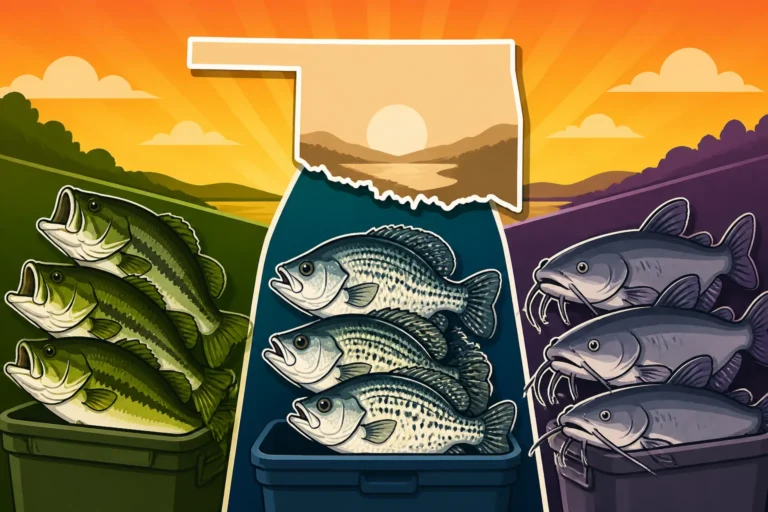
Oklahoma's fishing regulations include general statewide limits that apply to most public waters for various species. These limits dictate the maximum number of fish of a certain species you can keep in a single day and, for some species, a minimum (or sometimes maximum) length. For example, for black bass (largemouth, smallmouth, and spotted bass combined), the statewide daily aggregate bag limit is six fish, with specific nuances like the "one over 16 inches" rule for largemouth and smallmouth bass in certain areas. This means you can keep several smaller bass, but only one large one. Failing to adhere to this could mean a citation, even if you’ve technically only caught six fish. You can dive deeper into these specifics by checking out articles like Oklahoma Statewide Bass Bag Limit Explained.
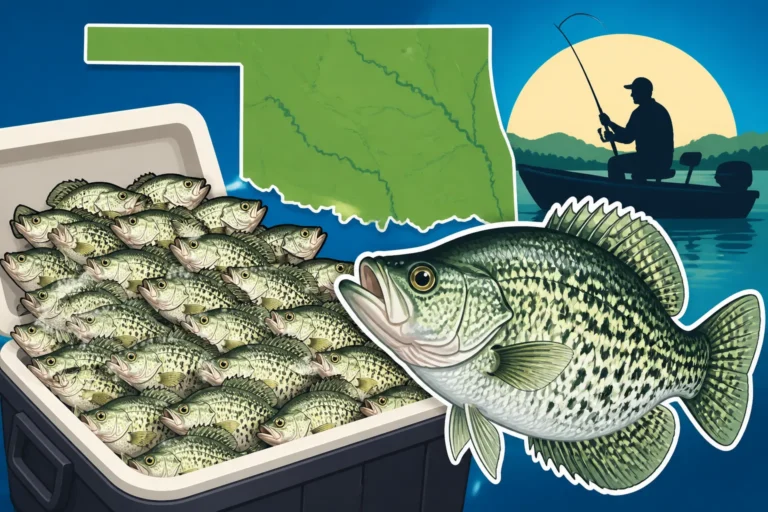
Similarly, panfish like crappie and catfish also have their own statewide regulations. For crappie, both black and white crappie usually count towards an aggregate daily limit, which for many waters is 37 fish. Catfish, including blue, channel, and flathead, often have a combined daily limit, although blue catfish might have special size restrictions (like only one over 30 inches) in some lakes. Knowing these numbers is vital, and it’s always better to be conservative if you’re unsure. Before your trip, make it a point to review the Oklahoma Statewide Crappie Bag Limit and the Oklahoma Forked-Tail Catfish Bag Limit to ensure you're compliant with the latest rules. Many anglers find it helpful to download the official ODWC regulations guide to their phone or even print out the relevant pages; you might even find some excellent fishing guides or regulation summary books on Amazon that can be a handy physical reference on your trip.
Lake-Specific and Special Regulations
Now, here’s where things can get a little tricky. While statewide limits cover most waters, many of Oklahoma’s most popular fishing lakes and rivers have special regulations that supersede the general rules. These special regulations are often implemented to manage specific fisheries, protect trophy fish, or address unique ecological conditions in that particular body of water. For example, several lakes across Oklahoma have stricter crappie size limits, requiring crappie to be at least 10 inches long before you can keep them, or they might have reduced daily bag limits. This is why just knowing the statewide rules isn't enough; you absolutely must check the specific regulations for the lake or river you plan to fish.
These special rules are usually listed in the official Oklahoma Fishing Guide, often under a specific lake's section. Imagine planning a trip to Tenkiller Ferry Lake, excited to fill your cooler with crappie, only to discover there's a 10-inch minimum size limit you weren't aware of. This scenario is all too common and easily avoidable with a bit of homework. Special regulations aren’t limited to size and bag limits either; they can include restrictions on certain types of bait, fishing methods, or even specific areas that are off-limits at certain times of the year. Always consult the official ODWC regulations for your chosen destination. Checking online forums or even Amazon reviews for popular fishing tackle for a particular lake can give you insights into local practices, but always defer to the official regulations for accuracy.
Here’s a quick overview of some common game fish limits to give you a head start, but remember, always verify with the official ODWC regulations for your specific fishing location before you go:
| Species (Combined) | Statewide Daily Bag Limit | Statewide Size Limit (Minimum) | Notes |
|---|---|---|---|
| Black Bass (Largemouth, Smallmouth, Spotted) | 6 | 14 inches (often, varies by water) | One over 16 inches for Largemouth/Smallmouth on many waters. |
| Crappie (Black, White) | 37 | No statewide minimum | Many lakes have 10-inch minimums and/or reduced bag limits. |
| Catfish (Blue, Channel) | 15 | No statewide minimum | Only one Blue Catfish over 30 inches allowed. Flatheads 10 daily. |
| Walleye/Sauger/Saugeye | 5 | 18 inches (Walleye/Saugeye) | 10 inches (Sauger) |
| Striped Bass (inland) | 5 | 20 inches | Lake Texoma has different rules (10 daily, only 2 over 20 inches). |
This table provides general information and does not replace official ODWC regulations.
The Ultimate Pre-Trip Fishing Checklist
With licenses sorted and regulations reviewed, it's time to pull together all the other essentials for a successful and enjoyable Oklahoma fishing trip. A comprehensive checklist helps prevent those frustrating moments when you realize you've left something crucial behind. From practical gear to safety precautions, being prepared ensures your focus remains on catching fish, not fixing problems.
Essential Gear and Tackle Check
Before you even think about leaving the driveway, run through your gear. This isn't just about grabbing your favorite rod; it's about ensuring everything is in working order and suitable for the species you're targeting. First, check your rods and reels. Are they properly spooled with fresh line? Are the guides on your rod free of cracks, and does your reel turn smoothly? For bass fishing, you might opt for a medium-heavy rod and a baitcasting reel, while crappie might call for a lighter action rod and a spinning reel. Having the right setup for the job makes a huge difference. If you're looking for new gear or need to replace something, checking out the latest offerings on Amazon before your trip can save you time.
Next up, your tackle box. This is where many anglers get overwhelmed. Do you have the right lures and baits for the fish you're after? Are your hooks sharp? Have you replaced any rusty weights or old plastic baits? For bass, this might mean a selection of crankbaits, jigs, and soft plastics. For catfish, you'll need plenty of stink bait, cut bait, or worms, along with heavy sinkers and sturdy hooks. Don't forget your fishing pliers, line cutters, and a net – these are often overlooked but incredibly useful tools. Lastly, consider the weather. Pack appropriate clothing, including rain gear, a hat for sun protection, and polarized sunglasses to help you see into the water. A good quality cooler with plenty of ice is also essential if you plan to keep your catch.
Safety and Comfort on the Water
Fishing should be a relaxing and enjoyable experience, but safety should always be a top priority. No matter how calm the water looks, things can change quickly. If you're fishing from a boat, ensure you have all required safety equipment, including properly fitting life jackets for everyone on board. Children 12 and under are required to wear a life jacket while on a boat in Oklahoma. Beyond that, a first-aid kit, a fully charged cell phone (in a waterproof case!), and a flashlight or headlamp are must-haves. Even if you're just bank fishing, letting someone know where you're going and when you expect to return is a smart practice.
Comfort items can dramatically improve your fishing experience, especially on longer trips. A comfortable chair if you're bank fishing, plenty of water to stay hydrated, and snacks are all small details that add up to a much better day. Sunscreen and insect repellent are also vital, particularly during the warmer months when Oklahoma's sun and bugs can be relentless. Remember, the goal is to enjoy the entire outing, not just the moments you're reeling in a fish. Thinking about these creature comforts ahead of time means less distraction and more focus on the peaceful enjoyment of your time outdoors.
Pre-Trip Knowledge Refresh
Before you head out, take a few minutes to refresh your memory on a few critical points. Beyond the specific Fishing Regulations You Need to Know in Oklahoma, it’s helpful to understand a bit about the fish species you’re targeting. Knowing their typical habitats, feeding patterns, and preferred baits can give you a significant advantage. For example, understanding the seasonal movements of crappie or the best times to target catfish can turn a slow day into a successful one.
Also, consider checking local fishing reports or online forums for recent activity in your chosen body of water. Has there been a recent cold front? Is the water level rising or falling? These environmental factors can heavily influence fish behavior. The ODWC website often has weekly fishing reports, and many local bait shops are excellent sources of up-to-date information. Taking a moment for this final knowledge refresh can equip you with the insights needed to adapt your techniques and make the most of your time on the water. It’s the difference between blindly casting and making informed decisions that lead to more bites.
Final Thoughts Before You Cast Off
Getting ready for an Oklahoma fishing trip involves more than just grabbing your rod and reel. It requires a bit of homework, a mindful approach to regulations, and a solid plan for safety and comfort. By meticulously checking your license, understanding the nuances of statewide and lake-specific limits, and ensuring all your gear and safety measures are in place, you set yourself up for not just a legal trip, but a truly enjoyable and memorable one. Every minute spent on this checklist is an investment in a stress-free fishing experience.
So take a deep breath, double-check that list, and get ready to create some fantastic memories on Oklahoma's beautiful waters. The peace of the lake, the thrill of the bite, and the satisfaction of a well-earned catch await you. Tight lines!
Disclaimer
This guide is intended for informational purposes only and should not be considered legal advice. Fishing regulations in Oklahoma can change, and it is always the angler's responsibility to consult the most current official Oklahoma Department of Wildlife Conservation (ODWC) regulations before engaging in any fishing activity. The author and publisher are not responsible for any violations or consequences resulting from the use of this information.