Lake Arbuckle Fishing Guide, Oklahoma
Lake Arbuckle often feels like a well-kept secret among Oklahoma anglers, a place spoken of in hushed tones for its incredible beauty and challenging, yet rewarding, fishing. Many folks hear about its crystal-clear water and impressive fish populations but feel intimidated by its unique rules and the effort it takes to really dial in the bite. It’s frustrating to drive all the way down to south-central Oklahoma, hoping for a banner day, only to realize you’re not quite sure where to start or what techniques to use. This comprehensive guide is designed to cut through that confusion, equipping you with everything you need to confidently tackle Lake Arbuckle, from understanding its distinct crappie limits to finding the best spots for bass and catfish, ensuring your next trip is not just good, but truly memorable.
Lake Arbuckle at a Glance: Why It's Unique
Lake Arbuckle isn't just another reservoir in Oklahoma; it's a gem nestled in the Arbuckle Mountains, known for its deep, clear water and rugged, scenic beauty. Unlike many of our state's more turbid lakes, Arbuckle boasts exceptional water clarity, often reaching depths of 10 to 20 feet of visibility. This distinct characteristic significantly influences fish behavior and, consequently, the most effective fishing techniques. Anglers who usually fish murkier waters will find themselves needing to adapt their approach, from lure colors to presentation styles, to succeed in Arbuckle's pristine environment.
Location and Accessibility
Situated near Sulphur, Oklahoma, Lake Arbuckle is a federal lake managed by the National Park Service as part of the Chickasaw National Recreation Area. This management contributes to its preserved natural state and the generally quiet, serene atmosphere you'll experience. Getting there is straightforward enough, typically involving a drive down I-35 and then heading east. The lake itself is about 2,300 surface acres, which isn't massive compared to giants like Lake Eufaula or Lake Texoma, but its diverse structure and depth variations offer plenty of ground to cover. Access points are well-maintained, with several public boat ramps available for easy launching, and designated areas for bank fishing. For those traveling a bit of a distance, the surrounding area has options for lodging, from cabins to motels, making it feasible to plan an extended stay and really get to know the lake.
Distinctive Features and Water Clarity
The most striking feature of Lake Arbuckle is, without a doubt, its water clarity. This isn't just a pretty visual; it's a game-changer for fishing. In clear water, fish rely more on sight and are often warier of lines, lures, and even shadows from your boat. This means you’ll typically need to use lighter line, more natural bait presentations, and often target fish in deeper water or during low-light conditions. The lake's clear, spring-fed nature is a result of the unique geology of the Arbuckle Mountains, which filters runoff effectively.
Beyond clarity, Arbuckle is also characterized by its significant rock structures, including ledges, bluffs, and submerged humps. There's less standing timber here compared to other Oklahoma lakes, but the rocky contours provide ample cover and ambush points for predatory fish. Drop-offs can be steep, quickly going from shallow rocky flats to 40 or 50 feet deep, sometimes more. This varied structure means you can find fish at different depths and in different types of cover, depending on the season and time of day. Understanding these unique features is the first step to unlocking Lake Arbuckle's potential.
Crappie Fishing at Lake Arbuckle: Special Rules and Techniques
Crappie fishing at Lake Arbuckle is incredibly popular, and for good reason—the lake holds a healthy population of both black and white crappie. However, if you're accustomed to statewide crappie regulations, you'll need to pay close attention, because Arbuckle has a very specific rule that sets it apart. Ignoring this rule can quickly turn a fantastic day of fishing into a legal headache. This is where local knowledge truly makes a difference.
Understanding the 10-Inch Crappie Minimum
Unlike the statewide 10-inch minimum length limit for crappie, Lake Arbuckle has its own unique regulation: a 10-inch minimum length limit and a daily bag limit of 15 crappie. This is stricter than the general statewide rule, which typically allows for a 37-fish bag limit with the same 10-inch minimum in most waters. The reason for this localized limit is generally rooted in fishery management strategies aimed at promoting healthier crappie populations and larger fish sizes in specific lakes. For Arbuckle, it's about ensuring sustainable fishing and improving the quality of the crappie fishery.
So, what does this mean for you? It means every crappie you pull out of the water needs to be measured carefully. Any fish under 10 inches must be immediately released unharmed. It also means your cooler can only hold 15 legal crappie per person per day. It’s absolutely crucial to familiarize yourself with Arbuckle Lake Crappie Rules in Oklahoma before you even cast a line. This regulation is strictly enforced by game wardens, and ignorance is no excuse. Always keep a measuring device handy, whether it's a bump board or a stick-on ruler on your boat. Remember, this specific rule is one of the reasons Arbuckle is often mentioned alongside other specific lakes in Oklahoma, like Tenkiller or Fort Gibson, which also have localized crappie regulations. For a broader understanding of statewide rules, check out our guide on Crappie Fishing Rules and Limits in Oklahoma.
Best Times and Methods for Crappie
Crappie at Lake Arbuckle, like most places, follow seasonal patterns, but the clear water adds an extra layer to the puzzle.
Spring (Pre-spawn and Spawn): This is arguably the most popular time for crappie fishing. As water temperatures climb into the 50s and 60s, crappie move into shallower coves and along rocky points to spawn. Look for them in 3-10 feet of water, often near submerged brush piles or rocky ledges. Small jigs (1/16 to 1/8 ounce) in natural colors like chartreuse, white, or black/blue, tipped with a minnow or fished solo, are highly effective. You can also try spider rigging multiple rods with minnows under bobbers. The key here is stealth; a quiet approach and subtle presentations are often rewarded in the clear water.
Summer: Once the spawn is over and water temperatures rise, crappie retreat to deeper, cooler water. They'll often suspend over creek channels, around deep timber (what little there is), or along sharp drop-offs. This is when electronics become your best friend. Look for schools of baitfish and crappie holding at depths of 15-30 feet. Vertical jigging or trolling with small crankbaits can be productive. Night fishing under lights can also be excellent, as crappie are drawn to the light, which attracts baitfish.
Fall: As water temperatures begin to drop in the fall, crappie become more active and start feeding aggressively. They'll move back into shallower areas, especially along rocky banks and points, chasing baitfish. This can be a fantastic time for both jigging and using minnows. Target areas where baitfish are abundant, often indicated by bird activity or schooling fish on your sonar.
Winter: While challenging, winter crappie fishing can yield some of the largest fish. Crappie will often congregate in deep water, typically near significant structure like main lake points, submerged humps, or the deepest parts of creek channels. Slow presentations are key. Try slow vertical jigging with small jigs or dead sticking minnows. Focus on depths of 25-45 feet, and be patient; bites can be very subtle.
For any season, using a sensitive rod and light line (4-6 lb test fluorocarbon or monofilament) will significantly increase your success rate in Arbuckle's clear waters.
| Lake Arbuckle Crappie Limits | Statewide Oklahoma Crappie Limits (Most Waters) |
|---|---|
| 15 fish daily bag limit | 37 fish daily bag limit |
| 10-inch minimum length limit | 10-inch minimum length limit |
| Strictly enforced | Check local regulations for specific lakes |
Targeting Bass in Arbuckle's Clear Waters
Lake Arbuckle is a fantastic destination for bass anglers, boasting healthy populations of largemouth, smallmouth, and spotted bass. The clear water here means these fish often behave differently than their counterparts in murkier reservoirs. They're more visually oriented, spook easily, and tend to relate tightly to cover or structure. Adapting your bass fishing techniques to these conditions is paramount to a successful day on the water.
Largemouth and Smallmouth Strategies
Largemouth Bass: While Arbuckle's clear waters might seem like smallmouth territory, there's a thriving largemouth population, particularly in areas with more vegetation, laydowns, or shaded rocky banks. In clear water, largemouth tend to be found deeper or tighter to cover during bright daylight hours.
- Early Morning/Late Evening: Topwater baits like poppers, walking baits, or buzzbaits can be deadly along rocky points, coves, and areas with submerged timber. The low light gives them confidence to feed aggressively closer to the surface.
- Daytime: As the sun climbs, switch to deeper presentations. Texas-rigged or Carolina-rigged soft plastics (worms, lizards, creature baits) in natural colors (green pumpkin, watermelon seed) are excellent for working rocky ledges, brush piles, and gradual sloping points. Jig-and-pig combinations are also very effective around heavier cover. Don't be afraid to fish slowly and thoroughly, dissecting every piece of structure.
- Technique Tip: Due to the clear water, using fluorocarbon line (8-15 lb test) is highly recommended for its low visibility and sensitivity. Longer casts can also help avoid spooking wary fish.
Smallmouth Bass: Arbuckle is one of Oklahoma's premier smallmouth fisheries, and these bronzebacks absolutely thrive in the lake's rocky, clear-water environment. They love rocky points, bluff walls, gravel flats, and main lake humps.
- Lure Choices: Smallmouth are aggressive and will often strike a variety of baits. Crankbaits that mimic crawfish or shad, jerkbaits, spinnerbaits (especially those with willow leaf blades for clear water), and tubes or grubs fished on jig heads are all excellent choices. For topwater action, small poppers or walking baits can trigger explosive strikes.
- Areas to Target: Focus your efforts on the main lake and larger coves, particularly where there are steep rock walls, gravel bars, and current (if present near inflows or dam outflows). Smallmouth often school up, so if you catch one, there are likely more around.
- Seasonal Movement: Smallmouth will move shallower to spawn in the spring, much like largemouth, but often prefer hard bottom areas like gravel flats. In summer, they'll move to deeper rock piles and humps. Fall can be a fantastic time as they aggressively feed before winter, making them easier to locate on structure. For more on general bass rules, check out Oklahoma's Bass Fishing Rules and Limits. And for details on keeping your catch, our guide on Oklahoma Statewide Bass Bag Limit Explained is essential.
Seasonal Bass Patterns
Understanding the annual migration and feeding patterns of bass is crucial for consistent success on Lake Arbuckle.
Spring (March-May): This is prime time for bass fishing as they transition from wintering holes to shallower spawning areas. The pre-spawn period sees bass feeding heavily to build energy, often found on secondary points and creek channel bends leading into coves. Lipless crankbaits, jerkbaits, and spinnerbaits excel. As the water warms and the spawn begins, bass will be on beds in protected coves. Target these with soft plastics, jigs, and small swimbaits. Post-spawn, they'll typically move to deeper cover, often suspending near drop-offs.
Summer (June-August): The heat of summer pushes bass deeper, usually to areas with cooler water, shade, and access to baitfish. Look for them on main lake points, humps, ledges, and deep brush piles, sometimes as deep as 20-30 feet. Early mornings and late evenings offer opportunities for topwater action in shallower water, but during the day, focus on deep-diving crankbaits, Texas rigs, Carolina rigs, and large jigs. Night fishing can also be incredibly productive for summer bass on Arbuckle.
Fall (September-November): As water temperatures cool, bass become very active, chasing baitfish in preparation for winter. This "fall feeding frenzy" is a favorite time for many anglers. Bass will move up shallower, especially in the mornings and evenings, often schooling and busting bait on the surface. Crankbaits, spinnerbaits, jerkbaits, and swimbaits are all excellent choices. Focus on main lake points, creek channel bends, and areas where baitfish are abundant.
Winter (December-February): Winter fishing can be tough but rewarding for patient anglers. Bass will typically hold in deep water, often congregating in large schools near main lake channels, bluff walls, and deep rock piles. Slow presentations are key. Try vertical jigging with spoons, blade baits, or slow-dragging jigs and shaky heads along the bottom. The bites can be extremely subtle, so a sensitive rod and line are vital.
For any season, scouting out promising areas using good electronics to identify depth changes, rock structures, and baitfish schools will greatly increase your odds. Remember, the clear water makes fish more skittish, so a stealthy approach and long casts are almost always beneficial.
Catfish and Other Species: Beyond the Panfish and Bass
While crappie and bass often steal the spotlight at Lake Arbuckle, this diverse fishery offers excellent opportunities for other species, notably catfish. The lake's clear, deep waters and rocky structures provide a perfect habitat for several types of catfish, making it a great destination for anglers looking for a different kind of fight or some delicious table fare. Beyond catfish, you might also encounter some less common but equally exciting catches.
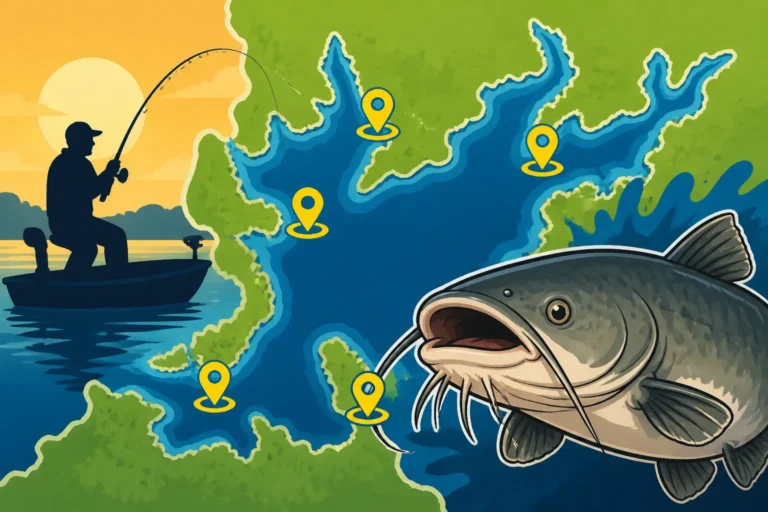
Channel and Blue Catfish Tactics
Lake Arbuckle is home to both channel catfish and blue catfish, and both can grow to impressive sizes here. Flathead catfish are also present, though typically less abundant than their channel and blue cousins. The clear water changes things up a bit for catfishing compared to the muddy rivers many catmen are used to, but the basic principles of finding and presenting bait remain effective.
Channel Catfish: These are arguably the most common catfish species in Arbuckle and are known for their strong fight and excellent taste. They are often found in warmer, shallower areas of the lake, particularly in coves and along the edges of flats, especially when the water temperature rises.
- Bait: Channel cats are not picky eaters. Stink baits, punch baits, cut shad, chicken liver, and nightcrawlers are all highly effective.
- Technique: Bank fishing is a great way to target channel cats. Look for rocky shorelines or sandy points, casting your bait onto the bottom with a slip-sinker rig. From a boat, anchor near creek channel edges or submerged brush piles in 10-20 feet of water. Early mornings, evenings, and night are often the most productive times.
Blue Catfish: Known for their potential to grow into true monsters, blue catfish prefer deeper, more open water, often congregating in large schools. Arbuckle's deep channels and ledges are ideal blue cat habitat.
- Bait: Fresh cut bait is king for blue cats. Shad, carp, and even sunfish cut into strips or chunks work wonderfully. Live perch or shad can also entice bigger blues.
- Technique: Target the main lake channels, deep points, and bluff ends, especially where you see baitfish on your sonar. Drifting with cut bait on a Carolina rig or anchored fishing in deep holes (20-50+ feet) can yield impressive results. Heavy tackle is a must for these hard-fighting fish. Consider visiting our guide on Oklahoma Forked-Tail Catfish Bag Limit to understand the specific rules for keeping these larger species. Remember, only one blue catfish over 30 inches can be kept per day.
Flathead Catfish: While less targeted by general anglers, flatheads are present and offer a unique challenge. They prefer live bait and often hide near submerged timber, rock piles, or undercut banks. Live perch or sunfish are your best bet. Night fishing is generally most productive for flatheads.
Exploring Sunfish and Walleye
Lake Arbuckle isn't just about the big game fish; it also offers fantastic opportunities for smaller species, perfect for a relaxed day or introducing kids to fishing.
Sunfish (Bluegill, Green Sunfish, Redear Sunfish): Arbuckle has a healthy population of panfish, including various sunfish species. These are generally easy to catch and provide consistent action, making them perfect for family outings or a casual afternoon.
- Where to Find Them: Look for sunfish around docks, fallen trees, brush piles, and shallow rocky areas in coves. They often congregate in schools, so where you find one, you'll likely find more.
- Bait and Tackle: Simple ultralight tackle with a small hook, a bobber, and a piece of worm, crickets, or small artificial jigs will do the trick. They are eager biters and a lot of fun on light gear. Family-Friendly Fishing Spots at Lake Arbuckle, Oklahoma are often great for targeting these.
Walleye: While not as prominent as some other species, walleye are present in Lake Arbuckle, offering an exciting challenge for those who know how to target them. Walleye are known for their excellent table fare and elusive nature.
- Where to Find Them: Walleye prefer clear, cool water and tend to inhabit deeper areas around rocky points, submerged humps, and along the main lake channel, especially near the dam. They are often most active during low-light conditions (dawn, dusk, or cloudy days) and at night.
- Bait and Lures: Trolling with deep-diving crankbaits that imitate shad or perch can be effective. Jigging with bucktail jigs or plastic grubs tipped with a minnow or a piece of nightcrawler also works well when targeting specific structures. Vertical jigging spoons can also produce bites in deeper water. Finding walleye often requires patience and good sonar to locate their preferred habitats and schools of baitfish.
Regardless of your target species, Lake Arbuckle provides a diverse and rewarding fishing experience. Don't limit yourself; explore what this unique Oklahoma lake has to offer!
Essential Gear and Boat Access for Lake Arbuckle
Heading out to Lake Arbuckle means being prepared, not just with the right fishing techniques, but with the right gear and knowledge of how to access the water. The clear water and rocky terrain dictate some specific choices when it comes to rods, reels, and lures. And knowing your options for getting on the lake, whether by boat or from the bank, is crucial for a stress-free trip.
Recommended Rods, Reels, and Lures
Because of Arbuckle’s clear water, finesse often wins the day, but you still need power for larger bass and catfish.
Rods & Reels:
- For Crappie and Panfish: An ultralight or light action spinning rod (5' to 7' long) paired with a small spinning reel (1000-2000 series) spooled with 4-6 lb test monofilament or fluorocarbon line is ideal. This setup provides the sensitivity needed to detect subtle bites and the finesse for light jigs and small minnows.
- For Bass (Largemouth & Smallmouth): A versatile medium-heavy action casting or spinning rod (6'6" to 7'3") is a good starting point. Pair it with a baitcasting reel for jigs, Texas rigs, and crankbaits (10-17 lb fluorocarbon) or a 2500-3000 series spinning reel for lighter presentations like shaky heads or drop shots (8-12 lb fluorocarbon). The clear water mandates low-visibility line, so fluorocarbon is a strong preference here.
- For Catfish: A medium-heavy to heavy action spinning or casting rod (7' to 9') with a sturdy reel (4000-6000 series spinning or a robust baitcaster) spooled with 15-30 lb monofilament or braided line is necessary. You'll need the backbone to handle big blue and channel cats.
Lures:
- Crappie: Small (1/16 oz to 1/8 oz) soft plastic jigs in natural colors (chartreuse, white, black/blue, pearl) are staples. Tipping them with live minnows is often the most effective presentation. Tiny crankbaits can also work, especially when trolling.
- Bass:
- Soft Plastics: Green pumpkin, watermelon, and darker colors are excellent for Texas rigs, Carolina rigs, shaky heads, and Ned rigs. Worms, creature baits, and senkos are top choices.
- Jigs: Flipping jigs and football jigs in green pumpkin, black and blue, or brown work well on rocky structure and brush.
- Hard Baits: Deep-diving crankbaits (shad or crawfish patterns), jerkbaits (silver, white, or natural baitfish colors), and topwater lures (poppers, walking baits, buzzbaits) for low-light conditions.
- Spinnerbaits/Chatterbaits: White, chartreuse, or natural baitfish patterns for covering water.
- Catfish: Live minnows, shad, perch (live or cut), chicken liver, and prepared stink baits are all reliable. Large chunks of cut carp or shad are best for trophy blue cats.
Remember, the clear water sometimes requires downsizing your lures and using more subtle colors and presentations than you might in other lakes.
Boat Ramps and Bank Fishing Opportunities
Getting your boat on the water or finding a good spot to fish from shore is relatively easy at Lake Arbuckle.
Boat Ramps: There are several well-maintained public boat ramps scattered around the lake, making access convenient no matter which part of the lake you plan to fish.
- Buckhorn Boat Ramp: This is a popular and easily accessible ramp, offering good access to the central part of the lake. It's usually a busy spot, especially on weekends.
- The Point Boat Ramp: Located on the western side of the lake, The Point offers access to areas known for bass and crappie.
- Guy Sandy Boat Ramp: Situated on the eastern arm, Guy Sandy provides access to different coves and points.
These ramps are typically concrete and well-maintained, accommodating most trailerable boats. Always check current water levels before heading out, as they can fluctuate and affect ramp usability. For a more detailed look, our guide on Best Boat Ramps on Lake Arbuckle, Oklahoma can provide further specifics.
Bank Fishing: For those without a boat, Lake Arbuckle still offers plenty of opportunities to catch fish from shore. The diverse shoreline, with its rocky banks, small coves, and accessible points, makes bank fishing enjoyable and productive.
- Designated Areas: Within the Chickasaw National Recreation Area, there are several areas specifically designated for bank fishing, often with easy parking and relatively clear access to the water's edge.
- Target Species: Bank anglers can expect to catch a variety of species, including crappie, channel catfish, and sunfish. Bass can also be caught from the bank, especially during the spring and fall when they move shallower.
- Tips for Success: Focus on areas with visible structure like fallen trees, rock piles, or abrupt depth changes. Using a simple slip-sinker rig for catfish or a bobber setup for crappie and sunfish with live bait will often yield results. Early morning and late evening are often the most productive times for bank anglers, as fish are more likely to move closer to shore during low light. Our resource on Bank Fishing Access on Lake Arbuckle has more details for those looking to fish from shore.
Planning Your Trip to Lake Arbuckle: Local Insights
A successful fishing trip to Lake Arbuckle involves more than just knowing where the fish are; it’s about understanding the entire experience, from where you'll stay to who can help you make the most of your time on the water. Given its somewhat remote yet scenic location within the Chickasaw National Recreation Area, a little extra planning goes a long way.
Nearby Amenities and Accommodations
While Lake Arbuckle offers a serene, natural escape, you're not entirely isolated. The nearby town of Sulphur, Oklahoma, serves as the primary hub for amenities and services, typically just a short drive from most parts of the lake.
- Lodging: Sulphur offers a range of accommodation options, including comfortable motels and hotels. For those looking for a more immersive experience, there are often cabins and vacation rentals available closer to the lake or within the broader Chickasaw National Recreation Area. Camping is also a popular choice, with several well-maintained campgrounds offering sites for RVs and tents, some with hookups and lake access. Staying at a campground can be a fantastic way to extend your fishing adventure.
- Supplies: You'll find grocery stores, bait shops, and gas stations in Sulphur. It's always a good idea to stock up on all your fishing essentials, snacks, and drinks before heading to the lake, especially if you plan to spend the entire day on the water. Local bait shops are often a treasure trove of current fishing information, so don't hesitate to stop in and ask about recent patterns or hot baits.
- Dining: Sulphur also has a selection of restaurants, from casual diners to local favorites, where you can grab a meal after a long day of fishing. This means you don't have to worry about cooking every night if you're staying for an extended period.
Remember that Fishing License Requirements in Oklahoma apply, so make sure your license is current before you head out. You can usually pick one up at local sporting goods stores or obtain it online.
Hiring a Guide for a Better Experience
For anglers who want to maximize their time on Lake Arbuckle, especially those visiting for the first time or wanting to learn the nuances of its clear-water fishery, hiring a professional fishing guide can be an invaluable investment. A good guide doesn't just put you on fish; they teach you how to fish this specific lake.
- Local Expertise: A professional guide lives and breathes Lake Arbuckle. They have an intimate knowledge of the lake's ever-changing patterns, specific hot spots, effective techniques for different species, and how to adapt to the unique clear-water conditions. They know where the Best Crappie Fishing Spots on Lake Arbuckle, Oklahoma are, and similarly, the Best Bass Spots on Lake Arbuckle. This insider knowledge can save you days of trial and error.
- Gear and Equipment: Guides typically provide all the necessary fishing gear, including rods, reels, and a vast selection of baits and lures proven to work on Arbuckle. This means you don't have to worry about bringing your own specialized equipment or guessing which lures to buy. They'll also have a comfortable boat equipped with advanced electronics, giving you a distinct advantage.
- Learning Opportunity: Beyond catching fish, a guided trip is a fantastic learning experience. Guides are usually more than happy to share tips on reading sonar, casting techniques, presentation methods, and understanding fish behavior. It's like a hands-on seminar tailored specifically to your interests.
- Booking Your Trip: When looking for a guide, it's a good idea to seek out those who specialize in Lake Arbuckle or the surrounding south-central Oklahoma lakes. Platforms like FishingBooker can be an excellent resource for finding reputable guides in the area. You can browse profiles, read reviews from other anglers, and see what species they specialize in, helping you choose the perfect fit for your Arbuckle adventure. Booking in advance, especially during peak seasons like spring and fall, is highly recommended to secure your preferred dates.
Whether you choose to explore it on your own or with the help of a seasoned professional, Lake Arbuckle promises a unique and rewarding Oklahoma fishing experience. It truly is one of the Best Fishing Spots in Oklahoma.
Disclaimer
Please note that fishing regulations, including bag limits, length limits, and license requirements, can change. While every effort has been made to provide accurate and up-to-date information, it is the angler's responsibility to verify all current rules and regulations with the Oklahoma Department of Wildlife Conservation (ODWC) before fishing. Always prioritize safety on the water and adhere to all boating and fishing laws.