Best Fishing Spots Near Tulsa for a Weekend Trip
It can be incredibly frustrating trying to figure out where to go fishing when you've only got a couple of precious days for a weekend trip, especially when you live in a bustling area like Tulsa. You want to maximize your time on the water, not spent driving or guessing which lake offers the best bite. This guide is all about cutting through that confusion, giving you a detailed look at the absolute best fishing spots near Tulsa, complete with what to expect, what to catch, and how to make the most of your limited time.
Keystone Lake: Your Closest Big Water Adventure
Just a stone's throw west of Tulsa, Keystone Lake is often the first thought for local anglers looking for a quick getaway. This massive reservoir, with its sprawling arms and diverse underwater structure, offers an incredible variety of fishing experiences without the long drive. It’s perfect for a weekend because you can be on the water within an hour, setting up camp or launching your boat while your friends in Oklahoma City are still stuck in traffic.
Diverse Species Await Your Hook
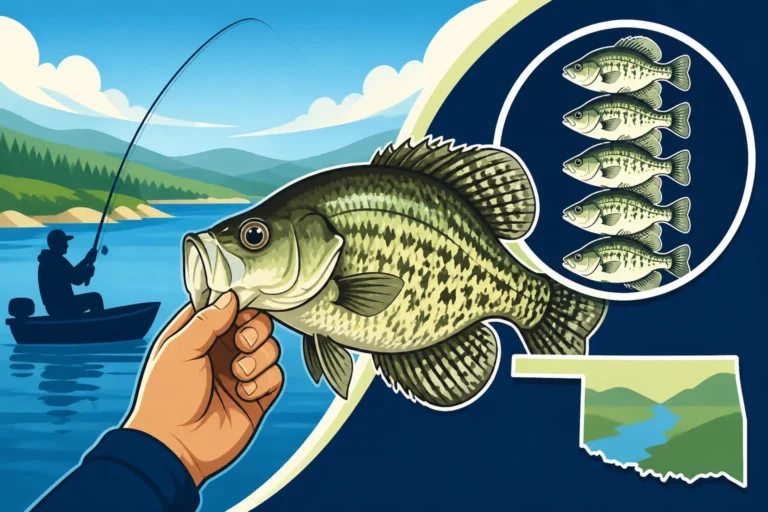
Keystone Lake truly shines with its multi-species opportunities. You're not just limited to one type of fish here; you can practically plan a multi-species weekend without moving your truck. The lake is well-known for its healthy populations of largemouth bass, striped bass, white bass, crappie, and an impressive array of catfish. It's an angler's paradise because no matter what your preferred target is, Keystone likely has a strong bite for it. This makes it an ideal spot if you're bringing along a mixed group of anglers, some who might prefer chasing aggressive stripers while others are content with a cooler full of crappie.
For those chasing the bigger game, the lake's abundant baitfish — shad being a primary forage — support robust populations of predatory fish. Bass anglers will find plenty of cover, from standing timber in the upper reaches to rocky points and ledges in the main lake. If you’re into the hard-fighting challenge of striped bass, the main lake channels and open water areas are where you'll want to focus, especially during the spring and fall runs. Crappie fishermen often find success around bridge pilings, submerged brush, and timber, particularly in the many coves and creek arms of the lake.
Best Techniques and Tackle for Keystone
Fishing Keystone Lake effectively often means being adaptable, as conditions can change quickly on such a large body of water. For largemouth bass, standard Oklahoma techniques like fishing a Texas rig for bass around submerged timber or pitching jigs to brush piles can be incredibly effective. In the warmer months, topwater lures during dawn and dusk can produce explosive strikes, especially in the shallower coves. During the cooler seasons, crankbaits and spinnerbaits worked along deeper breaks and rocky points are often the ticket.
White bass and striped bass fishing often involves chasing schools of baitfish, which means keeping an eye on your fish finder for activity in open water. Trolling with spoons or crankbaits can cover a lot of ground, or you can cast vertically with slabs or jigging spoons when you find a school. For crappie, small jigs tipped with minnows or soft plastics are hard to beat, whether you’re spider rigging in open water or vertical jigging around structure. Catfish anglers will find plenty of opportunities with traditional bottom fishing techniques using cut bait or stink baits, especially in the deeper channels of the Arkansas River arm. Remember, knowing your Oklahoma's Bag Limit Rules by Species can help you plan your catch.
Access, Amenities, and When to Go
Keystone Lake boasts numerous public boat ramps, campgrounds, and recreation areas, making it very accessible for a weekend trip. Popular spots like Keystone State Park and Washington Irving South Campground offer good facilities, including docks and fish cleaning stations. For those looking to hire a local expert, there are many experienced guides in the area who know the lake inside and out. You can often find guides specializing in specific species, making your trip more productive, perhaps even booking one through a service like FishingBooker.
While Keystone offers year-round fishing, spring and fall are generally considered prime times due to more stable weather and active fish. Spring sees the bass and crappie moving shallower for their spawn, while fall brings aggressive feeding frenzies as fish bulk up for winter. Even winter can be productive for deep-water crappie and catfish. Before you head out, make sure to check the specific Keystone Lake Fishing Guide Near Tulsa for up-to-date information on conditions and local regulations.
Skiatook Lake: The Clear Water Jewel
A bit north and west of Tulsa, Skiatook Lake offers a distinctly different fishing experience compared to its neighbor, Keystone. Known for its deep, clear waters and steep rock bluffs, Skiatook is a stunning reservoir that often feels less crowded than other major Oklahoma lakes. It's another fantastic option for a weekend trip, providing a serene backdrop for serious angling just a short drive from the city.
Challenging but Rewarding Species
Skiatook Lake is particularly renowned for its excellent populations of largemouth bass, smallmouth bass, and striped bass. The clear water can make fishing a bit more challenging, as fish are often more wary, but the rewards are often bigger and more satisfying. Unlike some other lakes, Skiatook offers a genuine chance at trophy-sized smallmouth, a species that thrives in its rocky, clear environment. Crappie and catfish are also present in good numbers, providing diverse targets for anglers.
The deep, clear water and abundant rock structure create ideal habitat for smallmouth bass. Anglers often find them around steep bluffs, submerged rock piles, and points. Largemouth bass will relate to the scattered timber and brush, particularly in the coves and tributary arms. Striped bass often roam the open water, chasing schools of shad, and can be found congregating around main lake points and humps. If you're looking for a change from the typical muddy-water fishing, Skiatook’s pristine environment is a welcome sight.
Effective Strategies for Clear Waters
Fishing clear water demands a slightly different approach than fishing murkier lakes. For bass, lighter line, more subtle presentations, and natural-colored baits often yield better results. Drop-shot rigs, shaky heads, and finesse jigs are excellent choices for tempting wary smallmouth and largemouth around rocky structure. During low-light conditions, or if the fish are aggressively feeding, topwater baits can still be effective, particularly walking baits or poppers worked meticulously. Learning to effectively fish a Texas rig for bass is a foundational skill that will serve you well here, adapting your weights for the deeper structure.
For striped bass, live bait such as shad or large shiners can be incredibly effective, either fished on downriggers or free-lined in areas where schools are present. Trolling with large crankbaits or bucktail jigs can also provoke strikes. Crappie anglers often have success by vertical jigging small jigs or minnows around bridge pilings, docks, and deep brush piles, often using a fish finder to pinpoint schools. For catfish, traditional methods with various baits still work, though you might need to target deeper holes and channels.
Making the Most of Your Skiatook Weekend
Skiatook Lake is well-equipped for weekend visitors, offering multiple marinas, boat ramps, and camping facilities. Tall Chief Cove and Bull Creek Recreation Area are popular spots with good amenities. The lake's clear waters are also excellent for kayaking and paddleboarding, making it a great destination for families or those who enjoy combining fishing with other water sports. If you're considering a guided trip, local guides are available to help you navigate the lake's unique challenges and opportunities, offering another chance to leverage services like FishingBooker to find the perfect expert.
The best times to fish Skiatook are generally spring and fall when water temperatures are conducive to active feeding. However, summer nights can be fantastic for striped bass and catfish, offering a cooler and often more productive angling experience. Winter fishing can also be surprisingly good for deep-water crappie and bass, especially on sunny, calm days. Be sure to consult a specific Skiatook Lake Fishing Guide Near Tulsa before you go, as conditions can vary.
Fort Gibson Lake: A Renowned East-Side Gem
While a little further drive from Tulsa than Keystone or Skiatook, Fort Gibson Lake is absolutely worth the extra miles for a weekend fishing trip. Located southeast of Tulsa, it’s one of Oklahoma’s older and most popular reservoirs, boasting a long-standing reputation for incredible fishing. If you're willing to extend your drive slightly, this lake offers a highly rewarding experience for nearly every type of angler.
Abundant Fish, Proven Productivity
Fort Gibson Lake is a powerhouse when it comes to fish populations. It’s widely recognized for its fantastic crappie fishing, often yielding both size and quantity. Bass anglers also flock here for largemouth, spotted, and white bass, which can be found in abundance throughout the lake's diverse habitats. Catfish, including channel, blue, and flathead, are also very prevalent, and you’ll even find healthy populations of paddlefish in the spring. This lake is a true all-rounder, offering something for everyone.
The lake's varied terrain, from rocky bluffs and submerged timber to vast creek channels and expansive flats, creates a rich ecosystem. The upper end of the lake, influenced by the Grand River, tends to be more turbid and riverine, offering excellent catfish and white bass opportunities. The lower lake is clearer, featuring deeper water and rocky structure that largemouth and spotted bass prefer. Crappie are found throughout, relating to brush piles, standing timber, and man-made structures. Understanding Crappie Fishing Techniques and Seasonal Patterns in Oklahoma can significantly boost your success here.
Techniques Tailored for Fort Gibson
Given the lake’s diverse habitats, a range of techniques will work well. For crappie, jigging around structure with small jigs or minnows is consistently productive. Many anglers employ spider rigging or tightlining techniques, especially in the larger creek arms and flats. Bass fishing at Fort Gibson can involve flipping jigs or Texas-rigged worms into flooded timber and brush, especially in the shallower, stained waters of the upper lake. In the clearer lower lake, crankbaits, spinnerbaits, and soft plastics fished around points and ledges are effective.
White bass anglers often have phenomenal success during the spring spawning runs up the Grand River arm, casting small inline spinners or curly-tail grubs. Catfish can be caught year-round using a variety of baits, from cut bait to prepared stink baits, focusing on the river channels and deeper holes. For those interested in a truly unique experience, Fort Gibson is a prime spot for paddlefish snagging in season, especially below the dam. It's a different kind of fishing, and you’ll want to be sure you understand Paddlefish Snagging Season in Oklahoma before heading out.
Planning Your Fort Gibson Weekend
Fort Gibson Lake is well-developed with numerous state parks, marinas, and public access points. Fort Gibson State Park, Sequoyah State Park, and Taylor Ferry North are popular choices, offering cabins, campgrounds, and boat ramps. This lake is a hub for fishing tournaments, indicating its consistent productivity and popularity among serious anglers. Finding a local guide for a specific species, like for trophy crappie or bass, is a great way to learn the lake quickly, and you might consider using a service like FishingBooker to connect with experienced local captains.
Spring and fall are particularly excellent times to visit, with comfortable weather and highly active fish. The spring crappie and white bass runs are legendary, drawing anglers from across the state. Summer nights also offer prime opportunities for crappie and catfish. Even in winter, anglers can find success targeting deep-water structure. Before you head out, make sure you've got your Fishing License Requirements in Oklahoma sorted and consult the comprehensive Fort Gibson Lake Fishing Guide for detailed local insights.
Oologah Lake: The Northern Giant
Located north and slightly east of Tulsa, Oologah Lake is another excellent weekend fishing destination that often gets overlooked by anglers who stick closer to the city. As one of Oklahoma's largest lakes by surface area, Oologah offers vast expanses of water, numerous creek arms, and a mix of habitats that support a thriving fishery. It’s a great choice if you prefer a bit more elbow room and a less crowded experience while still being within easy reach of Tulsa.
What's Biting at Oologah
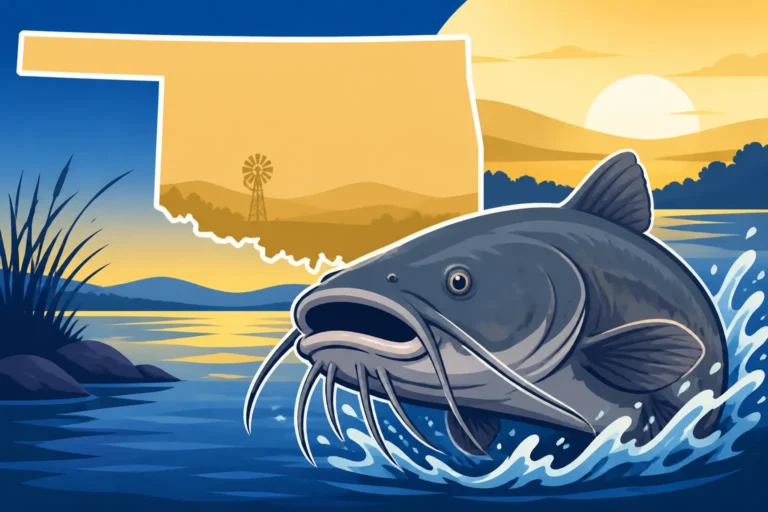
Oologah Lake is a prime spot for catfish, particularly blue and channel catfish, with many anglers reporting impressive catches. It's also a fantastic lake for white bass, especially during their famous spring spawning runs up the Caney River and Verdigris River arms. Largemouth bass and crappie are also abundant, offering plenty of action for those targeting these popular species. While not as famous for striped bass as Texoma, hybrid stripers are present and can provide some exciting fights.
The lake's numerous shallow flats, points, and abundant standing timber provide excellent cover for largemouth bass and crappie. The main lake body, with its deeper channels and open water, is where you'll find the larger schools of baitfish, which in turn attract white bass and catfish. The upper riverine sections are particularly productive for catfish and white bass during their seasonal migrations. It's a sprawling lake, so exploring different areas throughout your weekend trip can lead to diverse catches.
Optimal Techniques for Oologah Lake
For catfish, Oologah is a dream. Bottom fishing with a variety of baits, from shad to punch baits, is highly effective in the river channels and deeper holes. Many serious catfishermen also utilize trotlines or jug fishing methods on this lake, especially for targeting bigger blue cats. White bass can be caught in huge numbers during their spring runs by casting small jigs, grubs, or inline spinners into the moving water of the river arms. Look for birds diving, as that often indicates active schools of white bass busting bait on the surface.
Largemouth bass anglers will find success by working spinnerbaits and crankbaits along the miles of shoreline and points. Flipping and pitching jigs or soft plastics to standing timber and brush piles in the coves is also a consistent producer. For crappie, focus on the submerged timber, brush piles, and bridge structures. Small jigs and minnows are the go-to baits, and finding deep brush piles with your electronics can lead to a quick limit. If you’re a beginner, experimenting with different baits and Best Fishing Techniques for Beginners can help you discover what works best on a lake like Oologah.
Navigating Your Weekend Trip to Oologah
Oologah Lake offers extensive public access with multiple boat ramps, marinas, and campgrounds, many of which are part of the U.S. Army Corps of Engineers facilities. Popular areas like Spencer Creek Park and Hawthorn Bluff provide excellent camping and launching options for a weekend stay. The sheer size of the lake means that even on busy weekends, you can often find a quiet cove or stretch of water to fish. Given its size, having good navigation on your boat is a plus.
The best times for fishing at Oologah largely mirror other Oklahoma lakes, with spring and fall being peak seasons for most species. The spring white bass and catfish runs are particularly famous and draw many anglers. Summer fishing can be productive early in the morning, late in the evening, or at night, especially for catfish and crappie. Before you pack your bags, it’s always a good idea to refresh your knowledge on Fishing Regulations You Need to Know in Oklahoma to ensure a smooth and legal trip.
Comparing Your Weekend Options Near Tulsa
To help you decide which lake best suits your weekend fishing ambitions, here's a quick comparison of the top spots:
| Lake | Distance from Tulsa (Approx.) | Primary Species Highlights | Key Fishing Characteristics | Best For |
|---|---|---|---|---|
| Keystone | 30-45 minutes | Largemouth, Striper, White Bass, Crappie, Catfish | Diverse, varied structure, slightly stained water | Multi-species trips, quick access, year-round action |
| Skiatook | 45-60 minutes | Largemouth, Smallmouth, Striper, Crappie, Catfish | Deep, clear water, rocky bluffs, challenging but rewarding | Trophy smallmouth, serene environment, clear water enthusiasts |
| Fort Gibson | 60-75 minutes | Crappie, Largemouth, Spotted Bass, White Bass, Catfish, Paddlefish | Renowned crappie fishery, diverse habitat, riverine influence | High catch rates for crappie, paddlefish snagging, tournament fishing |
| Oologah | 45-60 minutes | Catfish, White Bass, Largemouth, Crappie | Very large, less crowded, abundant shallow flats and timber | Catfish & white bass runs, solitude, exploring large areas |
Each of these lakes offers a unique experience, from the quick access and diverse fishing of Keystone to the clear water challenge of Skiatook, the crappie haven of Fort Gibson, and the vast expanses of Oologah. No matter which one you choose, a fantastic weekend of fishing awaits you near Tulsa.
Final Thoughts for Your Tulsa Fishing Trip
Planning a fishing weekend from Tulsa doesn’t have to be a headache. With these fantastic reservoirs just a short drive away, you have a wealth of options for diverse species and fishing experiences. Whether you’re a seasoned angler chasing a specific trophy or a family looking for a fun outing, these lakes deliver. Just remember to check local conditions, know your regulations, and most importantly, enjoy the peace and excitement that only a weekend of fishing can bring. Don't forget to secure your How to Get a Fishing License in Oklahoma before you hit the water!
Disclaimer
Please be aware that fishing conditions, regulations, and fish populations can change. Always consult the official Oklahoma Department of Wildlife Conservation (ODWC) website for the most current information regarding licenses, bag limits, and specific lake rules before planning your trip. Practice safe boating and fishing habits, and always respect local wildlife and property.