Best Paddlefish Snagging Spots on Grand Lake, Oklahoma
Let's be honest, trying to figure out the absolute best spots for paddlefish snagging on a massive lake like Grand Lake O' the Cherokees can feel like trying to find a needle in a haystack, especially if you're new to the sport or just visiting. You hear all the stories, see the pictures of monster paddlefish, and naturally, you want a piece of that action. But knowing exactly where to drop your lines, when to go, and what gear to have is often the biggest hurdle. This guide is going to peel back the curtain and pinpoint those prime locations on Grand Lake that seasoned anglers swear by, helping you navigate the waters for a successful paddlefish snagging adventure.
Why Grand Lake is the Paddlefish Snagging Capital of Oklahoma
Grand Lake O' the Cherokees isn't just a pretty face; it's a bonafide paddlefish haven, arguably the best in Oklahoma for snagging these prehistoric giants. The sheer volume of paddlefish, combined with the ideal habitat and robust management by the Oklahoma Department of Wildlife Conservation (ODWC), makes it a bucket-list destination for many anglers. It's not just luck; there's a real science and geography behind its success as a top paddlefish destination.
The Annual Paddlefish Migration
The heart of Grand Lake's paddlefish reputation lies in the incredible annual spawning migration. Every late winter and early spring, as water temperatures begin to climb and river flows increase, paddlefish from across the lake congregate and move upstream into the major tributaries. Think of it as their version of a spring break road trip, and Grand Lake sits right at a prime junction for this phenomenon. They are instinctually drawn to the moving water of the rivers, like the Neosho and Spring Rivers, that feed into the lake, seeking suitable gravel beds to deposit their eggs.
This predictable, mass movement is what makes snagging so effective. Instead of trying to find individual fish scattered across thousands of acres, anglers can target these concentrated schools as they stage in the river channels and main lake points leading into the rivers. It's a window of opportunity that seasoned anglers eagerly await each year, often booking trips months in advance or religiously checking local reports. Understanding this migration pattern is crucial; it dictates not only where they'll be but also when your best chances for success will occur.
Unique Lake Characteristics Supporting Paddlefish
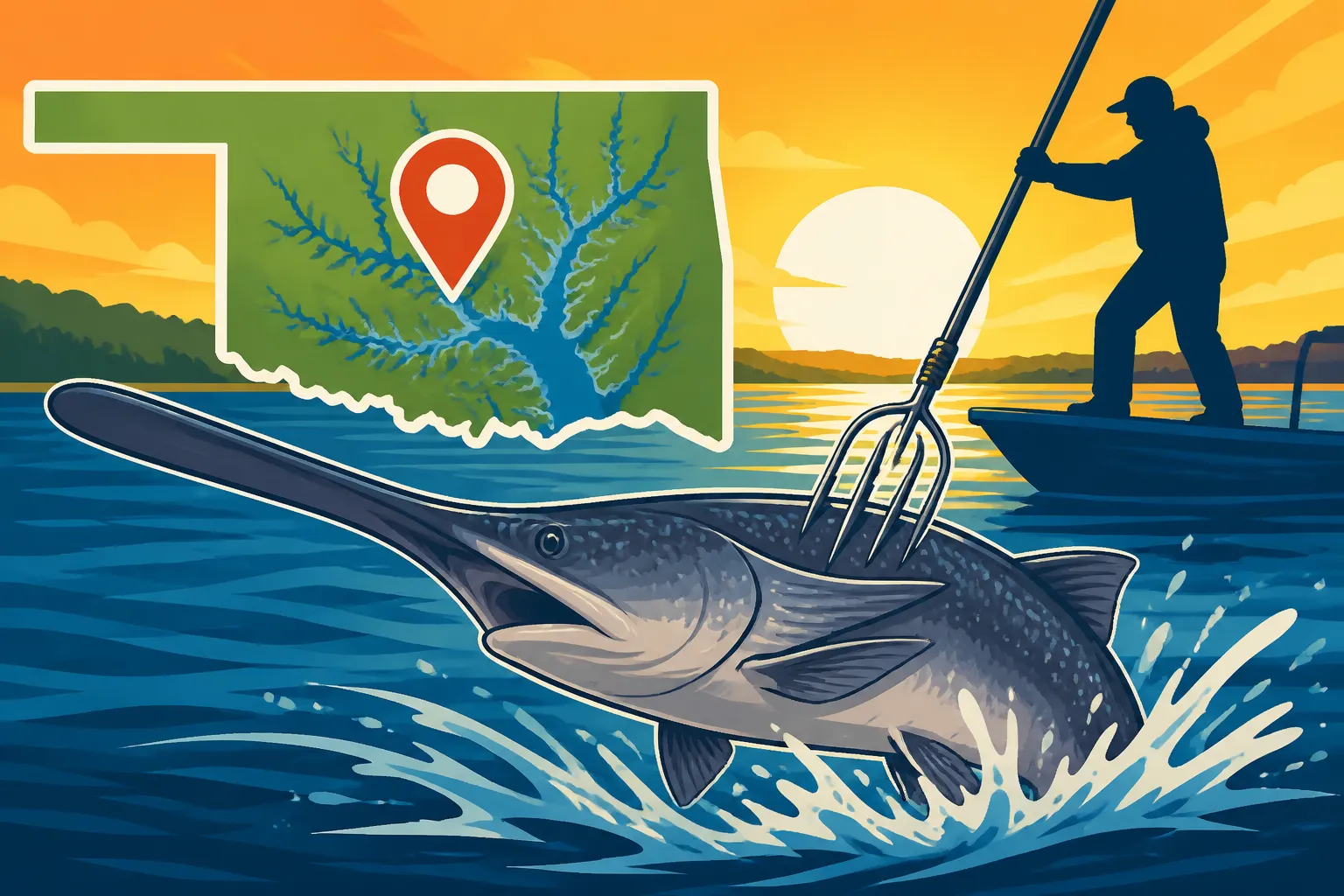
Grand Lake isn't just fed by two major rivers; its overall characteristics create an ecosystem perfectly suited for paddlefish. These fish, sometimes called "spoonbill" because of their long, paddle-like snout, are filter feeders, swimming with their mouths open to strain plankton from the water. Grand Lake's vast, nutrient-rich waters provide an abundant food source, allowing paddlefish to grow to impressive sizes. It’s not uncommon to hear tales of 80-pound behemoths pulled from these waters, and even 100-pounders aren't out of the question!
Furthermore, the lake's diverse underwater topography, with its deep river channels, extensive flats, and various structures, offers plenty of resting areas and travel corridors for these large fish. The deeper, cooler waters of the main lake provide excellent year-round habitat, while the shallower, gravelly river sections become critical during the spawning run. The combination of plentiful food, ample space, and suitable spawning grounds creates a cycle that sustains a healthy and thriving paddlefish population, making Grand Lake a truly special spot.
Top Snagging Hotspots on Grand Lake
Alright, let's get down to brass tacks: where exactly do you go when you're looking for those giant paddlefish on Grand Lake? While paddlefish can be found throughout the lake, certain areas become absolute magnets during the snagging season. These spots are known for their consistent action and are where you'll find most of the dedicated snagging boats.
The Upper Neosho and Spring River Arms
When paddlefish migrate upstream, the Neosho and Spring River arms of Grand Lake are like their superhighways. These are arguably the most famous and productive areas for paddlefish snagging. As the fish push into these river systems from the main lake, they often stack up in the deeper channels and broader bends, particularly where the flow starts to become more noticeable.
- Neosho River Arm: This arm, especially north of Miami, Oklahoma, near the state line, is legendary. Anglers often focus on the main river channel, especially where it narrows or has significant bends. Access points like the Twin Bridges Area at the junction of the Neosho and Spring Rivers are popular starting points. The key here is to follow the deepest part of the old river channel. You'll often see concentrations of boats, and while it might feel crowded, that's usually a good sign that fish are present. It's often a game of "drift and repeat," slowly moving over known holding areas and then resetting to make another pass. For those unfamiliar with the area, checking out fishing reports on a platform like FishingBooker might help you connect with local guides who know these specific river bends like the back of their hand.
- Spring River Arm: Similar to the Neosho, the Spring River arm also draws a significant number of paddlefish during the spawn. This area, also upstream from Twin Bridges, offers comparable opportunities. The confluence of these two rivers is a natural staging point, and the deeper holes and ledges in these river channels are prime locations. Be prepared for strong currents, especially if there have been recent rains or releases from upstream dams. This current, while challenging, is also a magnet for the fish, indicating active water flow that triggers their migratory instincts.
Below the Pensacola Dam and Spring Creek Area
While the main river arms get a lot of attention, don't overlook the areas closer to the Pensacola Dam. The dam itself acts as a natural barrier, and fish migrating up through the main lake will often congregate in the deeper basins and channels below it before trying to push further upstream or simply holding in the oxygen-rich tailwaters. This area can be particularly productive early in the season or after periods of heavy water releases from the dam.
- Pensacola Dam Tailwaters: Directly below the dam, the turbulence and increased flow can attract paddlefish seeking the current. This isn't snagging directly in the dam's immediate discharge area, which might have specific restrictions, but rather in the deeper basins and channels a bit downstream. Anglers will often drift through these deeper sections, particularly where there are changes in depth or submerged structures. It’s a different kind of snagging than the river arms, often requiring heavier weights to get your hooks down into the strike zone.
- Spring Creek Area: Spring Creek is another well-known tributary on Grand Lake that can be excellent for paddlefish, particularly for those looking to avoid the dense crowds of the upper river arms. While not as large as the Neosho or Spring River, its consistent flow and natural characteristics make it an attractive spawning ground. Look for deeper pockets and bends where fish might rest out of the main current. This area might require a bit more exploration but can yield fantastic results for those willing to put in the time. The key here, as with any spot, is patience and persistence, and perhaps a good fish finder to locate schools.
Navigating the Crowds and Finding Your Own Space
Let's face it: when a prime paddlefish snagging season hits, these hotspots can get crowded. You'll see dozens, sometimes hundreds, of boats all trying to work the same productive stretches. This can be frustrating, but it's also part of the experience. It means the fish are there!
To make the most of it:
- Go during weekdays: If your schedule allows, hitting the lake on a Tuesday or Wednesday rather than a Saturday can drastically reduce the number of boats.
- Arrive early: Getting to your spot before sunrise gives you a better chance to claim a prime drift or anchor point.
- Observe and learn: Watch how experienced anglers are working the area. Pay attention to their drift speed, where they're snagging fish, and how they navigate. Don't be afraid to politely ask for tips, but always respect other anglers' space.
- Explore slightly off-the-beaten-path: While the main channels are productive, sometimes moving just outside the densest concentration of boats, or trying a slightly shallower or deeper edge of the channel, can pay off. The fish are often moving, and they might be using different travel lanes than the most obvious ones. A guide found through FishingBooker could offer insights into these less-pressured areas.
Essential Gear and Seasonal Timing for Grand Lake Paddlefish
Paddlefish snagging isn't your average fishing trip. These are big, powerful fish, and the method requires specialized gear and precise timing. Being prepared with the right equipment and knowing when to go are just as important as knowing where to go.
Must-Have Snagging Gear
Trying to snag a 50-pound paddlefish with a bass rod is a recipe for disaster and disappointment. You need heavy-duty equipment built to handle the immense force of these fish and the technique itself.
- Rods: Look for heavy to extra-heavy action rods, typically 7 to 9 feet long. Fiberglass or composite rods are often preferred for their durability and forgiveness compared to super-stiff graphite. A strong backbone is essential to drive those large hooks into the paddlefish's tough hide and to withstand the fight.
- Reels: A robust baitcasting reel is the standard choice. Think large conventional reels designed for saltwater fishing or catfish. You need a high line capacity (at least 200 yards) for heavy line and a strong drag system that can be locked down. A reel like an Ambassadeur 7000 or similar will serve you well.
- Line: This is not the place for finesse. Spool up with 80-pound test braided line, or even 100-pound. Braided line offers superior strength, sensitivity, and resistance to abrasion. Some anglers use heavy monofilament (e.g., 50-80 lb) but braid is generally preferred for its no-stretch properties, which aid in setting the hook.
- Hooks: You'll need large, heavy-duty treble hooks, typically sizes 12/0 to 14/0. Some anglers prefer a single large treble, while others might rig two in tandem. The hooks need to be incredibly sharp and strong enough not to straighten under extreme pressure.
- Weights: Depending on the current and depth, you'll need heavy sinkers, often between 8 to 16 ounces, or even more in strong currents or deeper holes. Pyramid or bell sinkers are common. The goal is to get your hooks down to the fish quickly and keep them there while you sweep and retrieve.
- Gloves and Pliers: Don't forget heavy-duty gloves to protect your hands from the rough line and the fish's abrasive skin. Long-nosed pliers or hook removers are essential for safely removing hooks.
- Net/Gaff: A large, sturdy net or a gaff designed for big fish is crucial for landing paddlefish safely. These fish are powerful and can easily thrash out of a flimsy net.
For more information on the specific gear needed, you might want to check out a guide on Paddlefish Snagging Gear Basics for Oklahoma's Grand Lake.
Best Time of Year to Plan Your Trip
Timing is everything when it comes to Grand Lake paddlefish snagging. The season typically runs from late winter through spring, specifically from March 15th through May 15th. However, the peak of the action is usually within this window, and can vary slightly year to year based on environmental factors.
- Late Winter (February-Early March): This can be a challenging but rewarding time. Fish are beginning to stage in the main lake basins closer to the river mouths, but the water is still cold, and they might not be actively migrating yet. Success often comes from finding large schools holding in deep water.
- Early Spring (Mid-March to April): This is often considered the prime window. As water temperatures rise and river flows increase (often from spring rains), paddlefish begin their serious upstream movement. This is when the upper river arms truly light up. If you're planning a trip, aiming for this period generally gives you the best odds. The ODWC often stocks paddlefish throughout the system, so having a good understanding of How Does Paddlefish Snagging Work in Oklahoma can increase your chances.
- Late Spring (Late April-Mid-May): The migration starts to wind down as water temperatures continue to climb and fish complete their spawning. While fish can still be caught, the concentrations might decrease, and they might be more scattered. The official season ends May 15th, so this is your last chance until next year.
Always double-check the current year's ODWC regulations for exact dates, as they can sometimes be adjusted. Water temperature is a critical factor; paddlefish typically start their major push when water temperatures hit the mid-40s to low 50s Fahrenheit. Keep an eye on local weather and river flow reports leading up to your trip, as these will heavily influence fish behavior.
Understanding Grand Lake Paddlefish Regulations
Oklahoma has specific and strict regulations for paddlefish snagging, and for good reason. These are a unique and valuable fishery, and conservation efforts are vital. Ignorance of the law is no excuse, and game wardens on Grand Lake are very diligent, especially during peak season. You don't want a successful trip ruined by a costly fine because you missed a small detail.
Licensing and Permit Requirements
Before you even think about casting a line, you need to be properly licensed. This is where many first-timers can get tripped up.
- Valid Oklahoma Fishing License: First and foremost, you need a valid annual or temporary Oklahoma fishing license. This is your baseline permit for fishing any species in the state. You can find more details about Oklahoma Fishing License Requirements in Oklahoma.
- Paddlefish Permit: Crucially, for paddlefish, you also need a separate paddlefish permit. This is an additional stamp or endorsement on your fishing license. It's inexpensive, but absolutely required for anyone snagging or attempting to snag paddlefish, regardless of age or residency status (unless explicitly exempt by other state laws, which are rare for paddlefish). This permit helps the ODWC monitor harvest and fund paddlefish management programs.
- Youth Anglers: Even kids need to follow the rules. While residents under 16 generally don't need a fishing license, they do need a paddlefish permit if they are participating in snagging. Always verify specific rules for Fishing License Rules for Kids and Nonresidents in Oklahoma before heading out with the family.
- Non-Residents: If you're coming from out of state, you'll need a non-resident annual or temporary fishing license and the paddlefish permit. The costs are higher for non-residents, but the experience is often worth it. You can explore Nonresident Annual Fishing License Cost in Oklahoma to understand the pricing.
Always have your licenses and permits physically on you or easily accessible on your phone through the official Go Outdoors Oklahoma app. Game wardens frequently check anglers on Grand Lake during paddlefish season.
Daily Limits and Reporting Your Catch
Once you've got your license and permit squared away, you need to understand the harvest limits and reporting requirements. These are critical for the long-term health of the paddlefish population.
- Daily Bag Limit: In Oklahoma, the daily bag limit for paddlefish is typically one fish per person. This means you can only keep one paddlefish per day, regardless of how many you might snag and release. Once you've harvested your one fish, you must stop snagging for the day, even if you continue to fish for other species.
- Possession Limit: The possession limit is usually two paddlefish. This means you can have up to two paddlefish in your possession, but no more than one can be taken per day. So, if you catch one on Monday and one on Tuesday, you'd be at your possession limit for two days of fishing.
- Immediate Reporting/Tagging: Oklahoma often has specific rules for reporting your paddlefish catch, especially if the fish has a tag. Some years, you might be required to record your catch immediately on your permit. If you catch a tagged fish (look for small tags near the dorsal fin or snout), it's incredibly important to report the tag number and location of the catch to the ODWC. This data is vital for their research on paddlefish movements, growth rates, and population health.
- Mandatory Harvest Reporting Stations: During peak season, the ODWC might operate mandatory harvest reporting stations at popular ramps around Grand Lake, such as at Twin Bridges State Park. If these are active, you must take your harvested paddlefish to one of these stations to be measured, weighed, and recorded before you leave the area. This helps the ODWC collect crucial scientific data.
Understanding and adhering to these rules not only keeps you on the right side of the law but also plays a huge part in ensuring that future generations can enjoy the incredible experience of snagging paddlefish on Grand Lake. Before every trip, it's a good practice to quickly review the most current ODWC fishing regulations booklet or website, as rules can occasionally change.
Paddlefish Snagging Etiquette and Safety on Grand Lake
Grand Lake is a big place, but during paddlefish season, those prime snagging spots can feel pretty small. A little common sense and courtesy go a long way in ensuring everyone has a safe and enjoyable time. After all, we're all out there for the same reason – to connect with nature and hopefully land a magnificent paddlefish.
Respecting Fellow Anglers
One of the most common frustrations during peak paddlefish season is dealing with crowded waters. But with a bit of respect, it doesn't have to be a negative experience.
- Maintain Distance: Try to give other boats ample space, especially when drifting. A good rule of thumb is to give them enough room so your lines don't cross and you don't interfere with their drift or snagging attempts. This is crucial given the long casts and heavy weights involved in snagging. If you're unsure, err on the side of giving too much space rather than too little.
- Mind Your Drift: In popular drifting areas, everyone is usually moving in the same general direction. Pay attention to the flow and try to maintain a consistent speed. Don't cut in front of other boats or suddenly change your drift path, as this can easily cause tangles or near-misses. If you're getting ready to reset for another drift, move out of the main drift lane to avoid blocking others.
- Noise and Light: Be mindful of excessive noise, especially in early morning hours. Also, if you're fishing at dawn or dusk, be cautious with your boat lights; while necessary for safety, don't shine them directly into other boats or towards other anglers.
- Hook Awareness: Snagging involves large, heavy treble hooks. Always be aware of where your hooks are, especially during casting and landing fish. Keep bystanders, particularly children, at a safe distance from your immediate snagging area. A treble hook accidentally flying through the air can cause serious injury.
Safety Considerations on the Water
Grand Lake can be a challenging environment, especially when dealing with large fish, heavy gear, and sometimes unpredictable weather. Safety should always be your top priority.
- Boat Safety Equipment: Ensure your boat is equipped with all the necessary safety gear required by Oklahoma law. This includes appropriate life jackets for everyone on board (especially for children 12 and under, who must wear them when the boat is underway), a fire extinguisher, horn/whistle, and navigation lights. It's a good idea to review Oklahoma's general Oklahoma Boat Safety Equipment Checklist.
- Weather Awareness: Grand Lake can get rough quickly, particularly on windy days. Always check the weather forecast before heading out. If storms are approaching, don't hesitate to head back to the ramp early. Being caught in a sudden storm on a large lake can be dangerous.
- Handling Big Fish: Paddlefish are strong and can be difficult to manage once in the boat. Use caution when unhooking and handling them. Their skin is rough, and they have powerful tails that can deliver a surprising blow. If you're planning on releasing a fish, do so quickly and carefully, minimizing its time out of the water. For releasing, sometimes a gentle unhooking over the side of the boat, without fully bringing the fish aboard, is the safest option for both you and the fish.
- Alcohol and Boating: Just like driving, operating a boat under the influence of alcohol or drugs is illegal and extremely dangerous. Always have a designated sober operator.
Paddlefish snagging on Grand Lake is an exhilarating experience, a true test of strength and patience. By understanding the prime locations, having the right gear, respecting the regulations, and prioritizing safety, you're setting yourself up for an unforgettable adventure chasing these majestic giants of the deep. Whether you're a seasoned pro or a first-timer, Grand Lake offers an incredible opportunity to connect with one of Oklahoma's most unique fisheries.
| Grand Lake Paddlefish Hotspot | Best Conditions | Key Characteristics | Typical Gear |
|---|---|---|---|
| Upper Neosho River Arm | Spring flows, rising temps | Deep river channels, bends, current | Heavy rod/reel, 80lb+ braid, 12/0-14/0 trebles, 8-16oz sinkers |
| Upper Spring River Arm | Spring flows, rising temps | Deep river channels, bends, current | Heavy rod/reel, 80lb+ braid, 12/0-14/0 trebles, 8-16oz sinkers |
| Below Pensacola Dam | Early season, dam releases | Deeper basins, turbulence | Heavy rod/reel, 80lb+ braid, 12/0-14/0 trebles, 10-20oz sinkers |
| Spring Creek Area | Active migration, less crowded | Deep pockets, bends in creek | Heavy rod/reel, 80lb+ braid, 12/0-14/0 trebles, 8-16oz sinkers |
Disclaimer
Fishing regulations and conditions can change. Always consult the official Oklahoma Department of Wildlife Conservation (ODWC) website or current regulations guide before planning your fishing trip to ensure you have the most up-to-date information on licenses, seasons, and bag limits. The information provided here is for general guidance only.