Where Do Sand Bass Run Best on Grand Lake in Spring?
There's nothing quite like the frantic fight of a sand bass (also known as white bass) on the end of your line, especially when they're running in big schools. But if you've ever found yourself on Grand Lake in Oklahoma during the spring, wondering where those silvery torpedoes are hiding, you know the frustration. This guide is here to unravel the mystery, showing you precisely where to focus your efforts for the best spring sand bass action on Grand Lake.
Understanding the Spring Sand Bass Run on Grand Lake
Spring on Grand Lake O' the Cherokees isn't just about longer days and warmer weather; it's a call to action for sand bass. These eager fish start moving in predictable patterns, making them a prime target for anglers who understand their habits. It’s a completely different game than fishing for other species like largemouth, which have their own specific seasons and patterns on Grand Lake.
Why Spring is Prime Time for Sand Bass
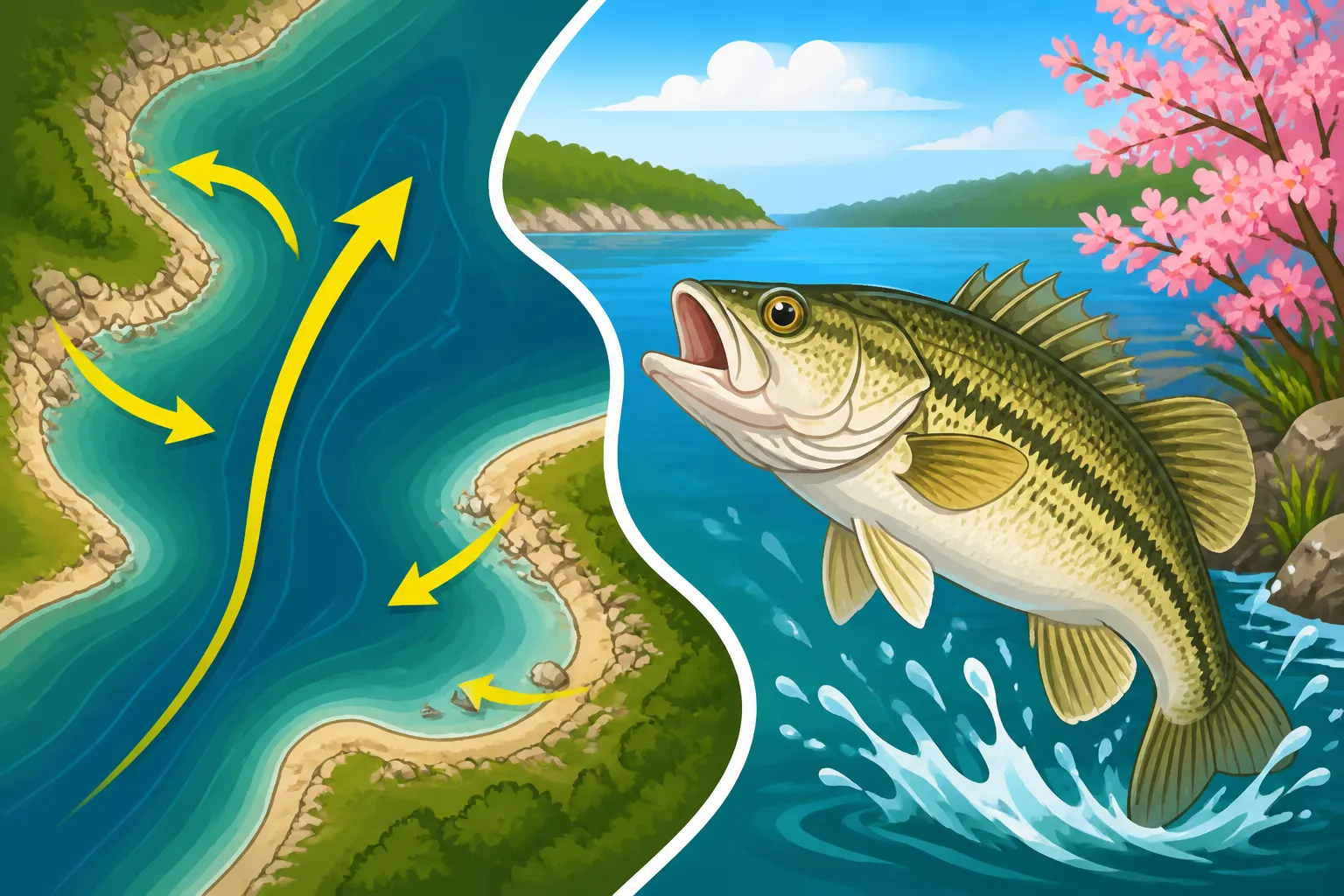
The reason spring is the absolute sweet spot for sand bass on Grand Lake boils down to one simple, biological imperative: spawning. As the water temperatures begin to climb into the upper 50s and low 60s Fahrenheit, these fish feel the urge to reproduce. This isn't a subtle migration; it's a full-on upstream charge. They leave the deeper, open waters of the main lake and push into the shallower, moving waters of feeder creeks and river arms. This mass movement makes them incredibly accessible and aggressive, turning what might be a quiet day on the water into an exhilarating schooling frenzy. You’ll often find them stacked up in incredible numbers, chasing anything that looks like a meal before, during, and after their spawning ritual.
The Spawn Migration and Feeding Frenzy
Think of it like a fish highway. The sand bass will use the major river systems feeding Grand Lake, primarily the Neosho River and the Spring River arms, as their routes upstream. They're not just traveling; they're also eating with gusto to fuel their journey and the energy-intensive spawning process. This pre-spawn and spawn period is when they are at their most active and least wary. They'll gorge themselves on shad and other small baitfish, making them susceptible to a wide range of lures. Post-spawn, as they recover and begin their journey back to the main lake, they often hold in transition areas, still feeding aggressively before dispersing back into deeper water. Understanding this full cycle, from the initial push upstream to their eventual return, is key to consistent success. Knowing the general spring patterns for other species, like the Bass, Crappie and Catfish Limits Compared, can also help you understand the overall fish activity during this bustling season.
Top Grand Lake Hotspots for Spring Sand Bass
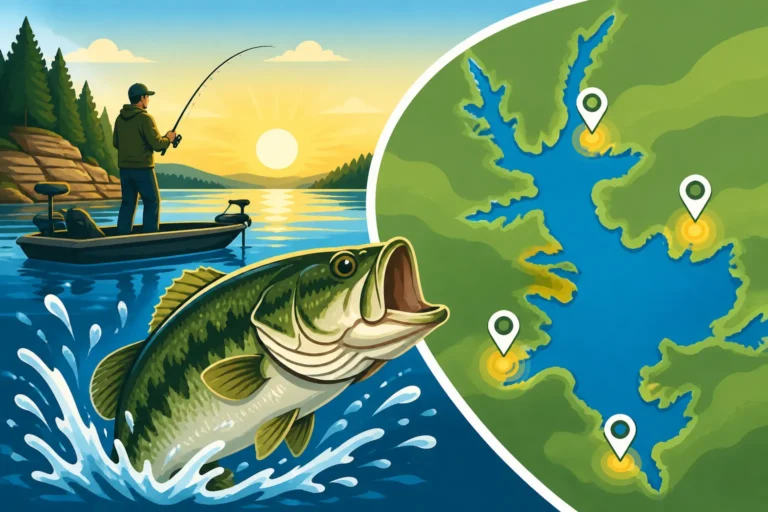
Grand Lake is vast, covering over 46,000 surface acres, so knowing where to start can feel overwhelming. However, sand bass, especially during their spring run, congregate in very specific types of areas. Focus your efforts on these prime locations, and you'll dramatically increase your chances of finding them.
River Arms and Inflow Areas
Without a doubt, the most productive areas for spring sand bass on Grand Lake are the river arms where major inflows occur. The two big players here are the Neosho River arm and the Spring River arm on the northern end of the lake. These rivers provide the current and the gravelly bottoms that sand bass seek out for spawning.
- Neosho River Arm: As you head north from the main body of Grand Lake towards places like Miami, Oklahoma, you'll enter the Neosho River arm. The sand bass will push as far upstream as they can go, sometimes even past the low-water dams or rapids if conditions allow. Look for areas where the river narrows, creating a funnel effect, or where there are distinct current breaks. Sand bars, gravel flats, and the mouths of smaller feeder creeks along the main river channel are all prime real estate. Anglers often find phenomenal action around the Twin Bridges area, which provides a natural constriction point and excellent access for both boat and bank anglers.
- Spring River Arm: Similar to the Neosho, the Spring River arm, also in the northern reaches of Grand Lake, will hold large numbers of migrating sand bass. This river tends to run a bit clearer in spots due to its spring-fed nature, which can sometimes influence lure choices. Concentrate your efforts around bends in the river, deeper holes adjacent to shallower spawning flats, and any structure that breaks the current. The stretch leading up to and past the town of Wyandotte can be particularly productive. Many anglers rely on local knowledge for these specific stretches, and if you’re new to the area, consulting a guide through a service like FishingBooker might give you that invaluable edge.
Shallow Flats and Points
While the river arms are ground zero for the spawning run, sand bass don't just stay there. They'll stage in the main lake's shallow flats and points that are close to these river entrances, especially during cooler fronts or periods of heavy rain that might blow out the rivers. These areas act as staging grounds where fish wait for optimal conditions to push further upstream or recover after the spawn.
- Main Lake Junctions: Think about where the river arms meet the larger, more open sections of Grand Lake. Points that jut out into the lake, especially those with a gentle slope and a mix of rock and gravel, can be magnets. The sand bass will cruise these areas, often in shallower water (3-10 feet), looking for baitfish. This is a great place to cast lipless crankbaits or swimbaits.
- Large Flats with Access to Channels: Look for expansive shallow flats, particularly on the northern half of Grand Lake, that have immediate access to deeper creek channels or the main river channel. These areas warm up quickly in the spring sun, attracting baitfish, and in turn, the sand bass. These spots are often overlooked by anglers focused solely on the river current, but they can produce incredible numbers, especially on overcast days or when the river current is less defined. Always be mindful of the "The 37-Fish Crappie Limit Explained" and other species-specific regulations while enjoying your day on the lake, as different fish will be active in these areas.
Marinas and Bridge Pilings
Don't overlook man-made structures! Sand bass are opportunistic and will use anything that provides cover, current breaks, or concentrates baitfish. Marinas and bridge pilings offer all these benefits.
- Bridge Pilings: The numerous bridges crossing various arms and coves of Grand Lake can be fantastic sand bass spots. The pilings create current breaks, and the fish will often stack up on the downstream side, out of the main flow, waiting for food to wash by. Bridges over the Spring River and Neosho River arms, as well as those spanning major creeks, are particularly good. Try vertical jigging with spoons or small swimbaits right next to the pilings.
- Marina Entrances and Docks: While the main body of a marina might be too quiet, the entrances and outer edges of major docks can be very productive. The structures attract baitfish, and the sand bass will cruise these areas, especially at dawn and dusk, looking for an easy meal. If you're fishing from the bank or a smaller boat, these can be very accessible spots. Just be respectful of private property and other boaters. For those seeking a guided experience to navigate these waters effectively, a quick search on FishingBooker can show you available charters that know these honey holes intimately.
Effective Techniques and Gear for Spring Sand Bass
Catching spring sand bass on Grand Lake isn't typically complicated, but having the right approach and gear can turn a good day into a legendary one. These fish are aggressive, but they can also be finicky about presentation.
Lure and Bait Selection
When sand bass are running, they're generally not too picky, but some baits consistently outperform others.
- Spoons: Chrome or white jigging spoons (like a Sassy Shad spoon or a simple Kastmaster) in 1/2 to 3/4 ounce are absolute killers. They mimic injured baitfish perfectly and can be jigged vertically in deep holes or cast and retrieved with a yo-yo motion in shallower areas. The flash and erratic action often trigger instant strikes.
- Road Runners/Spinnerbaits: Small, in-line spinnerbaits, often called "Road Runners" or similar, are incredibly effective. Their thumping vibration and flashing blade draw fish from a distance. Pair them with a white, chartreuse, or even a pearl grub trailer. Cast them upstream and retrieve just fast enough to keep the blade spinning as it drifts naturally with the current. This method is often preferred for catching White Bass During the Spring Run.
- Grubs and Soft Plastics: Small grub bodies (1.5-3 inches) on a light jig head (1/8 to 1/4 ounce) are deadly. White, chartreuse, and clear with glitter are perennial favorites. You can retrieve them steadily, bounce them along the bottom, or even dead-stick them in current breaks. These are excellent for when the fish are a bit more hesitant or when fishing shallower flats.
- Lipless Crankbaits: For covering water quickly on shallow flats or around points, lipless crankbaits in shad patterns (chrome/blue, white/black back) are fantastic. The vibration and tight wobble trigger reactionary strikes. A good example is a Rat-L-Trap. They are also among the Best Lures for White Bass During the Spring Run.
Here's a quick comparison of popular spring sand bass lures:
| Lure Type | Best Use Case | Key Attributes | Typical Colors | Retrieve Style |
|---|---|---|---|---|
| Jigging Spoons | Deep holes, vertical jigging, strong current | Flash, heavy weight, fast sink | Chrome, White, Silver/Blue | Jigging, Yo-yo |
| Road Runners | River arms, current breaks, shallow flats | Vibration, flash, subtle action | White, Chartreuse, Pearl | Steady, slow roll with current |
| Soft Plastic Grubs | Versatile, calmer water, post-spawn | Natural feel, subtle action, customizable | White, Chartreuse, Clear/Glitter | Slow retrieve, bouncing, dead-stick |
| Lipless Crankbaits | Covering water, shallow flats, aggressive fish | Rattle, strong vibration, tight wobble | Shad patterns, chrome, white | Steady retrieve, stop-and-go |
Rod and Reel Setup
You don't need highly specialized gear for sand bass; a medium-light to medium-action spinning rod setup is perfect.
- Rod: A 6'6" to 7' medium-light to medium power spinning rod with a fast action tip is ideal. This gives you enough backbone to fight hard-pulling fish but enough sensitivity to feel lighter bites and the subtle action of your lure. A good quality graphite rod will enhance sensitivity, which can be crucial when the fish are just bumping the bait.
- Reel: A 2500-3000 series spinning reel spooled with 8-10 pound monofilament or fluorocarbon line, or even a braided line with a fluorocarbon leader, is a solid choice. Braided line offers superior sensitivity and casting distance, which can be a real advantage when you need to reach schooling fish from a distance or detect subtle bites in current. The drag system on your reel should be smooth and reliable, as these fish, while not massive, put up a surprisingly strong fight, especially in current.
- Line: While 8-10lb test is generally sufficient, some anglers prefer 12lb test, especially in snaggy river areas, to avoid break-offs. A fluorocarbon leader (6-8lb) can be beneficial if the water is clear and the fish are being particularly shy, as it's nearly invisible underwater.
Reading the Water and Locating Schools
One of the biggest keys to success with spring sand bass is understanding how to read the water and locate the schools.
- Current Breaks: Always look for current breaks. These are areas where the main flow of water is interrupted, creating a calmer zone where fish can rest without expending too much energy, while still having food brought to them. This could be behind a large rock, a log jam, a bridge piling, or even a deep eddy along the river bank.
- Surface Activity: Keep an eye on the surface! When sand bass are actively feeding on baitfish, they'll often "boil" on the surface, creating a visible commotion as they chase and herd their prey. This is a tell-tale sign that you've found an active school. Cast directly into or just past the boiling water and retrieve quickly.
- Electronics: If you're fishing from a boat, your fish finder is your best friend. Look for large schools of baitfish and crescent-shaped arches (representing the sand bass) below them, especially in the river channels. Pay attention to contour lines and depth changes; fish will often hold along these breaks. Learning how to How to Read Water Temperature for Better Fishing in Oklahoma can also guide your efforts, as sand bass will be more active in certain temperature ranges.
Planning Your Grand Lake Sand Bass Trip
While the general spring period is prime for sand bass, a little extra planning can make your trip even more successful. Consider the time of day, weather, and if a guide might be beneficial.
Best Times of Day and Weather Conditions
Just like us, fish have preferred times for activity. For spring sand bass on Grand Lake, certain conditions stand out.
- Early Morning and Late Afternoon: These are typically peak feeding times. The light is lower, which can make fish feel more secure, and baitfish are often more active. The cooler temperatures of dawn and dusk can also stimulate their feeding drives. However, during the height of the spring run, if the fish are in full spawn mode, they can bite all day long, especially on overcast days.
- Overcast Skies and Light Rain: Don't let a little gloom deter you! Overcast conditions are often fantastic for sand bass. The reduced light penetration makes fish feel more comfortable in shallower water, and it can sometimes extend their feeding windows throughout the day. A light, steady rain can also be beneficial, as it can wash bait into the water and slightly murky the surface, providing cover. Heavy, cold downpours, however, might shut them down temporarily or push them deeper.
- Stable Weather Patterns: A few days of stable, warming weather in the spring are ideal for getting the sand bass migration into full swing. Rapid temperature drops or strong cold fronts can temporarily slow down the bite, making them lethargic. You may need to adjust your approach for Cold Front Fishing Techniques if the weather turns.
Hiring a Guide for Grand Lake Success
For many anglers, especially those visiting Grand Lake for the first time or wanting to learn the nuances of the spring sand bass run, hiring a local guide can be an absolute game-changer.
- Local Knowledge: A good guide lives and breathes Grand Lake. They know the current conditions, which river arm is producing best, the exact "honey holes" that are hot, and what baits the fish are hitting that day. This local insight can save you countless hours of searching and experimenting. They can pinpoint the exact "Where Do Sand Bass Run Best on Grand Lake in Spring?" for that specific day.
- Equipment and Expertise: Guides come with all the necessary specialized equipment, from the right rods and reels to a livewell for your catch, and often the latest fish-finding electronics. More importantly, they offer hands-on coaching, helping you refine your techniques and understand the subtle cues of sand bass fishing.
- Maximize Your Time: If you have limited time on the water, a guide ensures you're putting your lines in the most productive spots, maximizing your chances of a successful and memorable trip. If you're looking to connect with seasoned pros who specialize in spring sand bass on Grand Lake, checking out options on FishingBooker can link you with reputable guides who know these waters like the back of their hand. They often have real-time reports and can give you an edge that money can't buy. Plus, they can provide insight into other species, like where to find the Best Paddlefish Snagging Spots on Grand Lake, Oklahoma, for a truly diverse angling experience.
Disclaimer
Fishing conditions and regulations in Oklahoma can change. Always check the latest rules and license requirements with the Oklahoma Department of Wildlife Conservation before heading out. Be safe, respect local laws, and practice good stewardship of our natural resources.