Remote Coves on Lake Murray
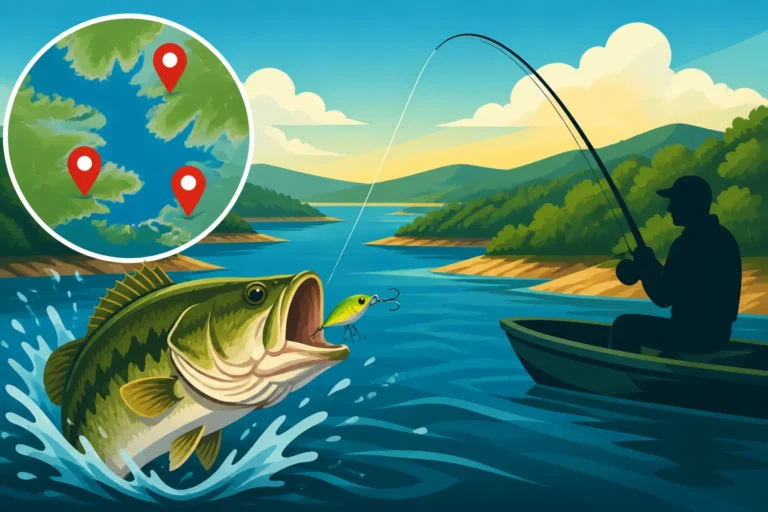
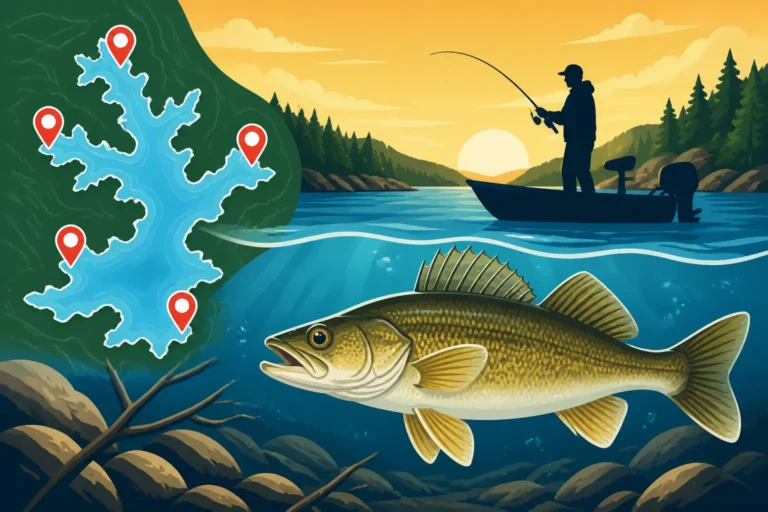
Lake Murray, for all its beauty and incredible fishing opportunities, can sometimes feel like a busy place, especially on a sunny weekend. It's frustrating when you're dreaming of a peaceful day on the water, only to find yourself jostling for space with pleasure boaters and jet skis. But don't despair! This guide is here to help you uncover the magic of Lake Murray's remote coves, offering you the solitude and pristine fishing experiences you're truly seeking.
Why Seek Out Remote Coves on Lake Murray?
Let's be real, there's a special kind of satisfaction that comes with finding a fishing spot where you don't hear a dozen other boat engines or the distant laughter from a crowded beach. Lake Murray is a popular destination, and for good reason—it's absolutely gorgeous, and the fish are plentiful. However, that popularity means the main lake points and easy-access areas can get heavily pressured. Diving into the lake's more secluded pockets offers a completely different, and often far more rewarding, experience.
Escaping the Crowds and Noise
Imagine casting your line into calm, mirror-like water, the only sounds being the gentle lapping against your boat or kayak, and the chirping of birds from the shore. That's the allure of a remote cove. On a bustling weekend, while the main lake is alive with activity, these hidden sanctuaries remain undisturbed. This quiet environment isn't just good for your soul; it's fantastic for fishing. Less boat traffic means less water disturbance, which keeps fish from being spooked. You'll find the bass, crappie, and catfish in these areas are often less wary, more willing to bite, and generally exhibit more natural feeding patterns because they aren't constantly dodging propellers or listening to human chatter. It's a chance to truly connect with nature and the sport without the usual distractions.
Discovering Untouched Fish Habitats
One of the biggest advantages of fishing remote coves is the potential to discover untouched or lightly pressured fish habitats. These areas often have natural structures like fallen timber, rocky outcroppings, and submerged brush that might go unnoticed by anglers who stick to the main lake. Over time, fish learn where to hide from predators and find food, and these secluded spots become prime real estate for them. When you venture into these less-frequented coves, you're not just casting where everyone else has; you're exploring potential honey holes that could hold larger, more aggressive fish that haven't seen a parade of lures. These spots can be particularly productive after a major cold front has pushed fish into deeper, more protected waters, or during the heat of summer when fish seek cooler, shaded cover.
Understanding Lake Murray's Unique Geography and How it Creates Remote Spots
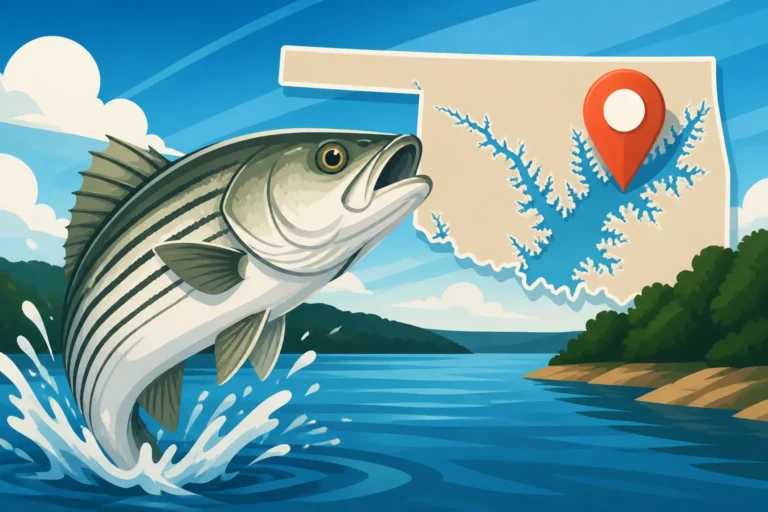
Lake Murray is known for its stunning clear waters and diverse underwater topography, which includes a fascinating mix of rocky shorelines, deep channels, and intricate coves. It's this very geography that allows for so many hidden gems. The lake's irregular shape, created by its original creek beds and the unique geological features of the Arbuckle Mountains, means there are countless nooks and crannies that aren't easily visible or accessible from popular access points.
Rocky Shorelines and Submerged Structure
The rugged, rocky shorelines of Lake Murray are a major feature, extending well below the waterline into extensive submerged rock formations and ledges. These structures provide excellent cover for game fish, offering ambush points for bass and crappie, and foraging grounds for catfish. Remote coves often feature these kinds of ideal fish habitats in pristine condition. You'll find areas with large boulders, shale banks, and even old creek channels winding through them. For an angler, understanding these contours, even in a small cove, is key. They create current breaks, temperature changes, and provide crucial protection from direct sunlight, especially during the warmer months. These microhabitats are exactly what you're looking for when seeking out a less-pressured bite.
Deep Water Access and Hidden Inlets
What often makes a cove truly remote on Lake Murray is not just its distance from a main boat ramp, but its sometimes challenging access or its less-obvious entry. Some remote coves are tucked away behind narrow inlets or require navigating shallower sections to reach deeper pockets within. Many of these coves, despite their secluded nature, quickly drop off into significant depths, offering fish thermoclines and deep-water refuges. This combination of shallow access leading to deep, protected water creates ideal conditions for fish throughout the year. During the spawning seasons, these shallower, protected flats are perfect for bass and crappie beds, while in the scorching summer, the deep pockets offer cooler, oxygenated water. Learning to read maps and using your electronics effectively will help you discover these hidden pathways and productive deep-water haunts.
Identifying and Accessing Lake Murray's Secluded Fishing Sanctuaries
Finding these remote coves requires a bit of homework and a willingness to explore beyond the beaten path. While I won't give away secret coordinates (that would make them less remote, wouldn't it?), I can guide you on how to find them and which general areas tend to hold these secluded spots. Remember, Lake Murray is surrounded by Lake Murray State Park, so much of the shoreline is protected and undeveloped, which is great for finding quiet spots.
The Tranquility of Rock Tower Area Coves
If you look at a map of Lake Murray, particularly around the southwestern sections, you'll see a lot of convoluted shoreline, especially towards the "Rock Tower" landmark and surrounding areas. This part of the lake isn't as easily accessible by paved roads as the central and northern sections, meaning boat traffic is naturally reduced. The coves here tend to be longer, winding, and often feature significant timber and rocky points. To find a truly remote spot, look for coves that branch off other coves, creating a double layer of protection from the main lake. These spots can be fantastic for largemouth bass, especially during the pre-spawn and spawn when they move into shallower, protected waters. You might even find good populations of crappie suspending around any submerged timber. When planning your trip, consider using resources like FishingBooker to connect with local guides who specialize in these less-traveled areas. They can offer invaluable insights into current patterns and the best ways to navigate these intricate shorelines.
Exploring the Depths of Elephant Rock Coves
Another prime area for remote fishing is around Elephant Rock, particularly the coves and inlets on the south-central side of the lake. While Elephant Rock itself is a popular landmark, the deeper, more tucked-away coves surrounding it, especially those that require a bit more navigation to enter, can be incredibly productive and quiet. These coves often have very steep, rocky banks that quickly drop off into deeper water, making them ideal for vertical jigging for crappie or working deep diving crankbaits for bass. During the summer, these cooler depths are a magnet for larger fish seeking refuge from the surface heat. The lack of easy shoreline access here helps maintain their remote feel. For those looking for bigger catfish, these deeper coves can hold some true trophies, especially if you're targeting blue catfish with cut bait on the bottom. If you're wondering Where to Catch Catfish on Lake Murray, these hidden depths are often overlooked.
Secluded Pockets Near Tucker Tower
While Tucker Tower is a prominent, well-known feature on Lake Murray, the areas away from the immediate vicinity of the tower, particularly the coves stretching northeast along the main lake arm, can still offer surprisingly secluded fishing. Look for coves that are longer and narrower, or those with more abrupt turns and points that aren't visible from the wider sections of the lake. These areas can be excellent for both bass and crappie, offering a mix of rocky points, submerged timber, and occasional brush piles. The longer you motor or paddle into these arms, the more the crowds thin out. These hidden pockets are perfect for anglers who enjoy dissecting structure with finesse techniques or patiently working a spinnerbait along a treeline. When considering your overall trip, you might also be interested in Family-Friendly Fishing Spots at Lake Murray State Park, Oklahoma, as some of these more remote areas can still be enjoyed with careful planning.
Here's a quick overview of what these coves might offer:
| Cove Area | Primary Species | Typical Access | Key Features | Best Time to Fish (General) |
|---|---|---|---|---|
| Rock Tower (Southwest) | Largemouth Bass, Crappie | Kayak, Canoe, Small Motorboat | Winding, timbered, rocky points, shallow flats | Spring, Fall |
| Elephant Rock (South-Central) | Bass, Crappie, Catfish | Kayak, Small-Medium Motorboat | Steep rocky banks, deep drops, submerged rock | Summer, Winter (deep) |
| Tucker Tower (Northeast arm) | Largemouth Bass, Crappie | Kayak, Canoe, Small Motorboat | Rocky points, timber, gradual slopes | Spring, Fall |
Gear and Techniques Tailored for Remote Cove Success
Fishing these remote coves isn't just about where you go; it's also about how you approach them and what gear you bring. You're often venturing into areas where larger boats might struggle, and where the fishing pressure is different.
Kayaks, Canoes, and Smaller Boats for Access
If you're serious about exploring the most remote coves on Lake Murray, a kayak, canoe, or a small jon boat is often your best friend. These vessels allow you to slip into tight spaces, navigate shallow water, and access areas that larger bass boats or pontoons simply can't reach. A kayak gives you unparalleled stealth, allowing you to approach fish without spooking them. Make sure your kayak is properly rigged for fishing, perhaps with an anchor trolley and rod holders. For a comprehensive setup, check out a Kayak Fishing Gear Guide for Oklahoma Lakes. While a larger boat might get you near these areas, having a smaller, more maneuverable craft is usually essential for true remote cove exploration. This approach helps maintain the integrity of these quiet areas.
Targeting Species in Remote Coves
The species you'll encounter in remote coves on Lake Murray are generally the same as the main lake—largemouth bass, crappie, and catfish—but their behavior can be different.
- Bass: In these less-pressured areas, bass might be more aggressive towards a wider variety of lures. Focus on working spinnerbaits, crankbaits, and soft plastics around any visible or sonar-indicated structure. Look for laydowns, isolated rock piles, and transitions between different bottom types. During the spawn, these secluded coves offer perfect protection for bedding bass. You can learn more about Best Bass Fishing Spots on Lake Murray, Oklahoma in our detailed guide.
- Crappie: Crappie often school up around submerged timber or brush piles in remote coves. Vertical jigging with small jigs or live minnows is incredibly effective. Pay attention to your fish finder for schools suspending at different depths. In the spring, they’ll move shallow to spawn, making even the most tucked-away flats productive. For more specific crappie insights, take a look at Where to Catch Crappie on Lake Murray.
- Catfish: Catfish, especially channel and blue catfish, love the deeper holes and creek channels within these coves. Bottom fishing with stink baits, cut bait, or worms can yield excellent results. Remote coves often mean less competition from other anglers for these prime catfishing spots. For a complete understanding of seasonal patterns, refer to our Oklahoma Fishing Seasons: A Month-by-Month Guide.
Remember, the key is to fish slowly and thoroughly, taking advantage of the reduced pressure. Don't be afraid to experiment with different presentations, as these fish haven't seen every trick in the book.
Navigating Lake Murray's Hidden Gems Safely
While the allure of remote coves is undeniable, safety and smart navigation are paramount. Being out of the way means you're also further from immediate assistance if something goes wrong.
Reading Maps and Using Fish Finders
Before you even launch, spend time studying a detailed lake map. Look for contour lines indicating depths, old creek channels, and areas where coves become exceptionally narrow or winding. High-quality marine charts, whether paper or digital on your smartphone or fish finder, are invaluable. Your fish finder isn't just for locating fish; it's an essential navigational tool. Use its GPS and charting features to mark waypoints, track your path, and identify potential hazards like shallow submerged rocks or stumps. Many modern units, including those from brands like Garmin or Humminbird, offer excellent side-imaging and down-imaging capabilities that can reveal hidden structure and even subtle entrances to these remote pockets. Never rely solely on visual cues; the water can obscure many dangers.
Planning for Unexpected Weather and Isolation
When you're far from the main boat ramps or other people, being prepared for the unexpected is crucial. Always check the weather forecast before you head out, and be ready for sudden changes, which are common in Oklahoma. Bring extra water, snacks, a fully charged cell phone (though service might be spotty in truly remote areas), a first-aid kit, and a whistle or air horn. Make sure your boat or kayak is in excellent working order, and always let someone know your float plan—where you're going and when you expect to return. The solitude of remote coves is part of their appeal, but it also means you're on your own, so preparation is your best friend. Even if you're just fishing Lake Murray Fishing Spots Near Ardmore, Oklahoma, a little extra planning goes a long way.
Remember, fishing these untouched areas isn't just about the catch; it's about the experience, the peace, and the satisfaction of discovering something truly special. So next time you head to Lake Murray, consider venturing off the beaten path and finding your own slice of tranquility.
Disclaimer
The information provided in this guide is for general informational purposes only and is not intended as legal or professional advice. Fishing regulations, conditions, and accessibility can change, and it is the responsibility of each angler to check current local rules and practice safe boating and fishing techniques. Always prioritize safety and respect natural environments.