Best Catfish Holes on Broken Bow Lake
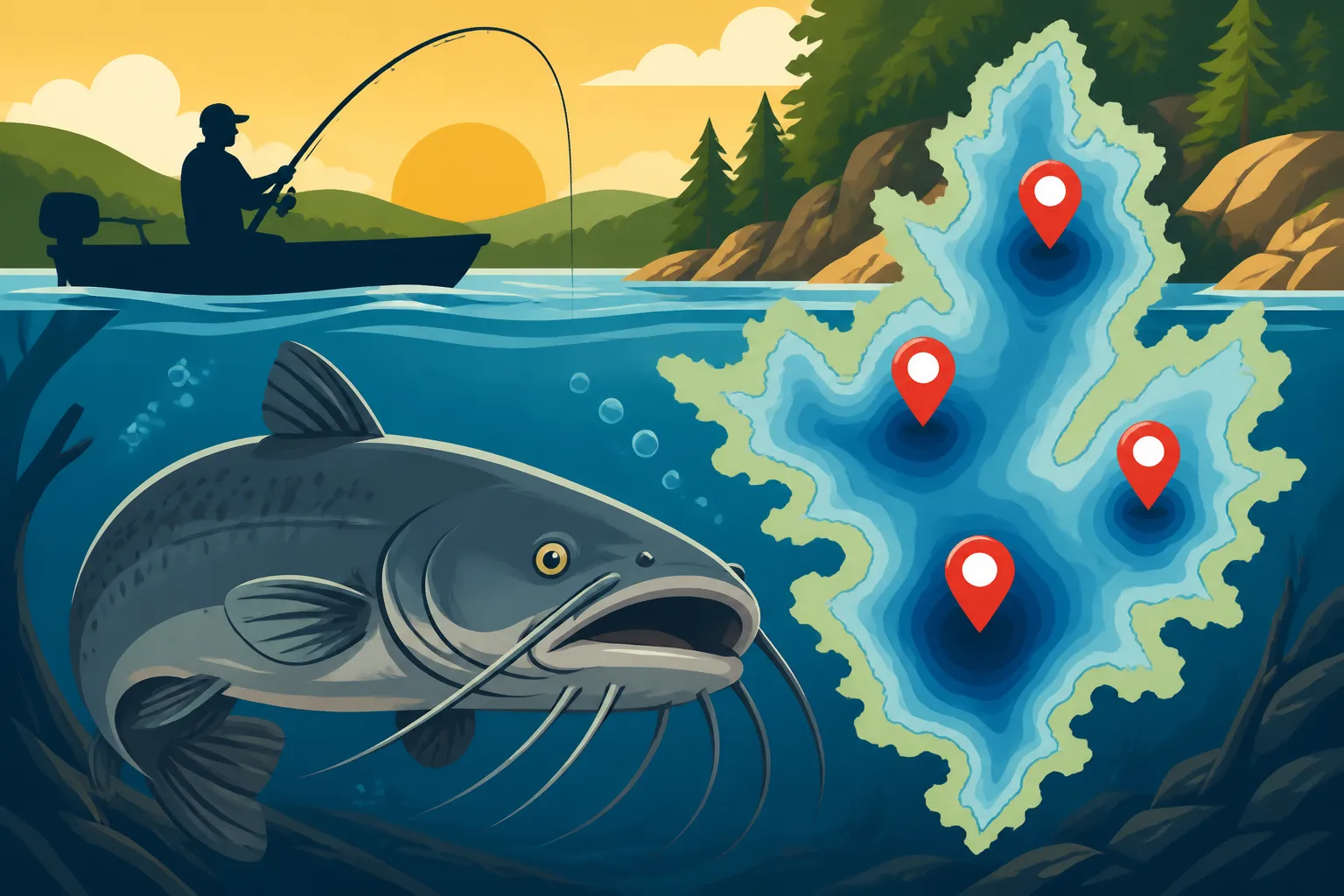
Trying to find those prime catfish spots on a massive, beautiful lake like Broken Bow can feel like searching for a needle in a haystack, especially when you're dreaming of a big blue cat or a stringer full of channel cats. It's frustrating to spend hours casting without a bite, wondering if you're even in the right zip code for those whiskered beauties. This guide is here to cut through that frustration, offering up the best catfish holes on Broken Bow Lake, along with techniques and tips to help you land your next big catch.
Understanding Broken Bow Lake's Catfish Population
Broken Bow Lake, nestled in the Ouachita Mountains of southeastern Oklahoma, is famous for its crystal-clear waters and stunning scenery, but it's also a fantastic, albeit sometimes challenging, catfish fishery. Unlike some of the murkier, nutrient-rich lakes, Broken Bow's clear water means catfish often behave a little differently, seeking deeper haunts and more structure. Knowing what kind of catfish you're after and how their habits align with the lake's unique characteristics is your first step to success.
The Catfish Species You'll Encounter
Broken Bow Lake is home to the three main species of catfish found throughout Oklahoma: channel catfish, blue catfish, and flathead catfish. Each has its own preferred habitat and feeding tendencies, which is crucial for anglers to understand. Channel cats are often found in a variety of depths, from shallow coves to deeper channels, and are known for biting on a wide range of baits. Blue cats tend to be more pelagic, roaming open water and deeper creek channels, often feeding on smaller fish. Flatheads, the true ambush predators, are almost always found nestled in heavy cover like log jams, rock piles, or sunken trees, and they overwhelmingly prefer live bait.
The clarity of Broken Bow Lake can make channel and blue catfish a bit more skittish in shallower, open water during daylight hours. They often retreat to deeper, darker areas or become more active during low light conditions like dawn, dusk, or night. Flatheads, being primarily nocturnal, are less affected by the water clarity during the day, as they're usually tucked away in their lairs. Understanding these behaviors is key to knowing where and when to present your bait. You can dive deeper into the nuances of each species by checking out our guide on Catfish Species You'll Find in Oklahoma.
Prime Catfish Habitat and Their Preferences
Catfish, regardless of species, are generally structure-oriented fish. On Broken Bow Lake, this means targeting areas with submerged timber, rock ledges, creek channels, and even deeper points where current might create natural breaks or scour holes. The Mountain Fork River, which feeds into Broken Bow, creates a defined river channel that winds through the lake, offering excellent deep-water habitat for blue and flathead catfish.
For channel catfish, look for transitions where shallow flats meet deeper water, especially if there's some woody debris or vegetation. The upper reaches of the lake, where the river influence is stronger and the water can be a bit more stained, often hold good numbers of channels. Blue catfish will often suspend over or near these deep channels, especially around significant bends or junctions where baitfish might congregate. Flatheads are solitary creatures that demand heavy cover. Think large brush piles, underwater logs, and big rock formations near deep water access. They'll find a snug spot and wait for an unsuspecting meal to swim by. Understanding these preferences is vital for successful fishing on such a diverse lake.
Top Catfish Holes on Broken Bow Lake
Broken Bow Lake might be known for its clear water and bass fishing, but it holds some truly exceptional spots for catfish, if you know where to look. The key is often finding areas where the main river channel interacts with the lake's abundant structure or where natural feed congregates.
Deep River Channel Bends and Structure
The old Mountain Fork River channel meanders through Broken Bow Lake, creating perfect highways for catfish. Identifying major bends in this channel, especially where there are submerged timber, rock ledges, or deep points, can be incredibly productive. These bends create natural current breaks and scour holes where baitfish gather, and consequently, where catfish lurk.
Areas around the mouth of Big Lick Creek and Beech Creek, where these tributaries feed into the main lake and intersect the river channel, are historically productive. The convergence of these waters brings nutrients and baitfish, creating a buffet for catfish. Using a good fish finder to locate the channel and any significant structure like sunken trees or rock piles adjacent to it is crucial here. You'll often find blue catfish suspended just off the bottom in these deeper sections, while flatheads will be hugging the heaviest cover. This is where booking a guide through a service like FishingBooker can really pay off; local guides often have these exact coordinates dialed in.
Submerged Timber and Brush Piles
Broken Bow Lake is a massive reservoir with countless acres of submerged timber, particularly in its upper and middle sections. These underwater forests are goldmines for flathead catfish and can also hold plenty of channels and blues. Flatheads, especially, love to set up shop in the dense cover of old timber, waiting to ambush prey.
Focus your efforts around prominent points and coves that feature standing timber or brush piles. The northern arm of the lake, towards the upper reaches of the Mountain Fork River, is particularly rich in this type of habitat. While it can be snaggy, presenting a tough challenge, the rewards can be significant. For flatheads, you'll want to fish directly in or adjacent to the thickest cover with live bait. For channel cats, working the edges of these timber fields with stink bait or cut bait can yield good results. Just be prepared to lose some tackle – it's the price of admission for fishing these high-percentage spots.
The Lower Lake: Dam Area and Rocky Bluffs
While the upper lake is often cited for its riverine features, the lower end of Broken Bow Lake near the dam and around the state park also offers excellent catfishing opportunities. The sheer rocky bluffs and deep drop-offs provide different types of habitat that blue and flathead catfish utilize. The depths here can be substantial, and the clear water can mean catfish hold even deeper during the day.
Areas near the Broken Bow Lake dam and the adjacent rock walls can be fantastic for blue catfish. They'll patrol these deep edges, particularly at night or during overcast conditions, looking for schools of baitfish. Flatheads will also tuck into crevices and under large boulders along these bluffs. Access to some of these areas might require a boat, and for those planning a trip, considering a charter through FishingBooker might streamline the process, getting you directly to these proven deep-water zones without the guesswork of navigation. When targeting these deeper sections, it's wise to consider techniques like bottom fishing or drifting baits along the contour lines.
Effective Catfishing Techniques and Baits
Once you've identified some promising "catfish holes" on Broken Bow Lake, the next step is to employ the right techniques and bait to entice a bite. Given the lake's characteristics and the different catfish species, a varied approach is often best.
Tried-and-True Bottom Fishing Setups
Bottom fishing is perhaps the most classic and effective method for all catfish species. The key to success on Broken Bow is often adapting your rig to the specific type of structure and depth you're fishing. For general catfishing, a simple Carolina rig or a three-way swivel rig works wonders. The Carolina rig, with its sliding sinker above a swivel and leader, allows your bait to move naturally with the current, while the sinker keeps it near the bottom. This is excellent for targeting channel and blue catfish on relatively clean bottoms near channel edges or points.
When fishing in snaggy areas, like around submerged timber, you might need to modify your approach. A float rig that suspends your bait just above the snags can prevent hang-ups, or using a heavier, no-roll sinker directly above the hook with a short leader can help keep your bait tight to the structure for flatheads. Using a durable monofilament or braided line is essential, especially when fishing for larger flatheads that will try to pull you into the cover. For deeper dives into setups, our article on Catfish Bottom Fishing Techniques offers some great insights.
Bait Selection for Broken Bow Cats
Bait choice is paramount and often depends on the species you're targeting.
- Channel Catfish: These opportunistic eaters will hit a wide variety of baits. Stink baits, punch baits, chicken livers, and shad guts are all excellent choices. Worms, like nightcrawlers, can also be effective, especially for smaller channels.
- Blue Catfish: Blues, especially larger ones, have a strong preference for cut bait. Fresh cut shad, perch, or even pieces of smaller sunfish are highly effective. The fresher the bait, the better. They also respond well to whole small baitfish presented alive.
- Flathead Catfish: This is where things get specific. Flatheads are almost exclusively piscivorous, meaning they eat other fish. Live bait is by far the most effective. Live sunfish, perch, or small carp are prime choices. Presenting these lively baits on a stout hook near heavy cover is your best bet for a trophy flathead.
Many experienced anglers on Broken Bow will spend time catching their own bait, such as shad or sunfish, before heading out for catfish. This ensures the freshest, most appealing offering for these discerning predators. For more detailed information on seasonal bait choices, consider our guide on Best Catfish Bait for Summer Fishing.
Night Fishing and Low-Light Strategies
Given Broken Bow's clear waters, catfishing during low-light conditions often yields the best results. Catfish, particularly channels and blues, become much more active and bold as the sun sets, moving into shallower areas to feed. Night fishing offers a unique experience and often the chance at larger fish that are more wary during the day.
When fishing at night, safety is always the top priority. Ensure you have proper lighting on your boat, life jackets for everyone, and let someone know your float plan. Using lighted bobbers can help track your bait, and a headlamp is indispensable for tying knots and handling fish. Focus on the same prime locations mentioned earlier, but don't be afraid to experiment with shallower depths, especially around points and flats adjacent to deep water. The cooler night air can also make for a more comfortable fishing experience, and the peaceful solitude of Broken Bow after dark is an added bonus. If you're considering a longer trip, finding local lodging or houseboat rentals through a platform like FishingBooker can set you up for multiple days of prime night fishing.
Accessing and Navigating Broken Bow Lake for Catfishing
Broken Bow Lake is a large body of water, and knowing how to get to your desired fishing spots, whether by boat or from the bank, is crucial for a successful catfishing trip.
Boat Ramps and Marina Access
For most serious catfishing on Broken Bow, especially when targeting deeper river channels and vast timber fields, a boat is almost essential. Fortunately, there are several well-maintained boat ramps around the lake. The ramps at Beavers Bend State Park, Stevens Gap, and Carson Creek Recreation Area offer excellent access to different parts of the lake.
- Stevens Gap: Located on the lower end, it provides easy access to the deeper bluffs and the dam area. It's a popular choice, so expect some company, especially on weekends.
- Carson Creek: Situated more towards the middle of the lake, offering a good launching point for exploring the main lake body and the mid-section of the river channel.
- Beavers Bend: Provides access to the lower end but also has good facilities.
Always check current lake levels before heading out, as low water can affect ramp usability. You can find more detailed information and reviews on launch points in our guide to Best Boat Ramps on Broken Bow Lake, Oklahoma. If you don't own a boat or prefer a guided experience, looking into fishing charters via FishingBooker ensures you get on the water with an experienced captain who knows the lake inside and out.
Bank Fishing Opportunities
While a boat opens up vast areas, bank anglers can still find success on Broken Bow Lake, particularly for channel catfish. Opportunities for bank fishing are often found within Beavers Bend State Park and the various recreation areas around the lake. Look for areas where the bank drops off quickly into deeper water or where there is natural structure close to shore, such as downed trees or rocky outcrops.
The areas around campgrounds and picnic sites can sometimes offer decent bank access, but be mindful of regulations and private property. The upper reaches of the lake where the Mountain Fork River flows in can also offer bank fishing opportunities, especially for channel catfish that move into shallower areas to feed. A sturdy rod, a good cooler for your bait, and patience are key for bank fishing. For those who prefer to fish from shore, understanding How to Catch Channel Catfish from the Bank will be incredibly helpful.
Navigating the Lake and Safety Considerations
Broken Bow Lake can be deceptively large and complex, with many coves, islands, and submerged hazards, especially in timbered areas. A good GPS unit or a reliable navigation app on your phone is highly recommended. Always carry up-to-date lake maps. The water clarity, while beautiful, can make it difficult to judge depths or spot submerged obstacles, so always proceed with caution, especially in unfamiliar territory.
Boat safety is paramount. Ensure you have all required safety equipment, including life jackets for everyone on board (and ensuring kids 12 and under are wearing them at all times), a fire extinguisher, and sound-producing devices. Always tell someone your plans and expected return time. The weather in southeastern Oklahoma can change quickly, so keep an eye on forecasts. Staying safe means you can focus on the fishing, and hopefully, hauling in some impressive catfish from Broken Bow Lake.
| Catfish Species | Preferred Habitat | Primary Bait Choices | Key Fishing Technique |
|---|---|---|---|
| Channel Catfish | Varying depths, transition zones, woody debris | Stink bait, chicken liver, worms, shad | Bottom fishing, float fishing |
| Blue Catfish | Deep creek channels, open water, river bends, rocky bluffs | Fresh cut bait (shad, perch), live bait | Bottom fishing, drifting, trolling |
| Flathead Catfish | Heavy cover (log jams, rock piles, sunken trees) | Live bait (sunfish, perch) | Still fishing near structure |
Important Fishing Regulations on Broken Bow Lake
Before you cast a line, it's absolutely crucial to be aware of the fishing regulations specific to Oklahoma and potentially to Broken Bow Lake itself. These rules are in place to ensure sustainable fishing for everyone.
Oklahoma's Catfish Limits
Oklahoma has statewide regulations for catfish, which generally apply to Broken Bow Lake unless otherwise posted. For forked-tail catfish (blue and channel catfish combined), the daily bag limit is 15, with only one blue catfish allowed to be over 30 inches in length. This means you can keep 15 blues and channels in total, but if you catch a trophy blue cat over 30 inches, you can only keep one of those giants. Flathead catfish have a daily bag limit of 5. Always double-check the latest regulations from the Oklahoma Department of Wildlife Conservation (ODWC) before your trip, as rules can change. Our article on Oklahoma's Catfish Fishing Rules and Limits offers a comprehensive overview.
Licensing Requirements
Remember, unless it's a designated free fishing day, anyone 16 years of age or older needs a valid Oklahoma fishing license to fish on Broken Bow Lake. This applies to both residents and nonresidents. There are various license types, including annual and temporary options, so choose the one that best fits your trip. Getting caught without a license can result in fines and legal trouble, so it's not worth the risk. You can easily purchase your license online through the ODWC website or from authorized vendors. For detailed information on costs and types, refer to our guide on Oklahoma Fishing License Costs and Types.
Other Important Considerations
Beyond licenses and bag limits, be mindful of other regulations. For example, trotlines and juglines have specific rules regarding tagging, hook numbers, and placement. Always respect private property boundaries, even when fishing from a boat. Littering is strictly prohibited and can result in fines – let's all do our part to keep Broken Bow Lake beautiful. Practicing catch and release, especially for larger breeding fish, is encouraged to help maintain a healthy fishery for future generations.
Knowing these regulations ensures a legal and enjoyable fishing experience, and it's part of being a responsible angler on such a magnificent natural resource.
Disclaimer
Please be aware that fishing conditions, regulations, and specific hotspots can change. Always consult the latest rules and advisories from the Oklahoma Department of Wildlife Conservation before planning your fishing trip. The information provided here is for general guidance and informational purposes only.