Catfish Bottom Fishing Techniques
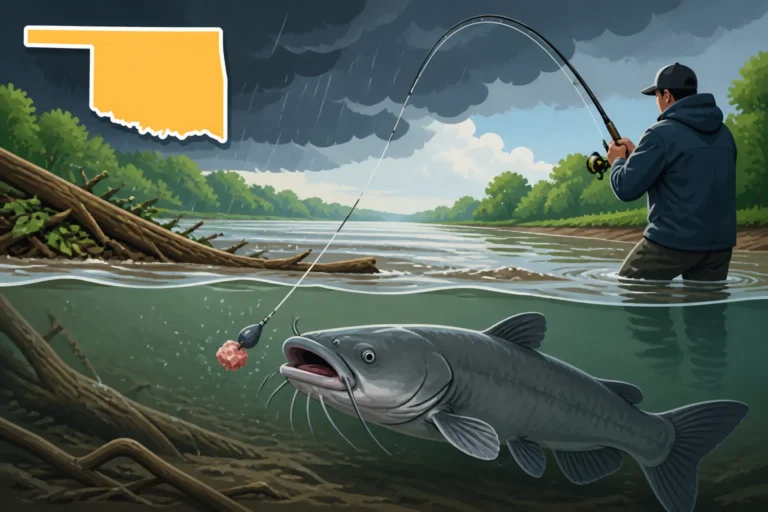
For so many of us, the joy of fishing often comes with the frustration of inconsistent results, especially when you're targeting those elusive catfish hiding in the depths. You cast out, you wait, and sometimes… nothing. It's tough to know if your bait is even seen when it's sitting on the bottom, battling currents, snags, and who knows what else down there. This comprehensive guide is going to strip away the guesswork, diving deep into the tried-and-true techniques of catfish bottom fishing in Oklahoma so you can present your offerings effectively and bring more whiskered giants to the bank or boat.
Understanding Bottom Fishing for Catfish
Catfish are bottom-dwellers by nature, and mastering the art of presenting your bait right in their strike zone is key to consistent success. It's not just about throwing a line out; it's about understanding why this method is so effective and how these fish interact with their environment.
Why Bottom Fishing Works So Well for Catfish
Think about where catfish spend most of their time. They're scavengers, predators, and ambush hunters, and they do most of their work right on the lakebed or river bottom. This is where their food sources typically reside – everything from dying baitfish to crustaceans, insects, and even smaller bottom-feeding fish. Their barbels, those whisker-like appendages around their mouths, are packed with chemoreceptors, allowing them to "taste" and "smell" the water, even in low light or turbid conditions. By placing your bait directly on the bottom, you're putting it exactly where their primary senses are most effective and where they expect to find their next meal. It's a natural presentation that taps into their instincts.
Moreover, many catfish species, especially the larger blue and flathead catfish, prefer deeper, cooler water, often near structural elements like humps, ledges, or submerged timber. These areas are inherently bottom-oriented. Fishing the bottom allows your bait to stay in this prime real estate, resisting currents that might sweep lighter baits away from these key holding patterns. It's about efficiency and targeting the fish where they live and feed, maximizing your chances of a hook-up.
Identifying Catfish Habitats and Structure on the Bottom
To effectively bottom fish, you first need to understand where the bottom is most productive. Catfish are drawn to structure and changes in bottom contour. This could be anything from channel edges and creek beds to submerged timber, rock piles, humps, and even man-made structures like bridge pilings or old roadbeds. These features provide cover, ambush points, and often concentrate baitfish, making them prime catfish real estate. Using a good fish finder is invaluable here; it can reveal these hidden underwater landscapes, showing you depth changes, ledges, and even dense schools of baitfish that often indicate the presence of larger predators like catfish.
In rivers, look for deeper holes, bends in the river where current slows, or areas downstream from snags and log jams. These spots offer respite from the main current and allow debris and food to settle, creating a natural feeding ground. In lakes and reservoirs, think about the major lake points that drop off into deeper water, the mouths of creeks, or even large flats with scattered cover. Understanding these general preferences allows you to narrow down your search and focus your efforts on areas where catfish are most likely to be holding, waiting for an easy meal to drift by or settle on the bottom.
The Different Types of Catfish and Their Bottom Feeding Habits
Oklahoma is a catfish haven, boasting three primary species: channel catfish, blue catfish, and flathead catfish. While all three are bottom feeders, they have distinct habits that influence the best bottom fishing techniques. Channel catfish are the most widespread and are true opportunists. They'll eat almost anything, from cut bait and stink baits to worms and even some artificials. They often roam flats and channel edges, sniffing out food. For a deeper dive into differentiating these species, check out our guide on Channel Catfish vs Blue Catfish vs Flathead Catfish in Oklahoma.
Blue catfish are primarily piscivorous, meaning they prefer to eat fish, often fresh cut bait like shad or carp. They're often found in larger rivers and reservoirs, congregating in deeper channels and around major current breaks. These are the fish that can grow truly massive, making them a target for trophy hunters. Flathead catfish, on the other hand, are strict live bait predators. They prefer live sunfish, perch, or small carp, ambushing their prey from cover. They are often found tucked tight against submerged timber, rock piles, or in deep holes, patiently waiting. Understanding these dietary and habitat preferences allows you to select the most effective bait and present it in a way that appeals directly to the species you're targeting.
Essential Gear for Oklahoma Bottom Fishing
Having the right equipment can make all the difference between a frustrating outing and a successful day on the water. Bottom fishing for catfish requires gear that can handle heavy weights, strong currents, and powerful fish.
Rods and Reels for Bottom Fishing Success
When it comes to catfish bottom fishing in Oklahoma, you're not exactly looking for finesse. You need power and durability. For channel cats in smaller rivers or ponds, a medium-heavy spinning or baitcasting rod, typically 7-8 feet long, with a moderate fast action will serve you well. This length provides good casting distance and enough leverage to control a feisty fish. Pair it with a reel that has a smooth drag system and can hold at least 150-200 yards of 15-20 lb test line. Brands like Penn, Ugly Stik, and Abu Garcia offer reliable options that are readily available on Amazon or at local tackle shops.
For targeting bigger blue and flathead catfish in larger reservoirs like Lake Texoma or Lake Eufaula, you'll want to step up your game significantly. Heavy-action baitcasting rods, often 8-10 feet or even longer, are preferred. These robust rods are designed to absorb the shock of a powerful strike and provide the backbone needed to haul in a 50+ pound catfish. Match these with large, robust conventional reels or heavy-duty baitcasters that can hold 250+ yards of 30-80 lb test line, often braided. The key is a strong gear ratio for winching power and a drag system that won't give out under extreme pressure. Remember, these fish fight hard, and your gear needs to be up to the task. To explore more about specific setups, you might find our guide on Best Gear for Catfish Fishing in Oklahoma helpful.
Line Selection: Mono, Fluoro, or Braid?
Choosing the right fishing line is crucial for effective bottom fishing. Each type has its advantages and disadvantages.
Monofilament (Mono): This is the traditional choice and often the most budget-friendly. Mono has good stretch, which can act as a shock absorber when a big catfish hits, reducing the chance of pulling the hook. It's also relatively abrasion resistant. However, its stretch can make it harder to feel subtle bites, especially in deep water or with a lot of line out. It also tends to have a larger diameter for its given strength compared to braid, meaning you can fit less on your reel. For lighter channel cat setups, 15-25 lb mono is a solid choice.
Braided Line: Braid has become incredibly popular for catfish angling, especially for blues and flatheads. Its main advantage is its near-zero stretch, which provides excellent sensitivity, allowing you to feel even the lightest taps on your bait. Braid also has a much smaller diameter for its breaking strength, meaning you can load more heavy-duty line onto your reel. It’s incredibly strong and durable, offering superior abrasion resistance against rocks and timber. The downside is that its lack of stretch offers no shock absorption, so you need to be mindful of your drag setting to prevent hook pulls or line breaks on violent strikes. You'll often find anglers using 30-80 lb braid for serious catfishing.
Fluorocarbon (Fluoro): While not typically used as a main line for heavy catfish bottom fishing due to its stiffness and cost, fluorocarbon makes an excellent leader material. Its primary benefit is its invisibility underwater, making it ideal for clear water situations where catfish might be line-shy. It's also highly abrasion resistant. Anglers often tie a 2-4 foot fluorocarbon leader (e.g., 30-50 lb test) to their braided main line using a strong knot like a FG or Albright knot. This gives you the sensitivity and strength of braid with the stealth of fluorocarbon where it matters most, right near the bait. You can find quality fluorocarbon spools from brands like Seaguar or Berkley on Amazon.
Terminal Tackle: Sinkers, Hooks, and Swivels
Your terminal tackle is the business end of your bottom fishing rig, and each component plays a critical role.
Sinkers: The weight of your sinker is paramount for keeping your bait on the bottom in current or wind. Common types include bell sinkers, pyramid sinkers, and no-roll sinkers. Bell sinkers are versatile for still or slow-moving water, while pyramid sinkers are excellent for anchoring in moderate to strong current. No-roll sinkers, as their name suggests, resist rolling along the bottom, which can be useful on uneven terrain. The weight you choose will vary greatly depending on water depth, current, and the size of your bait. It’s not uncommon to use 1-6 ounces, and sometimes even more in very strong flows. Always carry a variety of weights to adapt to changing conditions.
Hooks: Catfish have tough, bony mouths, so sharp, strong hooks are essential. Circle hooks are overwhelmingly popular for catfish bottom fishing, and for good reason. They are designed to hook fish in the corner of the mouth, leading to fewer gut-hooked fish and making catch-and-release easier and safer. When a catfish takes the bait, simply let the rod load up as the fish swims away; there's no need for a hard hookset. Sizes range from 4/0 for smaller channels up to 10/0 or larger for trophy blues and flatheads. J-hooks are also used, particularly by flathead anglers who prefer to set the hook aggressively. Ensure your hooks are made from strong, corrosion-resistant steel.
Swivels: Swivels are small but mighty components. Barrel swivels and snap swivels are primarily used to prevent line twist, especially when using spinning gear or fishing in current. They also act as a strong connection point between your main line, leader, and sometimes your sinker rig. When constructing a Carolina rig or a Santee Cooper rig, a sturdy barrel swivel is crucial for connecting your main line to your leader and allowing the sinker to slide freely. Always choose swivels with a breaking strength that matches or exceeds your main line to avoid weak points in your setup. Ball-bearing swivels offer superior anti-twist action but are generally more expensive.
Best Baits and Rigs for Bottom Fishing
Choosing the right bait and presenting it effectively with the appropriate rig are perhaps the most critical aspects of successful catfish bottom fishing. It’s about matching the hatch, so to speak, to what catfish in Oklahoma are naturally feeding on or are attracted to.
Natural Baits That Catfish Can't Resist
Oklahoma catfish, particularly the larger blues and flatheads, have a strong preference for natural, fresh offerings.
Cut Bait: This is arguably the king of baits for blue and channel catfish. Freshly cut shad, carp, sunfish, or even skipjack herring release oils and blood into the water, creating an irresistible scent trail that draws catfish from a distance. The fresher the better! You can cut the bait into chunks, strips, or even use entire small baitfish. For trophy blue cats on Lake Texoma, big chunks of fresh shad are hard to beat. The scent travels far, appealing to their incredible sense of smell. Experiment with different sizes and cuts based on the size of the fish you're targeting.
Live Bait: Flathead catfish are notorious for their preference for live bait. They are ambush predators and prefer to strike live, struggling prey. Small sunfish (perch), bullheads, or carp are excellent choices. Hook them through the back or lips to keep them lively. The commotion and natural swimming action of live bait is what triggers a flathead's predatory instinct. When using live bait for flatheads, ensure your hooks are large enough and strong enough to handle both the baitfish and the powerful catfish. Remember to check local regulations regarding the use of live baitfish, especially if transporting them between bodies of water.
Worms: Good old nightcrawlers and other worms are fantastic for channel catfish, especially smaller ones, and are readily available. They are a classic bait for a reason – virtually every fish will eat a worm. A big gob of worms on a hook can also attract larger channel cats. They're easy to use, relatively clean, and highly effective, especially in ponds and smaller rivers.
Stink Baits & Punch Baits: For channel catfish, especially when fishing from the bank or in smaller bodies of water, prepared "stink baits" or "punch baits" are incredibly effective. These baits are designed to disperse a strong odor, appealing directly to the channel cat's sense of smell. Brands like Sonny's Super Sticky Bait or Catfish Charlie are popular choices you can often find at local tackle shops or order online via Amazon. They typically require a treble hook or a special sponge hook to hold the bait effectively. The strong, pungent aroma is a major draw for channel catfish, particularly in warmer water.
Prepared and Commercial Baits
Beyond natural options, there's a whole world of commercially prepared catfish baits designed to make your life easier and, hopefully, your cooler heavier.
Pellets & Dough Baits: These come in various forms, often shaped into small balls or compressed pellets. Some are designed to dissolve slowly, releasing a scent trail, while others are more durable doughs that stay on the hook longer. They are typically flavored with strong attractants like garlic, cheese, or fish oils. While generally more effective for smaller channel catfish, larger fish can sometimes be enticed, especially in heavily pressured waters where they might be accustomed to these offerings. These are great for casual fishing trips or when introducing kids to catfishing.
Dip Baits: Similar to punch baits, dip baits are extremely odorous pastes or gels that you "dip" a special applicator (like a worm or a small sponge) into. They cling to the applicator and slowly release scent. These are super potent and primarily target channel catfish. Just be warned: they live up to their "stink bait" name, so prepare for a potent aroma! Always handle them carefully and bring plenty of paper towels.
Hot Dogs & Sponges: Believe it or not, plain old hot dogs can be excellent catfish bait, especially for channel cats. Cut them into chunks and let them sit in a container with some garlic powder or Kool-Aid for extra attraction. Some anglers also use small pieces of sponge soaked in fish oil or other attractants, which can be surprisingly effective for scent dispersion. These are often cost-effective and readily available alternatives when you don't have access to fresh cut bait.
Popular Bottom Rigs for Oklahoma Waters
The rig you choose dictates how your bait is presented on the bottom. Here are some of the most effective and commonly used bottom fishing rigs in Oklahoma:
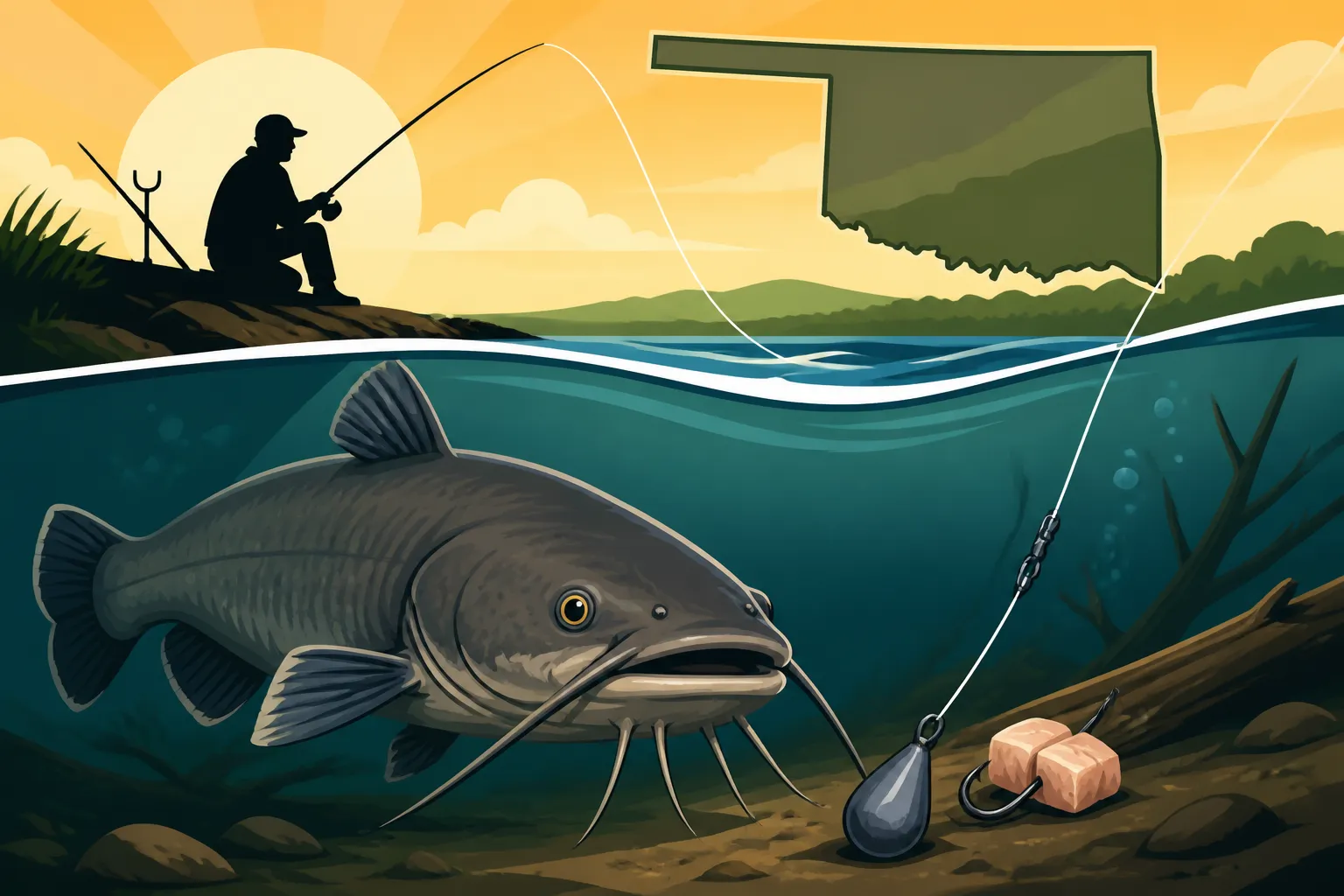
1. Carolina Rig: This is perhaps the most versatile and widely used bottom fishing rig for catfish. It consists of a sliding sinker (egg, bullet, or no-roll style) on the main line, followed by a bead (to protect the knot), and then tied to a barrel swivel. A leader of monofilament or fluorocarbon (12-36 inches) is tied to the other end of the swivel, with your hook at the very end. The sliding sinker allows the catfish to pick up the bait and move off without immediately feeling the weight of the sinker, leading to more positive hook-ups. It's fantastic for both still and moderately flowing water.
2. Santee Cooper Rig: This is an evolution of the Carolina rig, designed to keep your bait slightly elevated off the bottom, making it more visible and keeping it out of snags. The setup is identical to a Carolina rig, but a small float (often a peg float or a small, slender cigar float) is added to the leader, usually 4-6 inches above the hook. This float suspends your bait just off the bottom, which can be incredibly effective when fishing over muddy bottom, thick vegetation, or snags. It's a favorite for many trophy blue cat anglers.
3. Three-Way Swivel Rig: This rig is excellent for fishing in strong currents or when you want to present multiple baits at different depths. A three-way swivel is tied to the main line. To one eye of the swivel, a short leader (6-12 inches) with a sinker is attached. To another eye, a longer leader (18-36 inches) with a hook is attached. This allows the sinker to hold bottom while the bait drifts enticingly in the current. You can even add a second hook to the third eye of the swivel with another leader for a double bait presentation.
4. Slip Sinker Rig (Basic Bottom Rig): This is a simpler version of the Carolina rig, often used in calmer waters. The sinker slides directly on the main line, but instead of a swivel, a knot or a split shot is crimped onto the line a foot or two above the hook to prevent the sinker from sliding all the way down to the bait. This allows the fish to take the bait without feeling the full weight immediately. It's a good choice for beginners or when fishing in areas with minimal current and snags.
Here's a quick comparison of some popular rigs:
| Rig Type | Best Use Case | Key Feature | Advantage | Disadvantage |
|---|---|---|---|---|
| Carolina Rig | Versatile for lakes and rivers, moderate current | Sliding sinker, bead, swivel, leader | Allows fish to run with bait; good sensitivity | Can snag on heavily vegetated bottoms |
| Santee Cooper Rig | Muddy bottoms, heavy snags, raising bait off bottom | Sliding sinker, bead, swivel, leader, small float on leader | Keeps bait elevated, visible, and out of snags | Float can be affected by strong current; more components |
| Three-Way Swivel Rig | Strong currents, presenting multiple baits | Three-way swivel, separate leaders for sinker and hook | Holds bottom well in current; flexible bait presentation | More line tangles possible; less natural bait movement in still water |
| Slip Sinker Rig | Calm water, simpler setup | Sliding sinker directly on main line, stop knot/split shot above hook | Easy to tie; fish feel less resistance | Limited to calmer water; potential for line twist |
Mastering the Technique: Setting Up and Fishing
Knowing the gear and the bait is only half the battle. The other half is knowing how to effectively deploy your setup and react when a catfish decides to bite.
Locating Prime Bottom Fishing Spots
You can have the best gear and bait in the world, but if you're not putting it where the fish are, you're just feeding the turtles. We touched on general habitats earlier, but let's get more specific. For channel catfish, consider fishing around docks, fallen trees, brush piles, or the edges of vegetation in smaller lakes and ponds. In rivers, the deeper pools, scour holes below dams, or eddies formed by current breaks are often hot spots.
For blue and flathead catfish in larger reservoirs like Lake Texoma, focus on areas with significant depth changes, such as main lake channels, ledges, humps, and submerged timber fields. Pay attention to river and creek channel bends that run through the lake, as these act as highways for big catfish. Structure found at 20-50 feet deep can be prime territory, especially during the warmer months. Don't be afraid to move around if you're not getting bites. Catfish, especially blues, can be nomadic, following baitfish schools. Utilize your fish finder to mark promising areas and consider our guide on Best Catfish Lakes in Oklahoma for specific locations.
Casting and Presenting Your Bait Effectively
Once you've identified a promising spot, proper bait presentation is key. For bank anglers, casting accuracy is important to land your bait near structure or in a specific hole. Cast beyond your target area slightly, then slowly reel in to let your sinker settle gently where you want it. This prevents the bait from burying itself in mud or getting immediately snagged. If you're fishing from a boat, you have the advantage of being able to position directly over or slightly upcurrent from your target. Gently lower your rig to the bottom, ensuring your bait settles naturally.
The goal is for your bait to be stationary, or nearly so, on the bottom. Avoid letting your line drift excessively, as this can lead to tangles and snags. In current, cast slightly upcurrent and let the water help carry your bait to the desired spot. Once your bait is down, take up any slack in the line until you feel the weight of your sinker. Your rod tip should have a slight bend, indicating tension, but not be pulled taut, which could create unnatural resistance for a biting fish.
Reading Bites and Setting the Hook
This is where patience and observation come into play. Catfish bites can range from subtle taps to rod-doubling slams.
Channel Catfish Bites: Often, a channel cat bite will start as a series of gentle taps or a slight twitching of the rod tip. They might mouth the bait for a while before fully committing. Sometimes, you'll see a slow, steady bend in the rod as they move off with the bait. For channel cats and J-hooks, wait for a definitive pull or bend, then sweep the rod upwards firmly to set the hook. If using circle hooks, simply let the fish take the bait, and as the rod loads up and bends, begin to slowly reel. The circle hook will do the work of setting itself in the corner of the fish's mouth.
Blue and Flathead Catfish Bites: Bigger blues and flatheads tend to be more aggressive. A blue cat often hits hard and runs immediately, causing your rod to double over violently or your clicker to scream if you're fishing with your reel in free spool. Flatheads typically take the bait more deliberately, feeling like a heavy "thump" or a slow, powerful pull. For circle hooks, again, let the rod load up naturally. For J-hooks on flatheads (especially with live bait), you usually want to give them a bit more time to fully engulf the bait before delivering a powerful hookset. It's a bit of an art, learning to differentiate between a nibble and a serious commitment, but time on the water will hone your instincts.
Seasonal Considerations for Bottom Fishing
Catfish behavior changes dramatically with the seasons, largely influenced by water temperature. Adjusting your bottom fishing techniques to align with these seasonal patterns will significantly increase your success. Our comprehensive guide on Catfish Fishing Techniques for Oklahoma Anglers provides an excellent overview of year-round strategies.
Spring: Pre-Spawn and Spawning Patterns
As water temperatures begin to climb in early spring (typically 55-65°F), catfish become highly active, moving into shallower areas to feed heavily in preparation for the spawn. This pre-spawn period is one of the best times of the year for bottom fishing. Channel catfish will move into flats, creek channels, and shallow humps. Blue catfish will often follow baitfish into shallower parts of the main lake. Look for areas where warmer water might be collecting, such as northern banks or shallow coves.
During the actual spawn (water temperatures typically 70-80°F, usually late spring to early summer), catfish become more territorial and focused on reproduction. They often seek out dark, secluded spots like hollow logs, undercut banks, or rock crevices to lay their eggs. Fishing directly in these spawning areas can be productive, but bites might be less aggressive as they are preoccupied. Focus on nearby transition areas where fish might be staging before or recovering after the spawn. Using fresh cut bait or a large wad of worms presented on a Carolina rig near these structures can be very effective.
Summer: Deep Water and Night Fishing
Summer in Oklahoma brings hot temperatures, which means warmer surface water. While channel cats might still be caught in shallower areas during low light conditions, larger blue and flathead catfish often retreat to deeper, cooler waters during the day. Look for them along main lake channels, deep ledges, and submerged riverbeds, often at depths of 20-50 feet or more, especially in large reservoirs. Live bait for flatheads and large cut bait for blues are prime choices.
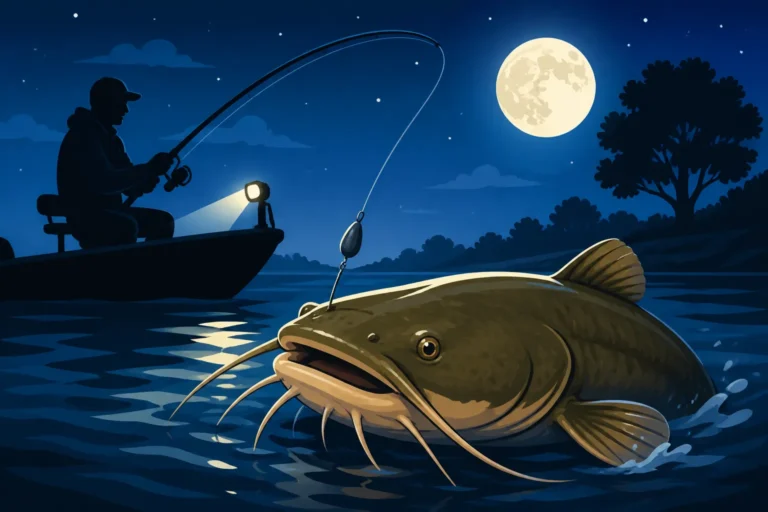
Summer also ushers in prime night fishing opportunities. As the sun sets, catfish, particularly flatheads and larger blues, become more active and will often move shallower to feed. Night fishing allows you to target these fish when they are actively hunting, often in areas that are too warm or bright during the day. Use glow sticks on your rod tips for bite detection, and ensure you have proper lighting for baiting and unhooking. Consider fishing near aerated areas, bridges with lights, or shallow flats adjacent to deep water. For more specific advice, our article on Summer Night Fishing Techniques in Oklahoma Reservoirs can be a great resource.
Fall and Winter: Slowing Down and Locating Fish
As water temperatures drop in the fall (typically 60-45°F), catfish go through another feeding frenzy, bulking up for winter. They will again become more active in shallower to mid-depth ranges, aggressively pursuing baitfish. This can be another fantastic time for bottom fishing, with cut bait and live bait being highly effective. Look for fish congregating in the mouths of creeks or along major points.
Winter (water temperatures below 45°F) sees catfish activity slow considerably. They become much less active and will often congregate in large schools in deep holes, main lake channels, or under strong current breaks in rivers. They might not feed aggressively, but they will still eat if bait is presented directly to them. This is when patience is key. Downsize your bait slightly, use very fresh cut bait, and present it directly in their deep wintering holes. Fishing during a warm spell or on sunny days can sometimes coax a bite. While bites will be subtle, the reward can be catching multiple large fish from a single school. For more insights into colder months, check out Winter Catfishing Techniques in Oklahoma.
Troubleshooting Common Bottom Fishing Challenges
Even with the right gear and knowledge, bottom fishing comes with its unique set of challenges. Learning to anticipate and overcome these issues is part of becoming a truly successful angler.
Dealing with Snags and Hangups
Snags are an inevitable part of bottom fishing, especially when targeting catfish around their preferred structure like timber, rock piles, and channel ledges. The best defense is often a good offense: choose your fishing spots carefully, and if you know an area is particularly snaggy, adjust your rig. The Santee Cooper rig, by elevating your bait, can significantly reduce snags. Using a slip sinker that can slide freely up your line can also help, as sometimes a snagged sinker can be freed without losing your entire rig.
When you do get snagged, try a few techniques before cutting your line. First, point your rod directly at the snag, open your bail, and walk away from the snag if possible, letting out some slack. Then, quickly reel in the slack and snap your rod tip back towards the snag. The sudden shock can sometimes pop the line free. Another method is to keep steady tension on the line and try to dislodge it with side-to-side movements. If all else fails, aim to break your line as close to the snag as possible to minimize lost line and tackle. Always carry extra terminal tackle, as losing a rig or two is just part of the game.
Adjusting for Current and Wind
Current and wind are two major factors that can make bottom fishing incredibly difficult, yet they also create prime feeding opportunities for catfish.
Current: In rivers or below dams, current is a constant. If your bait isn't staying put, you need more weight. Experiment with different sinker shapes too; pyramid sinkers and flat no-roll sinkers are designed to dig into the bottom and resist being swept away. Cast upcurrent and let your bait drift naturally into the desired zone. If the current is too strong and constantly moving your rig, consider repositioning to an eddy or a slower-moving seam. Too much current can also make it difficult for catfish to comfortably feed, so finding those areas of transition where food concentrates but the fish aren't fighting a raging torrent is key.
Wind: Wind can be a bank angler's worst enemy, creating bow in your line that makes it impossible to detect bites and difficult to keep your bait stationary. From a boat, it can make boat positioning and anchoring a nightmare. When facing strong winds, increase your sinker weight to help your bait hold bottom. Keep your rod tip low to the water to minimize wind's effect on your line, and try to cast crosswind or downwind rather than directly into it. If fishing from a boat, anchor effectively, using two anchors if necessary, to keep your boat from drifting and dragging your rigs. Strong winds can churn up water, sometimes improving catfish activity by dislodging food, but they demand adaptations in your technique and gear to fish effectively.
When the Bite is Slow: What to Change
There will be days when the catfish just aren't biting, and it can be incredibly frustrating. Don't pack up and go home just yet; try troubleshooting.
Change Your Location: The most obvious first step. If you've been in one spot for an hour or more with no action, especially if you're confident in your presentation, it's time to move. Catfish are often nomadic. Even a short move of 100 yards can put you on fish. Look for subtle changes in depth, structure, or current.
Change Your Bait: If they aren't hitting cut shad, try a live perch (if targeting flatheads), or switch to a different type of cut bait. Sometimes a subtle change in scent or profile is all it takes. Experiment with different sizes of bait too – sometimes a smaller offering is more appealing, other times a larger, more enticing meal. For channel cats, try a different flavor of stink bait or switch to worms. Our Best Bait for Catfish in Oklahoma Lakes and Rivers article provides more ideas.
Change Your Rig: If you're getting snagged constantly, switch to a Santee Cooper rig. If the current is washing your Carolina rig away, try a three-way swivel rig with heavier weight. Sometimes, a change in presentation, like elevating the bait slightly off the bottom, can make all the difference, especially on muddy or silty bottoms.
Change Your Presentation Depth: Are you fishing too deep or too shallow? Even a few feet can make a difference. If your fish finder shows fish suspended slightly off the bottom, a Santee Cooper rig or a rig with a longer leader might be more effective. If all else fails, try fishing during a different time of day or night, or even consider targeting other species. Every day on the water is a learning experience!
Disclaimer
Please note: Fishing regulations, including license requirements, bag limits, and specific rules for certain bodies of water, can change. Always consult the latest Oklahoma Department of Wildlife Conservation (ODWC) regulations before you head out on the water. This information is for general guidance and educational purposes only.