How to Catch Channel Catfish from the Bank
There's nothing quite like the peace and anticipation of bank fishing, but sometimes, when you're dreaming of reeling in a feisty channel catfish, it can feel like you're at a disadvantage without a boat. Many anglers get frustrated, thinking the best spots are out of reach, leaving them wondering if it's even worth casting a line from shore. But here's the good news: you absolutely can catch plenty of channel catfish right from the bank in Oklahoma! This guide is designed to cut through that frustration, equipping you with practical tips and proven strategies to consistently land those whiskered fighters without ever needing to launch a boat.
Choosing Your Catfish Hotspot from the Bank
The first step to catching channel catfish from the bank is knowing where to look. These fish aren't just swimming aimlessly; they have preferred hangouts, even when they're close enough for you to reach from shore. Understanding their typical behavior and habitat is crucial for successful bank fishing.
Understanding Catfish Habitat from Shore
Channel catfish are scavengers by nature, always on the lookout for an easy meal. This means they're often found in areas where food is abundant or where they can ambush unsuspecting prey. From the bank, this usually translates to deeper pockets, structural elements, and areas with slower currents that allow food to settle. Think about what a catfish might see from its perspective: a place to hide, a steady supply of food, and a comfortable temperature.
For instance, after a good rain, runoff channels can wash all sorts of tasty morsels into the main body of water, attracting catfish to those inflow points. Or consider areas where smaller baitfish might congregate, like submerged brush piles or rocky outcrops near the shore. These are natural magnets for predatory fish like channel cats. They don't always hang out in the middle of the lake; often, they cruise the shallower edges, especially during low-light conditions or when looking for a meal that's fallen from shore. Knowing where to find them means paying attention to these subtle clues the water provides.
Identifying Prime Bank Fishing Locations
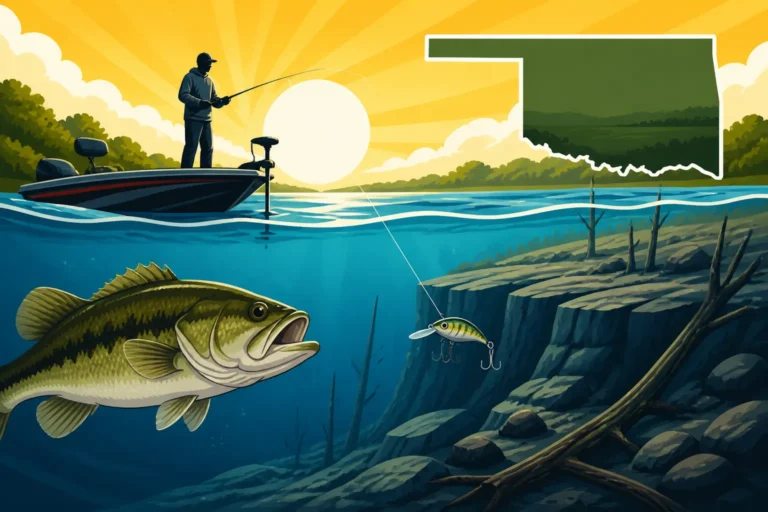
When you're scouting for a good spot, look for specific features that signal a catfish haven. Drop-offs are fantastic – where the bottom suddenly gets deeper close to shore. These transitions provide catfish with easy access to both shallow feeding grounds and deeper, safer waters. Points that jut out into the water are also excellent, as they can create current breaks and funnel baitfish. You might even find good luck in deeper coves, especially those with some debris or structure.
Don't overlook bridge pilings, fallen trees, or rip-rap banks (those rocky banks designed to prevent erosion). These are classic catfish hideouts, providing cover, shade, and often attracting baitfish. Even subtle depressions in the bank that hold slightly deeper water can be productive. If you're near a river, focus on outside bends where the current has carved deeper holes, or near eddy currents where food collects. Keep an eye out for areas that offer a bit of shade during sunny days, as catfish often retreat to cooler, darker water. These are the kinds of spots where you're most likely to have a strong bite, whether you're targeting a big blue or a hungry channel cat.
Safety and Access Considerations
While finding a prime spot is key, safety and legal access are equally important. Always make sure you're fishing in public areas or have permission if it's private land. Some popular spots might be within state parks or designated fishing areas, offering easy access, parking, and sometimes even amenities. However, these can also be crowded. If you're looking for a quieter experience, a bit of exploring on public land can reveal hidden gems.
Always be aware of your surroundings. Steep banks can be unstable, especially after rain, so watch your footing. If you're fishing at night, a reliable headlamp is non-negotiable for navigating and staying safe. Remember to be respectful of private property and leave no trace behind – pack out everything you pack in. Checking local regulations for specific bodies of water, including any special length or Oklahoma's Catfish Fishing Rules and Limits, before you cast your line is always a smart move. Access can sometimes be tricky around bridges or private docks, so scope out the area beforehand to ensure you're within legal and safe bounds.
Gear and Bait Essentials for Bank Fishing
You don't need a boatload of expensive equipment to catch channel catfish from the bank, but having the right tools for the job will certainly increase your chances of success. Let's talk about what you'll want in your tackle bag.
Recommended Rods, Reels, and Line
For bank fishing for channel catfish, you generally want something with a bit of backbone. A medium-heavy to heavy action spinning or baitcasting rod, around 7 to 9 feet long, is a great choice. This length gives you enough leverage to cast heavier baits a good distance and provides the power needed to wrestle a big cat away from snags. A longer rod also helps with line management when you're high on a bank. Paired with this, a sturdy reel with a smooth drag is essential. A spinning reel in the 3000-5000 size range or a baitcasting reel with a good line capacity will serve you well.
For line, monofilament is a popular and forgiving choice, especially for beginners. A 12-20 pound test mono is usually sufficient. It offers good stretch, which can prevent hooks from tearing out of a catfish's mouth, and it's relatively abrasion resistant. Some anglers prefer braided line for its strength and sensitivity, opting for 20-40 pound test. If you go with braid, consider adding a monofilament or fluorocarbon leader to provide a bit of shock absorption and make your presentation a bit more subtle. You can find robust and affordable rod and reel combos perfectly suited for this on major online retailers like Amazon, making it easy to get started without breaking the bank.
Must-Have Terminal Tackle
Your terminal tackle is where the magic really happens. A strong, sharp hook is non-negotiable. Circle hooks, in sizes from 2/0 to 6/0, are excellent for catfish as they typically hook the fish in the corner of the mouth, reducing gut hooking and making release easier if you choose to. If you prefer J-hooks, sizes from 1/0 to 5/0 work well. Make sure they're stout enough not to bend under pressure from a strong fish.
You'll also need an assortment of sinkers to get your bait to the bottom and keep it there. Egg sinkers, pyramid sinkers, or no-roll sinkers in weights from 1/2 ounce to 2 ounces are common. The exact weight will depend on the current and how far you need to cast. Swivels are important to prevent line twist, especially when using cut bait, and a barrel swivel or snap swivel can be useful for quickly changing rigs. A few beads can also be added above the swivel to protect your knot from the sinker. Don't forget a pair of pliers for hook removal and line cutters. Having a well-stocked tackle box, perhaps one you picked up from Amazon, with these essentials means you're prepared for whatever the day throws at you. For more specific guidance, check out our guide on Best Tackle for Shore Fishing Catfish.
The Best Baits for Bank Catfishing
When it comes to channel catfish, they're not picky eaters, which is fantastic news for bank anglers! Stink baits are legendary for a reason; their potent aroma attracts catfish from a distance. Dip baits or punch baits, applied to a specialized bait holder or sponge, are incredibly effective. Just be prepared for the smell! Cut bait, like shad, bluegill, or even hot dogs, is another excellent option. Fresh cut bait, with its natural oils and blood, is often irresistible to channel cats. Just make sure you're legally allowed to use certain species as bait in your area.
Prepared baits like chicken livers, shrimp, or even chunks of soap can also work wonders. Each angler often has their personal favorite, and it’s worth experimenting to see what the catfish in your local waters prefer. Corn is another surprisingly effective bait, especially in areas where catfish are used to feeding on small particles. It’s cheap, easy to use, and sometimes, those channel cats just can’t resist it. For specific recommendations, our article on Best Catfish Bait for Summer Fishing or Best Catfish Bait for Winter Fishing might offer some seasonal inspiration to fill your bait bucket.
Techniques for Maximizing Your Catch
Once you've found your spot and gathered your gear, it's time to put it all into action. Bank fishing for channel catfish isn't just about casting and waiting; a few strategic techniques can make all the difference.
Setting Up Your Rig for Bank Fishing
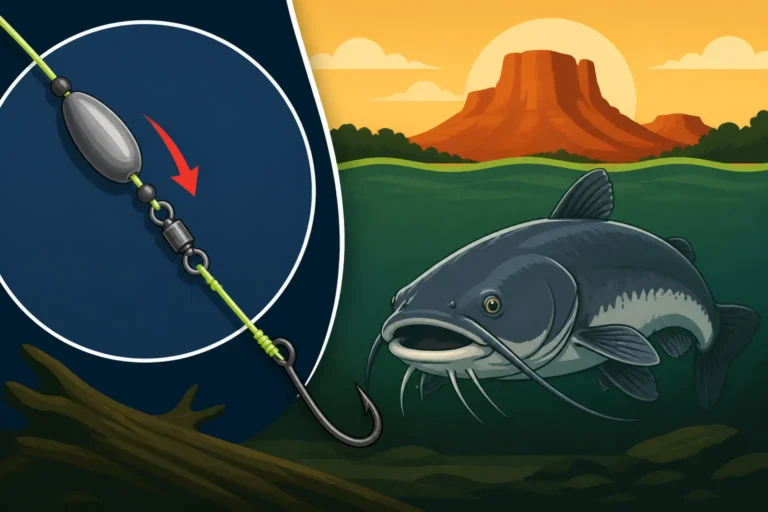
One of the most effective rigs for bank fishing for channel catfish is a simple bottom rig. The most common setup is the slip-sinker rig, also known as a Carolina Rig for catfish. To tie this, you'll thread your egg sinker onto your main line first. Then, tie on a barrel swivel. Next, tie a leader line (about 12-24 inches) to the other end of the swivel, and finally, your hook to the end of the leader. This setup allows the fish to pick up the bait and run a bit before feeling the weight of the sinker, giving you a better chance to set the hook.
Another great option is a three-way swivel rig, which is particularly useful in strong currents. You tie your main line to one eye of the three-way swivel, a short leader with a sinker to another eye, and your baited hook on a longer leader (18-36 inches) to the third eye. This keeps your bait suspended slightly off the bottom, making it more visible to cruising catfish. Always test your knots before casting, and ensure your drag is set properly – tight enough to set the hook, but loose enough to let a big fish run without snapping your line. A good sturdy rod holder, easily found on Amazon, can also be a game-changer when you're waiting for a bite, keeping your rod secure and visible.
Casting and Presentation Strategies
Casting effectively from the bank means getting your bait to where the fish are, often those deeper channels or structural elements we discussed earlier. With a slip-sinker rig, a good strong cast will send your bait out there. Once it hits the water, let it sink all the way to the bottom. Don't immediately tighten your line; give it a few moments for the current to settle the bait. Then, slowly reel in the slack until your line is taut, but not so tight that it moves your sinker. You want just enough tension to feel a bite.
It's often a good idea to cast to different distances and angles from your bank position, fan-casting the area until you find where the fish are holding. Sometimes, a subtle drift with the current can present your bait more naturally, especially in rivers or areas with gentle flow. If you're using stink baits, the scent trail will do much of the work, but proper placement still matters. Remember that catfish often cruise along edges, so casting parallel to the bank in a slightly deeper trench can be very effective. Mastering these casting techniques will significantly improve your chances of success, allowing you to effectively How to Bottom Fish for Catfish in a variety of conditions.
Patience and Persistence on the Bank
More than any other species, catfish fishing often demands a healthy dose of patience. These aren't always the fastest biters, and sometimes you'll need to wait for the scent of your bait to really draw them in. Set up your rod, perhaps in a reliable rod holder, and relax. Watch for subtle twitches on your line, or the tip of your rod bending. A common mistake is to reel in too soon or to constantly re-cast, which can actually scare fish away.
If you haven't had a bite in 20-30 minutes, it might be time to check your bait to make sure it's still on the hook and hasn't been picked clean by smaller baitfish or dissolved by the water. If the bait is good, consider trying a slightly different cast or a different depth if possible. But generally, find a good spot, cast out a compelling bait, and give the catfish time to find it. The reward of feeling that distinctive thump and the ensuing fight from a big channel cat makes every minute of waiting worthwhile. Sometimes, the most persistent angler is the one who goes home with the biggest fish.
Reading the Conditions for Catfish Success
Channel catfish are influenced by environmental factors just like any other fish. Learning to read these conditions can significantly increase your catch rate, whether you're by a quiet pond or a bustling reservoir.
Optimal Times of Day and Year
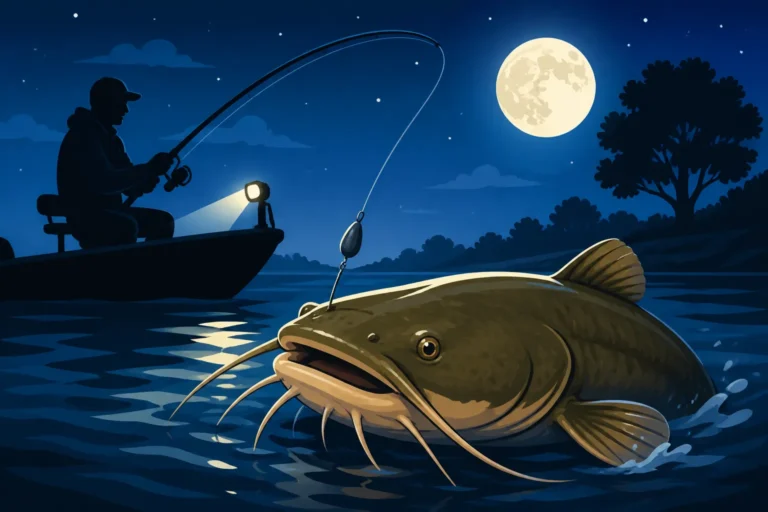
Generally, channel catfish are most active during low-light conditions. This means early morning, late evening, and especially at night are often the most productive times to fish for them from the bank. As the sun sets, catfish tend to move into shallower waters to feed, making them more accessible to shore anglers. If you're fishing during the day, focus on those deeper holes or shaded areas where they might be resting.
Seasonally, late spring, summer, and early fall are prime times for channel catfish in Oklahoma. As water temperatures rise, their metabolism increases, and they become more aggressive feeders. During the warmer months, they're consistently on the prowl. However, don't rule out winter fishing entirely; while their activity slows, they can still be caught, often in deeper, more stable temperature zones. For those looking to brave the cold, our guide on Best Catfish Bait for Winter Fishing might offer some unique insights. Remember, every body of water is a little different, so paying attention to local patterns can be your secret weapon.
How Weather and Water Affect Catfish
Catfish are quite sensitive to changes in weather and water conditions. After a good rain, especially if it's been dry, water runoff can wash worms, insects, and other food sources into the lake or river. This often triggers a feeding frenzy among catfish. Our article How to Catch Catfish After Heavy Rain delves into this phenomenon and provides tips for capitalizing on it. Overcast days, even during midday, can also be productive as the reduced light encourages catfish to be more active.
Conversely, extremely bright, sunny days or sudden, drastic cold fronts can make catfish lethargic and send them seeking deeper cover. Water clarity also plays a role. While channel catfish can tolerate, and sometimes prefer, slightly turbid water, extremely muddy conditions can make it harder for them to locate bait by sight, though their excellent sense of smell often compensates. Understanding these environmental cues allows you to adjust your strategy, perhaps moving to a different part of the bank or switching up your bait presentation.
Seasonal Patterns for Channel Cats
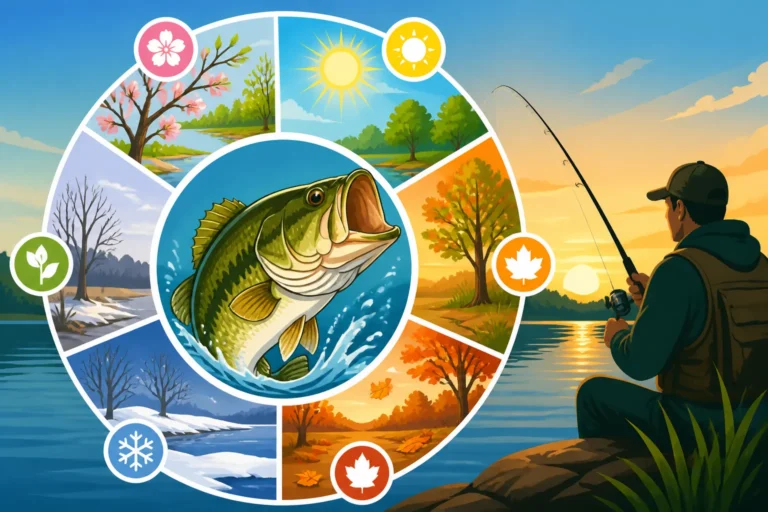
Beyond just temperature, channel catfish exhibit distinct behaviors throughout the seasons. In the spring, as waters warm, they begin to stage for spawning, often moving into shallower, protected coves and creeks. This can be a fantastic time for bank anglers, as the fish are more concentrated and aggressive. Look for them in areas with woody debris or rocky bottoms where they might lay eggs.
During the peak of summer, especially in the heat of the day, channel cats will retreat to deeper, cooler water. However, as mentioned, they become very active in the low-light hours. Fall sees them putting on the feedbag, preparing for winter, making them very catchable. They'll actively forage in a wider range of depths, often moving in and out of shallower areas as water temperatures fluctuate. Knowing these patterns helps you anticipate where they'll be and what baits they might be interested in, ensuring your bank fishing endeavors are both fruitful and fun. Exploring guides on Best Catfish Fishing Spots in Oklahoma or even Best Rivers and Streams for Channel Catfish can provide location-specific insights tailored to different times of the year.
| Common Channel Catfish Baits | General Effectiveness | Best Conditions | Tips for Use |
|---|---|---|---|
| Chicken Liver | High | All seasons | Can be messy; use bait thread or netting for better hook retention. |
| Cut Shad/Perch | High | All seasons | Fresh is best; use pieces with skin on for durability. |
| Stink Bait (Dip/Punch) | High | Warm water | Use specialized bait holders; strong scent is key. |
| Shrimp (Raw/Cooked) | Medium-High | All seasons | Readily available; can be durable. |
| Hot Dogs | Medium | Summer | Easy, affordable; cut into chunks. |
| Nightcrawlers/Worms | Medium | Spring/Summer | Natural food source; effective on smaller cats. |
| Corn | Low-Medium | All seasons | Attracts smaller fish too; good for chumming. |
Disclaimer
This article is for general informational purposes only and does not constitute professional advice. Laws, prices and regulations vary by location and change over time. Consult a qualified professional for guidance on your specific situation.