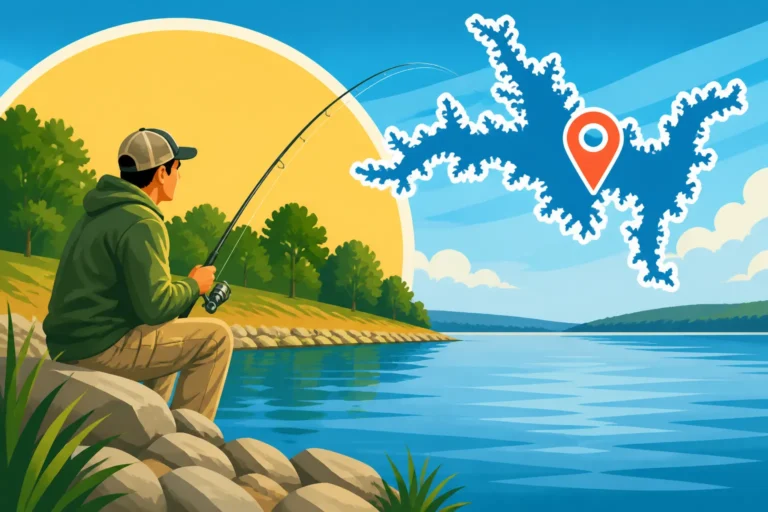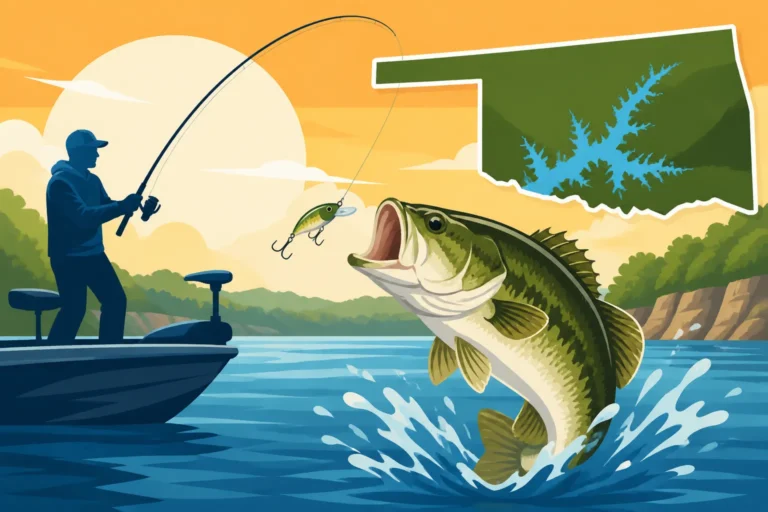
Bank Fishing Access on Fort Gibson Lake
Trying to find a truly great bank fishing spot on a sprawling lake like Fort Gibson can sometimes feel like searching for a needle in a haystack. You pull up to what looks like a promising shore, only to find it's either overgrown, private property, or just plain too shallow to hold any decent fish. It's frustrating to drive all that way, haul your gear, and then realize you're not in the right place. This guide is all about cutting through that frustration, giving you the inside scoop on accessible, productive bank fishing spots around Fort Gibson Lake, along with the know-how to make your next trip a success.
Understanding Fort Gibson Lake for Bank Anglers
Fort Gibson Lake, affectionately known as "Lake Fort Gibson" by many locals, is a magnificent body of water nestled in northeastern Oklahoma. While it's a popular destination for boaters, finding those prime spots accessible by foot is a unique challenge that many anglers face.
The Diverse Shoreline and Its Challenges
Fort Gibson Lake boasts over 225 miles of diverse shoreline, which means you'll encounter everything from steep, rocky bluffs and exposed points to shallow, muddy flats and dense stands of timber. This variety is fantastic for fish, offering them a multitude of habitats, but it can be a real head-scratcher for bank anglers. You might spend ages trying to navigate through thick brush or uneven terrain, only to discover that the water's just too skinny to hold anything but the smallest panfish. The sheer size of the lake also means that good spots can be few and far between, leading to wasted time and effort if you don't know where to look. Plus, private property can sometimes block what appears to be a perfect stretch of bank, adding to the access headaches.
Understanding the different types of shoreline is crucial. Rocky areas often hold bass and crappie, especially if there's submerged structure nearby. Sandy points can be great for catfish and sometimes white bass during their runs. Areas with standing timber or brush in the water are crappie and bass magnets, offering cover and ambush points. Knowing what kind of habitat you're looking at can give you a leg up, even before you cast a line. For a broader overview of the lake's potential, you might want to check out our detailed Fort Gibson Lake Fishing Guide.
Key Public Access Areas and What They Offer
Thankfully, the U.S. Army Corps of Engineers (COE) and Oklahoma State Parks manage several recreation areas around Fort Gibson Lake that offer fantastic public access, including some excellent bank fishing opportunities. These spots often come with amenities like parking, restrooms, and sometimes even picnic areas, making your day on the bank much more comfortable. However, even within these public areas, some stretches of shoreline are better than others for actual fishing. It's always a good idea to consult a detailed map of the specific park or recreation area you plan to visit, looking for designated fishing piers, long stretches of open bank, or areas near submerged cover that might be indicated. Don't forget that you'll need a valid Fishing License Requirements in Oklahoma before you even wet a line. If you're unsure where to purchase one, our guide on Where to Buy a Fishing License in Oklahoma can help.
Top Bank Fishing Spots Around Fort Gibson Lake
While Fort Gibson is a big lake, there are definitely some standout spots for bank anglers that offer consistent opportunities for a variety of species.
State Parks and Developed Recreation Areas
These locations are often your best bet for easy access, relatively clear banks, and a good chance at catching fish. They're usually well-maintained and offer facilities that make a day of fishing more enjoyable.
-
Sequoyah State Park: Located on the western side of the lake, Sequoyah State Park is a fantastic resource for bank anglers. The areas around Paradise Cove and near the Lodge offer accessible shoreline. You'll often find anglers here targeting crappie, bass, and various panfish. The water near the marina and boat ramps can also be productive, especially during the spring and fall when fish move shallower. The park's developed nature means less bushwhacking and more actual fishing time. During the spring, crappie often move into these shallower coves to spawn, making them prime targets for a Crappie Fishing Techniques and Seasonal Patterns in Oklahoma session from the bank.
-
Sequoyah Bay State Park: On the eastern side of the lake, Sequoyah Bay State Park offers different angles and habitats. The main day-use areas and camp sites can provide good bank access, particularly on points or along calmer coves. This park is known for its diverse fishery, so you might hook into bass, crappie, or catfish. Look for areas with submerged timber or rocky outcrops near the shore, as these are natural fish magnets. The accessibility here makes it a great choice for families or those who prefer not to trek too far with their gear.
-
Taylor's Ferry North and South Recreation Areas: These U.S. Army Corps of Engineers parks are perennial favorites. Taylor's Ferry North, in particular, has long stretches of relatively clear bank, ideal for casting out for catfish or trying your luck with bass. Taylor's Ferry South also offers good access, especially around the boat ramps and picnic areas where the bank is more open. These spots are known for consistently producing catfish, especially if you're using bottom-fishing rigs. Anglers often report success here with channel and blue catfish. To maximize your chances, be sure to brush up on Catfish Fishing Techniques for Oklahoma Anglers.
Lesser-Known or More Rugged Bank Fishing Opportunities
For those who don't mind a bit more adventure or are looking to escape the crowds, Fort Gibson also offers some more rugged or unique bank fishing spots. These often require a bit more caution and preparation but can yield some impressive results.
-
The Dam Area (Below the Dam): This spot is legendary for its potential, but it comes with a major caveat: safety. The area immediately below the Fort Gibson Dam on the Neosho River (Grand River) side can be phenomenal for catfish, white bass, and even striped bass, especially during periods of water generation. However, rapid water releases from the dam are a serious hazard. Always observe warning signs, listen for sirens, and be prepared to move quickly. The currents here can be incredibly strong. For bank anglers, areas downstream from the immediate discharge offer safer, though still productive, opportunities. You'll often see anglers using heavy tackle to combat the currents and target large blue catfish in these waters. This area is a prime example of where understanding Oklahoma's Bag Limit Rules by Species is critical, especially for catfish, which have specific regulations.
-
Bridge Crossings (e.g., Highway 51 Bridge): Bridge crossings often concentrate fish due to the structure they provide. The Highway 51 bridge that spans a section of Fort Gibson Lake can offer bank access on either side, though it might involve walking along shoulders or finding pull-offs. The pilings and riprap around bridges create excellent habitat for bass, crappie, and catfish. Casting near these structures can be highly effective, but always be mindful of traffic and your surroundings. Remember, these can be busy areas, so prioritize safety.
-
Corps of Engineers Coves and Points: Many of the smaller, less developed COE access points around the lake, such as those within areas like Wahoo Bay or Flat Rock Creek, can offer excellent, uncrowded bank fishing. These might require a short walk or navigating some light brush, but they provide access to more natural, undisturbed habitats. Look for areas on maps that show coves with points or submerged creek channels, as these are often hotbeds for fish activity.
To give you a better idea of what to expect, here's a quick comparison of some popular bank fishing spots:
| Location | Primary Species | Accessibility | Key Features | Best For |
|---|---|---|---|---|
| Sequoyah State Park | Crappie, Bass, Panfish | Easy | Developed, amenities, coves, docks | Family, beginners |
| Sequoyah Bay State Park | Bass, Crappie, Catfish | Easy | Developed, diverse shoreline, points | General angling |
| Taylor's Ferry North | Catfish, Bass | Easy | Open banks, picnic areas, steady current | Catfishing, easy access |
| Below the Dam (Lower River) | Catfish, Striper, White Bass | Moderate (caution needed) | Strong currents, large fish potential, safety concerns | Experienced anglers |
| Highway 51 Bridge | Bass, Crappie, Catfish | Moderate | Structure, currents, convenient location | Structure fishing |
When exploring these areas, especially the more remote ones, remember that local knowledge is invaluable. Sometimes, booking a short trip with a local guide via platforms like FishingBooker can provide insights into these less-advertised bank spots, even if you're not going out on a boat. They often know the nuances of the shoreline, the fish patterns, and how specific areas fish from land.
Essential Techniques and Gear for Fort Gibson Bank Fishing
Bank fishing isn't just about showing up with a rod; it's about tailoring your techniques and gear to the specific challenges and opportunities presented by the shorelines of Fort Gibson Lake.
Adapting Your Approach for Different Species
Different fish species will hang out in different types of cover and respond to different presentations, even when you're limited to casting from the bank.
-
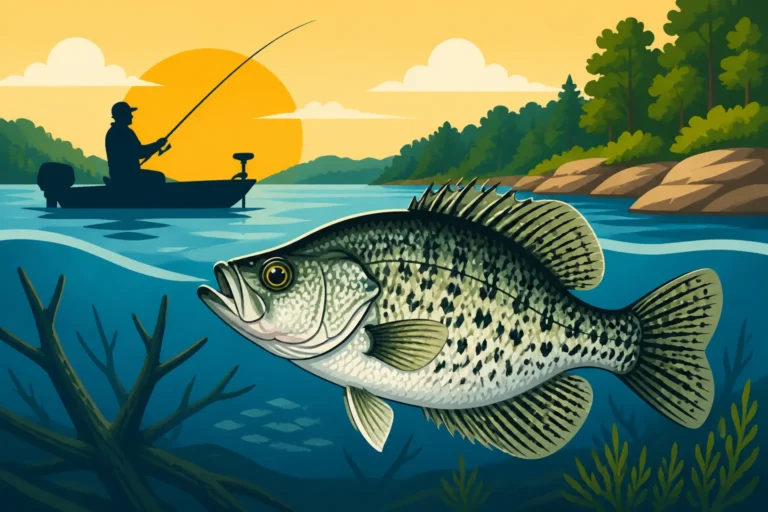
Crappie: From the bank, crappie often congregate around submerged brush, timber, or artificial structures like old docks and bridge pilings. A light spinning rod with 4-6 lb test line is perfect. Try a small jig (1/16 to 1/8 oz) under a bobber, letting it suspend near cover, or "tightlining" by slowly reeling and letting the jig fall along vertical structure. Minnows fished under a bobber are also deadly. Spring is a prime time as they move shallow to spawn. To really dial in your crappie game, check out our guide on the Best Crappie Fishing Spots on Fort Gibson Lake, Oklahoma.
-
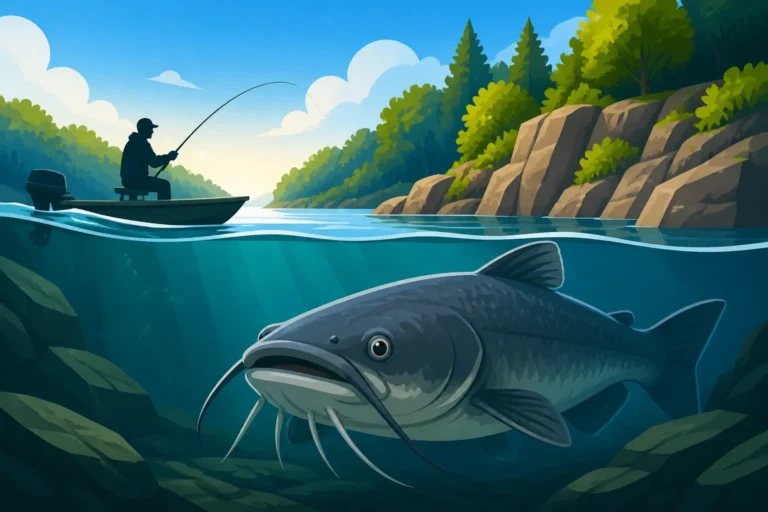
Catfish: For the robust catfish population in Fort Gibson, bottom fishing is your best friend from the bank. A medium-heavy rod with 12-20 lb monofilament or braided line, rigged with a slip sinker and a circle hook, is ideal. Use stink baits, cut shad, chicken liver, or even hot dogs for bait. Cast towards deeper channels, current seams, or simply let your bait sit on the bottom in a promising area. The evening hours are often the most productive for catfishing. For even more success, read up on Best Catfish Holes on Fort Gibson Lake.
-
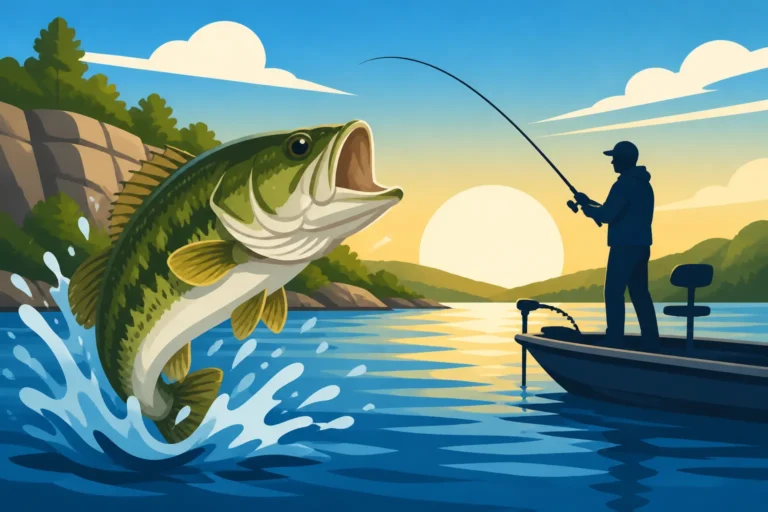
Bass: Largemouth, smallmouth, and spotted bass are all present in Fort Gibson and can be caught from the bank. For Largemouth Bass Fishing in Oklahoma: The Complete Guide, focus on casting lures that mimic their natural prey around points, rocky banks, or submerged cover. Spinnerbaits, crankbaits, soft plastic worms (Texas-rigged to avoid snags), and topwater lures (especially at dawn or dusk) are excellent choices. A medium-action spinning or baitcasting rod will cover most situations. Look for changes in depth or areas where vegetation meets open water – these are classic bass ambush points.
Recommended Gear for Comfort and Success
You don't need a boatload of expensive equipment to be a successful bank angler, but a few key items can make a world of difference for comfort and efficiency.
- Portable Chairs or Buckets: Standing all day can be tiring. A lightweight, foldable chair or a five-gallon bucket (which can also double as tackle storage) will be your best friend, especially if you plan on a longer outing.
- Tackle Bag or Backpack: Forget the massive tackle box; a compact tackle bag or backpack allows you to carry essential lures, baits, tools, and extra line comfortably, leaving your hands free for rods. Consider a rolling cart if you have a longer walk to your preferred spot. Our article on Best Gear for Bank Fishing at an Oklahoma Lake offers more ideas.
- Rod and Reel Combos: Having a couple of versatile rod and reel setups is smart. A medium-light spinning combo for crappie and panfish, and a medium-heavy spinning or baitcasting combo for bass and catfish, will cover most scenarios.
- Essentials for the Elements: Sun protection (hat, sunscreen, sunglasses) is non-negotiable. Bug spray is often necessary, especially during warmer months. And always, always bring plenty of water to stay hydrated. A small cooler with snacks makes the day even better.
- Wading Boots/Shoes: If you're going to explore slightly more rugged access points, a good pair of waterproof wading boots or shoes with solid grip can make navigating uneven or muddy banks much safer and more comfortable.
Maximizing Your Bank Fishing Experience at Fort Gibson
It's not just about where you fish or what gear you have; it's also about when and how you approach your outing. A little planning goes a long way.
Timing Your Trips for Optimal Success
Fish behavior is heavily influenced by time of day, season, and weather. Being strategic with your timing can significantly boost your catch rates.
- Best Times of Day: Generally, dawn and dusk are prime feeding times for most fish species, including bass, crappie, and catfish. The lower light conditions and cooler temperatures make fish more active and willing to move into shallower areas, putting them within casting range from the bank. Midday can be slower, especially in summer, but fish might still be caught in shaded areas or deeper pockets close to shore. Our guide on Bank Fishing Tips for Beginners emphasizes the importance of these golden hours.
- Seasonal Considerations: Each season brings unique opportunities. Spring is fantastic for crappie and bass as they move shallow for the spawn. Fall sees fish aggressively feeding before winter, making them easier to target. Winter can be tough, but deep channels near dams or warm water discharges can hold inactive fish. Summer often means early morning or late evening fishing, or targeting deeper areas if accessible from the bank. For a complete breakdown, consult Oklahoma Fishing Seasons: A Month-by-Month Guide.
- Weather Impacts: Overcast days can extend the "golden hours" for fishing, making fish more active throughout the day. A light rain can often turn on the bite, especially for catfish, by washing food into the lake. Pay attention to fronts; fishing before a cold front moves in can be excellent, while fishing immediately after can be challenging as fish become sluggish.
Safety and Etiquette on the Shoreline
Being a responsible and safe angler not only protects you but also ensures that others can enjoy the lake.
- Awareness of Boat Traffic and Dam Releases: Always be aware of your surroundings. If you're fishing near boat ramps or busy channels, keep an eye out for boaters. If you venture near the dam, heed all warnings about water releases. Your safety is paramount.
- Leave No Trace Principles: Pack out everything you pack in. Dispose of fishing line, bait containers, and other trash properly. Leaving the shoreline cleaner than you found it helps preserve the beauty of Fort Gibson Lake for everyone. Respecting the environment is part of the angling tradition.
- Respect Private Property: Always be mindful of property lines. If an area is marked "private property" or "no trespassing," respect those boundaries. There are plenty of public access points to enjoy without infringing on someone else's land.
- Consider a Local Guide: If you're new to Fort Gibson or want to explore some of the more challenging bank spots, connecting with a local fishing guide can be incredibly helpful. While they primarily offer boat trips, their deep knowledge of the lake, including its shorelines and fish movements, can provide invaluable tips for bank fishing. Platforms like FishingBooker can help you find experienced guides who know the ins and outs of Fort Gibson Lake. Even if you book a guided boat trip, the knowledge you gain about lake structure and fish behavior will inevitably improve your bank fishing success in the future. They can help you understand why certain areas are productive and how to identify similar spots from the bank.
Bank fishing at Fort Gibson Lake is a rewarding experience, offering the tranquility and challenge that many anglers seek. With a little planning, the right gear, and an understanding of the lake's diverse character, you'll be well on your way to a successful day on the shore.
Disclaimer
Fishing conditions, regulations, and access points can change. Always check the latest Oklahoma Department of Wildlife Conservation regulations and local signage before heading out. Safety should always be your top priority when fishing.