Best Boat Ramps on Fort Gibson Lake, Oklahoma
There’s nothing quite like the excitement of a morning on Fort Gibson Lake, boat loaded, rods ready, and the promise of a great fishing day ahead. But that excitement can quickly turn to frustration if you pull up to a boat ramp only to find it crowded, poorly maintained, or completely unsuitable for your rig, especially when the water levels are unpredictable. This guide is all about helping you avoid those headaches, giving you the inside scoop on the best boat ramps on Fort Gibson Lake, so your fishing trip starts and ends smoothly every single time.
Navigating Fort Gibson Lake's Diverse Ramps
Fort Gibson Lake is a sprawling, beautiful body of water, and with that comes a variety of access points. Not all ramps are created equal, and understanding the differences can make or break your launch and retrieval experience. It’s not just about getting your boat in the water; it’s about doing it safely, efficiently, and without any unnecessary stress.
Understanding Different Types of Ramps
When you're eyeing a spot on Fort Gibson, you'll generally encounter a few different types of ramps, each with its own set of advantages and challenges. Knowing what to expect before you arrive can save you a world of trouble.
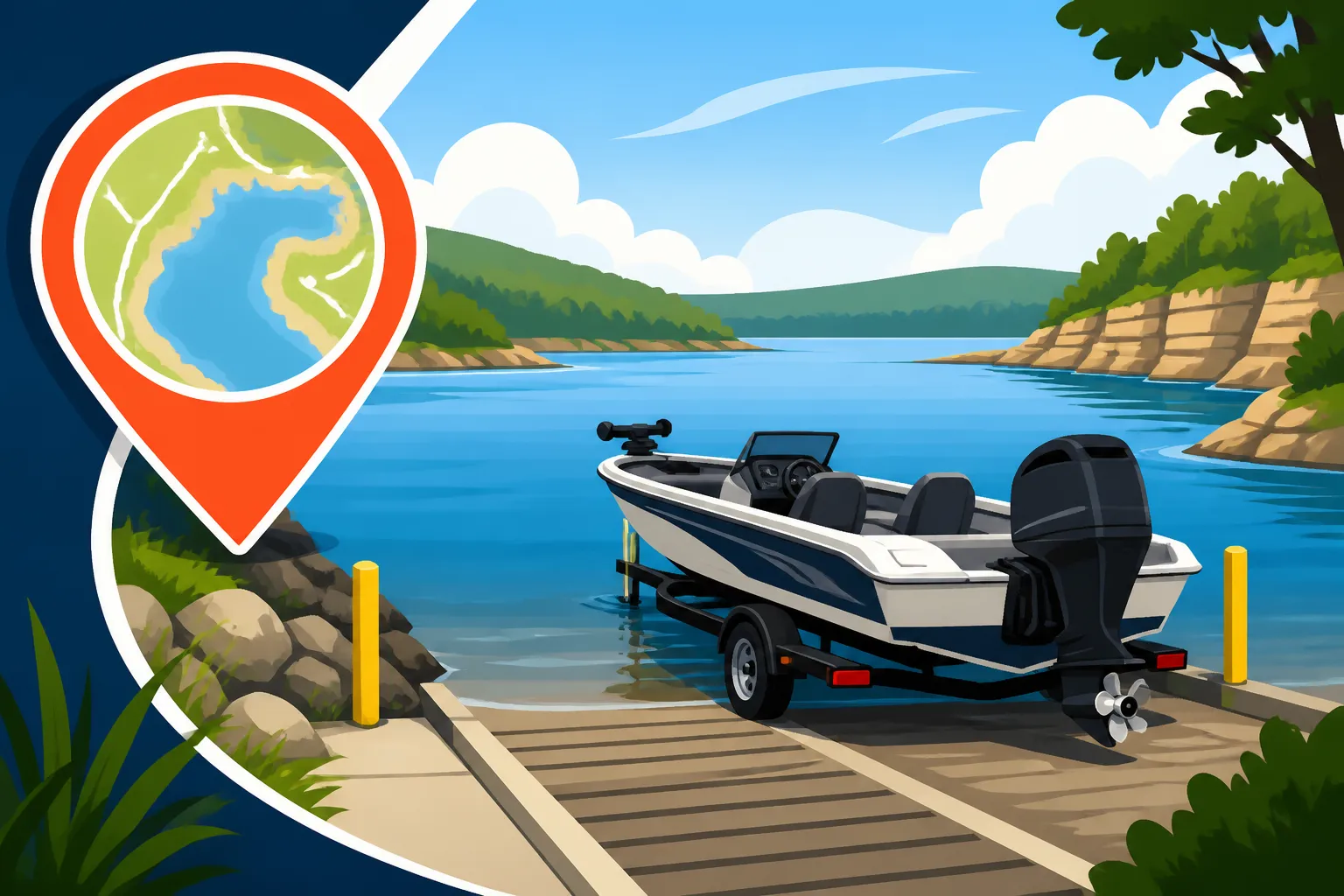
First, you have your concrete ramps. These are the most common and, generally, the most user-friendly. They offer a stable, even surface for launching and retrieving, which is especially important for larger boats or when the ramp is wet. The concrete typically extends well into the water, helping maintain a consistent depth even with fluctuating lake levels. Most major recreational areas and state parks will feature these. The downside? They're usually the most popular, which means during peak season or on weekends, you might be waiting in line. The concrete can also become slick with algae, so good traction for your tow vehicle is always a must.
Then there are gravel ramps. These are often found at more remote access points or smaller public areas. They can be a lifesaver when the concrete ramps are packed, offering a quieter, more rustic experience. However, they come with their own challenges. Gravel can be unpredictable – sometimes it’s firm, sometimes it’s soft and you risk getting stuck, especially if you have a heavier boat and a two-wheel-drive truck. It’s also easier for prop wash to create holes or troughs, making launching difficult, particularly when water levels are low. You’ll want to be extra careful, taking it slow, and perhaps even scope out the ramp on foot if you're unfamiliar with it.
Finally, you might run into primitive access points that are barely ramps at all. These are usually just dirt or worn-down paths to the water's edge. While they offer the ultimate solitude, they are typically only suitable for very small boats, canoes, kayaks, or Jon boats that can be easily launched by hand. Trying to launch a larger bass boat or pontoon here is just asking for trouble, both for your vehicle and the lakebed. Always be realistic about your equipment's capabilities versus the ramp's condition.
Factors to Consider When Choosing a Ramp
Choosing the right ramp for your Fort Gibson Lake adventure goes beyond just the material it's made of. There are several crucial factors that seasoned anglers consider, and you should too.
Water levels are a huge deal on Fort Gibson, like many Oklahoma reservoirs. A ramp that was perfect last month might be too shallow this month if the lake has dropped significantly. Always check current lake levels before you head out. Websites for the U.S. Army Corps of Engineers or local weather apps often provide this information. A concrete ramp with multiple lanes might still be usable in lower water, while a single-lane gravel ramp could become completely inaccessible. This is especially true for those remote spots.
Wind protection is another critical, but often overlooked, factor. Fort Gibson can get incredibly windy, and trying to launch or retrieve your boat in a crosswind can be a nightmare. Imagine wrestling your boat onto the trailer while waves are crashing against the side and pushing you into the dock or, worse, other boats. Look for ramps located in coves or sheltered areas that offer some natural protection from prevailing winds. This makes the whole process smoother and safer, especially if you're solo or have inexperienced helpers.
Proximity to your desired fishing spots is also key. If you're targeting big bass in a specific cove on the north end, driving an extra 30 minutes by boat from a ramp on the south end might not be ideal. On the other hand, if you're just looking to get out and enjoy the open water, a more central ramp might be fine. Factor in travel time on the water, fuel consumption, and how much time you want to spend actually fishing versus getting there. This is where planning your trip using resources like a comprehensive Fort Gibson Lake Fishing Guide can really pay off.
Lastly, available amenities can greatly enhance your experience. Does the ramp have ample parking for your truck and trailer? Are there clean restrooms nearby? Is there a courtesy dock to tie up your boat while you park your vehicle or prepare your gear? These small details can make a big difference, especially on long fishing days or if you're bringing the family along. Ramps at state parks or larger recreation areas typically offer the best amenities.
Top Public Boat Ramps on Fort Gibson Lake
Alright, let's talk specifics. Fort Gibson Lake boasts numerous ramps, but some stand out for their accessibility, amenities, and overall convenience. Knowing these top spots can save you precious fishing time and guarantee a smoother start to your day.
Taylor's Ferry North and South
The Taylor's Ferry area is often considered one of the prime access points on Fort Gibson Lake, and for good reason. It offers two distinct ramp locations: Taylor's Ferry North and Taylor's Ferry South. Both are generally well-maintained concrete ramps, making them reliable choices for most boaters. They boast ample parking, which is a blessing on busy weekends, and usually feature courtesy docks to make your launch and retrieval easier.
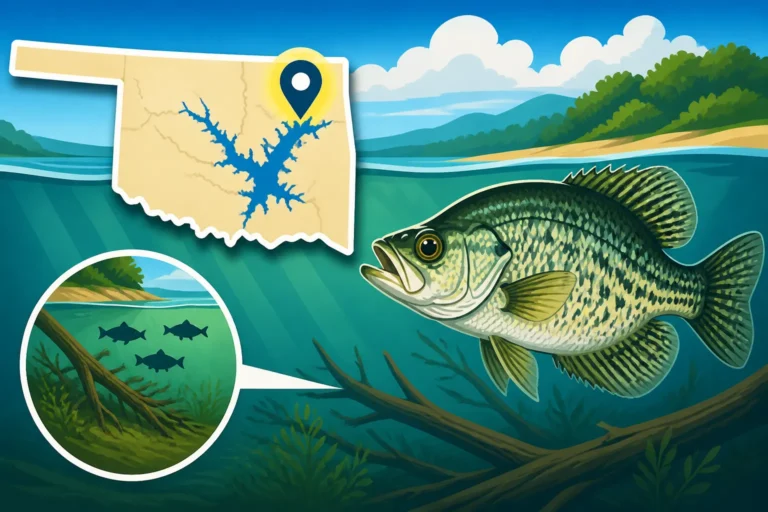
Taylor's Ferry North is a popular choice due to its strategic location and good access to prime fishing waters. The ramp is wide and typically has multiple lanes, accommodating several boats launching simultaneously, which helps alleviate some of the waiting. From here, you’re in a good position to explore the central part of the lake, known for its diverse fishery. Anglers targeting everything from largemouth bass to crappie will find this a convenient jumping-off point. It’s particularly useful if you're looking for Best Crappie Fishing Spots on Fort Gibson Lake, Oklahoma or trying to hit some early morning bass runs.
Taylor's Ferry South offers similar advantages in terms of quality concrete ramps and parking. It tends to be slightly less crowded than the North ramp at times, offering a bit more breathing room. Both Taylor's Ferry locations are generally protected from the most extreme winds, making for safer launches. They are also close to bait shops and other services, which is a major plus when you realize you forgot something crucial.
Sequoyah State Park Ramp
For those who appreciate convenience and a full range of amenities, the ramp within Sequoyah State Park is an absolute gem. This state park is a destination in itself, and its boat ramp reflects that quality. You'll find excellent concrete ramps, typically with plenty of lanes, along with expansive parking areas that rarely feel overcrowded.
What truly sets the Sequoyah State Park ramp apart are the additional facilities. We're talking clean restrooms, picnic areas, playgrounds for the kids, and even lodging options if you're planning a multi-day trip. It's an incredibly family-friendly option, perfect if you're bringing along new anglers or just want to make a full day of it beyond fishing. The ramp here is usually well-protected, offering calm waters for easy launching, even when the wind picks up elsewhere on the lake. If you're looking for a comfortable basecamp with easy access to good fishing, especially for species like catfish where you might need quick access back to shore, this is a fantastic choice. You can find more details about general Oklahoma Life Jacket and PFD Rules for Boaters which are always strictly enforced in state parks, so make sure everyone on board is properly equipped.
Mazie Landing
If you prefer a slightly less bustling atmosphere but still want reliable access, Mazie Landing is a solid option. Located on the northern arm of Fort Gibson Lake, this ramp provides good concrete access and sufficient parking without the heavy traffic you might sometimes encounter at the more popular spots.
Mazie Landing is often favored by anglers looking to target the northern sections of the lake, which can sometimes offer different fishing patterns than the main body. It's a great spot if you're trying to escape some of the larger recreational boat traffic and focus purely on fishing. The ramp conditions are generally good, and while amenities might be a bit more basic than a full state park, it still provides everything you need for a smooth launch. This location can be particularly good for finding some quiet water for finesse fishing or if you're setting out for some early morning crappie before the crowds arrive.
Wagoner City Park Ramp
For those based near the city of Wagoner, or if you just appreciate the convenience of an urban access point, the Wagoner City Park Ramp is worth considering. This ramp is easily accessible from town and provides a straightforward way to get onto the lake.
Like other city-maintained ramps, you can expect concrete surfaces and reasonable parking. Its main draw is its convenience, especially for quick trips or if you need to run errands before or after hitting the water. While it might not offer the same sprawling natural beauty as some of the more remote ramps, it’s highly functional and reliable. It’s also often a good spot to launch if you’re planning to explore the southwestern portions of Fort Gibson Lake, providing quick access to that area. Always check Oklahoma Boat Registration and Titling Rules Explained before launching from any public ramp, as game wardens are frequently present at high-traffic areas.
Here's a quick comparison of some of Fort Gibson's key boat ramps:
| Ramp Name | Type of Ramp | Number of Lanes | Parking Availability | Amenities | Pros | Cons |
|---|---|---|---|---|---|---|
| Taylor's Ferry North | Concrete | 2-3 | Ample | Courtesy Dock | Popular, good access to central lake | Can get crowded on weekends |
| Taylor's Ferry South | Concrete | 2 | Good | Courtesy Dock | Slightly less crowded, reliable | Fewer lanes than North ramp |
| Sequoyah State Park | Concrete | 3-4 | Excellent | Restrooms, Picnic, Camping, Courtesy Dock | Full amenities, family-friendly, sheltered | Park entrance fee (seasonal) |
| Mazie Landing | Concrete | 1-2 | Moderate | Limited | Quieter, good for northern lake access | Fewer amenities, can be more exposed |
| Wagoner City Park | Concrete | 2 | Moderate | Restrooms, Park | Convenient urban access, quick trips | Less "natural" feel, can be busy |
Essential Ramp Etiquette and Safety Tips
Using boat ramps, especially popular ones, is a bit like a dance – everyone needs to know the steps to keep things flowing smoothly. A little common courtesy and preparation go a long way in ensuring your day, and everyone else's, starts off right.
Pre-Launch Checklist and Preparation
The golden rule of boat ramps is "prepare before you get to the ramp." Nothing is more frustrating than someone holding up the line while they load tackle boxes, strap down rods, or connect their engine's fuel line. Before you even get close to the water's edge, pull over to a designated staging area or an empty corner of the parking lot and get everything ready.
Here’s a quick checklist:
- Remove all tie-down straps: Leave just the bow strap attached for safety.
- Insert drain plug: This is the most common mistake and can ruin your day before it even begins!
- Load all gear: Rods, tackle boxes, coolers, life jackets – everything should be in the boat.
- Disconnect trailer lights: If submergible, this protects them from shorting out.
- Prepare dock lines and fenders: Have these ready to grab and use as soon as the boat is off the trailer.
- Check engine and fuel: Prime the bulb, check for any obvious issues.
- Life jackets for kids: Ensure anyone 12 and under has their life jacket on before you even back down the ramp, as per Oklahoma Life Jacket and PFD Rules for Boaters.
The goal is to back down the ramp, launch your boat, and get out of the way as quickly and safely as possible. Think of it as a pit stop in a race; efficiency is key! FishingBooker even recommends having a pre-launch checklist to maximize your time on the water.
Navigating Busy Ramps
When the fish are biting, ramps can get incredibly busy. This is where patience and politeness are your best friends.
Be aware of your surroundings: Pay attention to who is launching or retrieving, and anticipate your turn. Don't be that person who cuts off another boater.
Communicate: If you need an extra minute, or if someone else does, a simple wave or verbal acknowledgment can prevent frustration.
Keep it moving: Once your boat is launched, get it off the ramp and tied to a courtesy dock (if available) so the next person can go. Don't idle around in the middle of the ramp chatting or rigging up.
Practice your trailer skills: If you're new to backing a trailer, find an empty parking lot and practice. Doing it confidently and quickly at a busy ramp will earn you respect from fellow anglers. If you struggle, consider going at off-peak hours initially.
Be mindful of parking: Park your truck and trailer neatly and within marked spaces. Don’t hog multiple spots or block access for others.
Safety Considerations Beyond the Ramp
Your safety on the water begins long before you cast a line. While getting your boat in and out is step one, remember that being on the water comes with its own set of responsibilities.
Life jackets are non-negotiable: Everyone in the boat should have a Coast Guard-approved life jacket, readily accessible or worn. For kids 12 and under in Oklahoma, wearing them is mandatory. It's truly a critical piece of Safety Gear Checklist for Oklahoma Boaters.
Weather awareness: Fort Gibson Lake, like many large Oklahoma lakes, can experience sudden and severe weather changes. Always check the forecast before you leave, and keep an eye on the sky while you're out. If storms are brewing, head back to the ramp early.
Know your limits: Don’t push your boat or your skills beyond what's safe. If the water is rough, or you’re unfamiliar with the area, err on the side of caution.
File a float plan: Especially if you're heading to a remote part of the lake or fishing alone, let someone know where you're going and when you expect to return.
Optimizing Your Fort Gibson Lake Fishing Trip
Choosing the right ramp is just one piece of the puzzle for a successful and enjoyable fishing trip on Fort Gibson Lake. To truly maximize your time and increase your chances of a great catch, you need to think about the bigger picture.
Seasonal Considerations for Ramp Use
Fort Gibson's personality changes with the seasons, and so too should your ramp strategy. What works in spring might be a challenge in late summer or winter.
Spring: This is prime time for many species, especially crappie and bass, as they move shallow for the spawn. Ramps will be busy. Water levels are usually good, but sudden spring rains can cause them to rise quickly, bringing debris into the lake. Look for ramps that are easy to access and offer good parking, as competition will be high. This is also when you'll want to review Bass, Crappie and Catfish Limits Compared as rules can change depending on the season and specific lake conditions.
Summer: Hot weather means early mornings and late evenings are key for fishing. Night fishing is also popular. Ramps can still be busy during the day with recreational boaters, so plan your launches and retrievals for off-peak hours. Water levels might start to drop, making some shallow ramps more difficult. Look for ramps with good sun protection for your vehicle or consider a ramp with deep water access. FishingBooker notes that summer often sees higher recreational traffic, so choosing a less-used ramp can be beneficial.
Fall: As temperatures cool, fishing picks up again, and ramp traffic might lessen slightly. Water levels are usually stable, and the beautiful autumn foliage adds a scenic bonus. Fall can be a great time to explore less-used ramps as the crowds thin out, giving you more flexibility.
Winter: This is the quietest time on the lake. Many anglers pack up their gear, but serious winter anglers know some species, especially catfish, can be caught all year. Ramps will be nearly empty, but always check for ice if temperatures have been consistently freezing. Ensure your vehicle can handle potentially slippery conditions on concrete ramps. Winter might be the perfect time to explore Remote Fishing Coves on Fort Gibson Lake for Bass with minimal disturbance.
Local Knowledge and Resources
Never underestimate the power of local knowledge. The anglers who live and breathe Fort Gibson Lake have an almost innate understanding of its nuances.
Bait and Tackle Shops: These are goldmines of information. Stop in at a local shop like those in Wagoner or near Sequoyah State Park. Ask about current fishing reports, which ramps are performing well, and any specific tips for the day. They’ll often know if a certain ramp is particularly slick or if water levels are affecting access. They can also point you to the best baits and lures for the current conditions.
Online Fishing Forums and Social Media Groups: Many local anglers share tips, ask questions, and post reports on dedicated Fort Gibson Lake fishing groups. These can be incredibly helpful for real-time updates on ramp conditions, fishing hot spots, and general camaraderie.
Local Guides: If you're serious about learning the lake, consider hiring a local fishing guide for a day. They can show you prime fishing areas, share techniques, and even provide insights into the best access points depending on your target species and the time of year. A good guide can fast-track your learning curve. Many guides list their services on platforms like FishingBooker, making it easy to find someone with local expertise.
Planning Your Day on the Water
Finally, combine your ramp choice with your overall fishing strategy.
If you're targeting specific species, like the trophy-sized blue catfish that Fort Gibson is known for, your ramp choice might be dictated by its proximity to deeper channels or known feeding grounds. For example, if you're after Best Catfish Holes on Fort Gibson Lake, you might prioritize a ramp that allows quick access to the main river channel.
Similarly, if you're just looking for a relaxing day of panfishing with the family, a ramp at Sequoyah State Park with its full amenities and calmer waters might be more suitable. Consider how much time you want to spend running across the lake versus fishing. The closer your ramp is to your desired fishing grounds, the more actual fishing time you’ll have.
Remember to always have your valid Fishing License Requirements in Oklahoma in hand, regardless of which ramp you use. Game wardens regularly patrol these areas, and it's always better to be prepared.
Fort Gibson Lake offers fantastic fishing opportunities, and by understanding its boat ramps, practicing good etiquette, and staying aware of conditions, you’ll be set for many memorable days on the water.
Disclaimer
Please note that fishing conditions, regulations, and facility availability on Fort Gibson Lake can change. Always verify current lake levels, local weather forecasts, and Oklahoma Department of Wildlife Conservation regulations before planning your trip. The information provided here is for general guidance and educational purposes only.