Walleye Fishing Techniques
There's nothing quite like the thrill of chasing walleye, but let's be honest, these "fish of a thousand casts" can sometimes feel more like the "fish of a million frustrations," especially when you're trying to figure out their patterns in a new lake or river. If you've ever felt like you're just blindly casting, hoping for a bite, then you know the struggle. This comprehensive guide is here to break down the most effective walleye fishing techniques for Oklahoma's diverse waters, helping you unlock their secrets and increase your chances of a successful day on the water.
Understanding Walleye Behavior in Oklahoma
Before you even think about what lure to tie on, it's crucial to understand what makes walleye tick. These fish are creatures of habit, driven largely by environmental factors like light, temperature, and food availability. In Oklahoma, with our often-turbid waters and varied lake structures, deciphering their behavior is the first step to consistent success.
The Influence of Water Temperature and Light
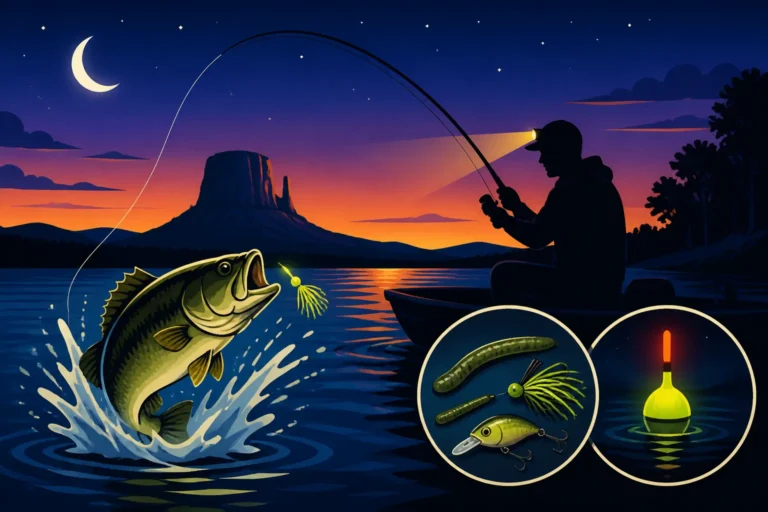
Walleye are notoriously light-sensitive. Their large, reflective eyes are perfectly adapted for low-light conditions, giving them a significant advantage over their prey during dawn, dusk, and even moonlit nights. This is why you'll often find them retreating to deeper, darker waters or hiding under heavy cover during bright, sunny days. Anglers often struggle because they're fishing at the wrong time of day, trying to catch them when the sun is high and the walleye are hunkered down, practically refusing to bite. Adjusting your fishing schedule to target those low-light windows can dramatically improve your catch rates.
Water temperature also plays a critical role in walleye metabolism and activity levels. In Oklahoma, our lakes can swing wildly from icy cold in winter to bathwater warm in summer. Walleye are most active and feed aggressively within a specific temperature range, typically between 55-70°F (13-21°C). When temperatures are outside this range, their activity slows, and they become much pickier eaters. Understanding these thermal preferences helps pinpoint where they might be staging and what kind of retrieve speed might entice a strike. For instance, in colder water, a slow, deliberate presentation is often key, while warmer water can sometimes warrant a more aggressive approach.
Walleye Habitat Preferences in Oklahoma Lakes
Oklahoma's reservoirs offer a variety of habitats, and walleye will utilize different areas depending on the season, time of day, and availability of forage. Generally, walleye prefer structured environments that offer both cover and access to open water for feeding. This includes submerged humps, rock piles, ledges, deep points, and creek channels. They love to ambush baitfish from these strategic locations. Many anglers make the mistake of fishing wide-open flats when the walleye are actually tightly congregated around a specific piece of structure, sometimes no bigger than a car.
In larger lakes like Canton Lake, Lake Fort Supply, or Kaw Lake – known for their walleye populations – understanding the contours and submerged features is paramount. These fish often relate to the thermocline in summer, an invisible layer where warm surface water meets cooler deep water, as it concentrates baitfish and offers comfortable temperatures. Knowing how to read your electronics to identify these areas will put you directly over where the walleye are holding. Remember, walleye aren't usually cruising aimlessly; they are almost always associated with some form of structure, whether natural or man-made.
Spawning Habits and Post-Spawn Movement
The annual walleye spawn is a critical period that dictates their location and behavior for weeks. In Oklahoma, walleye typically spawn in late winter to early spring when water temperatures reach the 45-50°F (7-10°C) range. They seek out shallow, rocky areas, often near rip-rap shorelines, dams, or river inflows, where currents can help aerate their eggs. During this time, they are often concentrated and can be caught with specific techniques, but they can also be finicky due to their primary focus on reproduction.
After the spawn, walleye move into a post-spawn phase, often retreating to deeper main lake points or channel bends to recover. This transition period can be one of the toughest times to catch them as they are lethargic and dispersed. However, as they regain strength and their hunger returns, they'll begin to spread out, following baitfish into their preferred summer haunts. Knowing when and where these movements occur is vital; otherwise, you might be fishing the spawning beds weeks after the fish have moved on, wondering why you're not getting any bites. This is a common frustration for many anglers who haven't quite dialed in the timing.
Seasonal Walleye Fishing Techniques
Oklahoma's seasons bring dramatic changes, and a technique that worked wonders in spring might be completely ineffective in summer. Adapting your approach to the time of year is not just a suggestion; it's a necessity for successful walleye fishing. You can't just throw the same crankbait year-round and expect results.
Spring Walleye Strategies
Spring is a prime time for walleye fishing, as these fish begin to shake off their winter lethargy and prepare for the spawn. As the water warms, you'll find walleye moving shallower, often staging in pre-spawn areas or actively spawning on rocky banks. Jigging is an incredibly effective technique during this period. A 1/4 to 3/8 ounce jig tipped with a minnow or a soft plastic grub like a Berkley Gulp! Minnow can be deadly. Focus on casting to rip-rap, rocky points, and shallow flats near deeper water. The key is a slow, deliberate retrieve, hopping the jig along the bottom.
Trolling can also be highly productive, especially for searching large areas. Use shallow-running crankbaits or spinner rigs with a worm or minnow. As the water temperatures approach the ideal spawning range, sometimes you can even find them right on the bank in extremely shallow water, particularly during low-light conditions. It's during this time that many anglers experience some of the year's best fishing, especially when targeting larger females. For more on this, check out our guide on Best Walleye Lures for Spring Fishing.
Summer Deepwater Tactics
Once the scorching Oklahoma summer heat sets in, walleye typically retreat to deeper, cooler waters. This is where your electronics become your best friend. Look for them holding on the edges of creek channels, deep points, submerged humps, and around the thermocline. Trolling deep-diving crankbaits is arguably the most consistent method for covering water and locating these deep-holding fish. Use lures like the Rapala Deep Tail Dancer or Bandits, often employing lead core line or downriggers to get your baits down to the desired depth.
Another potent technique for summer is vertical jigging or drifting with live bait. Find a school of walleye on your fish finder and drop a jig tipped with a large minnow or a nightcrawler directly onto their heads. Lindy Rigs with a bottom bouncer and a crawler harness are also phenomenal for slowly drifting over deep structure, keeping your bait right in the strike zone. Don't be afraid to experiment with different speeds and depths until you find what triggers a bite; sometimes a slight change in presentation makes all the difference. Knowing how to troll for walleye in summer is a game-changer.
Fall Feeding Frenzy Methods
As summer gives way to fall and water temperatures begin to drop, walleye sense the approaching winter and engage in a massive feeding spree to pack on weight. This "fall bite" can be incredibly aggressive and rewarding. Walleye will often move back to shallower depths during low-light periods, congregating on points, flats, and humps where baitfish are abundant. Trolling medium-running crankbaits, casting blade baits, or using jerkbaits are all excellent choices.
Live bait remains highly effective, with large minnows being a top choice for targeting aggressive fall walleye. Focus on transitions where shallow water drops into deeper channels, as walleye will use these highways to move between feeding and resting areas. The key in fall is to cover water, as fish can be widely dispersed but eager to bite. Pay attention to sudden changes in weather, as a cooling trend can often ignite an even stronger bite.
Winter Walleye on the Ice (or Open Water for Oklahoma)
While ice fishing isn't a primary walleye technique across all of Oklahoma due to milder winters, some northern lakes like Kaw Lake or Lake Hefner can offer ice fishing opportunities in colder years. If you're on the ice, vertical jigging with small spoons, lipless crankbaits, or jigs tipped with minnow heads are standard. Pay close attention to subtle bites, as winter walleye can be very finicky.
For most of Oklahoma, winter means open water fishing, albeit with slower metabolism from the fish. Walleye often hold tight to deep structure, especially near river channels or major lake features. Slowly trolling deep-diving crankbaits, using heavy jigs, or vertically presenting spoons can still tempt a bite. Fish slowly, deliberately, and be patient. Walleye are still catchable, but they require a much more finessed approach compared to their aggressive fall counterparts. Understanding the Best Time of Year to Catch Walleye will help guide your winter efforts.
Walleye Lures and Baits for Oklahoma Waters
The sheer number of lures and baits available can be overwhelming, making it tough to choose. For walleye, simplicity often wins, but having a versatile arsenal is key to adapting to different conditions in Oklahoma's lakes and rivers.
Jigs and Soft Plastics
Jigs are arguably the most versatile and effective walleye lure, period. A simple lead-head jig, often between 1/8 and 1/2 ounce depending on depth and current, can be tipped with a variety of offerings. Live minnows, shiners, and nightcrawler pieces are classic choices that offer natural scent and action. For an artificial alternative, soft plastic grubs, paddle tails, or stick baits like those found on Amazon from brands like YUM or Strike King can be incredibly effective. Color is crucial; experiment with chartreuse, pearl, white, or various shad patterns until you find what the walleye prefer on a given day.
The presentation of a jig is paramount. A slow, lift-and-drop retrieve, allowing the jig to hit bottom and then flutter back up, is often what triggers strikes. In muddy or stained water, a jig can be more visible due to its profile and vibration, making it a reliable choice for Oklahoma's often-turbid environments. Don't be afraid to add a small plastic trailer or a scented soft plastic to enhance its appeal.
Crankbaits and Trolling Plugs
Crankbaits are indispensable for covering vast expanses of water, especially when trolling to locate scattered walleye. They come in an array of diving depths, colors, and actions. Shallow-running crankbaits are great for spring and fall, targeting fish near the surface or along shallow contours. Deeper-diving plugs are your workhorses for summer and winter, reaching walleye that are holding in 20, 30, or even 40 feet of water. Brands like Rapala, Reef Runner, and Bandit have excellent reputations among walleye anglers.
When choosing a crankbait for Oklahoma waters, consider the local forage. Shad patterns, chrome, and blue/silver combinations are often excellent choices, but don't shy away from brighter colors like firetiger or chartreuse, especially in stained water. Trolling speed is critical; a slower speed (1-2 mph) often works best, but sometimes a slight speed burst or turn of the boat can induce a reactionary strike from following fish. Knowing the depth your lure runs at a given speed is key to keeping it in the strike zone.
Live Bait Rigs: Minnows, Worms, and Leeches
Sometimes, there's just no substitute for natural bait. Live bait rigs offer scent, natural movement, and a profile that artificials can't always replicate, making them incredibly effective for finicky walleye.
- Minnows and Shiners: These are walleye staples. Fished on a plain hook under a bobber in shallow water, or on a Lindy Rig or bottom bouncer in deeper water, a lively minnow is hard for a walleye to resist. Hook them lightly through the lips or just behind the dorsal fin to keep them active.
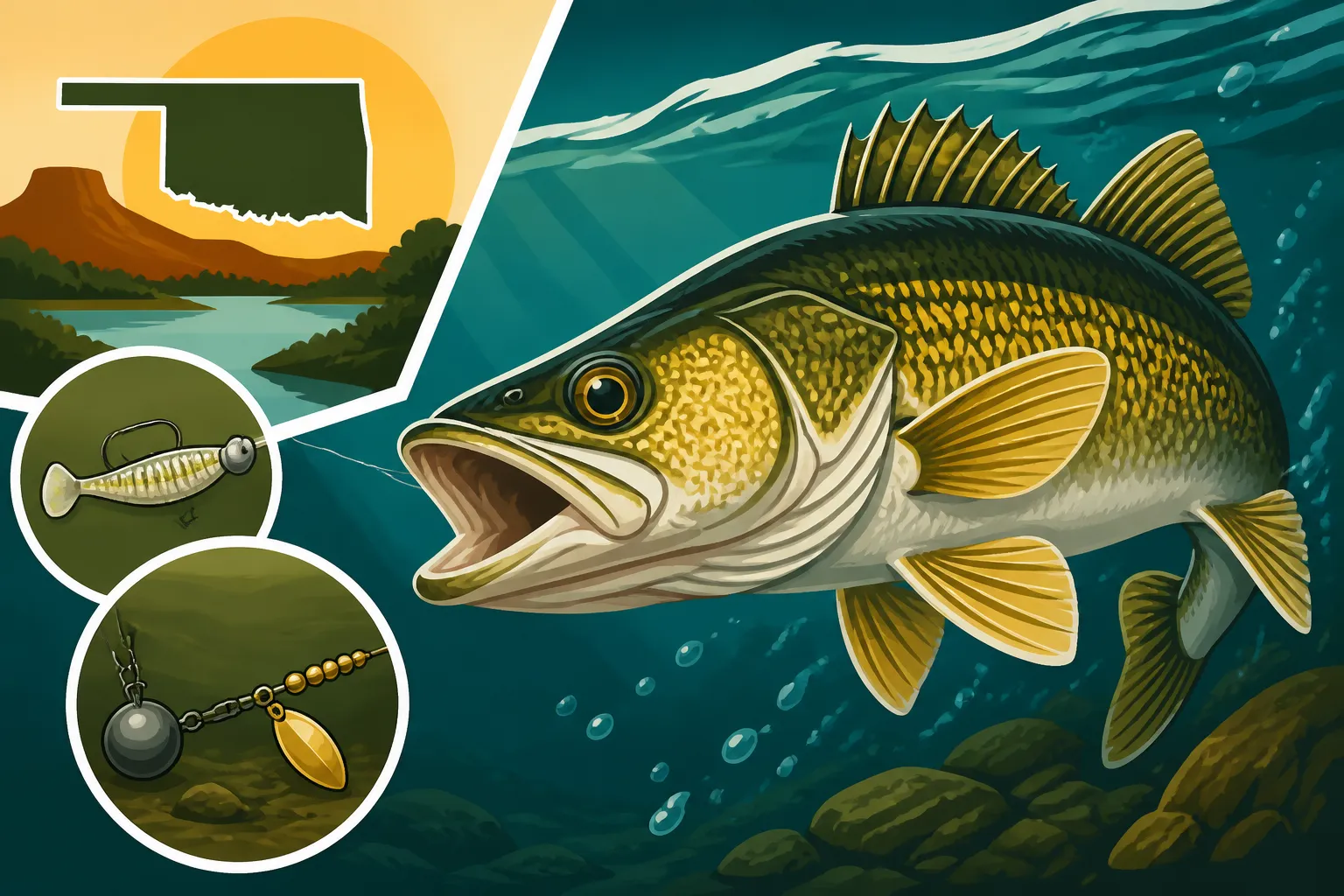
- Nightcrawlers: Walleye absolutely love nightcrawlers, especially when presented on a worm harness. These consist of a series of hooks, often with colored beads or a small spinner blade, that are threaded through a crawler. The spinner provides flash and vibration, while the wiggling worm offers irresistible appeal. They are fantastic for slow trolling or drifting.
- Leeches: While not as commonly available in Oklahoma bait shops as minnows or worms, leeches are another potent walleye bait, particularly in clearer waters. They are incredibly durable and remain active on the hook, making them a good choice for still-fishing or slow presentations. Hook them through the sucker end.
For the most effective live bait presentations, focus on keeping the bait as natural-looking and lively as possible. Consider different leader lengths and sinker weights to fine-tune your presentation to the conditions. Many specialized live bait hooks are available on Amazon that are designed to keep your bait lively and increase hook-up ratios.
Essential Gear for Walleye Anglers
Having the right tools for the job can make a world of difference when you're targeting elusive walleye. From your rod and reel to your electronics, each piece of gear plays a vital role in your success.
Rods, Reels, and Line Selection
Choosing the right rod, reel, and line setup is crucial for feeling those subtle walleye bites and successfully landing these often-head-shaking fish.
- Rods: For jigging and casting, a medium-light to medium power spinning rod, typically 6'6" to 7'6" long with a fast or extra-fast action, is ideal. This combination offers the sensitivity to detect light bites and the backbone to set the hook. For trolling, a medium to medium-heavy power casting rod, often 7' to 9' in length, with a moderate action is preferred. The softer action helps absorb the shock of a strike while trolling and prevents hooks from tearing out.
- Reels: Spinning reels in the 2000-3000 size range are perfect for casting jigs and lighter lures, offering a smooth drag and comfortable retrieve. For trolling, baitcasting reels are often favored for their line capacity and ability to handle heavier lines and lures. Look for reels with a smooth, reliable drag system, as walleye can make strong runs.
- Line: The choice of line is critical. Many walleye anglers swear by a low-stretch braided line for jigging and casting, typically 8-15 lb test, because its incredible sensitivity allows you to feel even the lightest tap. However, braid is highly visible, so always use a fluorocarbon leader (6-10 lb test) for stealth. For trolling, monofilament (10-14 lb test) or fluorocarbon (10-12 lb test) can be used, with monofilament offering more stretch which can be beneficial with aggressive strikes from trolling. For specific recommendations, our guide on Best Rods and Reels for Oklahoma Fishing offers more details.
Electronics and Navigation Tools
In today's walleye fishing world, electronics are not just a luxury; they're practically a necessity, especially on Oklahoma's larger reservoirs.
- Fish Finders (Sonar/GPS Combos): A good quality fish finder with 2D sonar, Down Imaging, and Side Imaging capabilities will revolutionize your walleye fishing. Brands like Humminbird and Lowrance offer excellent units that can help you locate submerged structure, identify baitfish schools, and even pinpoint individual walleye. Being able to see what's directly beneath and to the sides of your boat allows you to efficiently find fish-holding areas. You can see ledges, humps, and even individual rocks that walleye might be relating to.
- GPS/Mapping: Integrated GPS with detailed lake maps is invaluable for navigation and marking waypoints. You can save your productive spots, mark hidden hazards, and easily return to a specific piece of structure that produced fish. These features are incredibly helpful for navigating sprawling lakes like Lake Texoma or Grand Lake O' the Cherokees. Many modern units combine these features, providing a complete picture of the underwater world and your position on it. Choosing a good Fish Finder Features That Matter Most on Oklahoma Reservoirs can be overwhelming, but it's worth the investment.
Essential Tackle Box Items
Beyond your rods and reels, a well-stocked tackle box is essential. This isn't just about having lures; it's about having the right tools for common challenges.
- Terminal Tackle: Always carry a good selection of hooks (jig heads, snell hooks, treble hooks), swivels, and sinkers (bullet weights, split shots, bottom bouncers). These allow you to adapt your rigs for different depths and presentations.
- Tools: A quality pair of pliers (needle-nose and side cutters), a line cutter, a hook remover, and a small scale are must-haves. A net with rubberized mesh is also highly recommended, as it's gentler on the fish and prevents hooks from getting tangled.
- Storage: Keep your lures organized in tackle trays. This not only makes it easier to find what you need but also protects your lures and ensures hooks stay sharp. Consider specific trays for jigs, crankbaits, and soft plastics. You can find a vast array of tackle storage solutions on Amazon that cater to every angler's needs.
Locating Walleye on Oklahoma Lakes and Rivers
Finding walleye is often the biggest hurdle. These fish are constantly on the move, and what works one day might not work the next. However, by understanding key underwater features and how to read your electronics, you can significantly improve your chances of consistently locating them.
Understanding Structure and Cover
Walleye are structure-oriented fish, meaning they relate strongly to changes in the lake or river bottom. This could be a steep drop-off, a submerged creek channel, a rock pile, a humps, or even standing timber. These features provide ambush points, shade, and access to deeper water, which walleye crave. When you're out on the water, don't just fish aimlessly. Take the time to study a contour map of the lake (many GPS units have excellent built-in mapping) and identify potential walleye holding areas.
Once you've identified promising structure, fish it thoroughly. Make multiple passes, approaching from different angles. Pay particular attention to the "breaks" – where shallow water transitions quickly to deep water. These are often highways for baitfish and predators alike. Don't overlook subtle changes either; even a small rise or a cluster of rocks on an otherwise featureless flat can hold a school of walleye. Think like a walleye: where would you hide to ambush prey, and where would you go to feel safe from predators and harsh sunlight?
Interpreting Your Fish Finder
Your fish finder is an invaluable tool for locating walleye, but only if you know how to interpret what it's telling you. It's more than just a depth gauge; it's a window into the underwater world.
- Arches and Marks: Walleye will often appear as distinct arches on your 2D sonar. A strong, clear arch usually indicates a larger fish. Smaller marks or "clouds" can be baitfish, which are crucial to locate as walleye will often be nearby.
- Bottom Composition: Your sonar can also reveal the type of bottom you're over. A hard bottom (rock, gravel) will show a thicker, more intense signal, while a soft bottom (mud, silt) will show a thinner signal. Walleye generally prefer harder bottoms.
- Side Imaging/Down Imaging: These advanced features provide photo-like images of the bottom and structure. Side Imaging allows you to scan wide areas to either side of your boat, revealing entire rock piles, old roadbeds, or submerged timber that you might otherwise miss. Down Imaging gives you a highly detailed view directly beneath your boat. Use these tools to identify specific pieces of cover that walleye might be relating to, like a single stump or a small school of baitfish clustered around a brush pile. Mastering your electronics takes time, but it's one of the most effective ways to locate fish on larger bodies of water.
Targeting River Walleye
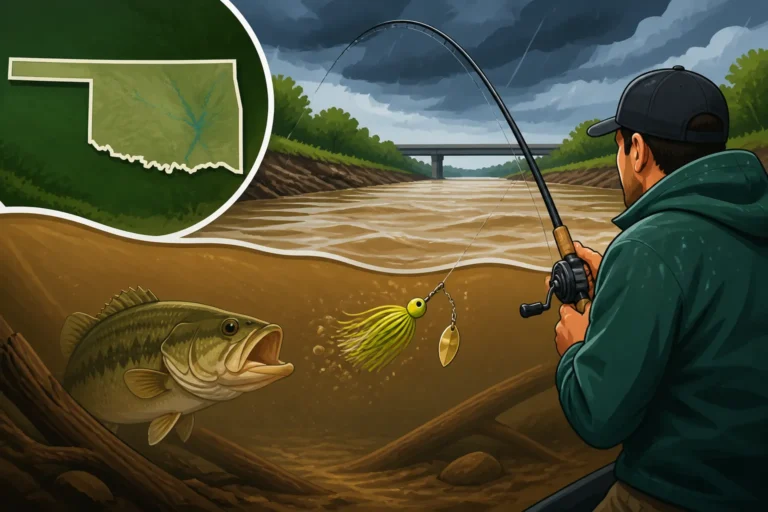
While many focus on Oklahoma's large reservoirs, the state's rivers also hold excellent walleye populations, particularly below dams and in deeper river bends. Fishing for river walleye presents unique challenges and opportunities.
- Current and Eddies: River walleye are masters of using current to their advantage. They will often sit in eddies or behind current breaks (like large rocks, logs, or channel swings) to conserve energy, waiting for baitfish to be swept past them. Focus your efforts on these areas.
- Jigging and Bottom Bouncing: Jigging with a heavy jig or a jig-and-minnow combination is often deadly in current. You need enough weight to get your bait to the bottom without being swept away too quickly. Bottom bouncers with a crawler harness or a minnow rig are also excellent for drifting or slowly trolling with the current, keeping your bait in the strike zone.
- Structure: Look for deeper holes, scour lines below dams, and the mouths of tributaries. These areas often concentrate baitfish and provide ideal walleye habitat. Remember to adjust your weight and presentation to the strength of the current. Our guide on Where to Catch Walleye in Oklahoma offers great river spots to try.
Here's a quick comparison of some popular walleye techniques:
| Technique | Best Season(s) | Typical Depth Range | Primary Target | Pros | Cons |
|---|---|---|---|---|---|
| Jigging (Live Bait) | Spring, Fall, Winter | Shallow to Deep | Active, Reluctant Fish | Natural presentation, high success | Slow to cover water, prone to snags |
| Jigging (Soft Plastic) | Spring, Fall, Winter | Shallow to Deep | Active, Reluctant Fish | Versatile, durable, varied action | Less natural scent, may require skill |
| Trolling (Crankbaits) | Summer, Fall | Mid-depth to Deep | Scattered, Active Fish | Covers large areas quickly, consistent | Requires boat, can be expensive |
| Trolling (Crawler Harness) | Summer, Fall | Mid-depth to Deep | Scattered, Active Fish | Combines scent & flash, effective in heat | Slower speeds, bait management |
| Drifting (Lindy Rig) | Summer, Fall | Deep | Finicky, Scattered Fish | Very natural presentation, sensitive | Slow, requires knowledge of bottom |
| Casting (Blade Baits) | Spring, Fall | Shallow to Mid-depth | Aggressive, Active Fish | Strong vibration, quick vertical presentation | Can be tiring, specific conditions |
Disclaimer
Fishing regulations, license requirements, and local conditions can change frequently. Always consult the latest Oklahoma Department of Wildlife Conservation (ODWC) regulations before heading out on the water. This guide is for informational purposes only and should not replace official guidelines.