How to Fish Topwater Lures for Bass at Dawn
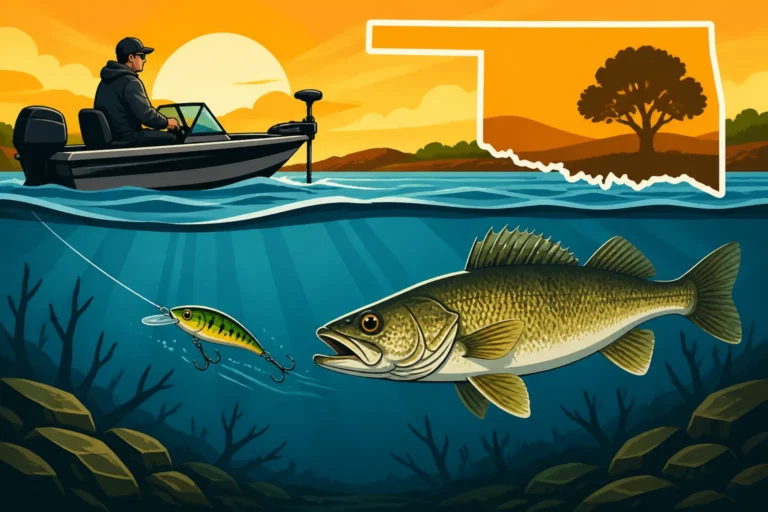
There’s nothing quite like the anticipation of that first cast as the sun cracks the horizon, painting the sky with fiery hues. Yet, many anglers struggle to consistently capitalize on this prime window, missing out on some of the most explosive and memorable bass strikes. If you’ve ever felt the frustration of watching the surface remain calm despite the perfect conditions, you’re in the right place. This guide will dive deep into the art of fishing topwater lures for bass specifically at dawn in Oklahoma, helping you unlock those thrilling, heart-stopping blow-ups.
The Magic of Dawn: Why Topwater Works Wonders for Oklahoma Bass
The early morning hours, particularly from first light until the sun is a good hour or two above the horizon, offer a unique set of conditions that make topwater fishing incredibly effective for bass. It’s not just a romantic idea; there’s solid biological and environmental reasoning behind it, especially in Oklahoma’s diverse waters.
Understanding Low-Light Feeding Behavior
As night gives way to day, bass shift their feeding patterns dramatically. During the darker hours, they often move into shallower water, using the cover of darkness to ambush prey more effectively. They rely heavily on their lateral line system and keen low-light vision to detect vibrations and silhouettes. When that first sliver of light appears, they’re often still in these shallower foraging zones, actively looking for an easy meal before the full brightness of day pushes them back to deeper, more protected cover.
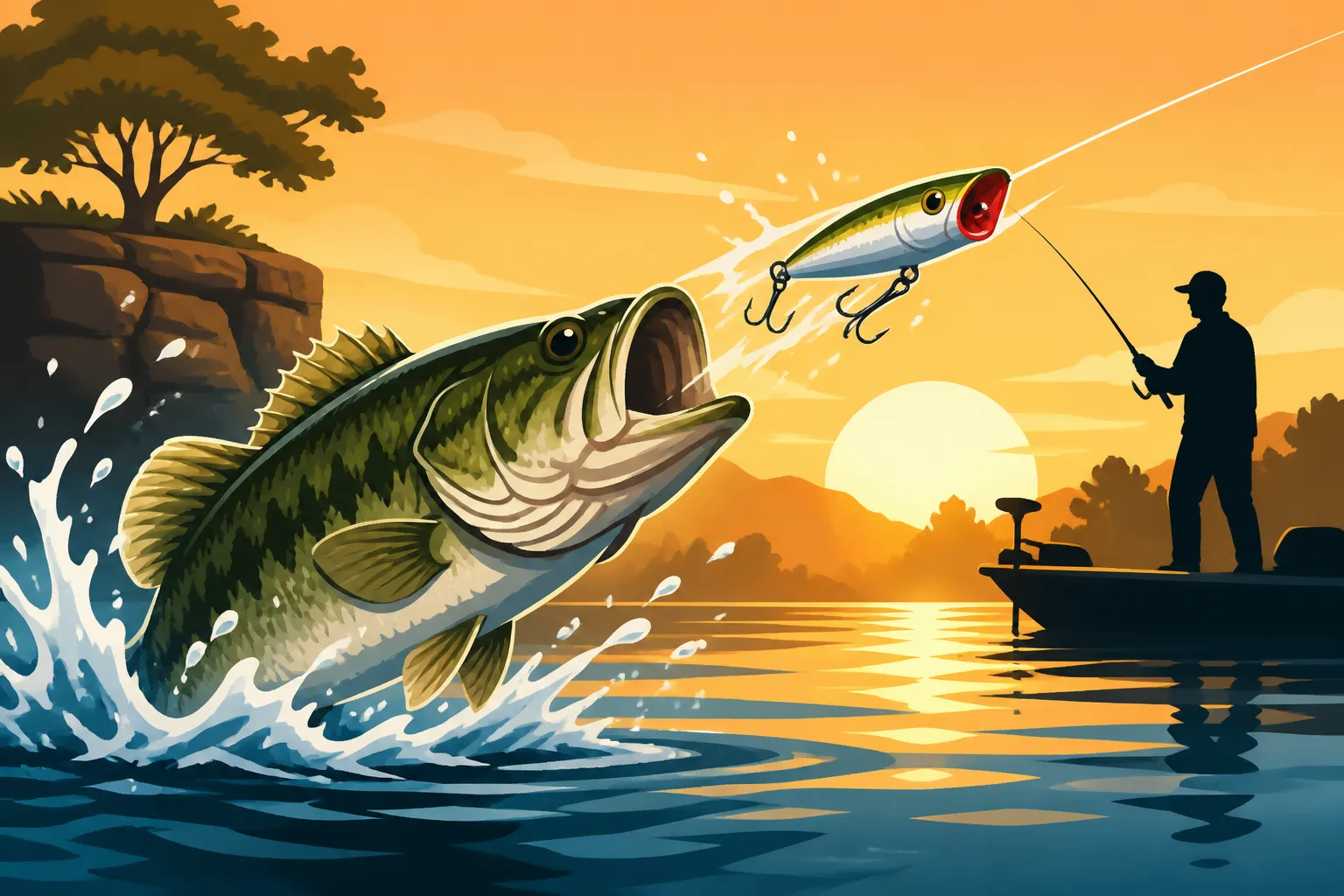
This is where topwater lures shine. The distinct profile and surface disturbance of a topwater bait create a highly visible target against the brightening sky or reflective water surface. A bass looking up sees that silhouette, hears the commotion, and instinctively reacts, often with an aggressive, unthinking strike. It’s less about discerning fine details and more about reacting to a perceived fleeing meal. This instinctual bite is precisely what makes topwater fishing so addictive during these golden hours, whether you're on Lake Eufaula or a smaller local pond.
Capitalizing on Cooler Surface Temperatures
Another critical factor that drives dawn topwater success is temperature. Throughout the night, the surface water cools down, creating a more comfortable environment for bass, especially during the warmer months. As the sun begins to rise, the surface slowly starts to warm again, but there’s a window where the water is still relatively cool and oxygenated near the top. This encourages baitfish, like shad and sunfish, to move shallower, and where the baitfish go, the bass follow.
In Oklahoma, where summers can be scorchers, this cooling effect is even more pronounced. A few degrees difference can make all the difference in bass activity levels. They become more active, more willing to chase, and less sluggish. This is why you'll often see explosive topwater action first thing in the morning, even on days that will later become scorching hot. The bass are taking advantage of this brief cool-down period to feed aggressively before retreating to deeper, cooler thermal refuges as the day progresses.
The Element of Surprise and Bass Aggression
Topwater fishing at dawn really plays into a bass's predatory nature and their tendency for ambush strikes. When you present a lure on the surface, it often appears as an easy target – a struggling baitfish, a frog, or even a small rodent that has fallen into the water. The bass's natural instinct is to strike upward, creating that incredible visual explosion that makes topwater fishing so exciting. The low light conditions further enhance this element of surprise.
Because the bass can't get a perfect read on the lure, they commit more fully to the strike. They're less likely to "nose" the bait or turn away at the last second. Instead, you get those thrilling, aggressive blow-ups that send spray everywhere. It’s a rush that every angler lives for. This aggressive behavior is particularly noticeable when fishing for larger largemouth bass, which tend to be more territorial and opportunistic feeders in the morning. Understanding how to adapt your techniques by season, as detailed in our guide on Oklahoma Bass Fishing: Techniques by Season, can further enhance your success.
Deciphering Topwater Lures for the Early Morning Bite
The world of topwater lures is vast and varied, but for dawn fishing in Oklahoma, a few categories consistently outperform the rest. Each has its own unique action and appeal, making them better suited for different conditions and bass moods. Knowing which one to tie on can make all the difference.
Poppers and Chuggers: Creating Commotion
Poppers and chuggers are the noisy kids on the block of topwater baits. They have a cupped face that, when retrieved with a twitching motion, "pops" or "chugs" water, creating a disturbance that mimics a struggling baitfish or a frog trying to escape. This creates a distinct audible splash and gurgle that can draw bass from surprising distances, especially in stained or choppy water.
When you're facing low-light conditions where visibility is reduced, or perhaps a slight chop on the water, poppers like the Rebel Pop-R or Heddon Super Spook Jr. (while technically a walk-the-dog, some retrieves can make it chug) can be incredibly effective. They're excellent for pinpoint casting around cover such as docks, submerged timber, or weed lines. The key is to experiment with your retrieve – sometimes a series of quick pops works, other times a single pop followed by a long pause (5-10 seconds) is what triggers the bite. Many anglers find a good selection of poppers on Amazon, especially when looking for various sizes and colors.
Walk-the-Dog Baits: The Subtle Glide
Walk-the-dog baits, often referred to as "walkers," are designed to glide back and forth across the surface with a distinctive "walking" action. Lures like the Zara Spook or the Sam Hixson’s Spook Jr. are iconic examples. Their action is more subtle than a popper's splash, but the rhythmic side-to-side sashay is incredibly enticing to bass, mimicking a wounded baitfish struggling on the surface.
These lures are fantastic on calm mornings when the water is slick, or when bass are being a bit more finicky and shy about an aggressive splash. The key to mastering the walk-the-dog retrieve is a rhythmic twitch of the rod tip downward, reeling in the slack as the lure glides. It takes practice, but once you get the cadence, it's deadly. Walkers cover a lot of water and are great for searching large flats or open pockets between lily pads. For a comprehensive overview of bass behavior, check out our guide on Largemouth Bass Fishing in Oklahoma: The Complete Guide.
Prop Baits and Buzzing Frogs: High-Impact Presentations
Prop baits, with small propellers at the front or back (or both), and buzzing frogs create a unique blend of noise and splash. Lures like the Devil's Horse or the Evergreen Showerblows are good examples of prop baits. The spinning propellers churn the water, creating a "buzz" and spray that can attract aggressive strikes. They offer a middle ground between the loud pop of a chugger and the subtle glide of a walker, often effective when bass are active but not necessarily looking for a huge splash.
Buzzing frogs, on the other hand, are soft plastic frog imitations with paddle feet or other appendages that create a frantic "buzz" and kick across the surface when retrieved steadily. Brands like the Stanley Ribbit or Livetarget frogs are popular choices. These are exceptional for fishing over thick vegetation, lily pads, or matted grass where other topwater lures would snag. The soft plastic body allows them to be worked through heavy cover, and when a bass explodes on a buzzing frog in dense weeds, it's one of the most exciting bites you can experience. Finding a reliable source for various soft plastic frogs and prop baits on Amazon can ensure you're always stocked up for those productive early morning trips.
| Lure Type | Key Action / Sound | Best Conditions for Dawn Fishing | Ideal Retrieve | Notes |
|---|---|---|---|---|
| Popper/Chugger | Loud splash, gurgle | Choppy water, stained water, around heavy cover | Pop, pop, pause; single pop, long pause | Excellent for calling fish from a distance. |
| Walk-the-Dog | Side-to-side glide, subtle splash | Calm water, clear water, open water, searching flats | Rhythmic twitching of rod tip downward | Mimics wounded baitfish; requires practice for cadence. |
| Prop Bait | Churning water, buzzing sound | Active fish, slight chop, versatile | Steady retrieve with twitches and pauses | Good hybrid option, attracts attention without being overly aggressive. |
| Buzzing Frog | Fussy, frantic kick across surface | Heavy matted vegetation, lily pads, thick grass | Steady retrieve, occasional twitch | Weedless design, perfect for heavy cover. |
Mastering the Presentation: Techniques for Enticing Topwater Strikes
Throwing a topwater lure isn't just about casting and reeling; it's an art form. The way you present your lure can make all the difference between a frustrating morning and a stringer full of aggressive bass. Understanding the nuances of retrieve, targeting, and hookset timing is crucial for consistent success.
Varying Your Retrieve: Speed, Pauses, and Cadence
This is perhaps the most important aspect of topwater fishing. Bass are intelligent predators, but they can also be creatures of habit or, conversely, highly reactive to changes in presentation. A good topwater angler constantly experiments with speed, pauses, and cadence until they find what the fish want that day.
- Speed: Sometimes bass want a fast, frantic retrieve that mimics a fleeing baitfish. Other times, a slow, methodical pace is what triggers them. In the early morning, especially as light levels are still very low, a slower retrieve often gives bass more time to locate and commit to the lure. As the sun gets higher, you might speed it up to elicit a reaction strike.
- Pauses: The pause is often the most critical element. After working your lure for a few feet, let it sit motionless on the surface. This is when many strikes occur. A bass might follow the lure, and when it stops, it presents an "easy" target. Pauses can range from 1-2 seconds to as long as 10-15 seconds, especially with poppers or walk-the-dog baits.
- Cadence: This refers to the rhythm of your retrieve. Is it a pop-pop-pause? A walk-walk-walk-pause? An erratic retrieve that changes pace frequently? The bass will tell you what they prefer. Start with a common cadence (e.g., three pops, then a 3-second pause) and then deviate. If you're not getting bites, change something! For more insights on how water temperature impacts fish behavior and fishing timing, consider exploring our guide on Water Temperature and Oklahoma Fishing Timing.
Targeting Key Structures at Dawn
Bass relate to structure, and in the early morning, they often gravitate to specific types of cover as they move out of their nocturnal feeding grounds or prepare to retreat for the day. Identifying and accurately casting to these spots will significantly increase your chances of a strike.
- Shallow Cover: Look for shallow stumps, laydowns, isolated clumps of grass, or small rock piles close to deeper water. Bass will use these as ambush points. Casting past the cover and retrieving the lure over or past it can draw fish out.
- Transition Areas: These are crucial. Think about points that drop into deeper water, the edges of weed lines, or where a hard bottom transitions to soft muck. Bass will patrol these areas, especially where baitfish are likely to congregate.
- Docks and Boat Houses: These man-made structures provide shade and cover, making them excellent early morning targets. Cast as close as possible to the pilings or under the docks, letting the lure sit for a moment before starting your retrieve. These spots can be particularly good for larger bass seeking shelter.
- Shad Spawns: If it’s spring or early summer, keep an eye out for shad spawning activity around rocky banks, riprap, or main lake points. Bass will gorge themselves on shad, and a topwater lure mimicking a struggling shad can be irresistible. This is especially true for species like white bass, but largemouth and spotted bass will also join the feast.
Hookset Timing: Patience is a Virtue
This is where many anglers lose their fish. The visual explosion of a topwater strike is exhilarating, but it often triggers an immediate, premature hookset. The key to successful topwater fishing is patience. When you see the splash, don't set the hook immediately.
Instead, wait until you feel the weight of the fish on your line. It might sound counterintuitive, but often when a bass blows up on a topwater, they miss the lure, or they simply "push" water, creating a big splash without actually engulfing the bait. If you set the hook too early, you’ll just pull the lure away from the fish. Wait for that distinctive tug or the feeling of solid resistance, and then set the hook with a firm, sweeping motion. This moment of patience will significantly improve your hook-up ratio and land more of those aggressive dawn bass. For specific guidance on rod selection, our article on Best Rod for Largemouth Bass Fishing might be helpful.
Essential Gear for Your Dawn Topwater Arsenal
Having the right tools for the job is paramount when it comes to successful topwater fishing. It's not just about the lure; your rod, reel, and line all play a critical role in presentation, control, and fighting those explosive bass.
Rods, Reels, and Line: The Right Setup
Building a balanced setup specifically for topwater fishing can greatly enhance your experience and success rate. You don't need to break the bank, but choosing the right components makes a huge difference.
- Rods: A medium-heavy to heavy power rod, typically 6'6" to 7'3" in length, with a fast to moderate-fast action, is ideal. The medium-heavy power provides enough backbone to cast larger topwater lures and drive the hooks home, while the moderate-fast action offers a bit more flex in the tip. This tip flex is crucial for two reasons: it helps you work the lure (especially walking baits) with subtle twitches, and it acts as a shock absorber during those violent topwater strikes, preventing the line from snapping. A fiberglass or composite rod can sometimes be even better for topwater due to its softer parabolic bend, which helps keep fish hooked.
- Reels: A baitcasting reel is generally preferred for topwater fishing, especially for walking baits and poppers, as it offers better control over casting accuracy and line management. Look for a reel with a gear ratio in the mid-range, around 6.3:1 to 7.1:1. This allows for a good balance of retrieve speed – fast enough to take up slack quickly after a strike, but not so fast that it overpowers your lure presentation. A good quality reel will ensure smooth casting and consistent retrieves. Finding reliable baitcasting reels, such as those found on Amazon, can significantly upgrade your setup. You can also dive deeper into options with our guide on Best Baitcasting Reel for Bass Fishing.
- Line: Monofilament line is often the top choice for topwater. Its inherent buoyancy means it floats on the surface, which prevents the lure from diving prematurely and helps maintain its intended action. It also has a good amount of stretch, which again aids in absorbing the shock of a strike and preventing hooks from tearing out of a bass’s mouth. A 12-17 lb test monofilament is a good starting point for most situations. If you're fishing extremely heavy cover or targeting truly giant bass, you might consider braid (30-50 lb test) for its strength and no-stretch properties, but be aware that braid floats even more, and some anglers find it can interfere with the subtle action of certain topwater lures.
Essential Terminal Tackle and Accessories
Beyond the main rod and reel setup, a few key accessories and terminal tackle items are essential for a smooth and productive dawn topwater session.
- Sharp Hooks: This cannot be stressed enough. Topwater hooks are exposed, and bass often strike wildly. Ensure your treble hooks are razor-sharp. You can sharpen them with a small hook file, or simply replace dull or bent hooks. Many pro anglers immediately swap out factory hooks on new lures for premium, sharper trebles like those from Gamakatsu or Owner.
- Split Ring Pliers: These are indispensable for changing hooks quickly and efficiently. A good pair of split ring pliers (often combined with line cutters) will make hook replacement a breeze and save you a lot of frustration on the water.
- Sturdy Leaders: If you're using braided line, a short (12-18 inch) fluorocarbon or monofilament leader (around 15-20 lb test) can be beneficial. It provides a less visible connection to your lure, which can be helpful in clear water, and the slight stretch of mono can again help with shock absorption.
- Headlamp: Fishing at dawn means you'll be setting up and casting in very low light. A reliable headlamp (with a red light option to preserve night vision) is a must for tying knots, finding lures in your tackle box, or navigating safely.
- Polarized Sunglasses: Even at dawn, the sun will eventually rise. Polarized sunglasses will cut the glare off the water, allowing you to see your lure's action more clearly, detect subtle swirls, and even spot following fish before they strike. This can be crucial for anticipating a bite.
Dressing for Success in the Early Morning Chill
While not strictly fishing gear, how you dress for a dawn fishing trip can significantly impact your comfort and focus. Oklahoma mornings can be surprisingly cool, even in summer, and you'll be out there before the sun has a chance to warm things up.
- Layer Up: The best strategy is to dress in layers. Start with a moisture-wicking base layer, add a fleece or sweatshirt for warmth, and have a light, wind-resistant jacket or rain jacket handy. As the sun rises and temperatures climb, you can shed layers as needed.
- Protect from Dew and Spray: A good pair of waterproof or water-resistant pants can keep you dry from morning dew on the bank or spray from your boat. A hat will also help keep your head warm in the initial chill and later provide sun protection.
- Comfortable Footwear: Opt for waterproof or water-resistant shoes or boots that offer good traction, especially if you'll be walking along muddy banks or navigating slick boat ramps. Nobody wants cold, wet feet at the start of a fishing trip. Having the right attire, perhaps some quality outdoor gear sourced from Amazon, will make your early morning adventures far more enjoyable and productive.
Disclaimer
Fishing regulations can change. Always consult the latest Oklahoma Department of Wildlife Conservation (ODWC) regulations before heading out on the water. This information is for general guidance and educational purposes only.