Bluegill Fishing Techniques for Beginners
Starting a new hobby can feel really intimidating, especially when you're looking at all the specialized gear and complex techniques out there. But trust me, when it comes to fishing, you don't need to be a seasoned pro with a fancy boat to experience the simple joy of a bending rod. This comprehensive guide will walk you through everything you need to know to get started with bluegill fishing in Oklahoma, from the absolute basics of gear and bait to finding the best spots and understanding seasonal patterns.
Why Bluegill Are the Perfect Fish for New Anglers in Oklahoma
If you're just dipping your toes into the vast world of fishing, or even if you're looking for a relaxing day on the water without the pressure of chasing trophy fish, bluegill are your absolute best friends. They're often overlooked by anglers focused on bass or catfish, but these feisty little panfish offer an incredible entry point to the sport. They're abundant, eager to bite, and provide a fantastic learning experience for all ages.
The Thrill of the Catch, No Matter the Size
Let's be honest, there's nothing quite like the feeling of a fish tugging on your line. For beginners, that first bite can be absolutely electrifying, and bluegill deliver this thrill consistently. While they might not be huge, a bluegill puts up a surprisingly spirited fight for its size, especially on light tackle. Imagine a kid's face lighting up as they feel that distinctive "thump-thump-thump" on the end of their rod – it’s pure magic. Even for adults, reeling in a handful of these colorful sunfish can be incredibly satisfying and a wonderful way to unwind. You're not worrying about intricate lure presentations or subtle bites; you're simply enjoying the connection with nature and the genuine excitement of a fish on the line. This consistent action helps build confidence and keeps spirits high, which is crucial for anyone just starting out.
Abundance and Accessibility in Oklahoma Waters
One of the biggest frustrations for new anglers is spending hours without a single bite. That's rarely an issue with bluegill in Oklahoma. These hardy fish thrive in a wide variety of habitats and are found in nearly every pond, creek, river, and lake across the state. From the smallest farm ponds in rural Oklahoma to the bustling shores of larger reservoirs like Lake Eufaula or Grand Lake O' the Cherokees, bluegill are usually just a short cast away. This widespread availability means you don't need specialized knowledge of deep channels or intricate structure to find them. They'll often be in easy-to-reach areas right off the bank, making them perfect for those without a boat. Plus, their aggressive feeding habits mean they're usually pretty easy to locate and convince to bite, giving you more time enjoying the sport and less time just waiting.
Essential Gear for Your First Bluegill Adventure
When you’re just starting, the sheer amount of fishing gear available can be overwhelming, right? You see all these rods, reels, and tackle boxes, and it's easy to think you need everything. But the beauty of bluegill fishing is its simplicity. You truly don't need a massive investment to get going. A few basic, affordable items will get you on the water and catching fish in no time. Forget the fancy electronics for now; let's stick to the essentials.
Simple Rod and Reel Setups
For bluegill, you want something lightweight and easy to handle. A good old-fashioned spinning rod and reel combo is perfect for beginners, especially kids. Look for a light to ultralight action rod, typically in the 4.5 to 6-foot range. This lighter action makes even a small bluegill feel like a heavyweight and helps protect thinner lines. Paired with a small spinning reel (size 1000 to 2500), you'll have a balanced setup that's comfortable to cast all day. You can find these combos readily at most sporting goods stores or even on platforms like Amazon for a very reasonable price. When it comes to fishing line, 4 to 6-pound test monofilament is ideal. It’s strong enough to handle bluegill, yet thin enough for good casting distance and stealth. Don't overthink it; a basic setup is all you need to start getting bites and learning the ropes.
Basic Terminal Tackle You'll Need
"Terminal tackle" sounds complex, but it's just a fancy term for the bits and pieces you tie to the end of your fishing line. For bluegill, this list is blessedly short:
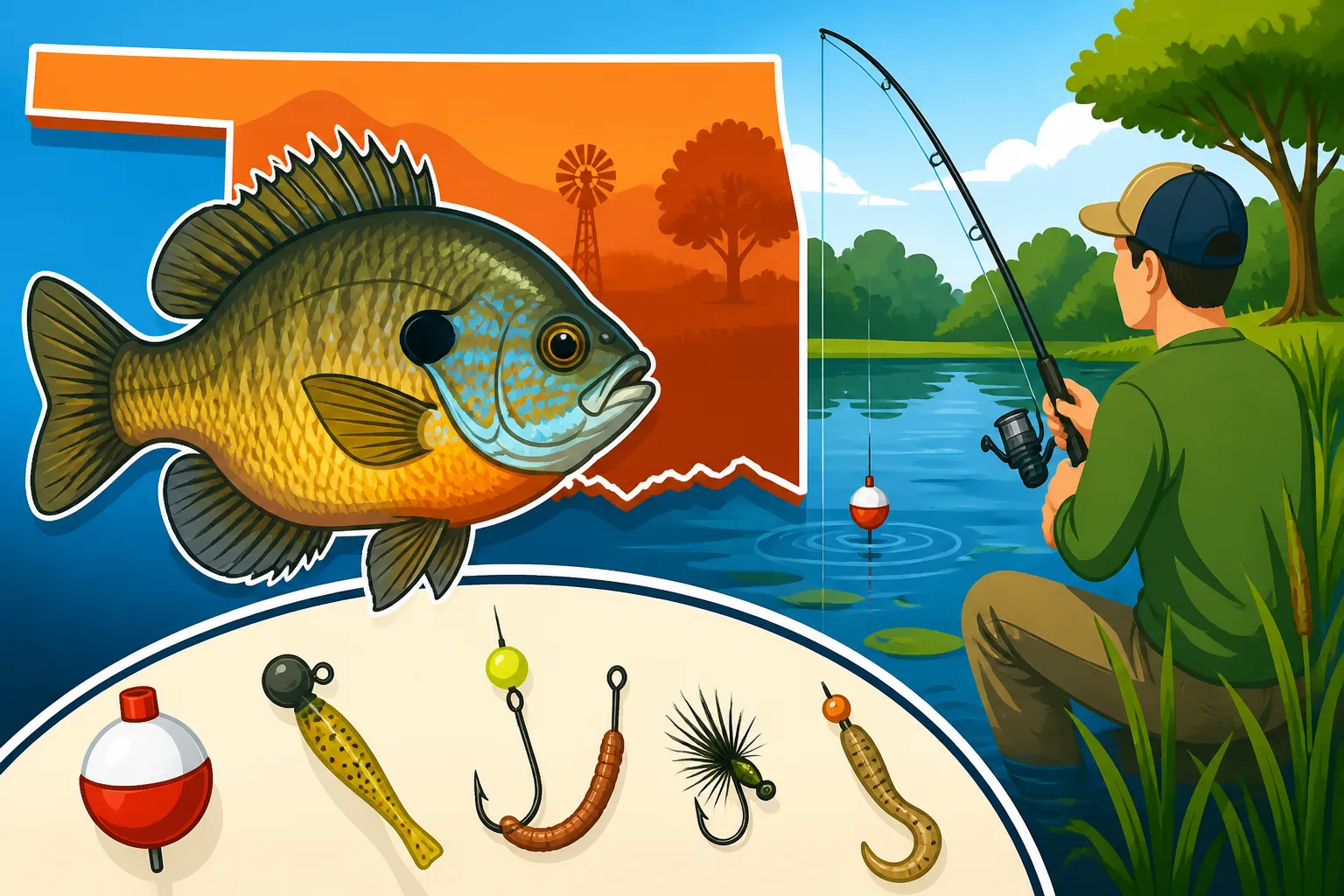
- Bobbers: These are essential for visual strike detection and suspending your bait at a desired depth. A small red-and-white clip-on bobber is classic and effective. We’ll dive into How to Rig a Bobber for Bluegill Fishing a bit later, but suffice to say, it’s one of the simplest and most enjoyable ways to fish.
- Hooks: Small, sharp hooks are key. Size 6 or 8 Aberdeen or baitholder hooks are perfect. The thin wire of an Aberdeen hook is less likely to damage the fish's mouth if you're releasing them, and the baitholder barbs help keep your bait on.
- Split Shots: These tiny lead (or lead-free) weights help cast your bait farther and get it down to where the fish are. A small assortment pack with various sizes will be helpful. Just pinch them onto your line a few inches above your hook.
- Swivels: While not strictly essential for bluegill, small barrel swivels can help prevent line twist, especially if you're using live bait that might spin. A size 10 or 12 is plenty.
Keep a small tackle box or a resealable plastic bag with these items, and you're good to go.
Must-Have Accessories for Comfort and Success
Beyond the rod, reel, and tackle, a few simple accessories will make your bluegill fishing experience much more enjoyable and productive. Think about comfort and convenience, especially if you're bringing kids along.
- Pliers or Hook Remover: Bluegill have small mouths, and sometimes they swallow the hook. A small pair of needle-nose pliers or a dedicated hook remover makes it much easier and safer to unhook fish, minimizing harm to both you and the fish.
- Stringer or Cooler: If you plan on keeping some bluegill for a fresh fish fry, a simple fish stringer that clips onto the fish's lip and keeps them alive in the water, or a small cooler with ice for immediate preservation, is a must-have. Just remember to check Oklahoma's Oklahoma's Bag Limit Rules by Species before you go!
- Sun Protection: Oklahoma summers can be brutal. A wide-brimmed hat, sunglasses, and sunscreen are crucial for protecting yourself from the sun's rays during those long days by the water.
- Small Net: A small landing net can be handy for scooping up your catch, preventing the fish from flopping off the hook right at your feet, and making it easier to handle them. You can find decent, affordable ones for beginners on sites like Amazon.
- Chair or Blanket: For bank fishing, having a comfortable folding chair or even just a blanket to sit on can make a world of difference, turning a simple fishing trip into a relaxing outdoor escape.
Mastering Basic Bluegill Fishing Techniques
Bluegill fishing isn't about complex retrieves or fancy casting techniques. It's about presenting a tempting morsel in the right place and waiting for that tell-tale tug. There are a few fundamental methods that are incredibly effective for beginners and will consistently put fish in your hand. Learning these basics will give you a solid foundation for all your future fishing adventures.
Bobber Fishing: The Classic Approach
Ah, bobber fishing! It's practically synonymous with childhood fishing memories for a reason. This technique is wonderfully simple, highly effective, and incredibly visual, making it perfect for beginners and kids. The principle is straightforward: your bobber floats on the surface, suspending your bait at a specific depth. When a fish bites, the bobber dips, twitches, or disappears, signaling a strike.
To set up a bobber rig, you’ll first slide a small clip-on bobber onto your line. Then, tie on your small hook (size 6 or 8) at the end of your line. About 6 to 12 inches above the hook, pinch one or two small split shots onto the line. This weight helps cast your bait and pulls the line straight in the water. The distance between your bobber and your hook determines how deep your bait will sit. Bluegill often hang out in shallower water, especially around cover, so starting with a depth of 2-4 feet is usually a good bet. If you're not getting bites, you can easily adjust the bobber up or down to try different depths. Cast your rig near potential bluegill hiding spots – think lily pads, submerged logs, brush piles, or dock pilings – and just watch that bobber. The anticipation as it bobs in the water, waiting for it to go down, is a huge part of the fun! It's one of the Best Fishing Techniques for Beginners hands down.
Bottom Fishing for Deeper Bluegill
While bluegill are often found near the surface, especially during warmer months, they will also forage on the bottom, particularly in deeper areas or during cooler periods. Bottom fishing is another simple yet effective technique that can reach these deeper-holding fish. This method removes the bobber from the equation, relying instead on the weight of your sinker to get your bait to the lakebed.
To set up a basic bottom rig, start by tying your hook (again, a small size 6 or 8) directly to the end of your line. Then, about 6 to 12 inches above the hook, attach a small lead weight. A small egg sinker or a split shot is fine. The key here is to use just enough weight to get your bait to the bottom and keep it there, without being so heavy that the fish feels too much resistance when it bites. Cast your rig out, let it sink, and keep a watchful eye on your rod tip. Any subtle twitching, bending, or quick jerks of the rod tip usually indicate a bite. Sometimes bluegill bites can be very light, so pay close attention. This technique is particularly useful when you suspect fish are holding in deeper pockets or along submerged structure that a bobber rig might not reach effectively.
Sight Fishing in Clear Waters
This technique is less about the "rig" and more about active observation, which makes it incredibly engaging and a fantastic way to learn fish behavior. Sight fishing is most effective in clear water where you can actually see the bluegill. Imagine walking along a clear pond or lake edge, peering into the water, and spotting a school of bluegill darting around a submerged log or a patch of weeds. The thrill of presenting your bait directly to a visible fish and watching it strike is unparalleled.
For sight fishing, you'll still use a simple bobber rig or a light split shot rig, but the focus is on stealth and precision. Cast your bait a few feet beyond the fish, then slowly retrieve it into their strike zone. You might even drop your bait directly in front of a bluegill's nose. Pay attention to how they react. Do they shy away? Or do they aggressively move towards your bait? This direct interaction teaches you a lot about fish behavior, what they like, and how they approach a meal. Look for bluegill around docks, fallen trees, brush piles, or even cruising along shallow shorelines. Sunny days with calm water are usually best for this. It's an active and rewarding way to fish that truly connects you with the underwater world, offering immediate feedback on your presentation.
The Best Baits and Lures to Entice Bluegill
When it comes to bluegill, they're not usually picky eaters, which is fantastic news for beginners! You don't need exotic baits or expensive, specialized lures. Some of the most effective options are either readily available around your house, at your local bait shop, or online. The key is to offer something small enough for their tiny mouths and something that smells or looks appealing.
Natural Baits That Bluegill Can't Resist
Natural baits are almost always a winner for bluegill because they look, smell, and taste like something bluegill would naturally encounter. This makes them incredibly effective and often the easiest choice for beginners.
- Worms: The king of all bluegill baits! Red wigglers, nightcrawlers (pinched into smaller pieces), or even earthworms dug from your backyard are irresistible to bluegill. They're easy to hook, stay on well, and constantly wriggle, attracting attention. Just thread a small piece onto your size 6 or 8 hook, making sure the hook point is exposed. You can find red wigglers in many tackle shops or even purchase them from an online vendor on Amazon, specifically bred for fishing.
- Crickets and Grasshoppers: These crunchy critters are a bluegill's delight, especially in late spring and summer when insects are abundant. A live cricket or a small grasshopper hooked lightly through the collar will often result in an instant strike. They float naturally, making them perfect for bobber fishing near grassy banks.
- Corn and Bread: Believe it or not, bluegill are often caught on household staples. A few kernels of canned corn on a small hook can be surprisingly effective, particularly in waters where fish are used to being fed by people. Similarly, small balls of bread dough or pieces of white bread squeezed onto a hook can work wonders, especially for bluegill congregating around docks or picnic areas. These are incredibly cheap and easy options for a spontaneous trip.
Remember, the goal is often to provide a natural, easily digestible meal. Best Bluegill Bait for Beginners will almost always involve something alive or natural.
Artificial Lures for a More Active Approach
While natural baits are incredibly effective, exploring artificial lures can add a new dimension to your bluegill fishing, allowing for a more active and engaging experience. Plus, you don't have to worry about keeping them alive!
- Tiny Jigs: Micro jigs, sometimes called panfish jigs, are incredibly effective. These are typically small lead heads (1/32 to 1/64 ounce) with a tiny plastic body, often shaped like a grub, tube, or minnow. Colors like chartreuse, white, black, or pink are perennial favorites. You can fish them under a bobber with a slow retrieve, or simply cast them out and let them sink, twitching your rod tip occasionally to impart action. The key is a slow, subtle presentation. They're fantastic for year-round bluegill fishing and can be bought in multi-packs online.
- Small Spinners: These lures feature a small blade that spins as you retrieve it, creating flash and vibration that can trigger a bluegill's predatory instincts. Rooster Tails and Mepps spinners in very small sizes (0 or 00) with a dressed treble hook are excellent choices. Cast them out and reel them in at a steady, slow pace, allowing the blade to flutter. Spinners are great for covering water and finding active fish, and they often entice not just bluegill but also other panfish like crappie or even small bass.
- Flies: If you ever venture into fly fishing, bluegill are an excellent target. Small poppers, foam spiders, or wet flies can be incredibly productive, especially during insect hatches. Even with a spinning rod, you can cast small flies by adding a casting bubble (a small, clear float that adds weight for casting) a few feet above the fly. This offers a delicate, natural presentation that bluegill often find irresistible.
Experimenting with both natural and artificial options can teach you a lot about bluegill preferences in different situations.
Finding Bluegill: Where and When to Cast Your Line
One of the biggest questions for any new angler is "Where do I even start looking?" For bluegill, the answer is usually much simpler than for other fish species. They are prevalent, but knowing their preferred hangouts and when they're most active can dramatically increase your success. Think like a bluegill: where would you hide, find food, and feel safe from bigger predators?
Prime Bluegill Habitats in Oklahoma
Bluegill love structure and cover. They feel secure around anything that offers protection from larger fish and birds, and these areas also tend to hold the insects and small crustaceans they feed on. So, when you're scouting a spot, keep an eye out for these tell-tale signs:
- Shoreline Vegetation: This is classic bluegill territory. Look for lily pads, cattails, submerged grasses, and brush growing along the edges of ponds and lakes. Bluegill will hide in these weeds, ambushing insects that fall into the water or picking off larvae. Cast your bait right to the edge of the vegetation, or even try to drop it into small openings within the weeds. This is a common scene on many of Oklahoma's smaller ponds and even larger coves in reservoirs.
- Docks, Piers, and Overhanging Trees: Man-made structures provide excellent overhead cover and often attract baitfish, making them prime bluegill spots. The shade created by these structures also offers cooler water during hot Oklahoma summers. Cast your bait as close to the pilings or under the overhanging branches as possible. These are often great spots for Bank Fishing Spots Setup Tips too.
- Submerged Structure: Fallen trees, brush piles, rock beds, and even old tires or concrete blocks on the bottom are magnets for bluegill. They’ll congregate around these areas for protection and food. If you have access to a small boat or a kayak, you can gently probe these areas. From the bank, try casting parallel to the shoreline where you suspect structure might be just a few feet out.
- Shallow Coves and Ponds: Bluegill often prefer shallower, warmer waters, especially during the spring spawn when they create distinctive circular nests on the bottom. Look for these "beds" in sandy or gravelly areas in shallow coves or quiet pond edges. These are easily accessible spots, often found at state parks or municipal ponds that are great for Family-Friendly Fishing Spots in Oklahoma.
Best Times of Day and Year to Target Bluegill
Bluegill are generally active throughout the day, but like most fish, they have peak feeding times. Understanding these patterns will help you maximize your catch.
- Best Time of Day: Early mornings and late evenings are typically the most productive. The water is cooler, and the light is lower, making bluegill feel more comfortable moving into shallower areas to feed. During the middle of a hot Oklahoma summer day, bluegill might retreat to deeper, shadier areas. However, even midday can be productive if you find good shade or structure. Overcast days can also provide good fishing throughout the day as the sun's intensity is reduced. Knowing the Best Time of Day to Catch Bluegill can really make a difference.
- Best Time of Year:
- Spring (March-May): This is prime time for bluegill! As water temperatures rise into the 60s Fahrenheit, bluegill become extremely active and move into the shallows to spawn. They'll be aggressive and easy to locate on their beds. This is arguably the best time to catch a lot of bluegill.
- Summer (June-August): Bluegill remain active, but as water warms significantly, they might move a bit deeper or concentrate around shaded areas, especially during the heat of the day. Early morning and late evening bites are key. This is when something like What Bait Works Best for Bluegill in Summer becomes a real factor.
- Fall (September-November): As water temperatures cool, bluegill will feed heavily to prepare for winter. They might school up more in slightly deeper water but can still be found near cover.
- Winter (December-February): Bluegill fishing slows down significantly as water temperatures drop. They'll be much less active and often hold in deeper water. Ice fishing for bluegill can be productive in areas where lakes freeze over safely, though this is less common in most parts of Oklahoma.
Always remember that weather conditions, recent rainfall, and water clarity can also impact when and where bluegill decide to bite. A little patience and observation go a long way!
Bluegill Fishing Etiquette and Conservation Tips
Being a good angler isn't just about catching fish; it's also about respecting the environment, the fish, and your fellow humans. As beginners, adopting good practices from the start helps ensure that Oklahoma's fishing resources remain healthy and enjoyable for generations to come. Plus, it just makes the whole experience more pleasant for everyone.
Responsible Catch and Release
Bluegill are often caught in large numbers, and while they make for excellent eating, practicing responsible catch and release for fish you don't intend to keep is vital for sustaining healthy populations. This is especially true if you encounter a larger, "bull" bluegill, which are important for spawning.
- Handle with Care: Wet your hands before handling a fish. Dry hands can remove the protective slime coat, making the fish susceptible to disease. Hold the fish gently but firmly.
- Quick Release: Try to unhook the fish as quickly as possible. If the hook is deeply swallowed, a hook remover (or even just cutting the line as close to the hook as possible) can be less damaging than trying to wrench it out.
- Minimize Air Exposure: Keep the fish out of the water for the shortest time possible. If you need a photo, get it ready, snap quickly, and get the fish back in the water.
- Revive if Necessary: If a fish seems lethargic after being unhooked, hold it gently in the water, facing into any current, until it regains its strength and swims away on its own.
Remember, a little care goes a long way in ensuring these feisty panfish continue to thrive in our waters.
Respecting Fellow Anglers and the Environment
Part of enjoying the outdoors is sharing it respectfully. When you're out fishing, a little courtesy goes a long way.
- Give Space: If someone is already fishing a spot, give them plenty of room. Don't crowd another angler, especially if they're casting. A good rule of thumb is to allow at least 20-30 feet, or more if possible.
- Mind Your Noise: Keep noise levels down. Loud talking, music, or splashing can spook fish and disturb the peaceful atmosphere for others.
- Pack It In, Pack It Out: This is non-negotiable. Take all your trash with you, including discarded fishing line, bait containers, and food wrappers. Even small pieces of line can be deadly to wildlife. Let's keep Oklahoma's beautiful lakes and ponds pristine.
- Know the Rules: Before you even cast your line, make sure you understand the local Fishing License Requirements in Oklahoma and any specific regulations for the body of water you're fishing. For example, knowing Do Kids Need a Fishing License in Oklahoma? is crucial for a family outing. The Oklahoma Department of Wildlife Conservation (ODWC) website is an excellent resource for this.
By following these simple guidelines, you contribute to a positive fishing experience for everyone and help preserve the natural beauty of our Oklahoma outdoors. Happy fishing!
| Bluegill Fishing Essentials | Description | Why it's Important for Beginners | Where to Find It (Example) |
|---|---|---|---|
| Light Spinning Combo | Rod (4.5-6 ft, ultralight/light action) & Reel (1000-2500 size) | Easy to cast, makes small fish fun, affordable | Sporting goods stores, Amazon |
| 4-6 lb Monofilament Line | Good balance of strength, casting, and stealth | Easy to handle, less visible to fish | Tackle shops, Amazon |
| Small Bobbers | Clip-on, red-and-white style | Visual strike detection, suspends bait, classic fun | Any bait shop |
| Small Hooks | Size 6 or 8 Aberdeen or Baitholder hooks | Fits bluegill mouths, good bait retention, easy unhooking | Any bait shop |
| Split Shot Weights | Small assortment of lead (or lead-free) weights | Aids casting, gets bait to desired depth | Any bait shop |
| Worms (Red Wigglers) | Live, wiggling worms | Irresistible natural bait, easy to obtain and use | Bait shops, garden stores |
| Small Pliers/Hook Remover | Needle-nose pliers or specialized tool | Safe unhooking for fish and angler | Any hardware or tackle shop |
| Sun Protection | Hat, sunglasses, sunscreen | Essential for comfort and safety during long days outdoors | Drugstores, outdoor retailers |
| Trash Bag | Small bag for waste | Keeps fishing spots clean, protects wildlife | Your kitchen! |
Disclaimer
Fishing regulations, license requirements, and local rules can change. Always check the current Oklahoma Department of Wildlife Conservation (ODWC) regulations before heading out to fish. This guide provides general information and recommendations for beginners.