Best Time of Day to Catch Bluegill
One of the biggest frustrations for any angler, especially those just getting into fishing or taking their kids out, is spending hours by the water without a single bite. You hear that bluegill are "easy to catch," but sometimes, they just aren't cooperating! The truth is, while bluegill can be abundant, knowing the best time of day to target them can drastically improve your chances of success and turn a slow outing into a memorable one. This guide will walk you through the daily rhythms of bluegill, helping you understand their behavior and giving you the insights you need to hit the water when they're most active in Oklahoma's lakes and ponds.
Understanding Bluegill Behavior Throughout the Day
Bluegill, like most fish, are creatures of habit and are heavily influenced by environmental factors such as light, temperature, and food availability. Their activity levels ebb and flow throughout the day, making certain hours prime opportunities for anglers. Ignoring these natural patterns can lead to a lot of staring at a motionless bobber.
The Early Bird Catches the Bluegill: Dawn's Golden Hour
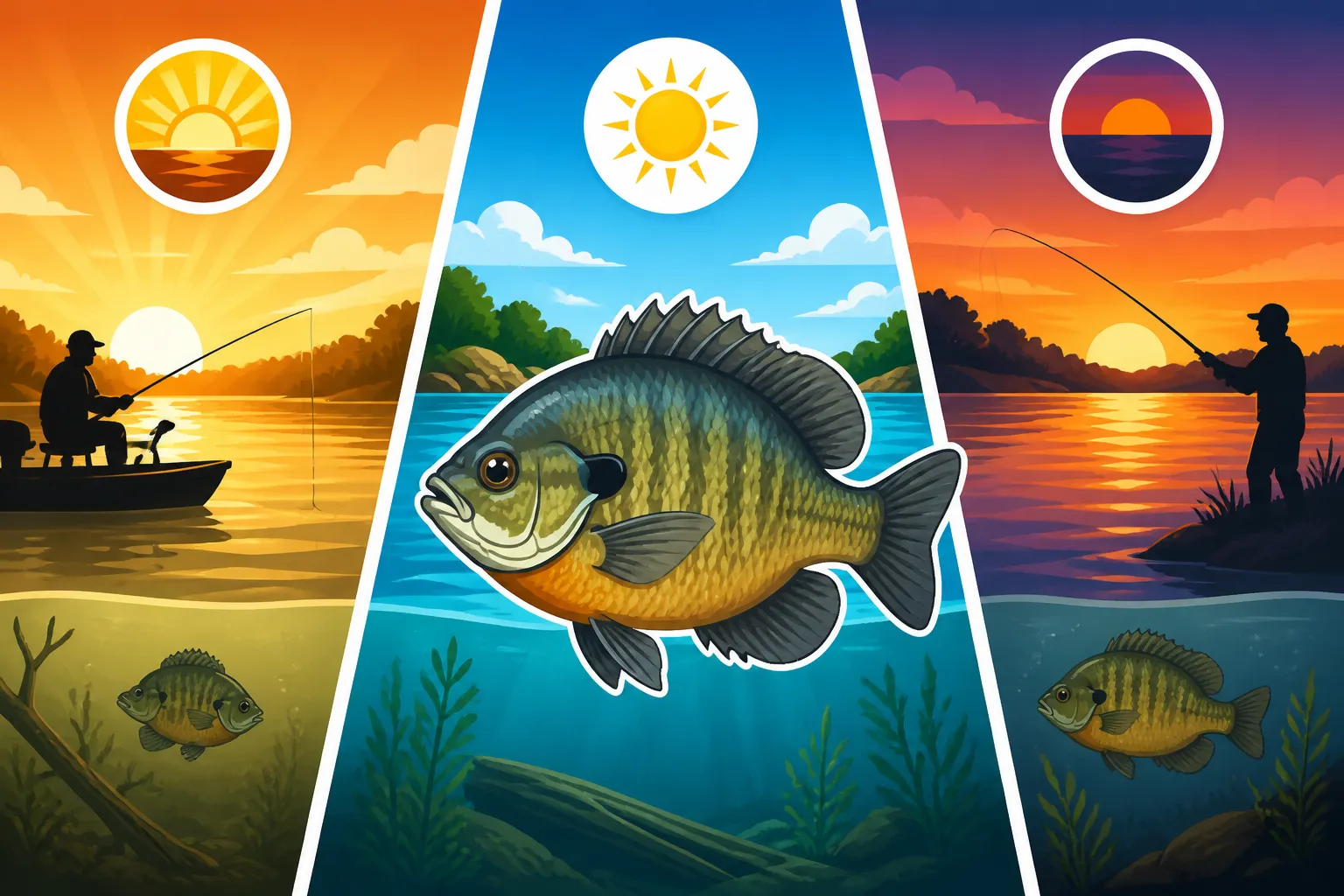
There's a reason so many seasoned anglers swear by early morning fishing – and it's particularly true for bluegill. As the sun begins to peek over the horizon, painting the sky with those incredible Oklahoma colors, bluegill often kick into a feeding frenzy. The water is at its coolest after the night, and the low light conditions make them feel safer from predators like larger bass and even birds. This combination creates a perfect storm for active feeding.
Think about it: the insects that spent the night on the water's surface are just starting to stir, and new hatches are beginning to emerge. Bluegill, with their keen eyesight in low light and their opportunistic appetites, will cruise the shallow waters, picking off these easy meals. This makes them highly accessible to bank anglers or those in kayaks, as they often move closer to the shore, structure, and weed lines. Setting your alarm a little earlier and being on the water just as the sun rises can truly transform your bluegill fishing experience, often resulting in consistent bites for the first couple of hours. This is an ideal time for beginners, as the fish are less wary.
Midday Lulls: When the Bite Slows Down
Ah, midday. That beautiful, bright time of day when the sun is high and you're enjoying the warmth. But for bluegill fishing, it's often when things start to slow down significantly. As the sun climbs higher and beats down on the water, a few things happen. First, the water temperature in the shallower areas can rise quickly, making the bluegill uncomfortable. They prefer cooler, more stable temperatures. Second, the bright overhead light increases their vulnerability to predators. They become much more visible to everything above the water, which makes them much more cautious.
So, what do they do? They seek refuge. You'll find them retreating to deeper, cooler waters or hiding beneath dense cover – think lily pads, docks, fallen trees, or even submerged brush piles. While they might still nibble if a tempting bait lands right in their face, they're generally less active and less willing to chase food. This doesn't mean you can't catch them during midday, but you'll need to adjust your approach. You might have to cast into shaded areas, fish deeper, or be incredibly patient. If you're on a family fishing trip, this might be a good time for a lunch break or to explore some of the other fantastic activities Oklahoma's state parks offer.
Evening's Resurgence: Dusk's Last Feeding Frenzy
Just as dawn offers a golden hour, dusk brings a similar, often equally productive, window of opportunity. As the sun starts its descent, the air cools, and with it, the water temperature begins to drop again. The harsh midday light softens, and the shadows lengthen, providing that much-needed cover and comfort for bluegill to feel secure once more. This signals another burst of feeding activity as they try to get one last meal before the full darkness of night sets in.
Emerging insects are once again a primary food source, and bluegill will often move back into those shallower feeding grounds they frequented at dawn. This evening bite can be particularly strong, sometimes lasting right up until it's almost too dark to see your bobber. For many, this is a more convenient time to fish than dawn, especially after a long workday. It's a fantastic way to wind down the day, watching the sunset over one of Oklahoma's scenic lakes like Lake Eufaula or Grand Lake O' the Cherokees, with the added bonus of consistent bluegill action. Make sure you're prepared for low light, perhaps with a headlamp, if you plan to stay until dark.
Factors Influencing Bluegill Activity Beyond Time of Day
While the time of day is a crucial piece of the puzzle, it's certainly not the only one. Bluegill activity is a complex interplay of various environmental elements. Understanding these additional factors will give you an even sharper edge in predicting when and where to find these eager panfish.
Water Temperature and Seasonal Shifts
You simply can't talk about fish activity without discussing water temperature. It's a huge driver of their metabolism and behavior. Bluegill are most active and comfortable when water temperatures are in the mid-60s to low 70s Fahrenheit. This means that the "best time of day" can shift dramatically with the seasons in Oklahoma.
- Spring: As the water warms after winter, bluegill become increasingly active. The pre-spawn and spawn periods are legendary for bluegill fishing. During the spring spawn timing in Oklahoma, they'll often be found in very shallow, protected areas, guarding their nests. The midday bite can even be good during spring if the overall water temperatures are still moderate.
- Summer: This is when the early morning and late evening bites become absolutely critical, especially in the heat of an Oklahoma summer. With scorching midday sun, water in the shallows can easily exceed their comfort zone, pushing them deeper or under dense cover. This is a good time to consider night fishing techniques for crappie, as similar principles apply to other panfish.
- Fall: As the air cools and water temperatures begin to drop again, bluegill experience another surge of activity. They're trying to fatten up for winter, and their feeding windows might extend further into the day, similar to spring. They'll often school up more tightly, making it possible to catch many from a single spot once you find them.
- Winter: In the colder months, bluegill become much less active, their metabolism slowing down significantly. They'll typically be found in deeper holes or near warm springs, and the bite can be very subtle. When considering how water temperature affects fish feeding habits, remember that cold water means less feeding.
Weather Conditions: Clouds, Rain, and Barometric Pressure
The weather overhead can play just as big a role as the clock. Bright, sunny, high-pressure days often lead to those midday lulls we discussed, making bluegill shy and reluctant to venture out. They feel exposed.
However, a cloudy day, even in the middle of summer, can act like a giant diffuser, softening the sunlight and extending those prime feeding hours. Overcast skies reduce glare and make bluegill feel more secure, allowing them to remain active in shallower water for longer periods. Similarly, a light, steady rain can sometimes trigger a good bite. The rain washes insects and nutrients into the water, and the disturbance on the surface breaks up overhead visibility, again providing a sense of security.
On the flip side, sudden cold fronts or rapidly changing barometric pressure (especially falling pressure before a storm or rising pressure after a front) can put fish into a funk. They might become lethargic and difficult to catch, regardless of the time of day. It’s always a good idea to check the weather forecast and barometric pressure before heading out.
Bluegill's Natural Forage and Feeding Habits
Understanding what bluegill eat naturally provides valuable clues about when and where they’ll be feeding. Bluegill are omnivores, but their diet primarily consists of insects (larvae, nymphs, and adults), small crustaceans, fish eggs, and even some plant matter.
- Insect Hatches: The emergence of aquatic insects is a major trigger for bluegill feeding. These hatches often occur during specific times of day, like dawn and dusk. When you see insects buzzing around the water, or little dimples on the surface from fish feeding, it's a strong indicator that bluegill are likely active. This is why small artificial flies or tiny jigs resembling insects can be so effective.
- Bottom Feeding: Bluegill also spend a significant amount of time grubbing around the bottom for larvae and other invertebrates. This means they can be caught deeper, especially during midday when they've retreated from the surface.
- Opportunistic Eaters: Bluegill are not picky! If something small and edible floats by, they're likely to take a look. This makes them great fish for beginners and a fun target for kids learning how to fish for bluegill with kids. Their opportunistic nature is why common baits like worms, crickets, or small pieces of bread are so universally effective. The best bluegill bait for beginners is often just a simple worm on a hook under a bobber.
Practical Tips for Maximizing Your Bluegill Catch
Now that we've covered why bluegill behave the way they do, let's get into the how. Applying these practical tips will help you make the most of those prime feeding windows and even coax a few bites during slower times.
Choosing the Right Bait and Lures for Different Times
Your bait choice might seem simple for bluegill, but a little nuance can go a long way.
- Live Bait is King: For consistent action, especially at dawn and dusk, live bait is hard to beat. Small worms (red wigglers, pieces of nightcrawlers), crickets, grasshoppers, or mealworms are all excellent choices. They provide natural scent and movement that bluegill find irresistible. For specific advice, check out what bait works best for bluegill in summer.
- Small Artificials: Tiny jigs (1/64 to 1/16 ounce) tipped with a small plastic grub, tube, or a piece of Gulp! bait can be incredibly effective, particularly when fish are actively chasing smaller prey. Jig colors can be important too; lighter colors like white, chartreuse, or pink often work well in clearer water or low light, while darker colors might stand out better in stained water.
- Fly Fishing: For those who enjoy fly fishing, tiny poppers, wet flies, or nymphs can be deadly, especially during insect hatches in the early morning or evening.
- Versatility is Key: Don't be afraid to experiment. If one bait isn't working, try another. Keep an array of options in your tackle box, ready to adapt to the conditions and the fish's mood.
Locating Bluegill in Their Prime Feeding Zones
Knowing when to fish is only half the battle; knowing where to cast your line is equally important. Bluegill love structure and cover.
- Shallow Water at Dawn/Dusk: During these prime times, focus on shallow flats with weed beds, lily pads, submerged timber, or rocky shorelines. Any place offering cover and food will hold bluegill. Docks are also fantastic spots, offering shade and structure. Learning how to catch bluegill from a dock can be a game-changer.
- Deeper Water/Shade at Midday: When the sun is high, target deeper edges of weed lines, shaded areas under overhanging trees, deep sides of docks, or submerged brush piles. These spots offer relief from the heat and light.
- Around Structures: Keep an eye out for any kind of structure – bridge pilings, fallen trees, old tires, or even just changes in bottom contour. These all provide ambush points and cover for bluegill. For bank fishing tips for beginners, remember that structure near the shore is your friend.
- Ponds vs. Large Lakes: In smaller Oklahoma ponds, bluegill might be found almost anywhere. In larger reservoirs like Keystone Lake or Lake Murray, they'll often be concentrated in bays, coves, and around specific structures.
Techniques for a Successful Bluegill Outing
Bluegill fishing doesn't require complex techniques, which is part of its charm and why it's perfect for beginners.
- Bobber Fishing: This classic method is incredibly effective and fun, especially for kids. Use a small bobber, a light split shot weight, and a small hook (size 8 or 10) baited with a worm or cricket. Cast it near cover and watch for the bobber to dip! If you're wondering how to rig a bobber for bluegill fishing, it's quite simple: attach the bobber a foot or two above your hook, add a small weight just above the hook, and you're good to go.
- Tightlining/Bottom Fishing: When bluegill are holding deeper or in areas with current, you can forgo the bobber and simply use a small weight to get your bait to the bottom. This is effective around brush piles or ledges.
- Light Tackle is Key: Bluegill have small mouths and can be finicky if your line is too heavy or your hook is too large. Opt for ultralight spinning gear with 2-4 pound test line. This makes the fight more fun and increases your hook-up ratio.
- Stealth and Patience: While bluegill aren't typically as wary as bass, sudden movements or loud noises can spook them, especially in shallow, clear water. Approach your fishing spot quietly. And always remember, patience is a virtue in fishing. Sometimes, you just need to wait for the bite to happen. For easy bream fishing tips for beginners, don't overthink it; keep it simple and enjoy the process.
Common Misconceptions and Troubleshooting Your Bluegill Trip
Even with all the best advice, fishing can sometimes be unpredictable. It’s important to manage expectations and learn how to adapt when the fish aren't cooperating.
The "Anytime" Myth: Why Not All Hours Are Equal
We often hear that bluegill are so abundant and aggressive that you can catch them "anytime." While they are generally eager biters, the "anytime" myth can lead to a lot of frustration. If you roll up to an Oklahoma pond at high noon on a scorching summer day and expect non-stop action, you might be sorely disappointed. The truth is, while you can catch a bluegill anytime, the rate and consistency of bites will vary dramatically.
It’s easy to get discouraged when you're not catching fish, especially when you feel like you've done everything right. Understand that bluegill have peak feeding times, and outside of those, you'll likely need more skill, patience, and adaptability to find success. Don't let a slow midday turn you off bluegill fishing entirely; just recognize that those prime hours make a significant difference.
Adapting When the Fish Aren't Biting
So, you're out there, it's prime time, and the fish just aren't biting. It happens! The mark of a good angler is not just knowing when to fish, but how to adapt when the plan isn't working.
Here are a few troubleshooting steps:
- Change Depth: If you're fishing shallow, try going deeper. If you're on the bottom, try suspending your bait a foot or two off the bottom with a bobber. Bluegill might be holding at a specific depth.
- Move Locations: Don't stay in a unproductive spot for too long. If you've given an area a good 15-20 minutes with no bites during a high-activity period, move to another promising piece of structure, a different shady spot, or another side of the dock. Sometimes, it's just about finding the school.
- Vary Your Bait/Lure: If worms aren't working, try crickets. If jigs aren't getting hits, switch to live bait. Sometimes a subtle change in presentation or color can make all the difference. For ideas, check out the Best Bait for Bluegill in Oklahoma Ponds.
- Adjust Presentation: Are you letting your bait sit perfectly still? Try a very slow retrieve, a gentle twitch, or subtle jigging motion to entice a bite.
- Observe Your Surroundings: Look for signs of activity. Are there minnows scattering? Insects hatching? Birds diving? These can all give clues about where bluegill might be feeding.
- Embrace the Downtime: If all else fails, sometimes you just have to accept that the fish aren't biting aggressively. Use the time to enjoy the scenery, teach a kid how to cast, or simply relax. After all, a bad day of fishing is still better than a good day at work, right? Remember, if you're with family, the goal isn't just catching fish but enjoying the outdoors. Consider a fishing spot known for its family-friendly fishing spots in Oklahoma.
Knowing the best time of day to catch bluegill can significantly increase your success rate and overall enjoyment on the water. While dawn and dusk generally offer the most consistent action, understanding the influence of temperature, weather, and available forage will help you fine-tune your approach. So, next time you plan a bluegill adventure in Oklahoma, arm yourself with this knowledge, pack a variety of baits, and be ready to adapt – you'll be reeling in those feisty sunfish in no time!
| Time of Day | Bluegill Activity Level | Best Locations | Recommended Approach |
|---|---|---|---|
| Dawn | Very High | Shallows, weed lines, docks, lily pads | Bobber & live bait (worms/crickets), small jigs, light tackle |
| Midday | Low to Moderate | Deeper water, heavy cover, shade (under docks/trees) | Bottom fishing, subtle presentations, vertical jigging in shade |
| Dusk | High | Shallows, weed lines, docks, near insect hatches | Bobber & live bait, small jigs, fly fishing (poppers) |
| Night | Variable (Often Low) | Near lights on docks, deeper holes | Bottom fishing with scented baits, very slow retrieves |
Disclaimer
This article is for general informational purposes only and does not constitute professional advice. Laws, prices and regulations vary by location and change over time. Consult a qualified professional for guidance on your specific situation.