Best Bluegill Bait for Beginners
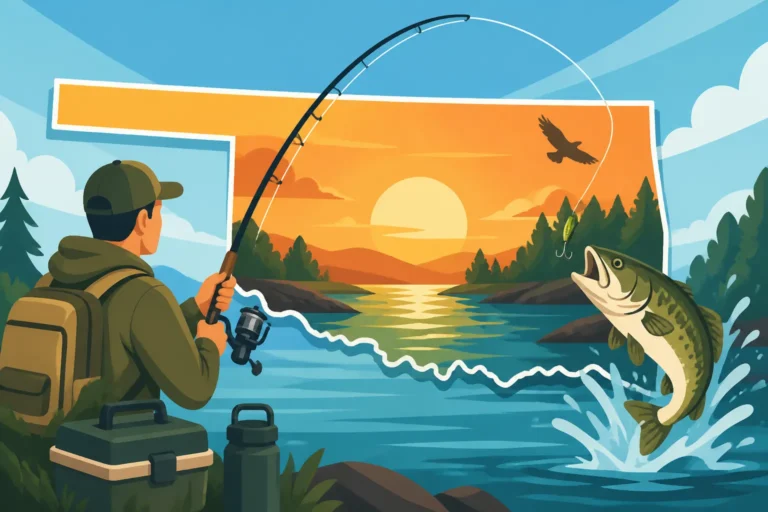
Getting into fishing can feel like a big hurdle, especially when you're just starting out or trying to introduce the joy of the outdoors to a child. You walk into a bait shop, or even just your local supermarket, and there are so many options it's enough to make your head spin. What on earth do you put on the hook that a fish will actually bite? This guide is here to cut through the confusion and show you the absolute best and simplest baits for bluegill, making your first Oklahoma fishing trips fun and successful.
Why Bluegill Are the Perfect Fish for Beginners (and Their Bait Needs)
Let's face it, if you're new to fishing, you want to catch something. There's nothing more disheartening than sitting by the water for hours with no bites, especially if you've got eager kids in tow. That's where bluegill, and their cousins the sunfish, shine like a beacon of hope. These little panfish are incredibly abundant in nearly every pond, creek, and lake across Oklahoma. They're also notoriously aggressive and not particularly picky eaters, which means they're usually pretty easy to entice. This combination of availability and eagerness makes them the ultimate target for beginners, simplifying your bait choices immensely.
The Willingness of the Bluegill
Bluegill are like the friendly neighborhood dog of the fish world – always happy to see you and usually ready for a snack. They congregate in large schools, often near structure like fallen trees, lily pads, or even boat docks. This means if you find one, you've likely found dozens, and they're all competing for food. This natural competition makes them less cautious and more likely to strike at a variety of baits. For a beginner, this translates directly into more bites, more fish caught, and a much more enjoyable experience. You won't spend hours wondering if you're doing something wrong; with bluegill, you'll often get immediate feedback.
Simplifying Your Bait Choices
Because bluegill aren't finicky, you don't need a tackle box overflowing with a dozen different types of expensive lures. The beauty of bluegill fishing, especially for beginners, is that the most effective baits are often the simplest and cheapest ones. We're talking about things you might even find in your backyard or kitchen! This eliminates the stress of choosing the "right" lure for specific conditions and allows you to focus on the basics of casting, feeling a bite, and reeling in your catch. It’s all about building confidence and having fun without the complication. If you're looking for an excellent starting point, check out our guide on Bluegill Fishing for Beginners for more foundational tips.
Natural Baits: The Unbeatable Classics for Bluegill Anglers
When it comes to bluegill, Mother Nature often provides the best menu. Natural baits are usually irresistible to these hungry panfish, largely because they're part of their everyday diet. They're also incredibly easy to use, making them perfect for those just dipping their toes into the fishing world.
Worms: The Universal Bluegill Magnet
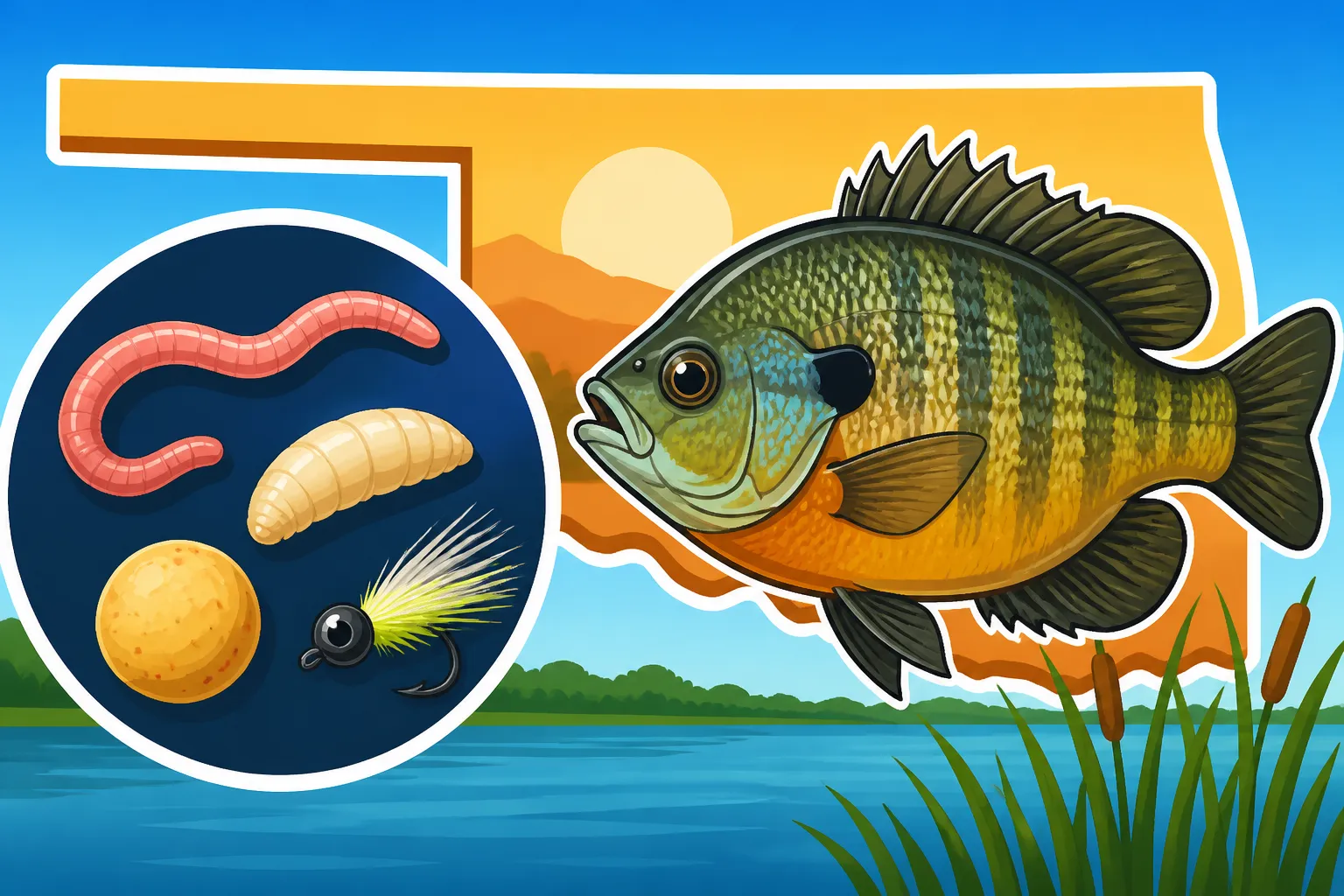
Ah, the humble worm. If there's one bait that has probably caught more fish in human history than any other, it's the worm. And bluegill absolutely adore them! Whether you're using earthworms, red wigglers, or even just a garden variety nightcrawler, a piece of worm wiggling on a hook is often too tempting for a bluegill to pass up.
Why they work: Worms are full of natural scent and movement, which are powerful attractants to bluegill. They're also readily available and relatively inexpensive. You can buy a container at almost any bait shop or even dig them up in your own backyard after a good rain.
How to use them: For bluegill, you don't need a whole big nightcrawler. A small piece, about an inch or two long, is usually more than enough. Thread it onto a small hook (size 8 or 10 is perfect for bluegill) so that the hook point is exposed. You want it to look natural and have plenty of wiggling action. A simple setup with a bobber and a small split shot weight a few inches above the hook is usually all you need to present a worm effectively. If you're fishing in ponds, our advice on Best Bait for Bluegill in Oklahoma Ponds often highlights the versatility of worms.
Crickets and Grasshoppers: The Leaping Delights
Insects are a huge part of a bluegill's natural diet, especially during the warmer months when they're plentiful. Crickets and grasshoppers are fantastic options because they mimic what bluegill are already looking for.
Why they work: The sound and struggle of a live cricket or grasshopper on the surface or just below it is a dinner bell for bluegill. Their natural appearance and movement are hard for a hungry bluegill to ignore. Crickets are easily purchased at bait shops or pet stores, while grasshoppers can be caught in grassy fields (which can be a fun activity in itself!).
How to use them: Hook a cricket or grasshopper gently through the tough part of its collar or just under the shell on its back. This keeps it alive and wiggling longer. Again, a small hook and a light line are key. You can fish them under a bobber, letting them float tantalizingly on the surface, or with a very small split shot to get them down a few feet. The delicate approach often yields the best results. Our guide on Easy Bream Fishing Tips for Beginners goes into more detail about using these kinds of natural baits effectively.
Corn and Bread: Surprising Kitchen Staples
While not quite as "natural" as worms or insects, ordinary kitchen items like canned corn and pieces of bread can be surprisingly effective bluegill baits, especially in ponds where fish might be accustomed to human offerings.
Why they work: These baits are soft, easy for bluegill to eat, and they release a scent that can attract fish. They're also incredibly cheap and convenient.
How to use them: For corn, simply put a few kernels on a small hook. For bread, pinch off a small piece, roll it into a ball, and press it firmly around your hook. You want it compact enough to stay on the hook during the cast, but soft enough for the bluegill to mouth. These work well when fished on the bottom with a small weight or suspended under a bobber. They're particularly good if you're taking kids fishing, as they're easy to handle and readily available. This makes them a great option if you're wondering How to Teach a Kid to Fish for Bream.
Beyond Live Bait: Exploring Artificial Options for Bluegill
While natural baits are kings for beginners, there comes a time when you might want to experiment with artificial lures. These can be incredibly fun to fish, require active participation, and can sometimes catch larger bluegill or other panfish. The great news is that just like natural baits, the artificial options for bluegill are small, simple, and affordable.
Micro Jigs: Tiny Temptations
Micro jigs are exactly what they sound like: tiny fishing jigs, often weighing less than an eighth of an ounce. They usually consist of a small lead head with a hook, often dressed with a marabou feather, a synthetic material, or paired with a tiny soft plastic body.
Why they work: Micro jigs imitate small insects, larvae, or tiny baitfish that bluegill feed on. Their subtle action and small profile are very appealing. They're versatile and can be fished in various ways.
How to use them: You can cast them out and retrieve them slowly with a twitching motion, let them sink and lift them gently (called "jigging"), or fish them under a small bobber, which gives them a natural, suspended action. Different colors can work better on different days, so it's good to have a few options. White, chartreuse, black, and pink are popular choices. You can easily find assortments of these on Amazon, often in multi-packs that give you a variety to try.
Small Spinners: Flash and Vibration
Small in-line spinners are another fantastic artificial option for bluegill. These lures have a blade that rotates when retrieved, creating flash and vibration in the water.
Why they work: The flash and vibration mimic fleeing baitfish or insects, triggering a predatory response in bluegill. They're also very easy to use – simply cast and retrieve.
How to use them: Cast your small spinner out and reel it in at a steady, slow to moderate pace. The key is to keep the blade spinning. Brands like Panther Martin or Mepps make excellent small spinners that are perfect for panfish. Sizes from 00 to 1 are typically ideal for bluegill. They can be found in most sporting goods stores or online retailers like Amazon.
Tiny Soft Plastics: Versatility in Miniature
Just like their larger bass fishing counterparts, tiny soft plastic lures can be deadly for bluegill. These come in a huge array of shapes, from tiny grubs and worms to miniature creature baits.
Why they work: Soft plastics offer lifelike texture and can be impregnated with scent, making them feel and smell more natural to a bluegill. They're also incredibly versatile, allowing you to mimic many different types of prey.
How to use them: The most common way to fish tiny soft plastics is on a small jig head (like the micro jigs we just discussed). You can also use them on a very small hook under a bobber or fished weightless for a slow, natural fall. Experiment with different retrieves – a slow steady reel, small twitches, or stop-and-go actions. Remember, if you're learning to rig, our guide on How to Rig a Bobber for Bluegill Fishing can offer visual insights into simple setups.
Rigging Up: Getting Your Bluegill Bait in Front of the Fish
No matter how good your bait is, it won't do you any good if you can't present it to the fish properly. Luckily, bluegill fishing setups are incredibly simple and forgiving, perfect for beginners.
The Bobber Setup: Your Best Friend
The classic bobber setup is the go-to for bluegill, and for good reason. It's easy to see, simple to understand, and incredibly effective.
Components:
- Rod and Reel: An ultralight spinning rod and reel combo is ideal. It’s light enough to make casting small baits easy and sensitive enough to feel the tug of a bluegill. You don't need a heavy duty setup like you would for bass; something akin to the gear mentioned in Best Rod and Reel Combo for Crappie Fishing would be perfect, as crappie are also panfish.
- Fishing Line: Light monofilament line, typically 4 to 6-pound test, is all you need. It's thin, hard for the fish to see, and strong enough for bluegill.
- Bobber: A small clip-on bobber (the red and white kind) or a slip bobber. For beginners, the clip-on is usually easiest.
- Split Shot: A small lead-free split shot weight.
- Hook: A small, thin-wire hook, size 8 or 10.
How to set it up:
- Tie your small hook to the end of your fishing line.
- Clip your bobber onto the line about 1 to 3 feet above your hook. The depth will depend on how deep the bluegill are feeding; generally, they're not super deep.
- Crimp a single small split shot weight onto the line, a few inches above your hook. This helps your bait sink just a bit.
- Attach your chosen bait.
Now you simply cast out, watch your bobber, and wait for it to dance, dip, or disappear – that's your cue to set the hook! Understanding things like Best Time of Day to Catch Bluegill can also help you predict when to expect that bobber to go down.
Bank Fishing Essentials
You don't need a fancy boat to catch bluegill. Bank fishing is often the most accessible and enjoyable way for beginners to get started. Many Oklahoma lakes and ponds offer excellent bank access, often with plenty of cover where bluegill like to hide.
Where to cast: Look for areas with submerged timber, lily pads, cattails, or docks. These are natural bluegill magnets. Cast your bait near these structures, but not so close that you get snagged.
Movement and patience: While bluegill are aggressive, sometimes you need to impart a little movement. Give your bobber a gentle twitch every now and then to make your bait look more alive. And remember, fishing is also about patience. Even with eager bluegill, there will be lulls. Pack snacks, enjoy the outdoors, and teach kids that fishing is as much about the experience as it is about the catch. If you are struggling with bites, considering What Bait Works Best for Bluegill in Summer might provide some seasonal adjustments.
Environmental Factors to Consider
Even for bluegill, factors like water temperature, time of day, and clarity can influence their biting habits. For instance, bluegill are often more active during warmer parts of the day, especially in the mornings and evenings when the sun isn't at its harshest. Overcast days can also be fantastic. Understanding How Water Temperature Affects Fish Feeding Habits can give you an edge, even with these eager eaters.
Consider a small tackle box filled with just a few essentials: a handful of bobbers, a variety of small hooks, a container of split shot weights, and a few packs of different baits. For artificial options, having a small assortment of micro jigs, tiny spinners, and a few small soft plastics can be fun for experimentation. Many beginner anglers find these items easily accessible on online platforms like Amazon, making it simple to get started without visiting multiple stores.
Conclusion: Get Out There and Catch Some Bluegill!
Learning to fish doesn't have to be complicated or expensive, especially when you start with bluegill. Their abundant nature and willingness to bite make them the perfect target for anyone looking to enjoy the sport. By sticking to simple, effective baits like worms, crickets, corn, or even easy-to-use artificial lures, you'll be well on your way to a successful and fun day on the water. Remember, the goal is to have fun, build confidence, and create lasting memories. So grab a simple rod and reel, pick your favorite bluegill bait, and get out to your nearest Oklahoma pond or lake – those bluegill are waiting!
| Bait Type | Pros | Cons | Best For |
|---|---|---|---|
| Worms | Universal appeal, natural scent, easy to find | Can be messy, require live storage | All conditions, guaranteed bites |
| Crickets | Excellent surface action, natural prey | Fragile on hook, can escape | Surface feeding, warmer months |
| Corn/Bread | Cheap, convenient, easy for kids to handle | Can fall off hook easily, less natural appeal | Easy access, family fishing, stocked ponds |
| Micro Jigs | Versatile presentation, various colors | Requires active retrieve, smaller profile | Experimentation, slightly larger bluegill |
| Small Spinners | Flash & vibration, covers water quickly | Can attract larger fish (snags), retrieval skill | Active fish, covering larger areas |
| Tiny Soft Plastics | Lifelike action, scented options, durable | Requires jig head, careful rigging | Mimicking specific prey, subtle presentations |
Disclaimer
This article is for general informational purposes only and does not constitute professional advice. Laws, prices and regulations vary by location and change over time. Consult a qualified professional for guidance on your specific situation.