Best Bank Fishing Spots Setup Tips
Many anglers dream of the peaceful solitude of bank fishing, pulling up to a quiet stretch of water, setting down their gear, and casting a line. But let's be honest: that serene vision can quickly turn into a frustrating scramble if you don't have a well-thought-out setup. You're constantly rummaging through a messy bag, realizing your drink is just out of reach, or battling with an uncomfortable chair. This guide is dedicated to helping you craft the ultimate bank fishing setup, transforming those potentially chaotic outings into truly relaxing and productive experiences on Oklahoma's beautiful waters.
Essential Gear for a Productive Bank Fishing Setup
When you're leaving the boat behind and sticking to solid ground, your gear choices become even more critical. You need items that are portable, versatile, and tough enough to handle whatever the Oklahoma outdoors throws at them. It's not just about having a rod and reel; it's about having the right tools to make your bankside adventure enjoyable and successful.
Selecting the Right Rod and Reel Combination
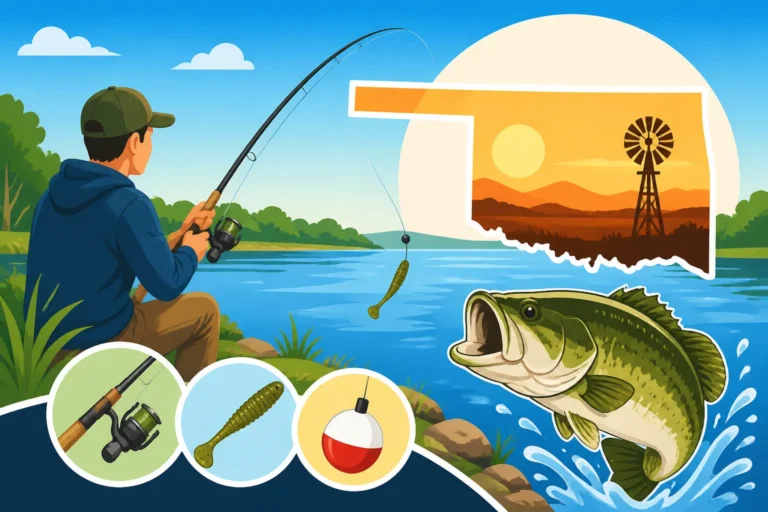
For bank fishing, versatility is king. You're often dealing with varying depths, potential snags, and different species. A good all-around setup will make your life much easier. Many seasoned bank anglers in Oklahoma gravitate towards a medium to medium-heavy spinning rod, typically between 6 to 7.5 feet long. This length gives you enough leverage for longer casts to reach those distant structures or deeper channels, while still being manageable in tighter, brushy spots that you might find along the shores of Lake Eufaula or the Illinois River.
Pair that rod with a reliable spinning reel in the 2500 to 4000 series. These reels offer a good balance of line capacity and smooth drag, which is crucial when you hook into a feisty largemouth bass or a strong channel catfish. Spool your reel with 8-15 pound monofilament or fluorocarbon, or if you prefer a thinner diameter and more sensitivity, a 20-30 pound braided line with a fluorocarbon leader. This setup allows you to handle a wide range of Oklahoma's popular game fish without feeling under-gunned or over-powered. If you want to dive deeper into specific choices, check out our guide on Bank Fishing Rod Setup vs Boat Fishing Rod Setup.
Must-Have Terminal Tackle and Bait Essentials
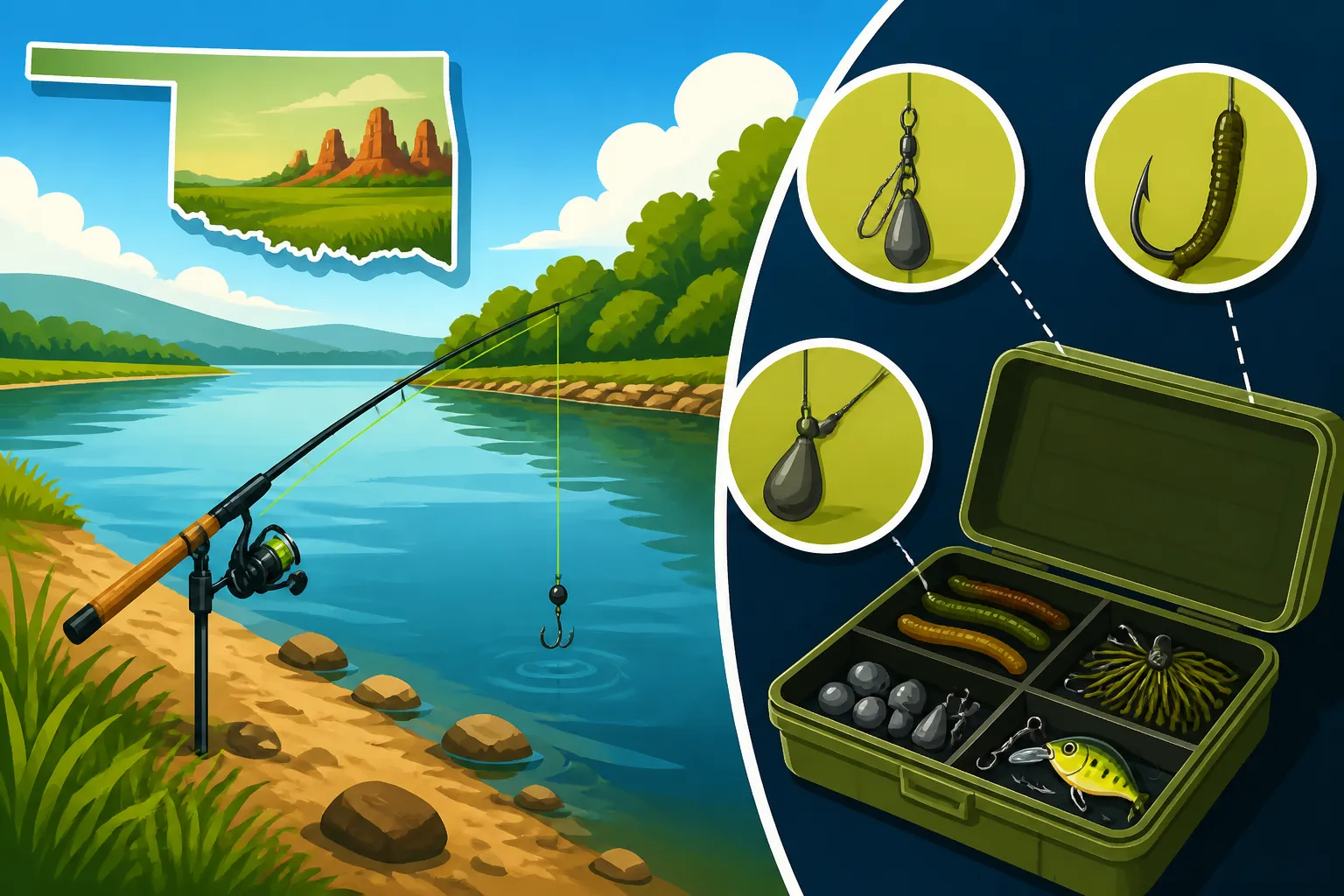
Your tackle box, or more practically for bank fishing, a smaller tackle bag or backpack, needs to be stocked with the essentials. Think about what you're likely to encounter. In Oklahoma, that often means catfish, crappie, and various bass species. For catfish, you'll need an assortment of circle hooks (sizes 2/0 to 6/0), egg sinkers (1/2 oz to 1 oz), and swivels. For crappie, small jig heads (1/16 oz to 1/8 oz) and tiny hooks for minnows are crucial. Bass anglers will want soft plastics (worms, craws), spinnerbaits, and perhaps a few crankbaits.
Don't forget the basics: extra line, a pair of pliers for hook removal, nail clippers for trimming line, and a small first-aid kit for minor cuts. When it comes to bait, prepared baits like punch bait or stink bait are staples for catfish, while live minnows are hard to beat for crappie. For bass, artificial lures give you endless options. Many anglers find great deals on versatile tackle kits and bait storage solutions on platforms like Amazon, allowing you to get organized without breaking the bank. Our article on Best Tackle for Shore Fishing Catfish offers even more species-specific advice.
Comfort and Convenience Items You'll Thank Yourself For
Bank fishing often means extended periods outdoors, so comfort is key to enjoyment. A lightweight, portable folding chair is a game-changer. Trust me, standing for hours on end gets old quickly, and a comfy seat allows you to truly relax and focus on your line. Consider one with a small side table or cup holder to keep your drink or a small tackle tray within easy reach.
A small cooler or insulated bag is essential for drinks, snacks, and keeping any caught fish fresh if you plan to keep them. Don't underestimate the Oklahoma sun and insects; sunscreen, a wide-brimmed hat, sunglasses, and bug repellent are non-negotiable. A small towel for wiping hands, a pair of gloves for handling fish, and a compact landing net can also make a huge difference, especially if you're targeting larger species. These small additions, easily found on Amazon or at local sporting goods stores, transform a bare-bones outing into a pleasant escape. You can also explore options for Best Waders for Bank Fishing in Oklahoma if you plan to wade into shallow areas for better casting angles.
Strategically Choosing Your Bank Fishing Spot
Finding the right spot is half the battle when bank fishing. It's not just about access; it's about understanding the environment, reading the water, and identifying potential fish habitats from your vantage point on shore. A great setup at a bad spot won't yield much.
Prioritizing Accessibility and Safety
Before you even think about casting, you need to ensure the spot is safe and legal. Always check for "No Trespassing" signs and respect private property. Look for areas with stable ground where you won't slip or trip, especially if you're bringing a lot of gear or fishing with family. Steep, unstable banks can be dangerous, particularly after rain. Consider how close you can park to your chosen spot; a long trek with a heavy cooler and multiple rods isn't exactly relaxing.
Also, be aware of your surroundings in terms of wildlife. Oklahoma has its share of snakes and other critters, so keep an eye out, especially in overgrown areas. Popular spots like Bank Fishing Access Points on Grand Lake O' the Cherokees often have designated parking and clearer paths, making them safer and more accessible.
Reading the Water for Fish Hotspots from Shore
This is where your observational skills come into play. Fish are creatures of habit, and they relate to structure. From the bank, look for any visual cues that might indicate submerged cover or changes in depth. This includes:
- Submerged timber or brush piles: These are classic hiding spots for bass and crappie.
- Rock piles or rocky points: Often attract bass, crappie, and even walleye.
- Weed lines: The edges of aquatic vegetation are prime ambush points for many species.
- Drop-offs or ledges: Look for changes in water color or current that suggest deeper water.
- Current breaks: Areas where the current slows down, like behind a point or a large rock, provide resting areas for fish.
Also, observe any signs of fish activity – surface boils, baitfish flicking, or birds diving. These are often indicators of feeding fish. Understanding seasonal patterns is also key; knowing the Best Time of Year to Fish in Oklahoma can significantly improve your chances of finding fish from the bank.
Understanding Different Bank Features and Their Potential
Different types of banks offer unique opportunities. A steep bank might indicate quick access to deeper water, perfect for targeting suspended crappie or blue catfish. Shallow, gradually sloping flats, especially those with some vegetation, are often excellent for bass, particularly during the spawn.
Rocky shorelines, common on many Oklahoma reservoirs, provide cover and attract baitfish, making them great spots for a variety of species. Muddy bottoms often hold catfish and carp, especially if there's decaying organic matter. Look for fallen trees, docks, bridge pilings, or even culverts where water flows in. These man-made or natural structures create current breaks and ambush points that attract fish. For example, some Family-Friendly Fishing Spots at Lake Murray State Park, Oklahoma might feature docks or accessible shoreline parks that concentrate fish. Don't forget, sometimes the most productive spots are those that offer a bit of everything, providing diverse habitat for multiple species.
Optimizing Your Bankside Fishing Station
Once you've chosen your spot, the next step is setting up your personal fishing station. A well-organized and comfortable setup isn't just about convenience; it directly contributes to how long you can fish and how focused you can remain. Nobody wants to spend their day untangling lines or searching for a lost hook.
Creating an Efficient and Organized Layout
Think of your bank fishing spot as your temporary "command center." Everything you need should be within easy reach. The goal is to minimize unnecessary movement, especially when you're fighting a fish or trying to re-bait quickly. Place your rod holders (if using them) strategically, allowing you to easily pick up a rod or set it down safely.
Your tackle bag or box should be open and positioned so you can see and access your most-used items without having to dig. If you're using live bait, have your bait bucket or container close by, perhaps even within a small bucket with a lid that doubles as a stool. Keep your cooler handy for snacks and drinks, but slightly out of the way so it doesn't become a tripping hazard. A small, portable table (even a fold-out plastic one) can elevate your workspace, keeping hooks and small items off the dirt. The less fumbling, the more casting and enjoying the outdoors you'll be doing.
Smart Gear Management for a Smooth Experience
One of the biggest frustrations of bank fishing is disorganized gear. When you're constantly fighting branches or uneven ground, things tend to get messy. A truly smooth experience comes from smart gear management. Consider using smaller, clear containers within your main tackle bag to separate different types of hooks, weights, or lures. This way, you can grab what you need instantly.
Having a dedicated, easily accessible spot for items you use constantly, like pliers, a measuring tape, or extra leaders, is invaluable. Many anglers use a fishing vest or a sling pack worn over the shoulder to keep these "active" items on their person. This means you don't have to break your concentration or move from your chair every time you need something small. Also, always have a designated place for trash – a small plastic bag tied to your chair or tucked into your tackle bag. Leaving no trace ensures these beautiful Oklahoma fishing spots remain enjoyable for everyone.
Staying Comfortable for Longer Stays
Extended bank fishing sessions can really take a toll if you're not comfortable. An adjustable chair allows you to find the perfect ergonomic position. If you're planning to fish during the hotter months, a portable fishing umbrella or even a small pop-up canopy can provide much-needed shade, protecting you from the relentless Oklahoma sun. In cooler weather, layering your clothing is essential, as temperatures can fluctuate wildly throughout the day.
Don't forget your feet! Comfortable, waterproof footwear is crucial, especially if the bank is damp or uneven. If you plan to wade, Best Waders for Bank Fishing in Oklahoma will be a game changer. A thermos with coffee or hot chocolate in the winter, or an extra water bottle in the summer, will keep you hydrated and content. The more comfortable you are, the longer you'll want to stay out there, and the more relaxed your fishing experience will be.
Advanced Tips and Responsible Angling for Bank Success
Moving beyond the basic setup, a truly successful bank angler knows how to adapt, maximize their efforts, and, most importantly, respect the environment. These are the nuances that turn a good fishing trip into a great one.
Adapting Your Setup to Changing Conditions
Oklahoma weather and water conditions can be notoriously unpredictable. A sunny, calm morning can quickly turn into a windy, cloudy afternoon, completely changing fish behavior. A smart bank angler carries a small array of different baits or lures to adapt. If the water suddenly becomes muddy after rain, switch from clear-water lures to brighter colors or those that create more vibration. If the wind picks up, you might need heavier weights to keep your bait on the bottom or switch to a more streamlined lure for better casting.
Be prepared to move if your chosen spot isn't producing. Sometimes, a change of only 50 yards down the bank to a different type of cover or depth can make all the difference. Having a mobile setup – perhaps a small cart for your gear – allows you to be more agile. Understanding how factors like Cold Front Fishing Techniques affect fish can help you anticipate these changes and modify your approach proactively.
Maximizing Your Catch and Enjoyment from Shore
Bank fishing might limit your access to certain parts of a lake, but it doesn't limit your potential for a great catch. To maximize your success, vary your retrieval speeds and depths. Don't just cast out and retrieve the same way every time. Try different presentations – slow crawls, quick jerks, pause-and-go retrieves. Use scent attractants on your artificial baits; they can often make a big difference, especially in stained water or for species like catfish.
Keep a mental (or even written) log of what works: what bait, what time of day, what type of bank, what weather conditions. This will help you refine your strategy for future outings. And remember, bank fishing offers a unique chance for quiet observation. Take the time to watch the water, identify baitfish, and enjoy the wildlife. Whether you're trying to figure out How to Catch Crappie from the Bank or master How to Catch Channel Catfish from the Bank, patience and observation are your best friends. Check out our Bank Fishing Tips for Beginners for more foundational advice.
Practicing Responsible Angling and Conservation
As stewards of Oklahoma's beautiful natural resources, it's every angler's responsibility to practice ethical and respectful angling. The "leave no trace" principle is paramount: pack out everything you pack in, and if you see litter, consider picking it up. Even small things like discarded fishing line can be deadly to wildlife.
Respect other anglers. If someone is already set up in a spot, give them plenty of room. Nobody likes to have someone cast over their line or crowd their space. Always know and follow the local Fishing Regulations You Need to Know in Oklahoma, including bag and size limits for the species you're targeting. Proper catch and release techniques, like minimizing handling time and using barbless hooks when appropriate, help ensure the health of the fish population for future generations. Our goal is to enjoy the outdoors while ensuring it remains vibrant and healthy for years to come.
| Item Type | Essential Gear | Purpose | Notes for Oklahoma Bank Fishing |
|---|---|---|---|
| Rods/Reels | Medium/Medium-Heavy Spinning Rod (6-7.5 ft) | Versatile casting and handling various species | Good for most Oklahoma lakes and rivers; balances cast distance and maneuverability. |
| Spinning Reel (2500-4000 series) | Smooth drag and adequate line capacity | Suitable for bass, crappie, catfish, and smaller wipers. | |
| Line | Monofilament, Fluorocarbon, or Braided Line | Main fishing line, leader material | 8-15lb mono/fluoro, or 20-30lb braid with fluoro leader for sensitivity. |
| Terminal Tackle | Assorted Hooks (Circle, J-hooks, Jig Heads) | Match to target species and bait | Sizes 10 to 6/0; small jigs for crappie, larger hooks for catfish. |
| Sinkers/Weights (Egg, Split Shot) | Get bait to depth, cast further | 1/8 oz to 1 oz for most applications. | |
| Swivels, Snaps, Floats/Bobbers | Prevent line twist, quick changes, strike indication | Keep a variety; slip bobbers are great for precise depth control. | |
| Bait | Live Bait (Minnows, Worms), Prepared Baits | Attract target species | Minnows for crappie, worms for panfish, punch bait for catfish are staples. |
| Artificial Lures (Soft Plastics, Spinners, Jigs) | Versatile, active fishing for bass, crappie | Carry a small selection of colors and sizes. | |
| Tools | Pliers (needle-nose), Line Clippers, Knife | Hook removal, cutting line, general utility | Essential for safety and efficiency. |
| Small First-Aid Kit | Address minor injuries | Always a good idea for any outdoor activity. | |
| Landing Net | Safely land larger fish | Helps prevent line breakage and injury to fish/angler. | |
| Comfort | Portable Folding Chair | Comfort for extended periods | Look for one with cup holders or side pockets for convenience. |
| Cooler/Insulated Bag | Keep drinks, snacks, and fish fresh | Essential for hydration and food, especially in Oklahoma heat. | |
| Sunscreen, Hat, Sunglasses | Protection from UV rays | Crucial for Oklahoma's sunny days. | |
| Bug Repellent | Ward off insects | Especially important near water during warmer months. | |
| Water Bottle/Hydration Pack | Stay hydrated | Absolutely critical in Oklahoma's climate. | |
| Organization | Small Tackle Bag/Backpack | Organized storage and portability for gear | Easier to carry than a large box; keep essentials separate. |
| Trash Bag | Pack out all waste | Keep our lakes and rivers clean! | |
| Optional | Rod Holders (bank sticks) | Hands-free rod support | Great for catfishing or multiple rod setups. |
| Fishing Vest/Sling Pack | Keep frequently used items on your person | Allows for more mobility and quick access. |
Disclaimer
This article is for general informational purposes only and does not constitute professional advice. Laws, prices and regulations vary by location and change over time. Consult a qualified professional for guidance on your specific situation.