Bream Fishing Techniques for Kids
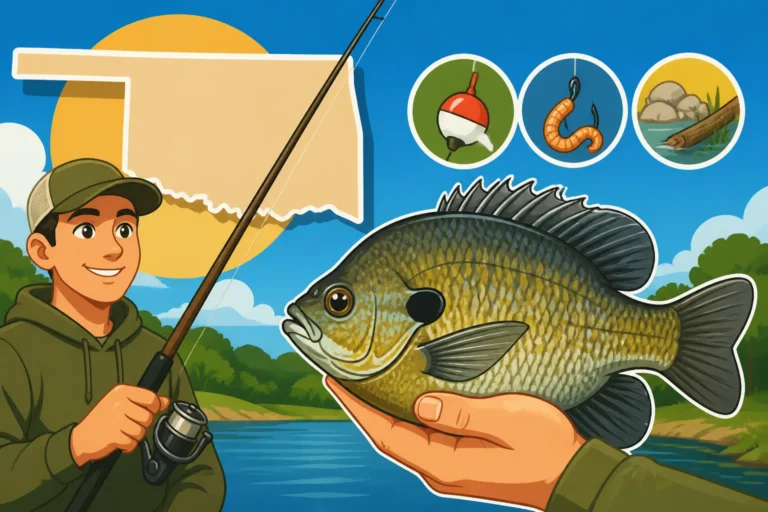
Getting kids interested in fishing can feel like a daunting task, especially when you're battling short attention spans, the glare of electronics, and the general unpredictability of a young adventurer. But trust me, as someone who’s spent countless hours on Oklahoma’s waters, there's nothing quite like witnessing that pure joy when a kid feels the tug of a fish on their line for the very first time. If you're looking to introduce the magic of fishing to your little ones, targeting bream – those feisty, colorful sunfish – is absolutely the best way to guarantee smiles and create lasting memories right here in our incredible state.
Why Bream Are the Perfect Target for Young Anglers in Oklahoma
Let’s be honest, trying to teach a five-year-old the intricacies of bass fishing with its fancy lures and subtle bites is a recipe for frustration. You need something that delivers action, and delivers it fast. That’s where bream, often interchangeably called bluegill or sunfish, become the unsung heroes of kids' fishing trips. They’re plentiful, aggressive, and forgiving, making them the ideal teachers for budding anglers in Oklahoma.
The Eager Biters of Oklahoma Waters
One of the biggest hurdles when fishing with kids is keeping them engaged. Their attention spans are, shall we say, dynamic. They need constant stimulation, and waiting an hour for a bite just isn't going to cut it. This is precisely why bream are your secret weapon. These little dynamos are almost always hungry and usually quite willing to strike. Whether it's a redear sunfish, a green sunfish, or the ubiquitous bluegill, they're not shy. You'll find them in nearly every pond, lake, and slow-moving creek across Oklahoma, from the smallest farm pond to the vast expanse of Lake Eufaula. Their eagerness to bite means less waiting and more reeling, which translates directly into more excitement and less "Are we there yet?" syndrome, even when you're already there. This constant action keeps their spirits high and builds confidence with every bobber dip and every fish brought to the bank. It's a fantastic way to validate their efforts, even if their casting isn't quite perfected yet.
Kid-Friendly Size and Safe Handling
Another huge advantage of targeting bream is their size. While they can put up a surprisingly spirited fight for their stature, they are typically small enough for even the littlest hands to manage once they’re out of the water. You won't have a struggling behemoth on the end of the line, making it much easier for your child to reel in their catch independently. Plus, most bream species have relatively small mouths and aren't typically armed with rows of razor-sharp teeth or venomous spines like some other fish. This makes handling them, removing the hook, and preparing for release a much safer and less intimidating experience for both you and your child. Teaching them to gently hold the fish, support its weight, and carefully unhook it provides an invaluable lesson in respecting nature and the creatures within it. It’s an early step in conservation, showing them that even the smallest fish deserves to be treated with care, whether it’s destined for the dinner plate or released to swim another day.
Essential Gear for a Successful Kids' Bream Fishing Trip
When it comes to outfitting your young angler, simplicity and durability are key. Resist the urge to buy them a miniature version of your own high-tech gear. What works for you might just frustrate them. The goal here is ease of use and maximum fun, not professional-grade performance.
Simple Rods and Reels for Small Hands
I've seen it countless times: a well-meaning parent hands their child a complex spinning reel, and within minutes, there’s a tangled bird's nest of line and a frustrated kid. Complicated gear can quickly turn a fun outing into a tearful ordeal. For kids, especially those just starting, the absolute best option is a spin-cast reel, often called a "push-button" reel. Brands like Zebco and Shakespeare offer fantastic, affordable combo sets that are practically indestructible and incredibly easy for little hands to operate. The push-button casting mechanism eliminates the tricky finger-work of a spinning reel, allowing them to focus on the casting motion itself.
Look for a rod length between 4 and 5 feet. This shorter length is much easier for children to handle and cast without hitting themselves or others. A lightweight 4- to 6-pound monofilament line is perfect; it’s strong enough for bream but thin enough to cast small baits easily. You can find some excellent options when considering the Best Rods and Reels for Oklahoma Fishing, but for kids, always prioritize ease of use over power or sensitivity. Remember, we’re building a foundation of fun!
Basic Tackle Box Essentials
You don’t need a tackle box the size of a suitcase for bream fishing. A small, organized box is much better for kids. It teaches them responsibility and helps keep track of their few, but essential, items. Here’s what you absolutely need:
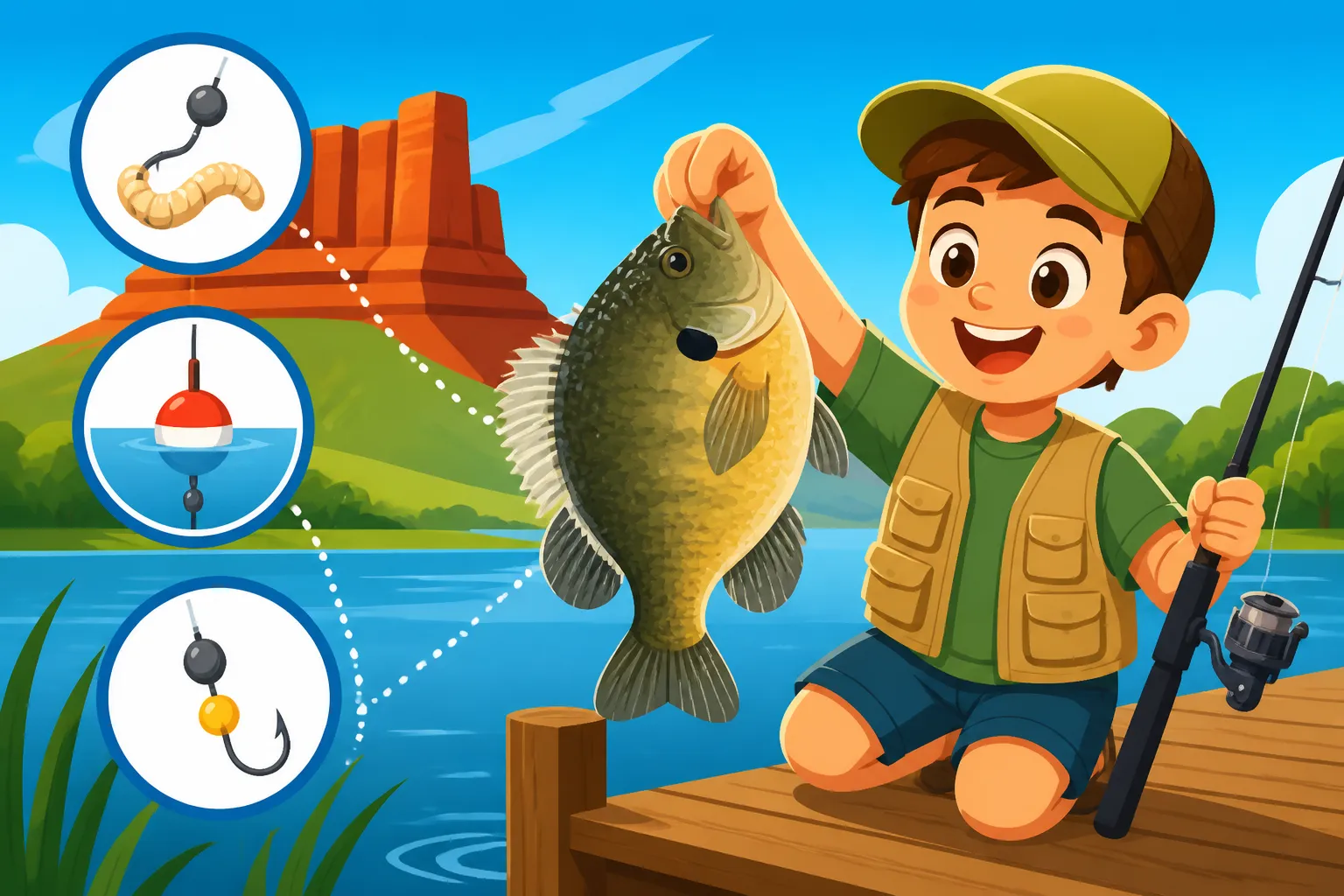
- Hooks: Small Aberdeen or long-shank hooks in sizes 8, 10, or 12 are perfect. The long shank makes them easier for adults to remove from those tiny bream mouths.
- Bobbers: Small, brightly colored clip-on bobbers are a must. They’re easy to attach and highly visible, which is crucial for kids to see a bite. While slip bobbers have their place, the simplicity of a clip-on is unbeatable for beginners.
- Split-shot weights: A small assortment of pinch-on split-shot weights will help get the bait down. Start with just one or two small ones; you don't want to weigh down the bobber too much.
- Needle-nose pliers/Hemostats: These are for the adult in charge! They are invaluable for safely removing hooks, especially if a fish swallows it deep.
- Small stringer (optional): If you plan to keep a few fish, a cheap stringer can add to the excitement of seeing their catch.
Keeping it simple minimizes confusion and maximizes the time spent fishing. Sometimes, less truly is more, especially when you're trying to How to Teach a Kid to Fish for Bream. You can even find excellent starter fishing kits and bait options on Amazon, making it super convenient to get everything you need delivered right to your door without trekking to multiple stores.
The Best Baits for Oklahoma Bream
When it comes to bream, live bait is king. These fish are opportunistic feeders, and they often can’t resist a wriggling, natural offering.
- Worms: Red wigglers, nightcrawlers (cut into smaller pieces), or even plain old garden worms are absolute bream magnets. They’re easy to hook and stay on well. You can often buy them at local bait shops, gas stations, or even dig your own from a compost pile or after a rain shower.
- Crickets: Another phenomenal bait for bream. The sound of crickets chirping can even add to the rustic charm of a fishing trip! They’re readily available at bait shops and are incredibly effective.
- Tiny Jigs: If you want to introduce artificials, tiny 1/32 or 1/64 ounce jigs, especially those tipped with a small piece of worm or a Berkley Gulp! Alive! Waxworm, can work well. However, for sheer catch-rate and ease for a beginner, live bait is usually superior.
- Bread Balls: A surprisingly effective and super cheap option, especially for bluegill. Just pinch a small piece of white bread into a tight ball and hook it. It’s messy but can provide a lot of action!
The key is to use small pieces of bait that fit into a bream's mouth. Don’t overload the hook. A tiny nibble might not register if they have to chew through a huge chunk of worm. If you're looking for more specific recommendations, checking out the Best Bait for Bluegill in Oklahoma Ponds can give you an even more detailed edge.
Step-by-Step Bream Fishing Techniques for Beginners
Once you have the right gear and bait, it’s time to get down to the fun part: fishing! Breaking down the process into simple, manageable steps will make it much easier for kids to learn and succeed.
Rigging Up the Kid-Friendly Way
The way you rig the line is crucial for simplicity. For kids, a basic bobber-and-bait setup is unbeatable. Here's a simple step-by-step:
- Tie on the hook: Start by tying your small hook directly to the end of the line. A simple clinch knot or improved clinch knot works well. Double-check your knot's strength!
- Add the bobber: About 12-24 inches above the hook, attach your clip-on bobber. The depth can be adjusted later depending on where the fish are biting. For most bream, keeping the bait relatively shallow (1-3 feet deep) is a good starting point.
- Place the weight: About 6-8 inches above the hook, pinch on a single small split-shot weight. This helps cast the bait and sink it, keeping the bobber upright. Don't add too many; you want the bobber to dip easily when a fish bites.
Before each cast, or after a fish has been caught, quickly check the rig. Is the bait still on? Is the hook straight? Is the bobber secure? These quick checks prevent frustration and teach good habits. This exact setup is covered in more detail if you're keen to perfect How to Rig a Bobber for Bluegill Fishing.
Casting and Presentation Made Easy
Learning to cast is often the most exciting (and sometimes comical) part for kids. With a spin-cast reel, it’s much simpler.
- Safety First: Before they even think about casting, teach them to always look behind them. "Check your backswing!" should become a familiar mantra. This prevents hooks from ending up where they shouldn't.
- The Push-Button Cast:
- Have them hold the rod with their dominant hand, thumb resting on the button.
- Tell them to push and hold the button down.
- Bring the rod tip back over their shoulder (like throwing a baseball underhand or a dart).
- Bring the rod forward in a smooth motion.
- Just as the rod reaches about 10 or 11 o’clock (before the tip starts to go down), tell them to release the button.
- The line will fly, and the bobber and bait will splash down.
- Where to Cast: Bream love structure and shade. Look for lily pads, fallen logs, dock pilings, shady spots under overhanging trees, or areas where grass grows into the water. These are typically bream hangouts. Encourage them to cast near these spots, not necessarily into them initially to avoid snags. Make it a game: "Can you get your bobber to land next to that big rock?" This helps with accuracy. When fishing from shore, these techniques are critical, and you can find more tips on Bank Fishing Tips for Beginners.
Detecting Bites and Setting the Hook (Gently!)
This is where the real fun begins! Watching a bobber dance on the water's surface is pure anticipation.
- Watching the Bobber: Explain that when a fish bites, the bobber will usually twitch, jiggle, or dip. Sometimes it’ll just slowly pull under, other times it’ll disappear in a flash. Tell them to keep their eyes glued to it!
- When to Set the Hook: This is tough for beginners, as the excitement can lead to premature jerking. Teach them to wait until the bobber goes completely under the water for a count of "one Mississippi, two Mississippi" or simply until they feel the fish pulling. Then, instead of a violent yank, teach a gentle, upward sweep of the rod tip. This sets the hook without ripping it out of the fish's mouth.
- Managing the Fight: Once hooked, tell them to slowly reel in the fish, keeping the rod tip up. Emphasize not cranking the reel furiously, which can lead to lost fish or tangled lines. The steady, slow retrieve is key to landing their catch. The look on their face as they bring that colorful bream close to the bank is absolutely priceless – pure, unadulterated joy!
Where and When to Find Bream in Oklahoma (Kid-Friendly Spots)
Oklahoma is a fantastic state for fishing, and luckily, bream are found in abundance almost everywhere. Choosing the right spot and time can make all the difference for a successful and fun family outing.
Top Kid-Friendly Bream Spots Across Oklahoma
The beauty of bream fishing is that you don't always need a fancy boat or a remote wilderness spot. Many excellent locations are easily accessible and perfect for kids.
- Ponds, Ponds, and More Ponds: This is your number one option. Local city park ponds, community fishing ponds, and private farm ponds are often teeming with bream. They offer easy bank access, usually calm waters, and less boat traffic. Many Oklahoma City-area parks, like those around Lake Hefner or Lake Stanley Draper, have great bank fishing areas, perfect for a short trip. In the Tulsa metro, places like Chandler Park or small ponds within state parks often get stocked or naturally hold plenty of sunfish. These smaller, more contained bodies of water mean you’re never too far from the action, and kids can feel safe exploring the shoreline. You can explore many Family-Friendly Fishing Spots in Oklahoma that cater specifically to young anglers, ensuring a positive experience. If you live closer to our largest metropolitan area, many of the Fishing Spots Near Oklahoma City are perfect for this type of casual, accessible fishing.
- State Parks and Public Fishing Areas: The Oklahoma Department of Wildlife Conservation (ODWC) manages numerous public fishing areas and often focuses on maintaining good panfish populations in state park lakes. These spots typically have good amenities, like restrooms and picnic areas, which are essential for families with kids. A quick search on the ODWC website can yield a treasure trove of local, well-maintained fishing holes.
- Shallow Coves of Larger Lakes: While larger reservoirs like Lake Texoma or Grand Lake O' the Cherokees might seem intimidating, their shallow, protected coves often hold excellent numbers of bream, especially in areas with aquatic vegetation or submerged timber. Just remember to stick to the quieter, easily accessible areas. For a broader overview of opportunities, check out the Best Fishing Spots in Oklahoma to find a location that suits your family's adventure level.
Best Times for Bream Action
Timing is everything, especially when working with a child’s schedule and patience.
- Early Morning and Late Afternoon: These are typically the golden hours for bream, especially during warmer months. The fish are more active as the sun isn't directly overhead, and they move into shallower water to feed. An hour or two of fishing during these times is usually perfect for a kid's attention span.
- Spring to Fall: While you can catch bream year-round, the warmer months from late spring through early fall are when they are most active and abundant in shallow waters. This coincides perfectly with school breaks and pleasant weather for family outings.
- Shade is Your Friend: During the hot Oklahoma summer, bream will often retreat to shaded areas during the middle of the day. Look for them under docks, overhanging trees, or near deep weed beds. Not only does this help you find fish, but it also keeps your kids (and you!) more comfortable and protected from the intense Oklahoma sun. Remember, a short, successful trip is always better than a long, hot, frustrating one. For more information on finding the right moment, you can look up the Best Time of Day to Catch Bluegill.
Safety and Comfort for Young Anglers
Beyond the fishing itself, ensuring your child is safe and comfortable is paramount to making the experience enjoyable and memorable.
- Sun Protection: Oklahoma sun can be intense. Always bring plenty of sunscreen, wide-brimmed hats, and lightweight, long-sleeved shirts. Sunglasses are also a good idea to protect their eyes and help them spot the bobber better.
- Hydration and Snacks: Pack ample water or juice. Fishing can be thirsty work, and dehydration can quickly lead to crankiness. Plenty of easy-to-eat snacks (fruit, granola bars, crackers) are also a must to keep energy levels up. Consider a small, portable cooler from brands like Igloo or even an affordable one from Amazon for keeping drinks and snacks cool.
- Bug Spray: Depending on the time of year and location, mosquitoes and other biting insects can be a nuisance. A good bug repellent can prevent discomfort and distraction.
- Comfortable Seating: A small, portable folding chair can make a world of difference for tired little legs.
- Life Jackets: If fishing near or on open water, especially on boats or docks, ensure children (and adults!) wear properly fitted life jackets. It's not just a good idea; it's often the law, and understanding Do Kids Need a Fishing License in Oklahoma? is crucial, as well as the broader Fishing License Rules for Kids and Nonresidents in Oklahoma. Always check local regulations regarding PFDs for children.
Beyond the Catch: Making it a Memorable Experience
While catching fish is undeniably exciting, a truly great fishing trip with kids is about so much more than just the numbers on the stringer. It's about fostering a love for the outdoors, teaching patience, and creating shared memories that will last a lifetime.
Celebrating Success and Learning from Misses
Every twitch of the bobber, every cast, and every caught fish is a moment to celebrate. Don't underestimate the power of positive reinforcement. High-fives, enthusiastic praise, and genuine excitement from you will amplify their joy. Did they make a perfect cast? Great! Did they manage to reel in a tiny bluegill all by themselves? That's a triumph!
Equally important is how you handle the inevitable "misses." Lost fish, tangled lines, and snagged hooks are part of fishing. Instead of frustration, frame these moments as learning opportunities. "Oh no, the fish got away! What do you think we could do differently next time?" or "It's okay, even I get tangles sometimes. Let's work together to fix it." This teaches resilience and problem-solving, reinforcing that the effort and experience are more valuable than a perfect outcome. Remember, the goal isn't to create a master angler overnight, but to ignite a passion.
Fostering a Love for Nature and Conservation
Fishing is a fantastic gateway to understanding and appreciating the natural world. Use the opportunity to teach valuable lessons that extend far beyond the fish itself.
- Catch and Release: For most bream, especially smaller ones, practicing catch and release is a great way to ensure healthy fish populations for the future. Teach them how to gently unhook the fish, keep it wet, and release it safely back into the water. Explain that releasing fish helps them grow bigger for next time.
- Leave No Trace: Instill the importance of packing out everything you pack in. Show them how to properly dispose of fishing line, bait containers, and snack wrappers. Leaving the shoreline cleaner than you found it is a simple yet powerful lesson in environmental stewardship.
- Observe and Identify: Take time to identify the fish they catch. Point out the different colors, fin shapes, and unique markings of a bluegill versus a green sunfish. Discuss other wildlife you might see – ducks, turtles, dragonflies, or even an eagle soaring overhead. You can find great educational books about local fish species on Amazon to spark their curiosity even further. This adds a layer of educational discovery to the adventure, making them more engaged with their surroundings.
Family Traditions and Future Adventures
The first fishing trip is just the beginning. Nurture this budding interest into a cherished family tradition.
- Make it a Regular Thing: Try to plan regular fishing outings, even if they’re short trips to a nearby pond. Consistency helps build skills and solidify the experience as something fun and anticipated.
- Explore New Waters: As their confidence grows, venture out to new spots. Oklahoma has so many incredible lakes and rivers to explore. Maybe next year, you’ll try for bigger crappie at Lake Arbuckle, or even a different type of fish altogether. Perhaps a family camping trip centered around fishing at destinations like Lake Murray or Lake Eufaula, places perfect for building bigger fishing dreams. These new adventures keep the excitement fresh and expose them to the diversity of our state’s natural beauty. For a comprehensive look at what Oklahoma has to offer, checking out the Best Fishing Spots in Oklahoma will give you plenty of ideas for future expeditions.
- Relive the Memories: Look at photos from past trips, tell stories about "the one that got away," or simply reminisce about the funniest moments. These shared memories are what truly make family fishing trips invaluable. You're not just teaching them to fish; you're teaching them to appreciate nature, build patience, and, most importantly, connect with you.
Here's a handy checklist for a kid-friendly bream fishing outing:
| Item | Purpose | Notes |
|---|---|---|
| Spin-cast Rod & Reel | Easy casting for small hands | 4-5 ft rod, 4-6 lb line |
| Small Hooks | Fit bream mouths, easier to remove | Size 8, 10, or 12 (long shank preferred) |
| Clip-on Bobbers | Visible bite indicator | Small, brightly colored |
| Split-shot Weights | Sink bait, stand bobber upright | Smallest sizes, one or two per rig |
| Live Bait | Irresistible to bream | Worms, crickets (Amazon has starter kits too!) |
| Needle-nose Pliers | Safe hook removal | For adult use |
| Sunscreen & Hats | Protection from Oklahoma sun | Wide-brimmed hats recommended |
| Water & Snacks | Stay hydrated and energized | Small cooler (e.g., Igloo, Amazon Basics) |
| Bug Spray | Keep pesky insects away | Essential during warmer months |
| Small Folding Chair | Comfort for breaks | Lightweight, portable |
| Small Tackle Box | Keep gear organized | Simple, easy for kids to manage |
| Trash Bag | Leave no trace | Pack out everything you pack in |
| First Aid Kit | Minor scrapes and cuts | For any unforeseen incidents |
| Camera | Capture those precious moments | Don't forget to take photos! |
Disclaimer
Please remember that fishing regulations in Oklahoma can change. Always consult the latest Oklahoma Department of Wildlife Conservation (ODWC) regulations before heading out. This guide provides general information and recommendations for bream fishing with kids, but individual situations may vary. Be aware of your surroundings, prioritize safety, and ensure all required licenses are obtained for adults in your party.