When Do Crappie Spawn in Oklahoma Lakes?
If you've ever found yourself scratching your head, wondering when exactly those elusive crappie decide to grace the shallows of Oklahoma's lakes, you're certainly not alone. Trying to pin down the "perfect" time can feel like a guessing game, leading to missed opportunities for some truly fantastic fishing. This guide is dedicated to demystifying the crappie spawn in Oklahoma, helping you understand the key triggers, where to find them, and how to make the most of this exciting season.
The Prime Crappie Spawning Window in Oklahoma
Anglers across Oklahoma eagerly anticipate the crappie spawn each year, and for good reason—it's often the best time to load up on these delicious panfish. While there isn't a single "date" etched in stone, crappie generally follow predictable patterns dictated by environmental cues.
General Timing and Water Temperature Triggers
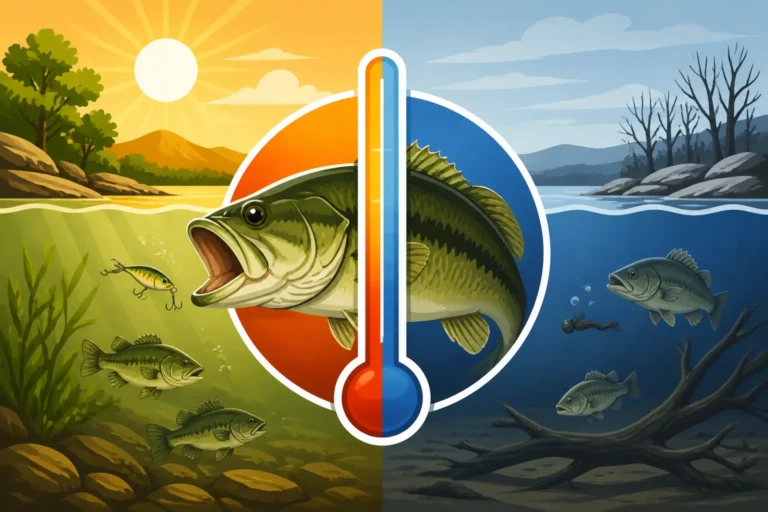
In Oklahoma, the crappie spawn typically kicks off in late winter or early spring and can extend into late spring or even early summer, depending on the year's weather patterns. However, the real secret isn't the calendar date; it's the water temperature. Crappie begin their journey to the shallows when the water temperature consistently reaches the mid-50s Fahrenheit, with the peak spawning activity occurring when temperatures hit that sweet spot of 58-68°F.
Think of it this way: As winter's chill loosens its grip and the sun stays out longer, the shallower waters near the banks start to warm up first. This warming water signals to the crappie that it's time to move out of their deeper winter haunts. They'll transition from creek channels and main lake points, slowly making their way towards the protected coves and shallow flats. A prolonged period of stable, warm weather is what really gets them fired up. If a cold front rolls through and drops water temperatures significantly, they might pull back to deeper staging areas temporarily, only to return once conditions stabilize.
Regional Variations and Lake Specifics
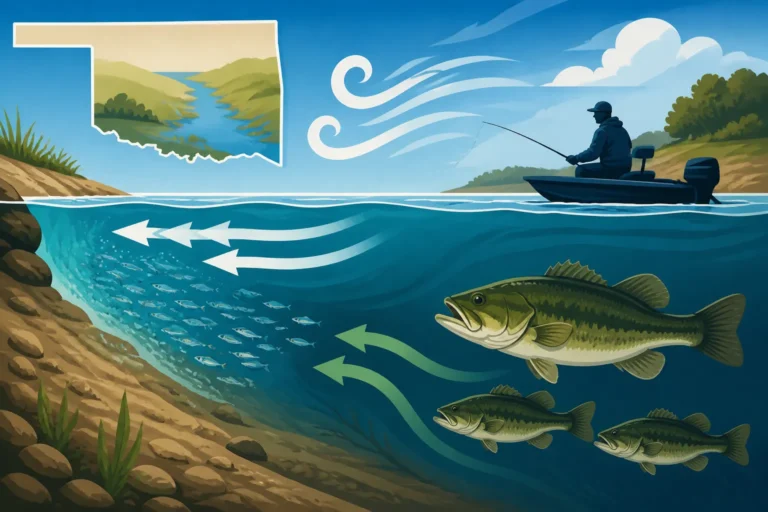
Oklahoma is a big state, and fishing conditions can vary quite a bit from north to south, and even east to west. This means the crappie spawn won't happen uniformly across all lakes at the exact same time. Generally, lakes in southern Oklahoma, like parts of Lake Texoma, might see crappie start to move up a bit earlier than, say, a northern lake like Kaw Lake.
Larger, deeper reservoirs typically take longer to warm up compared to smaller, shallower impoundments. For instance, the vast expanses of Lake Eufaula might experience a slightly later or more drawn-out spawn compared to a smaller community pond. Lakes with significant current, like those on a river system, can also have slightly different dynamics, as moving water can affect temperature stratification. Keeping an eye on local fishing reports and especially water temperature readings for your specific body of water is far more effective than relying on a statewide general forecast. Anglers targeting crappie on specific bodies of water will also want to consult the guide on "Oklahoma's Statewide Crappie Bag Limit" to ensure they are compliant with all regulations.
Key Environmental Factors Influencing the Crappie Spawn
Understanding when crappie spawn is largely about understanding why they spawn when they do. It's a complex interplay of environmental factors, with water temperature leading the charge.
Water Temperature's Dominance
As we discussed, water temperature is the absolute king when it comes to triggering the crappie spawn. Crappie, like most fish, are cold-blooded creatures, and their metabolic rates and reproductive processes are directly tied to the temperature of their surroundings. As the water warms into that 58-68°F range, it signals optimal conditions for egg development, fertilization, and the survival of their young.
Imagine you're a crappie, hanging out in 20-30 feet of water during the winter. You're lethargic, conserving energy. But then, day by day, that shallow water starts to feel a bit toastier. This gradual warming triggers a shift. They'll start to move vertically in the water column and horizontally towards shallower coves. This movement isn't a sudden dash; it's a slow, deliberate migration that can take days or even weeks. If a late-season cold front blows in, dropping surface temperatures, those crappie will often retreat to the safety of deeper water, sometimes staging on nearby creek channels or submerged humps until conditions improve. This stop-and-go pattern can be frustrating, but it's entirely natural.
The Role of Photoperiod and Moon Phases
While water temperature is the primary driver, other factors contribute. Photoperiod, or the increasing length of daylight hours, also plays a significant role in signaling the change of seasons to fish. As the days grow longer in spring, this natural rhythm tells crappie that the time for reproduction is near, helping to synchronize their biological clocks with the warming waters. It's like an alarm clock for their internal systems.
There's also a popular theory among many seasoned anglers that moon phases, particularly a full moon, can influence the timing and intensity of the crappie spawn. While scientific evidence might be less conclusive than for water temperature, many believe that the increased gravitational pull of a full moon might affect tides (even in landlocked lakes to a tiny degree) or influence light penetration, potentially encouraging crappie to move up to their beds. It's certainly something many veteran crappie fishermen keep an eye on, and it often correlates with stable, clear weather that often accompanies a full moon. Whether it's a direct cause or just a correlation, paying attention to the moon phase along with temperature can't hurt your chances.
Weather Patterns and Water Levels
Stable weather is your best friend during the crappie spawn. A prolonged period of warm, sunny days without dramatic temperature swings or strong winds allows the shallow water to warm evenly and consistently, keeping the crappie active and on their beds. Conversely, a sudden cold front, especially one accompanied by strong winds and precipitation, can be a real buzzkill. It can rapidly cool the shallow water, making crappie retreat to deeper holding patterns. This can make them much harder to locate and entice to bite.
Water levels can also be a significant factor. Rising water levels, often due to spring rains, can flood new areas of vegetation and cover, providing crappie with fresh, protected spawning grounds. This can be great for crappie, but it can also make them harder for anglers to pinpoint if they spread out into new areas. Conversely, rapidly falling water levels can expose spawning beds, potentially destroying eggs and making crappie hesitant to spawn in those areas. Stable or slowly rising water levels typically provide the most favorable conditions. It's important to remember that some lakes, like Fort Gibson Lake, have specific regulations that can affect where and how you fish, which might be linked to water levels or other environmental factors.
Where to Find Spawning Crappie in Oklahoma Lakes
Knowing when the crappie spawn is only half the battle; the other half is knowing where to find them. Spawning crappie aren't just swimming aimlessly; they are actively seeking out very specific types of habitat to lay and guard their eggs.
Shallow Water Structure and Cover
When crappie move in to spawn, they are looking for protection and a substrate for their eggs. This means focusing on relatively shallow water, typically ranging from 2 to 10 feet deep, though sometimes they'll be even shallower, especially in dingy water or during overcast conditions. The key is cover and structure.
Look for areas with:
- Brush piles and submerged timber: These are crappie magnets year-round, but especially during the spawn. The branches provide excellent cover for the nesting males and protection for the eggs.
- Docks and marinas: The pilings and submerged structure around docks offer shade, cover, and a solid surface for spawning. Marinas with numerous docks can be excellent places to check.
- Weed beds and lily pads: Especially in lakes with clearer water, these can offer fantastic protection and are prime spawning locations.
- Rip-rap and rocky banks: The crevices and rocks on these banks provide ideal hiding spots and spawning surfaces, particularly for black crappie.
- Stumps and laydowns: Any fallen trees or old stumps extending into the water are worth investigating.
Areas on the northern side of a lake or northern-facing coves will often warm faster due to more direct sunlight exposure and protection from prevailing cold north winds. These can be prime early-season spots. When looking for the ideal spots, don't forget to check out articles like "Oklahoma's Best Crappie Lakes" to get an idea of which lakes are known for their crappie populations and likely have these types of structures.
Identifying Spawning Beds
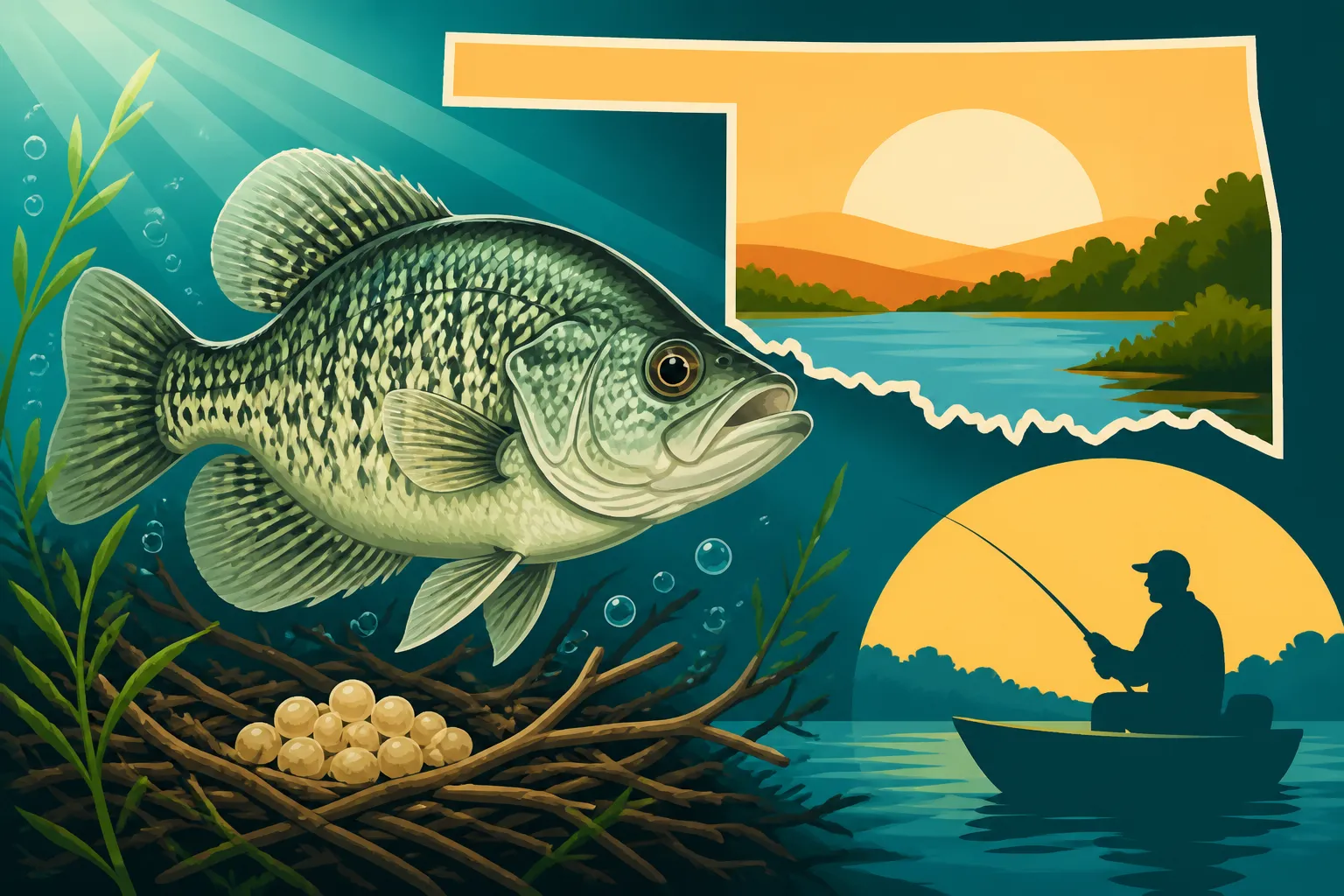
While it's not always easy to see, male crappie will fan out circular depressions in the substrate to create their spawning beds. These beds are usually about 8-12 inches in diameter. They'll often be clustered together in good spawning habitat. In very clear, calm water, you might be able to spot these lighter-colored depressions on the bottom, often surrounded by darker aquatic vegetation. The male crappie will aggressively guard these beds, making them easier to catch as they're less picky about what they strike.
The best way to find these beds, short of sight-fishing, is to identify the right kind of cover in the right depth. Slowly work your bait around brush piles, stumps, and docks in those 2-10 foot zones. A sensitive rod will help you feel the subtle taps of a territorial male.
Seasonal Movements Leading to the Spawn
Crappie don't just magically appear in the shallows. They make a deliberate journey. Understanding this journey can help you find them even before the full spawn is underway. In the late winter and early spring, crappie will stage in deeper areas adjacent to their eventual spawning grounds. This might be a creek channel that runs into a shallow cove, a prominent point leading to a flat, or the deep edge of a submerged timber line.
As the water warms, they'll move up to these staging areas, feeding actively to build energy for the spawn. This pre-spawn period can be incredibly productive, as crappie are aggressive and concentrated. Once the water temperature hits that prime range, they'll make the final push into the absolute shallowest cover to build their nests. After spawning, the females will often move back to deeper water fairly quickly to recover, while the males stay behind for a period to guard the eggs and fry before eventually retreating as well. This information can be really helpful when planning a multi-species fishing trip and referencing something like "Bass, Crappie and Catfish Limits Compared."
Effective Techniques for Spawning Crappie
Once you've identified the when and the where, it's time to talk about the how. Fishing for spawning crappie can be incredibly rewarding, but it often requires a delicate touch and the right presentation.
Light Tackle and Sensitive Presentations
Crappie, especially when they're on their beds, can be surprisingly finicky despite their territorial nature. You'll want to use light tackle to maximize your feel and present your baits naturally.
- Rods: A light to medium-light action spinning rod, around 6 to 7 feet long, is ideal. Look for a rod with a fast tip that allows you to feel subtle bites but still has enough backbone to control a hooked fish around cover.
- Reels: A small spinning reel (1000 or 2000 series) spooled with 4 to 6-pound monofilament or fluorocarbon line is perfect. The light line helps with casting small baits and makes them appear more natural in the water.
- Baits:
- Small Jigs: Tiny jigs, ranging from 1/32 to 1/16 ounce, are incredibly effective. Pair them with equally small soft plastic bodies like tube jigs, grub tails, or minnow imitations. Colors like chartreuse, white, pink, and pearl are perennial favorites. You can find a fantastic selection of these small jigs and soft plastics on Amazon, often in multi-packs, perfect for experimenting with colors until you find what the crappie prefer on any given day.
- Live Minnows: A small live minnow hooked through the lip or back and suspended under a bobber is often irresistible to spawning crappie. It's a classic for a reason.
- Small crankbaits/spinners: In some situations, very small crankbaits or inline spinners can be effective, especially if crappie are slightly deeper or actively chasing baitfish.
The key is a slow, subtle retrieve. Spawning crappie are often focused on guarding their nests, not aggressively feeding, so a bait that slowly drifts or is barely twitched in front of them is more likely to elicit a strike. For more detailed insights into specific techniques, checking out "How to Jig for Crappie in Spring" would be highly beneficial.
Targeting Specific Cover and Structure
Once you're in a productive crappie spawning area, you need to systematically work the available cover.
- Docks: Cast your jig or minnow tight to the dock pilings, allowing it to slowly sink. Crappie often hold in the shaded areas directly under the dock. Try to skip jigs under the dock if possible.
- Brush Piles/Laydowns: Cast past the cover and retrieve your bait slowly through the branches. Be prepared for snags, but also for aggressive strikes. If you're fishing a specific brush pile, try to approach quietly and make multiple casts from different angles to cover all sides of the structure.
- Weed Lines: Work your bait along the edges of weed beds, or slowly pull it over the top of submerged grass. Crappie will often sit just inside or on the outer edge of the vegetation.
- Spider Rigging/Trolling: For covering more water, especially if crappie are spread out or in slightly deeper staging areas, spider rigging (using multiple rods with different depths and baits) or slow trolling can be effective. This allows you to present several baits simultaneously and quickly locate active fish. This is a common technique on lakes like Tenkiller Ferry Lake, which has its own specific "Tenkiller Ferry Lake's Ten-Inch Crappie Limit Explained."
| Water Temperature Range | Crappie Behavior During Spring | Optimal Fishing Depth | Recommended Bait/Technique |
|---|---|---|---|
| Below 50°F | Deep, lethargic, schooling | 20-40+ feet | Vertical jigging, deep trolling |
| 50-57°F (Pre-Spawn) | Staging, moving shallower, feeding actively | 10-25 feet (creek channels, points) | Jigs, minnows, slow retrieves |
| 58-68°F (Peak Spawn) | On beds, shallow, territorial | 2-10 feet (cover, structure) | Small jigs, minnows, subtle presentations |
| 69°F+ (Post-Spawn) | Recovering, moving deeper | 10-20 feet (main lake structure) | Jigs, minnows, deeper presentations |
Post-Spawn Transition
Once the main spawning event is over, usually when water temperatures consistently rise into the 70s, crappie will begin to transition out of the shallow spawning grounds. Females will be the first to move, seeking deeper, cooler water to recover from the rigors of spawning. Males will hang around a bit longer to guard the young before also retreating.
During this post-spawn period, crappie often suspend over deeper structure or move to main lake points, submerged humps, and brush piles in 15-30 feet of water. They might be a bit lethargic immediately after the spawn, but as they recover, they'll resume feeding aggressively. This is when techniques like deep-water jigging or trolling become more effective again. Knowing "How to Find Crappie in Deep Water in Summer" will be your next step to keeping the crappie bite going strong throughout the warmer months. Always keep an eye on water temperatures, and don't forget that you can always find reliable gear, from sensitive rods to a wide array of crappie jigs, available through Amazon to keep your tackle box stocked for every season.
Disclaimer
Fishing regulations, including license requirements, bag limits, and size restrictions, can change. Always consult the official Oklahoma Department of Wildlife Conservation (ODWC) regulations before heading out on the water. This information is intended for general guidance and educational purposes only.