How to Catch Crappie from the Bank
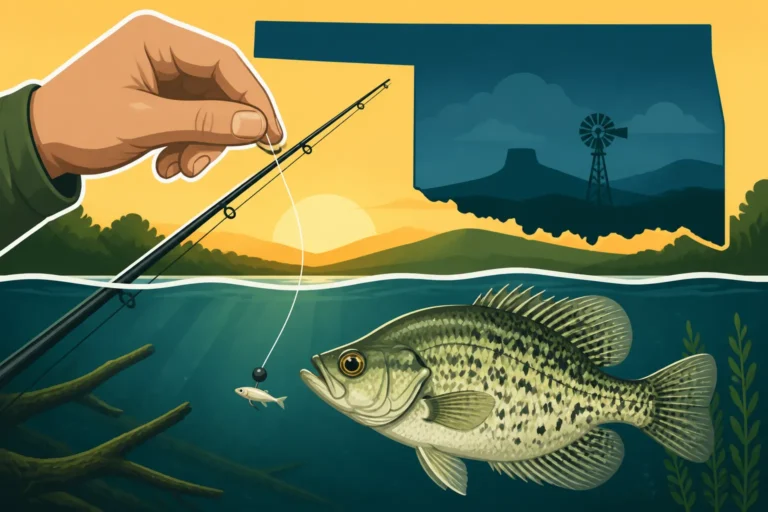
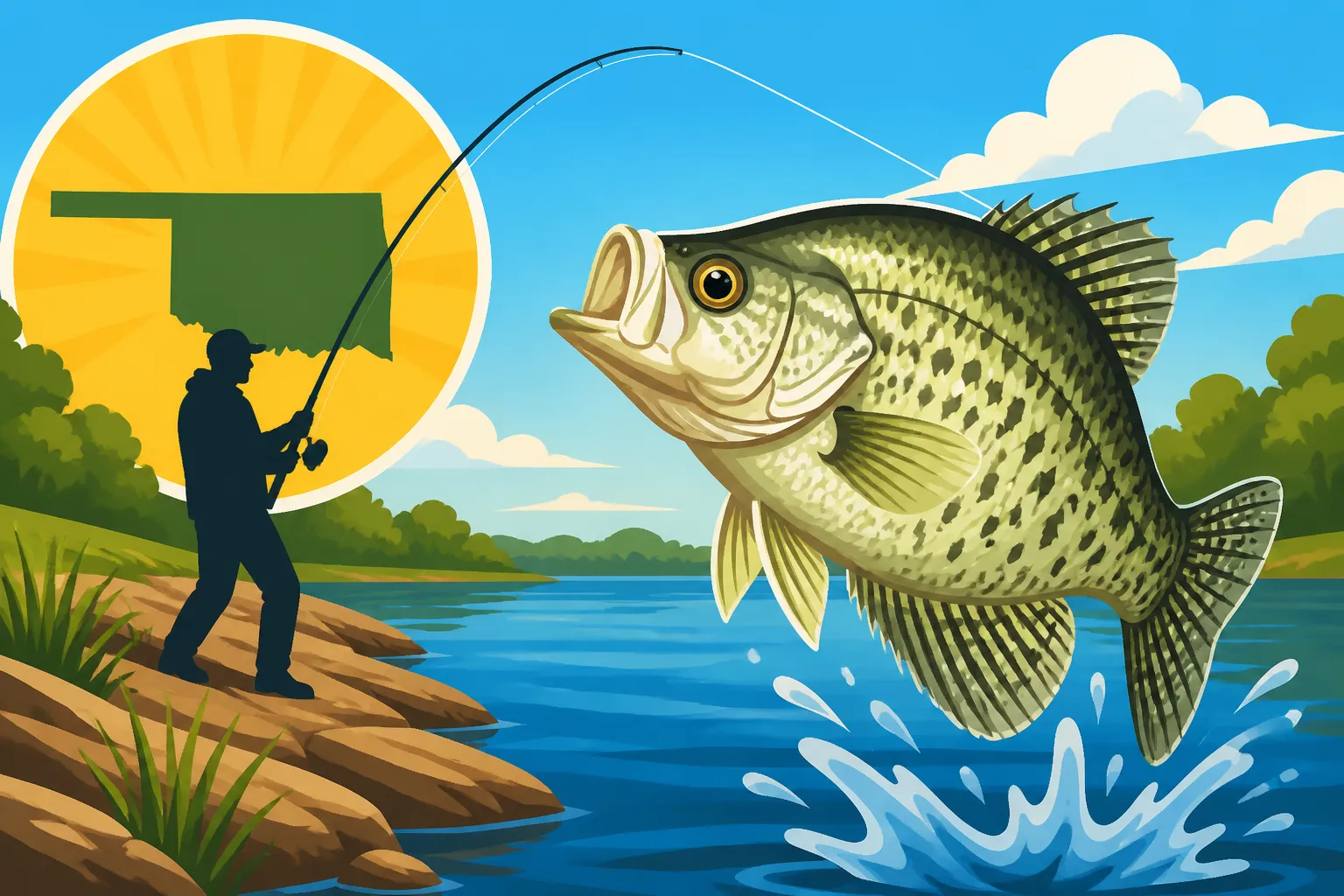
There's nothing quite like the urge to go fishing, but sometimes the hassle of loading up a boat, finding a ramp, and dealing with all that goes with it can be a real deterrent. Many of us just want to grab a rod and reel, head to the nearest water's edge, and enjoy some peaceful angling, especially when we're hoping to fill a stringer with delicious crappie. If you’ve ever felt limited by not having a boat or just prefer the simplicity of shore fishing, you’re in the right place. This guide will walk you through everything you need to know about successfully catching crappie right from the bank in Oklahoma, making your next fishing trip both relaxing and productive.
Understanding Crappie Behavior Near the Bank
Crappie, whether black or white, are fascinating fish with predictable behaviors that bank anglers can absolutely exploit. They're not always out in the deep, vast expanses of the lake; often, they’re closer than you think, especially during certain times of the year. Knowing their habits is your first step to consistent success.
Why Crappie Come Shallow
Crappie have a few key reasons for venturing into the shallower waters accessible from the bank. The primary driver is often food. Smaller baitfish, insects, and crustaceans that make up a crappie's diet often congregate in the shallower, warmer, or more oxygenated areas near the shore. Think about those tiny shad flickering near submerged brush or the nymphs hatching close to the bank. Crappie will follow their food source.
Another major reason is spawning. When the water temperatures start to rise in spring, typically hitting between 55-65 degrees Fahrenheit, crappie move into incredibly shallow water to lay their eggs. They seek out areas with some sort of cover – submerged timber, brush piles, rocky banks, or even old tires – to build their nests. During this period, they are often aggressive and less wary, making them prime targets for bank anglers. You might find them in water as shallow as one or two feet deep!
Lastly, crappie often use shallow cover for ambush points or as refuge from predators. Overhanging trees, docks, bridge pilings, and dense aquatic vegetation provide excellent hiding spots where they can dart out to ambush unsuspecting baitfish or avoid larger predators like bass or even osprey. These structures are your best friends when fishing from the bank.
Reading the Water for Crappie Hotspots
Successful bank fishing isn't just about casting; it's about observing and understanding the water in front of you. Take a few minutes when you arrive at a spot to "read" the water. Look for visual cues that indicate crappie might be present.
Are there any submerged logs, brush piles, or old stumps visible just beneath the surface? These are crappie magnets. Notice any changes in bottom contour, like a drop-off near the bank where shallow water quickly transitions to deeper water. Crappie love these "edge" habitats. Pay attention to any signs of baitfish activity, such as ripples, splashes, or even small schools of shad darting away from the bank. Where there's bait, there are usually crappie.
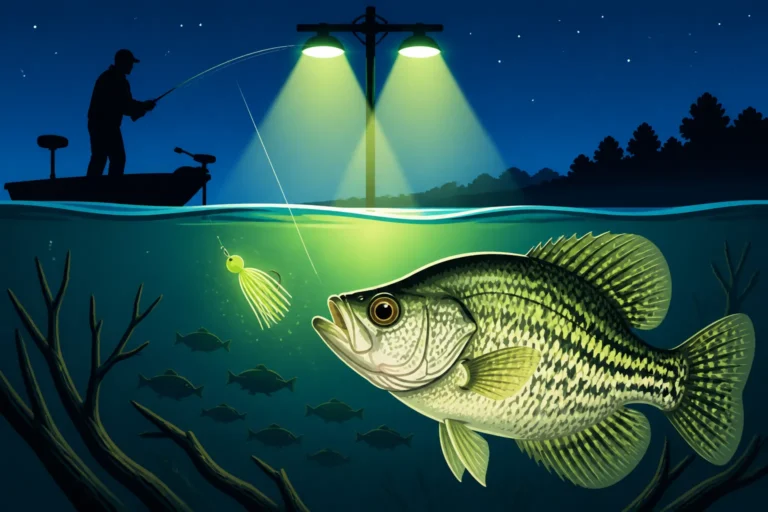
Consider the time of day and year. Early morning and late evening often bring crappie closer to the bank as they feed actively under low light conditions. Cloudy days can extend this shallow feeding window throughout the day. In the spring, focus on protected coves and shallow, brushy areas where crappie will be spawning. During the summer, they might retreat to deeper water during the day but return to the banks at dawn and dusk, especially around docks with lights, which attract baitfish. Don't be afraid to try different depths by adjusting your bobber or casting distance.
Essential Gear for Bank Fishing Crappie
You don't need a boatload of expensive equipment to catch crappie from the bank. In fact, one of the joys of it is its simplicity. However, having the right basic gear can significantly increase your comfort and success rate.
Rod and Reel Setup
For crappie bank fishing, a lightweight, sensitive setup is key. You're typically dealing with smaller jigs and lighter bites, so finesse is more important than brute strength.
A light to medium-light action spinning rod, usually between 6 to 7.5 feet in length, is ideal. The longer rod helps with casting distance from the bank and allows you to keep more line off the water, reducing snags. A fast tip will help you detect those subtle crappie bites. Pair this with a small spinning reel (size 1000 to 2500) spooled with light monofilament or fluorocarbon line. Four to six-pound test line is a good all-around choice. Monofilament is forgiving and floats, which is great for bobber fishing, while fluorocarbon offers better sensitivity and less visibility underwater. Many seasoned crappie anglers might even opt for a high-visibility braided line with a fluorocarbon leader for maximum sensitivity and strength. You can find excellent options for rods, reels, and lines on platforms like Amazon without breaking the bank.
Baits and Lures
This is where the fun begins! Crappie are not overly picky, but certain baits and lures consistently produce better results.
Live Bait: Minnows are the undisputed king of crappie baits. A small live minnow, hooked lightly through the lips or dorsal fin, suspended under a bobber, is incredibly effective. Crappie find their natural movement irresistible. Bring a small minnow bucket with an aerator to keep them lively. Worms, especially small red wigglers or pieces of nightcrawlers, can also work, though they are often better for other panfish.
Artificial Lures: Soft plastic jigs are incredibly versatile and effective. Tiny tube jigs, grubs, and shad-imitating baits in sizes from 1/32 to 1/8 ounce are perfect. Colors can vary widely by water clarity and conditions, but chartreuse, white, black, and various greens are consistent producers. It's wise to have a selection. For instance, you might find that "Best Crappie Jig Colors for Clear Water" differ from "Best Crappie Jig Colors for Stained Water," so keep a variety handy. Small curly-tail grubs, often sold in multi-packs, are another fantastic option.
Small spoons, spinnerbaits (like Beetle Spins), and even tiny crankbaits can also entice aggressive crappie, particularly if they're feeding on baitfish.
Essential Accessories
Don't forget these small but mighty items that make your bank fishing experience much more enjoyable and productive:
- Bobbers: Both traditional round bobbers and slip bobbers have their place. Slip bobbers are fantastic for fishing deeper water from the bank, as they allow you to cast easily without a long length of line dangling.
- Split Shot Weights: Essential for adding a little extra casting weight to your jigs or for keeping your live bait down.
- Hooks: Small, sharp hooks are crucial. Sizes 4 to 8 are generally good for crappie, depending on the bait size. Aberdeen hooks are popular for minnows because they are thin and less likely to kill the bait immediately, and they tend to straighten out before breaking the line if you get snagged.
- Pliers/Forceps: For hook removal, especially from smaller fish, and cutting line.
- Net: A small, long-handled landing net can save a lot of heartbreak, especially when you hook a really nice slab crappie from a high bank.
- Tackle Box/Bag: Keep your essentials organized. A small backpack or shoulder bag works great for bank fishing, allowing you to move easily.
- Stringer or Cooler: For keeping your catch fresh. An old-fashioned stringer is fine for short trips, but a small cooler with ice is better for longer outings or hot days.
- Chair/Bucket: A lightweight folding chair or a 5-gallon bucket (which can double as tackle storage or a minnow bucket) can make waiting for bites much more comfortable.
- Sun Protection: Hat, sunglasses, and sunscreen are non-negotiable for any extended time outdoors.
Having these basics ensures you're ready for anything a crappie fishing day throws at you. You might even want to check out some "Best Tackle Setup for Oklahoma Crappie" guides to see what local experts prefer.
Effective Techniques for Bank Fishing Crappie
Now that you've got your gear, let's talk tactics. Bank fishing for crappie offers a few tried-and-true methods that consistently put fish in the cooler.
Bobber Fishing for Suspended Crappie
This is arguably the most classic and relaxing way to catch crappie from the bank. It's particularly effective when crappie are suspended at a specific depth, often near cover or during the spring spawn.
The setup is simple: attach a bobber to your main line, then a split shot weight a foot or so above your hook. The depth you set your bobber is critical. If you're fishing near visible cover, try to set your bait so it's just above or in the middle of that cover. When crappie are spawning, they'll be very shallow, so start with your bait only a foot or two deep. Experiment with different depths until you find where the fish are holding.
Use a small live minnow hooked through the back or lips, or a tiny jig tipped with a Berkley Gulp! Minnow or a soft plastic grub. Cast your rig out, let it settle, and watch that bobber like a hawk. Crappie bites can be subtle – a slight dip, a sideways movement, or the bobber just disappearing. When it goes down, give it a moment, then set the hook with a gentle but firm sweep of the rod. This technique is especially good for beginners or when fishing with kids.
Jigging and Slow Retrieving
When crappie are a bit more spread out or actively cruising for food, jigging and slow retrieving artificial lures can be highly effective. This method allows you to cover more water and mimic the erratic movement of baitfish.
Tie a small jig (1/32 to 1/8 ounce) directly to your line. You can tip it with a minnow or just use the plastic body. Cast your jig out, let it sink to your desired depth (or count it down if you're targeting a specific zone), and then begin a slow, steady retrieve with occasional twitches or pauses. The key is to make the jig look like a struggling baitfish. Sometimes a continuous, super-slow retrieve is all it takes; other times, a "lift-and-drop" or "twitch-and-pause" action will trigger bites.
This technique is excellent around submerged brush, timber, or drop-offs. Pay close attention to your line as the jig falls; many crappie bites occur on the drop as the lure is sinking. Any unnatural twitch or sudden slack in the line could mean a crappie has inhaled your bait. This is a primary method for those who enjoy Crappie Jigging Techniques.
Tipping Jigs with Live Bait or Scented Baits
Sometimes crappie need a little extra enticement. Tipping your artificial jig with a small piece of live minnow or a scented soft bait can make a huge difference, especially on tougher fishing days or in colder water when fish are less active.
Simply thread a small live minnow (dead minnows also work in a pinch) onto your jig head, or attach a small piece of a soft plastic bait like a Berkley Gulp! Minnow. The combination of the jig's action and the natural scent and taste of the added bait is often irresistible. This works well with both bobber fishing and jigging techniques. The added scent trail helps crappie locate your offering, and the natural appearance can convince wary fish to strike. Experiment with different scents and colors.
Best Times and Locations for Bank Crappie
Knowing when and where to go significantly impacts your success as a bank crappie angler.
Seasonal Patterns
Crappie behavior changes dramatically with the seasons, and understanding these shifts will help you pinpoint their locations from the bank.
- Spring (Pre-spawn & Spawn): This is prime time for bank anglers. As water temperatures rise into the 50s and 60s, crappie move shallow to spawn. Look for them in protected coves, shallow flats with submerged brush, standing timber, or around docks. This is when you can often catch them in just a few feet of water. Many of Oklahoma's major lakes, like Lake Eufaula, Fort Gibson Lake, and Grand Lake, see massive crappie movements during this period. Knowing "When Do Crappie Spawn in Oklahoma Lakes?" can help you time your trips perfectly.
- Summer: During the hottest months, crappie typically retreat to deeper, cooler water during the day. However, they will often move back to the banks during dawn, dusk, and even at night, especially around lighted docks or shaded areas where baitfish gather. Focus on areas with deeper water access near the bank, like channel swings or bridge pilings.
- Fall: As water temperatures cool, crappie become more active and start to feed heavily again, mimicking some of their spring patterns. They'll often school up and move to shallow cover or submerged structure, fattening up for winter. Look for them around brush piles, stumps, and even rip-rap banks.
- Winter: Crappie tend to be sluggish in cold water and often move to deeper main lake channels or vertical structure like bridge pilings. While tougher, bank fishing is still possible, especially on warmer, sunny days. Focus on deep water access points from the bank, like marinas, deep points, or below dams where water flows are consistent.
Prime Bank Fishing Spots
Not all banks are created equal when it comes to crappie. Look for these specific features:
- Submerged Cover: Any underwater structure like fallen trees, brush piles, rock piles, old roadbeds, or even tire reefs are crappie magnets. These provide shelter, ambush points, and attract baitfish. Often, you can see signs of these on your phone's mapping apps or by talking to local bait shop owners.
- Docks and Piers: These structures offer shade, cover, and attract baitfish. Crappie will often suspend directly under or around docks. Private docks usually have brush piles sunk nearby by homeowners, so they're worth investigating. Public fishing piers are fantastic bank access points.
- Bridge Pilings: Bridges often span deeper water and the pilings provide vertical structure that crappie will relate to year-round. They also funnel current, which concentrates bait.
- Rip-Rap Banks: These rocky banks (often found near bridges, dams, or causeways) offer small crevices for baitfish and crawfish, attracting crappie. The rocks also absorb heat, which can attract fish in cooler weather.
- Channel Swings/Drop-offs: Areas where the bank drops quickly into deeper water provide crappie with easy access to different depths as conditions change.
- Protected Coves: Especially in spring, these areas warm up faster and offer shelter from wind and current, making them ideal spawning grounds. Places like Lake Arbuckle and Tenkiller Lake have specific crappie limits, so be sure to check those before heading out. For instance, Arbuckle Lake Crappie Rules in Oklahoma and Tenkiller Lake's 10-Inch Crappie Minimum are good examples of specific regulations.
Remember to always check local regulations for specific lakes. For instance, Fort Gibson Lake's 15-Fish Crappie Limit might differ from the statewide limit.
A Crappie Bank Angler's Checklist
To summarize the key points for a successful crappie bank fishing trip:
| Item | Purpose | Notes |
|---|---|---|
| Light Spinning Combo | Sensitivity for subtle bites, casting distance | 6-7.5 ft rod, 1000-2500 reel, 4-6 lb line |
| Live Minnows | Top crappie bait | Keep lively in a small aerated bucket |
| Soft Plastic Jigs | Versatile artificial lure | 1/32 – 1/8 oz, various colors (chartreuse, white, black) |
| Bobbers (Slip/Fixed) | Suspending bait at specific depths | Slip bobbers are great for deeper water |
| Small Hooks & Weights | Hooking bait, controlling depth | Size 4-8 Aberdeen hooks, various split shot sizes |
| Pliers/Forceps | Hook removal, cutting line | Essential safety and convenience tool |
| Small Landing Net | Secure your catch | Especially useful on high banks or for larger crappie |
| Tackle Bag/Backpack | Organize and transport gear easily | Keep it lightweight for mobility |
| Stringer/Cooler | Keep fish fresh | Essential for responsible catch and consumption |
| Sun Protection | Stay safe and comfortable | Hat, sunglasses, sunscreen |
| Folding Chair/Bucket | Comfort while waiting | A bucket can double as storage or a minnow holder |
| Maps/Apps | Identify potential fishing spots, check rules | Helps find coves, drop-offs, and gauge depth |
Always double-check the local regulations regarding Oklahoma Statewide Crappie Bag Limit or any specific lake limits before you go. It's also a good idea to know "How Many Crappie You Can Keep in Oklahoma" and be aware of special rules like "Checking Crappie Rules Before Fishing Grand Lake."
Getting out and enjoying the peace of the water's edge while reeling in some crappie is one of life's simple pleasures. With the right knowledge and a little bit of patience, you’ll be catching crappie from the bank like a seasoned pro in no time. Happy fishing!
Disclaimer
Fishing involves inherent risks, including but not limited to injuries from hooks, slippery surfaces, and environmental hazards. Always exercise caution, be aware of your surroundings, and prioritize safety. Adhere to all local, state, and federal fishing regulations, including licensing requirements and bag limits. This guide is for informational purposes only and does not constitute professional advice.