How Cold Fronts Change Fishing Patterns on Oklahoma Lakes
Have you ever been out on an Oklahoma lake, and the fish are just biting like crazy one day, then the very next morning, after a sharp drop in temperature, it's like they've vanished into thin air? It's incredibly frustrating, and it's a common experience for anglers. Cold fronts can dramatically alter fishing patterns, turning a hot bite into a complete shutdown. This guide will walk you through exactly how these weather changes affect fish and, more importantly, how you can adapt your approach to keep catching them.
The Immediate Impact of a Cold Front on Oklahoma Lakes
When a cold front rolls through, it’s not just the air temperature that drops. A cascade of environmental changes occurs, and fish, being cold-blooded creatures highly sensitive to their surroundings, react instantly. Understanding these reactions is the first step to figuring out how to still find success on the water.
Sudden Drop in Water Temperature and Fish Metabolism
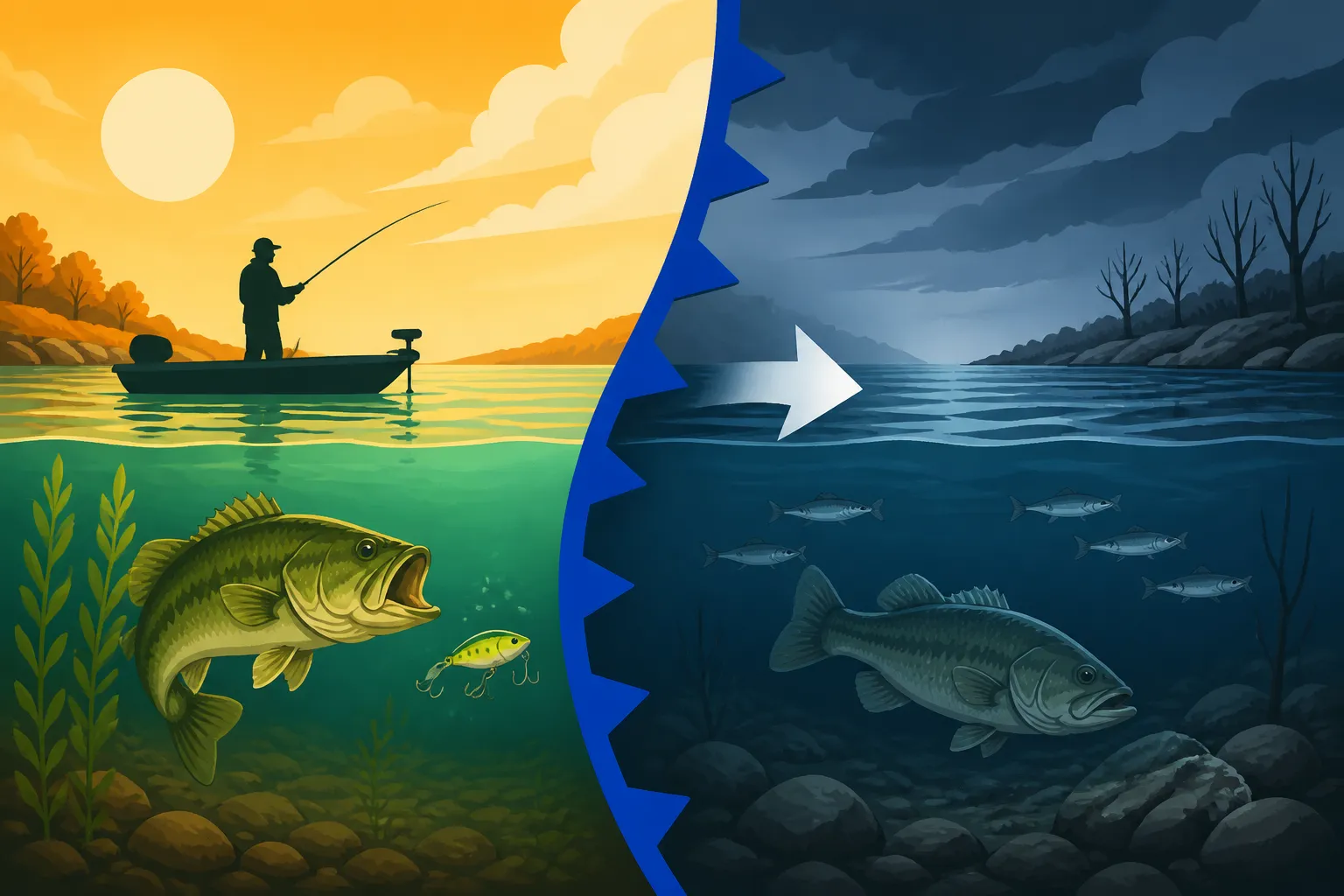
One of the most immediate and impactful effects of a cold front is the drop in water temperature. While surface temperatures might plummet quickly, deeper water typically changes more slowly. However, this sudden chill, especially in the shallower zones where many fish feed, sends a clear signal to fish: it's time to conserve energy. Their metabolism slows down significantly. Think of it like this: if you're shivering and trying to stay warm, you're probably not thinking about running a marathon or eating a huge meal, right? Fish are much the same.
This metabolic slowdown means they become less active and their digestive processes take longer. They're not going to chase down a fast-moving lure with the same enthusiasm they had before the front. They become lethargic, often moving to deeper, more stable thermal zones, or burying themselves in cover. This is a critical piece of the puzzle, as it dictates not only where you'll find them but also what they'll be willing to eat. To really grasp the nuances, it helps to understand more about How Water Temperature Affects Fishing Timing in Oklahoma.
Changes in Barometric Pressure and Fish Behavior
Beyond temperature, barometric pressure is a huge, often unseen, factor. Before a cold front, the pressure usually drops. This is when the fishing can be fantastic, as fish often become more active, feeding aggressively in anticipation of the coming change. But once the front passes, the high-pressure system moves in, pushing down on the water. Many anglers believe this "pushes" fish deeper and makes their swim bladder uncomfortable. While the exact scientific explanation is complex and still debated, the observable effect is clear: fish become less active, often moving closer to the bottom or seeking dense cover.
This change in pressure can make fish feel "exposed" or uncomfortable in open water, driving them to hide in thick brush, beneath docks, or along sharp drop-offs. It's not just about the pressure itself, but how it often coincides with clearing skies and bright sunlight, which we’ll discuss next.
Clear Skies and Increased Light Penetration
Accompanying many cold fronts are bright, clear, bluebird skies. While beautiful for a picnic, these conditions can be a nightmare for fishing. The increased light penetration into the water makes fish feel more vulnerable to predators. Many species, especially predatory ones like bass, prefer lower light conditions to ambush their prey. Under bright skies, they tend to hug tighter to cover or descend into deeper, darker waters.
This isn't just about hiding; it's about comfort and survival. If they're in open, shallow water under direct sunlight, they're both exposed to aerial predators and feeling the full effect of the temperature drop and pressure change. So, those sunny, calm post-front days, as lovely as they are, actually require a completely different fishing strategy than the overcast, drizzly days that often precede a front. It's a prime example of why understanding How Weather Fronts Affect Fishing at Grand Lake, Oklahoma is so crucial.
Adapting Your Approach: Lures, Baits, and Presentation
Since fish are less active and more reluctant to chase, your typical fast-paced, aggressive techniques are probably going to fall flat. This is where patience and a subtle approach become your best friends.
Downsizing Baits and Slowing Down Presentation
When fish are lethargic and hunkered down, they're not looking for a huge, flashy meal that requires a lot of effort to catch. Instead, they're more likely to peck at smaller, easier targets. This means it's time to downsize your baits. Think smaller worms, smaller jigs, and compact creature baits. Instead of a 1/2 oz spinnerbait, consider a 1/8 oz finesse jig.
More importantly, you need to slow down – way down. What feels slow to you might still be too fast for a post-front fish. Let your bait sit for extended periods, barely moving it. Think subtle twitches, long pauses, and slow drags along the bottom. If you're used to burning a crankbait, this might feel agonizingly slow, but it's often what it takes to tempt a sluggish fish. For bass specifically, learning How to Catch Bass After a Cold Front will elaborate on these tactics.
Focus on Natural Baits and Subtle Movements
Sometimes, the best offense after a cold front is a good defense – using natural, live bait. Minnows, worms, or even cut bait can be incredibly effective because they look and smell like an easy meal. When a fish's metabolism is slowed, they're less likely to expend energy chasing artificial lures. Live bait, presented subtly on a light line, often proves irresistible.
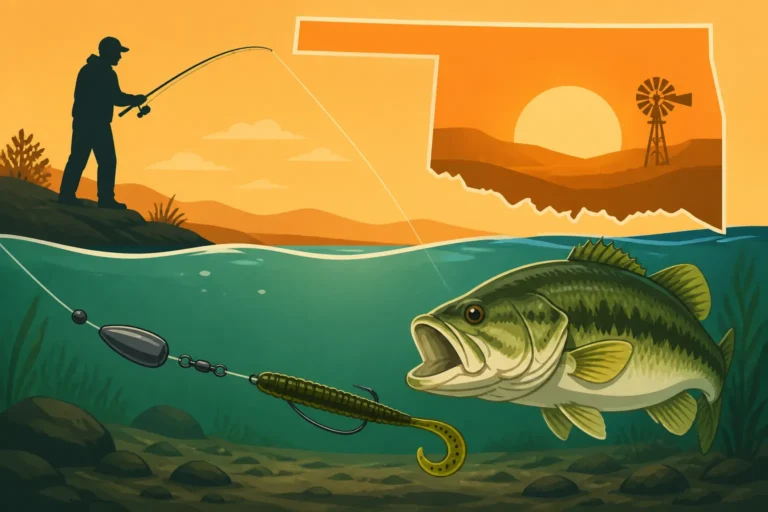
If you're committed to artificials, focus on baits that have natural, subtle movements. Soft plastics, like shaky head worms, drop shots, or Ned rigs, are excellent choices. They mimic injured or dying prey, which is an easy target for a fish that doesn't want to move much. The key is to make these baits appear as effortless to consume as possible. For catfish, for instance, you might want to switch up your strategy entirely and check out some Winter Catfishing Techniques in Oklahoma which often share similar principles of slower, more natural presentations.
Color Choices and Lure Types for Post-Front Conditions
Under those bright, clear post-front skies, natural and muted bait colors often perform best. Think greens, browns, and natural shad patterns. Avoid loud, flashy colors that might spook wary fish. However, in stained or muddy water, which can sometimes result from the high winds accompanying a cold front, a darker, silhouetted bait or one with a touch of chartreuse or orange can still be visible and effective. It's all about providing a clear, yet non-threatening, profile.
Lure types that excel include jigs, soft plastic worms and creatures on light Texas rigs or Carolina rigs, and finesse crankbaits or jerkbaits that can be paused for extended periods. Even a simple spoon jigged vertically can entice a bite from fish holding tight to bottom structure. For crappie anglers, selecting the right hue is critical, so a deeper dive into Best Crappie Jig Colors for Clear Water could be very helpful.
Finding Fish After a Cold Front: Where to Look
The fish haven't disappeared; they've simply moved to where they feel most comfortable and secure. Your job is to find those havens.
Deeper Water and Structure for Shelter
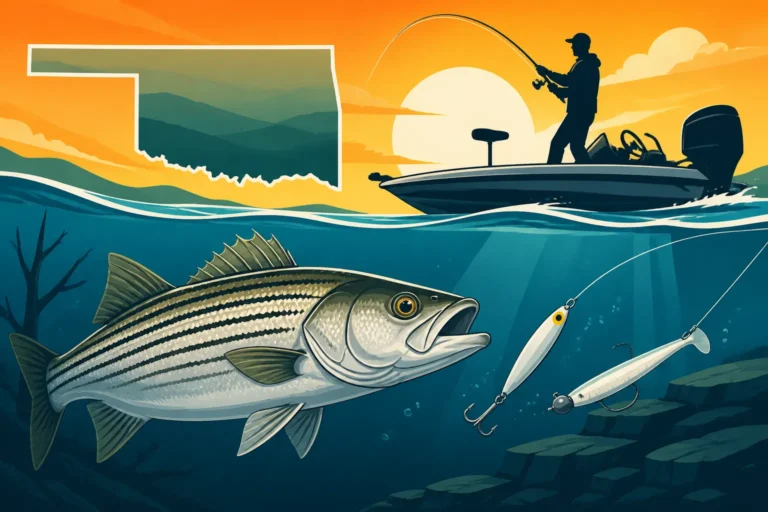
As discussed, fish often retreat to deeper water where temperatures are more stable and light penetration is reduced. Look for them along deep points, submerged humps, ledges, and creek channels. These areas provide both depth and structure for them to relate to. Using your electronics becomes crucial here. Fish finders can help you locate these depth changes and identify schools of fish holding tight to the bottom or suspended near structure. Learning How to Find Striped Bass Schools with Sonar can give you a leg up, even if you're targeting other species.
Don't just cast blindly; meticulously work these deeper areas. Fan cast, or try vertical jigging directly over potential holding spots. If you're bank fishing, look for the steepest drop-offs you can access. The deeper, darker water offers a sense of security and a slight reprieve from the sudden chill.
Areas with Cover and Reduced Light
Fish that remain shallower will seek out the thickest cover available. Think dense brush piles, submerged timber, thick docks, or the darkest shadows cast by bank overhangs. These spots offer both shelter from predators and a break from the bright sunlight. They provide a "security blanket" that fish crave after a front.
Pitching jigs or soft plastics into these areas, letting them slowly sink and sit, can often draw a strike. Remember, the fish aren't actively foraging; you're trying to tempt a reaction strike or present an irresistible, easy meal directly in front of them. This is often where patience pays off, as you might need to make multiple presentations to the same piece of cover before a fish finally commits.
North-Facing Banks and Sun-Warmed Spots
While fish generally seek deeper water or dense cover, there's an interesting exception for shallow water: north-facing banks or areas that get prolonged sun exposure. These spots, particularly later in the day, can warm up a few degrees more than other areas. Even a slight temperature increase can be enough to draw some fish out of their deeper hideouts to feed for a short window.
This is especially true for species like crappie or bluegill, which might gravitate to sun-warmed rocks or mud flats. If you're struggling to find fish deep, it's worth checking these shallower, sun-baked areas later in the afternoon. Pay attention to specific coves and shallow bays that have a lot of sun exposure throughout the day.
Here's a quick comparison of fishing before and after a cold front:
| Factor | Before Cold Front | After Cold Front |
|---|---|---|
| Barometric Pressure | Falling | High and Stable |
| Fish Activity | High, aggressive feeding | Low, lethargic, reluctant to chase |
| Water Temperature | Stable or slowly falling | Sudden drop, especially in shallow water |
| Sky Conditions | Often cloudy, overcast | Clear, bright sun, bluebird skies |
| Preferred Depth | Varied, often shallower and active | Deeper, tighter to bottom or dense cover |
| Bait/Lure Size | Larger, flashier baits | Downsized, finesse baits |
| Presentation Speed | Faster, aggressive retrieves | Slower, subtle movements, long pauses |
| Bait Type | Reaction baits, power fishing | Natural baits, soft plastics, finesse jigs |
| Typical Colors | Bright, flashy, or natural | Muted, natural, subtle (or dark in stained water) |
Gear Adjustments and Patience are Key
Don't underestimate the role your gear plays or the power of your mindset when tackling post-front conditions. A few tweaks can make a big difference.
Line Selection and Sensitivity
When you're fishing slowly and subtly, especially with lighter baits in deeper water, line sensitivity is paramount. This isn't the time for heavy, stretchy monofilament. Fluorocarbon line is an excellent choice as it's nearly invisible underwater, has very little stretch, and sinks, which helps with bait presentation. Braided line can also be effective for its extreme sensitivity, but you might want to add a fluorocarbon leader to mitigate its visibility.
The goal is to feel the faintest peck or "thump" from a lethargic fish that might just mouth the bait rather than aggressively strike it. A sensitive rod paired with a high-quality, low-stretch line can give you that critical edge. You can find a fantastic selection of fishing lines for all conditions on sites like Amazon.
The Importance of Electronics and Observation
Modern fish finders are invaluable after a cold front. They help you pinpoint those subtle depth changes, submerged structures, and, most importantly, show you where the fish are holding. Look for tight schools of fish near the bottom or nestled in brush piles. Your side imaging or down imaging can reveal fish hiding in cover that you might otherwise miss. Many anglers rely on their Best Fish Finder Features That Matter Most on Oklahoma Reservoirs to give them an advantage in these tricky conditions.
Beyond electronics, simple observation is key. Watch for any subtle signs of activity, like baitfish flickering on the surface, or even bird activity. Pay attention to water color changes, current breaks, and anything that looks "different." Sometimes, the smallest clue can lead you to a honey hole. Remember, fish are still eating, just not with the same enthusiasm. Your job is to be more patient and persistent than they are stubborn. Don't be afraid to try different spots and techniques until you dial in what they're willing to bite on. It might take longer, but the reward of figuring out a tough bite is truly satisfying.
Disclaimer
The information provided in this guide is for general informational purposes only. Fishing regulations, license requirements, and local conditions can change. Always consult the latest Oklahoma Department of Wildlife Conservation (ODWC) regulations and local advisories before heading out on the water. Stay safe and fish responsibly.